
What Does Design for Repairability Mean in Automotive?
Published: November 3, 2026 • Reading Time: 6 min • Last Updated: November 3, 2026 • Author: Merve B.
Learn how repairability-focused design affects vehicle parts, maintenance and replacement, and what owners and rental drivers can check in service records and during use.
Contents
- What is design for repairability?
- What affects whether a component can be repaired?
- Access and removal sequence
- Fasteners and materials
- Modular construction and component boundaries
- Diagnosis and technical information
- Repairability, durability, and recycling are different ideas
- Why does this matter to owners and rental drivers?
- Practical steps during service or vehicle handover
- What should you ask when reviewing a repair recommendation?
- Conclusion: using design knowledge in practice
- Frequently Asked Questions
Automotive design for repairability means developing vehicle parts so they can be inspected, repaired, or replaced in a considered way after a fault or damage. This guide explains what the term covers, which design features affect repair work, and how vehicle owners and rental drivers can use that knowledge when reviewing service information or noticing a problem.
What is design for repairability?
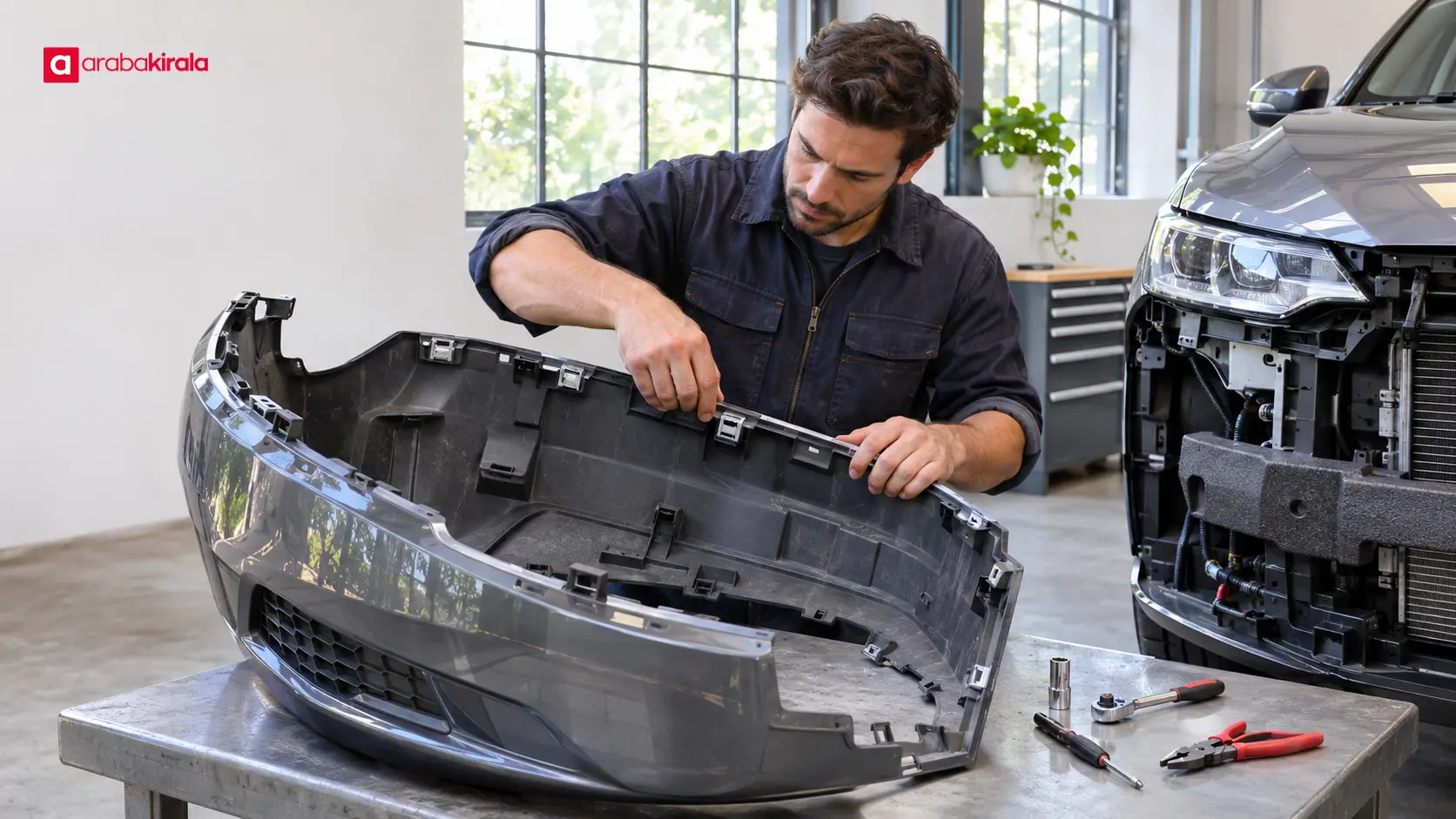
A car is a complex system made up of many components that work together. During design, engineers can consider not only what each part does and how it fits, but also how a technician will reach it during diagnosis and service. Design for repairability aims to make access, safe removal, and correct refitting feasible and understandable.
The term does not mean that every part can or should be repaired. Safety, durability, cost, manufacturing methods, and the part's technical construction all affect the appropriate response. Some components can be repaired; others need replacement under the manufacturer's procedure. A sound decision depends on the location and extent of damage, technical documentation, and inspection by a qualified service professional.
What affects whether a component can be repaired?
Access and removal sequence
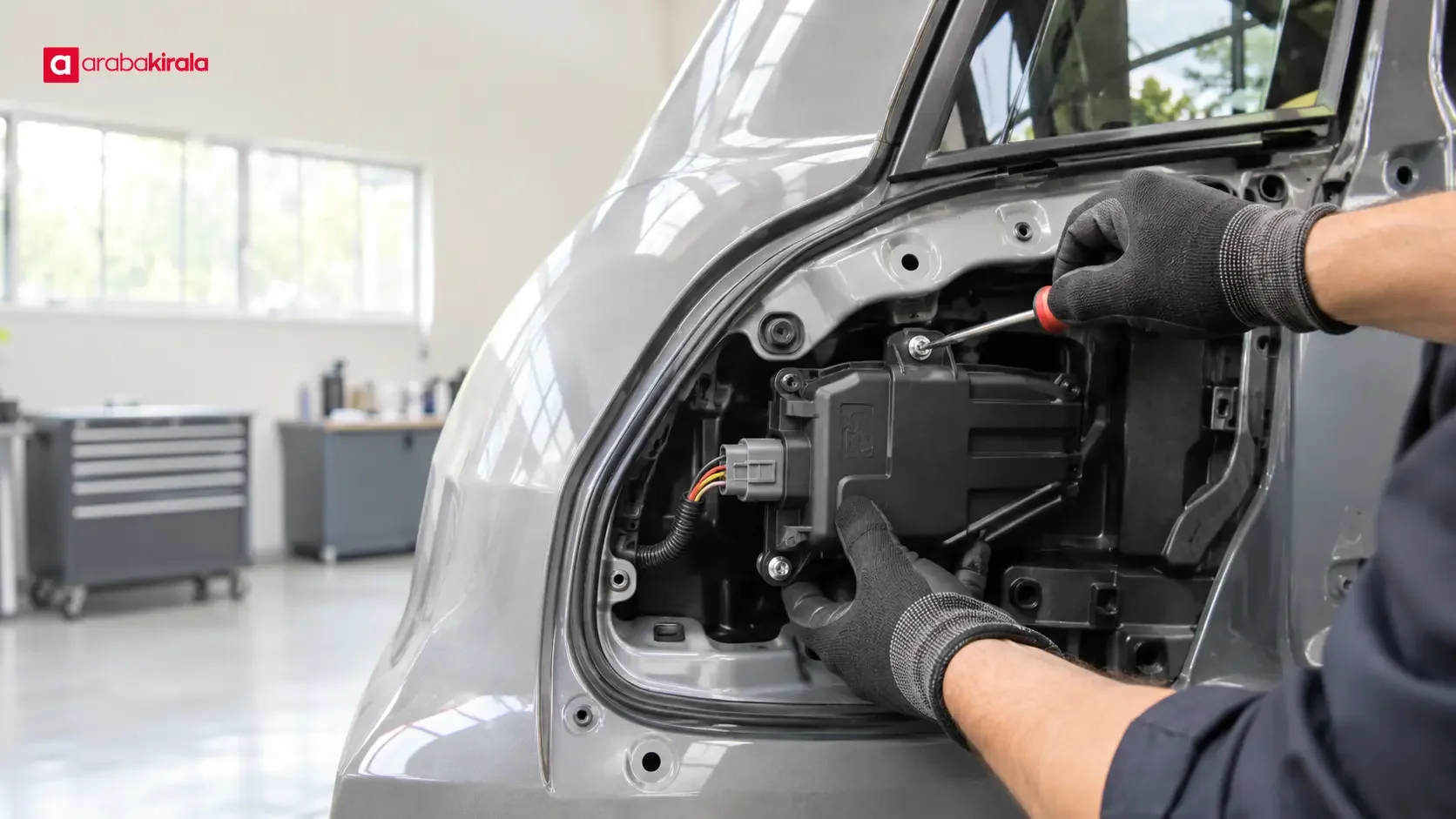
If surrounding components must be removed before a technician can reach a part, the job may require more steps and labor. Clear access points, understandable fastener locations, and a removal sequence that limits the chance of damaging nearby parts can make service more manageable. These design choices do not guarantee a quick or inexpensive repair; they influence how the work can be performed.
Fasteners and materials
Screws, clips, welds, and adhesives each call for different removal methods. A fastener that can be reused is not treated the same as one that must be replaced after removal. Plastics, metals, and composites also respond differently to repair methods. Work involving heat, chemicals, or specialized equipment may not be suitable for a vehicle user to attempt.
Modular construction and component boundaries
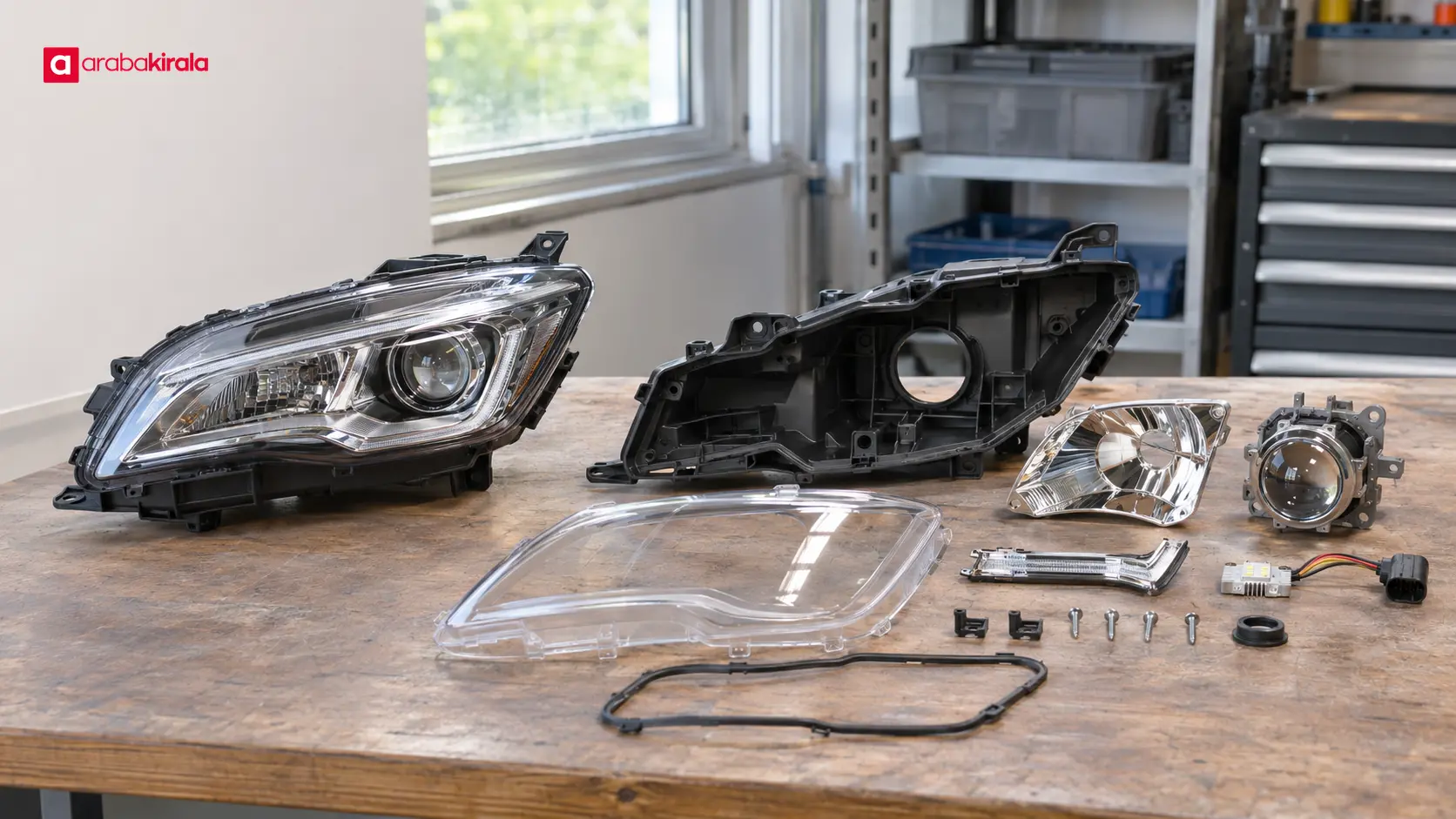
In a modular design, a subassembly with a defined function can be separated from a larger system. This can help narrow down a fault and focus work on the relevant component. It does not necessarily mean that every small part is available or replaceable on its own. Compatibility, software, calibration, or safety requirements can affect what a service procedure permits.
Diagnosis and technical information
Fault codes, wiring diagrams, test points, and manufacturer service procedures help technicians identify the cause of a symptom. Replacing parts at random can leave the original problem unresolved and create further faults. Repairability therefore depends not only on physical access, but also on having the information and method needed to diagnose the issue correctly.
Repairability, durability, and recycling are different ideas
Durability concerns how long a component retains its function under its intended conditions. Repairability concerns what can be done when a fault occurs. Recycling addresses the recovery of materials at the end of a product's useful life. These goals can support one another, but they are not interchangeable: a durable component may be difficult to repair, while a component that comes apart easily is not automatically recyclable.
Maintainability is another related concept. Access that makes routine inspections or replacement of service items easier can support regular maintenance. Repairing a damaged component may require diagnosis, checks on its integrity, and verification after the work. Knowing the difference helps you understand what a service recommendation actually addresses.
Why does this matter to owners and rental drivers?
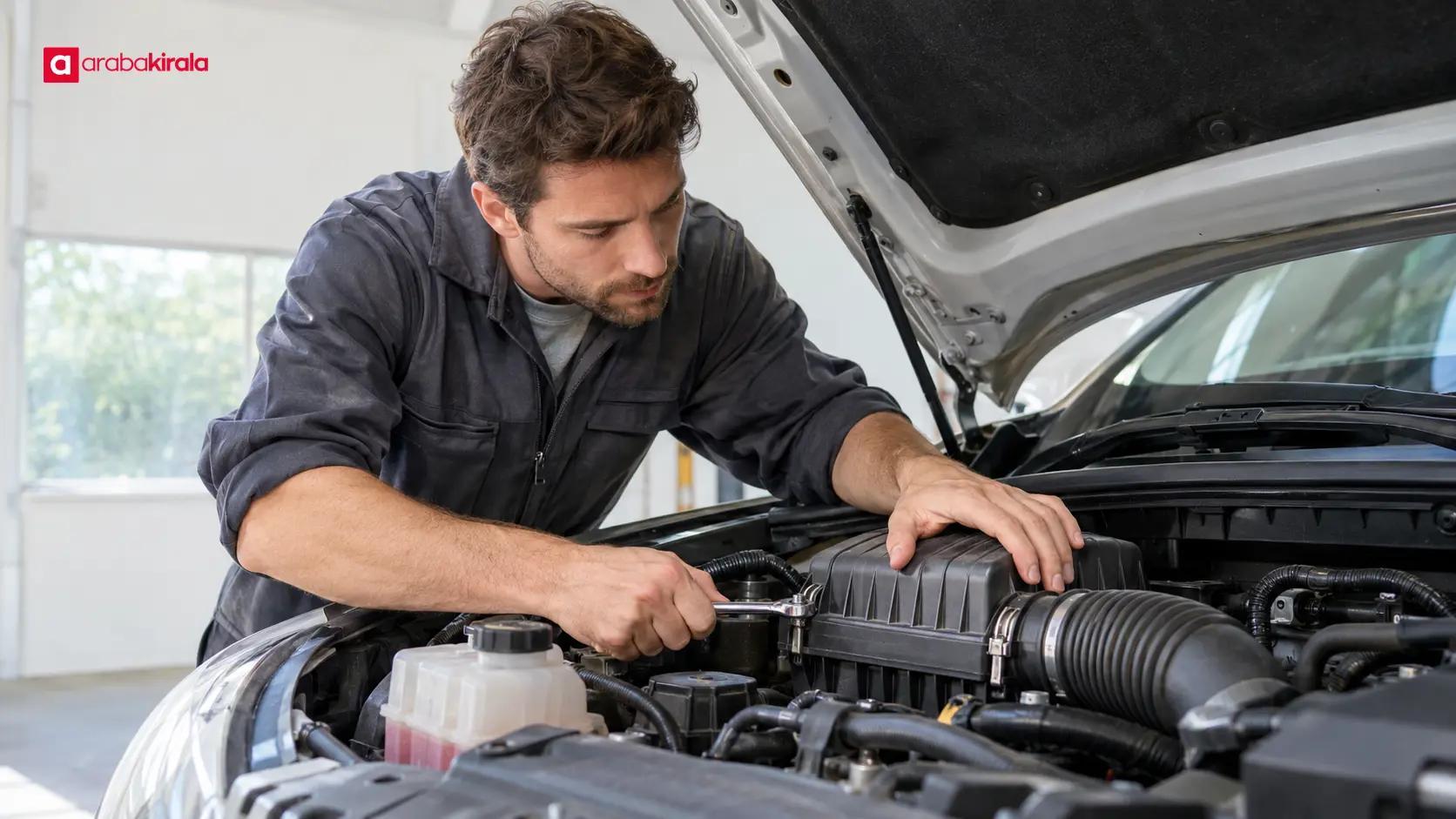
Because repairability can affect the process of diagnosing and resolving a fault, service records can offer useful detail about a vehicle's history. Records may identify which component was inspected, whether it was repaired or replaced, and what checks followed. That information is more specific than a general description such as “well maintained” when you are assessing a vehicle's condition.
Rental drivers are not expected to repair vehicle components themselves. The practical priorities are to notice visible damage or warning lights at handover, report them through the handover process, and use the vehicle safely. If a warning light appears or you notice a new noise, smell, or change in performance, stop in a safe place and contact the rental branch. Do not make a technical guess about whether it is safe to continue driving.
Practical steps during service or vehicle handover
- Describe the symptom: Explain when the warning appeared, under what conditions it recurs, and whether it affects how the vehicle drives.
- Clarify the proposed work: Ask whether the recommendation is to repair, adjust, or replace the component, and what inspection supports that decision.
- Ask about post-work checks: Find out how function will be verified and whether calibration or checks of related components are needed.
- Keep the record: A service document describing the work can provide useful information for later maintenance decisions.
- Report rental-car issues: Contact the branch where you rented the vehicle about damage, warnings, or a usage concern. Ask whether it is safe to use and what step to take next.
These steps help you gather clear information while leaving the technical decision to qualified people. If a symptom involves the brakes, steering, tires, lighting, or a safety system, do not continue driving; stop somewhere safe and seek professional assistance.
What should you ask when reviewing a repair recommendation?
A statement that a part “needs replacement” does not by itself explain every technical reason why repair is unsuitable. The damage, manufacturer instructions, and safety checks required afterward all matter. You can ask the service provider to explain in plain language how the fault was confirmed, what the proposed work includes, and why replacement is recommended if that is the case.
For a rental vehicle, details such as damage reporting, approval, or whether the vehicle may continue in use can depend on the branch and reservation. Contact the branch where you rented it before arranging work or taking the vehicle somewhere else. The branch can clarify the next step in the rental process; that guidance is separate from the technical explanation of the fault.
Conclusion: using design knowledge in practice
Automotive design for repairability considers access, removal methods, materials, modularity, and diagnostic information in relation to service work. A component's repairability does not mean it must always be repaired; the safe and appropriate method depends on technical inspection. If you own the vehicle, look for a clear record of the work and its verification. If you are driving a rental, report visible damage or a new warning promptly and ask the branch how to proceed.
Frequently Asked Questions
Does design for repairability mean every car will cost less to fix?
No. Design can affect access and the repair method, but the total cost also depends on labor, parts, diagnosis, and necessary verification. A design feature alone does not guarantee a price or repair time.
Does a modular part always mean only that part will be replaced?
Not necessarily. Whether a component can be serviced separately depends on technical compatibility, manufacturer procedures, and safety requirements. Ask the service provider to explain the scope and reason for the recommendation.
Is a repaired part always better than a replacement?
That depends on the type of damage and the component's condition. A suitable repair can be appropriate when done correctly, while some damage requires replacement for safety or durability. The decision should follow inspection and technical instructions.
What should I do if a warning light appears in a rental car?
Pay attention to the warning and any change in how the vehicle behaves. If driving is affected, stop somewhere safe and call the branch where you rented the car for guidance. Do not ignore the warning and continue driving.
What information should I look for in a service record?
Check which component was inspected, what fault was identified, whether it was repaired or replaced, and what checks followed. If the entry is unclear, ask the service provider to explain it in plain language.
Legal Disclaimer: All content, articles and information on the Araba Kirala website are provided solely to inform users. No information shared on this website constitutes definitive advice or guidance. Araba Kirala Teknoloji A.Ş. and its authors cannot be held responsible for any direct or indirect damages arising from the application of information on the website. For all questions and requests regarding car rental, please contact the office from which you will rent your vehicle.












