
Beylikdüzü Car Rental Parking Plan: Managing Time by the Coast and Inland
Published: November 2, 2026 • Reading Time: 7 min • Last Updated: November 2, 2026 • Author: Merve B.
Plan coastal and inland stops in Beylikdüzü by accounting for parking, walking distance, and route timing together. Learn how to choose parking areas, leave a time buffer, and check rental-car handover records.
Contents
When renting a car in Beylikdüzü, a single parking-time estimate may not fit both a coastal visit and several inland errands. This guide explains how to plan parking time alongside walking distance and route order, choose a suitable place to leave the car, and understand the records that can help when you collect and return a rental vehicle.
Why coastal and inland stops need different timing
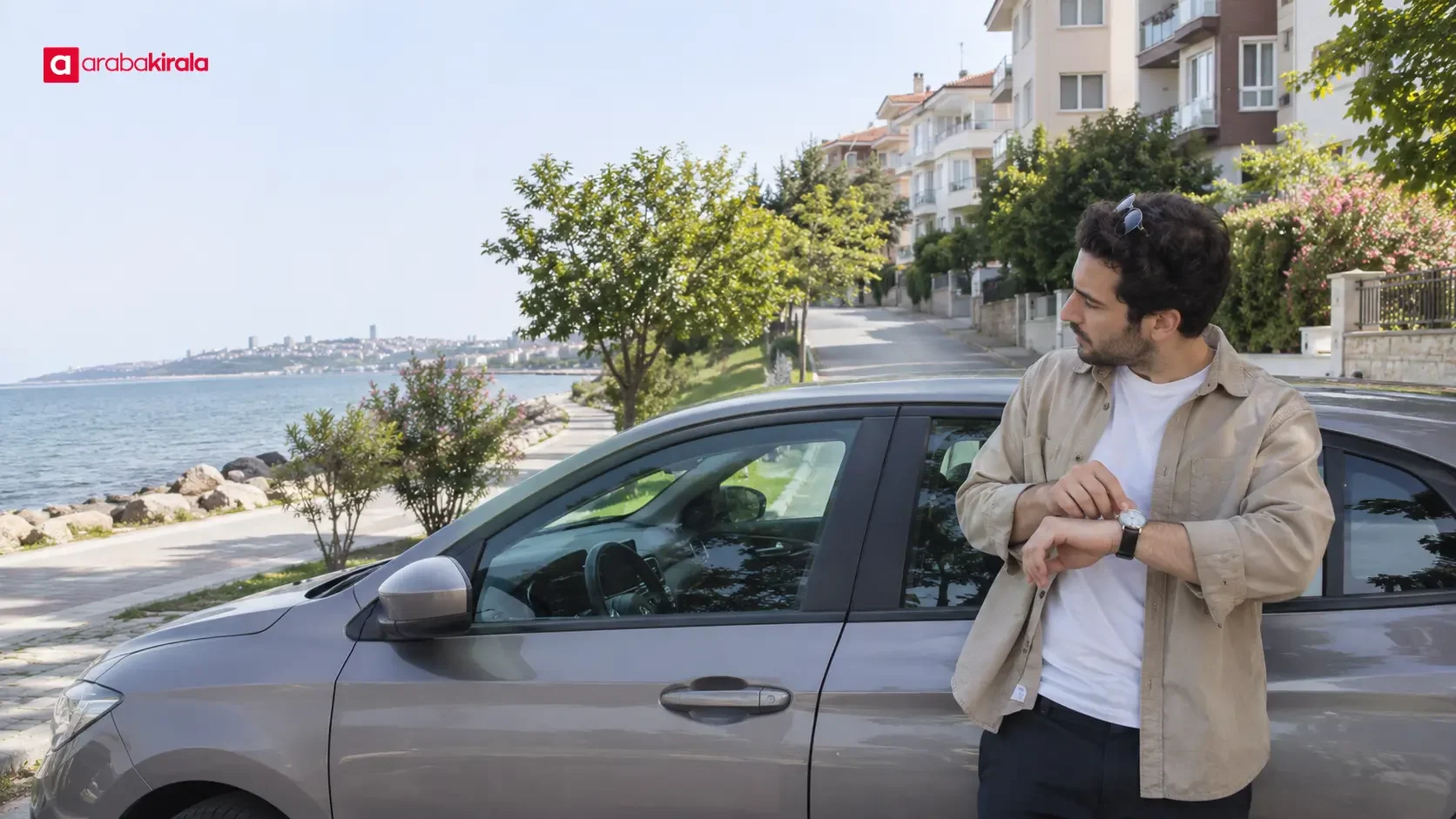
The time between parking a car and driving away again is not just the time spent at your destination. You may need to find a space, enter or leave the parking area, walk to the destination, and return to the vehicle. A short pause by the water and a series of errands on inland streets therefore should not automatically receive the same time allowance.
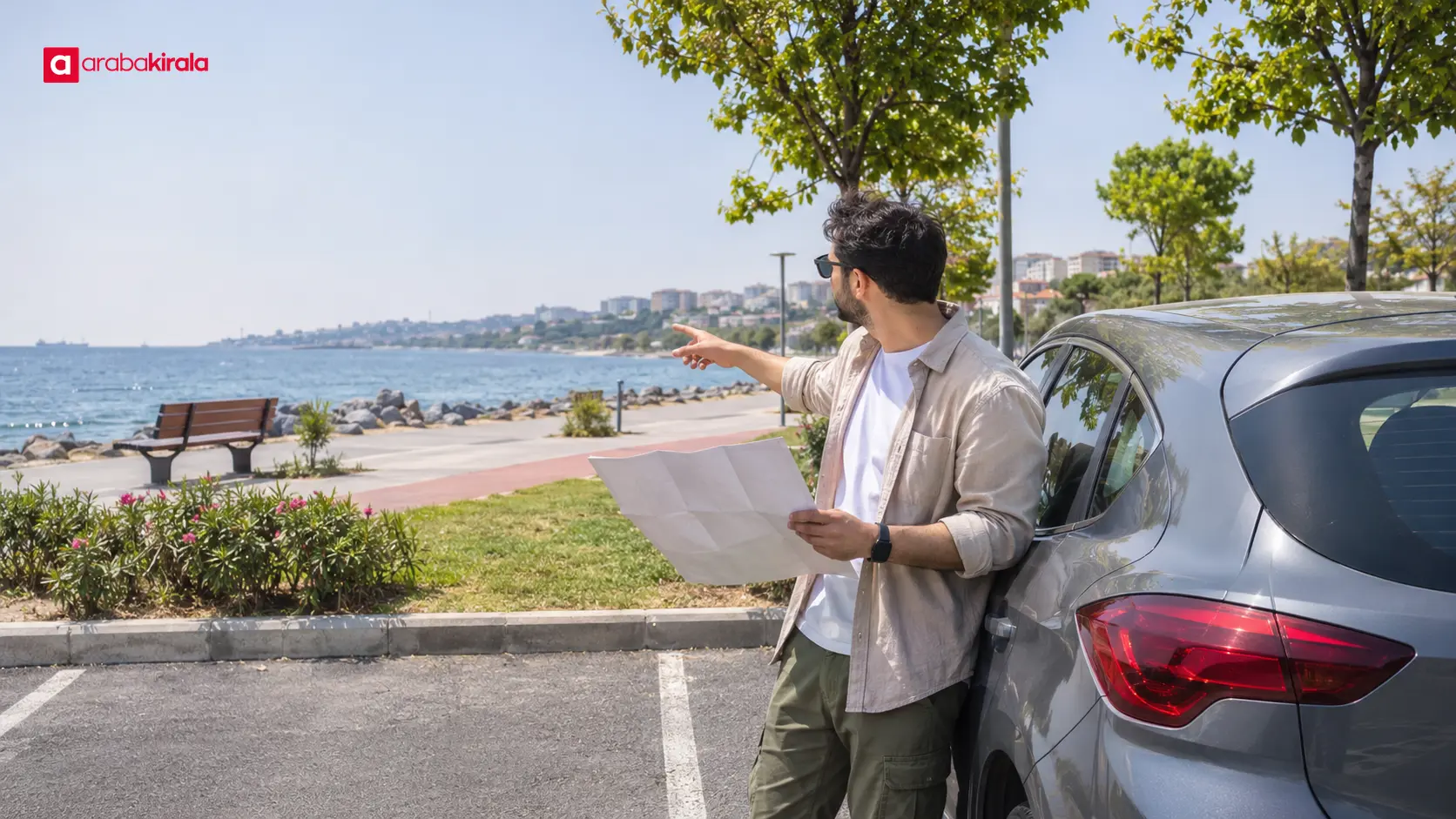
A coastal stop may involve a walk, time outdoors, or a meal, each of which can extend the visit. In inland neighborhoods, the main consideration may be moving between several addresses, leaving a main road for a side street, or walking from one errand to another. The actual duration can change with the time of day, traffic, weather, the purpose of the visit, and available parking.
For a Beylikdüzü car rental parking plan, group stops by area before you leave. Put coastal destinations into one part of the day where practical, and arrange nearby inland addresses together. This can reduce unnecessary short drives and repeated searches for a space. Keep the groups flexible: the best order depends on opening times, appointments, and the route you need to take.
How to estimate time parked
Do not treat the scheduled activity duration as the full parking duration. Account for four parts: locating and entering a space, walking from the car, the visit itself, and walking back. Allow more time for getting in and out of the vehicle or moving along the route when traveling with children, older passengers, someone with limited mobility, or luggage.
For several nearby stops, consider whether they can reasonably be reached on foot from one parking place. Walking between destinations is not always efficient: a longer route, a difficult crossing, a slope, or an inconvenient entrance can outweigh the short distance shown on a map. Check the pedestrian route rather than relying only on straight-line distance.
Build in a time buffer
It is not possible to predict a fixed number of minutes for finding a space or entering a parking area. Leave a buffer before appointments, meal reservations, or a planned return time. If your schedule is tight, decide in advance which activity can be shortened or moved. This gives the rest of the day some room if parking takes longer than expected.
Weather can also change how long you want to stay outdoors by the coast. You may shorten the walk or move to an indoor destination. If the parking area has a time limit or payment requirement, check the information on site for the conditions that apply at that time. Do not assume that a rule in one area or at one time applies everywhere in the district.
Choose parking with safety and access in mind
The nearest available space is not always the most practical. Consider traffic flow, how you will enter and exit, pedestrian movement, and whether the vehicle can be left there safely and lawfully. Do not park where signs prohibit it, where the vehicle obstructs access or visibility, or in a space reserved for a specific user group. Read the signs and conditions for the particular parking area.
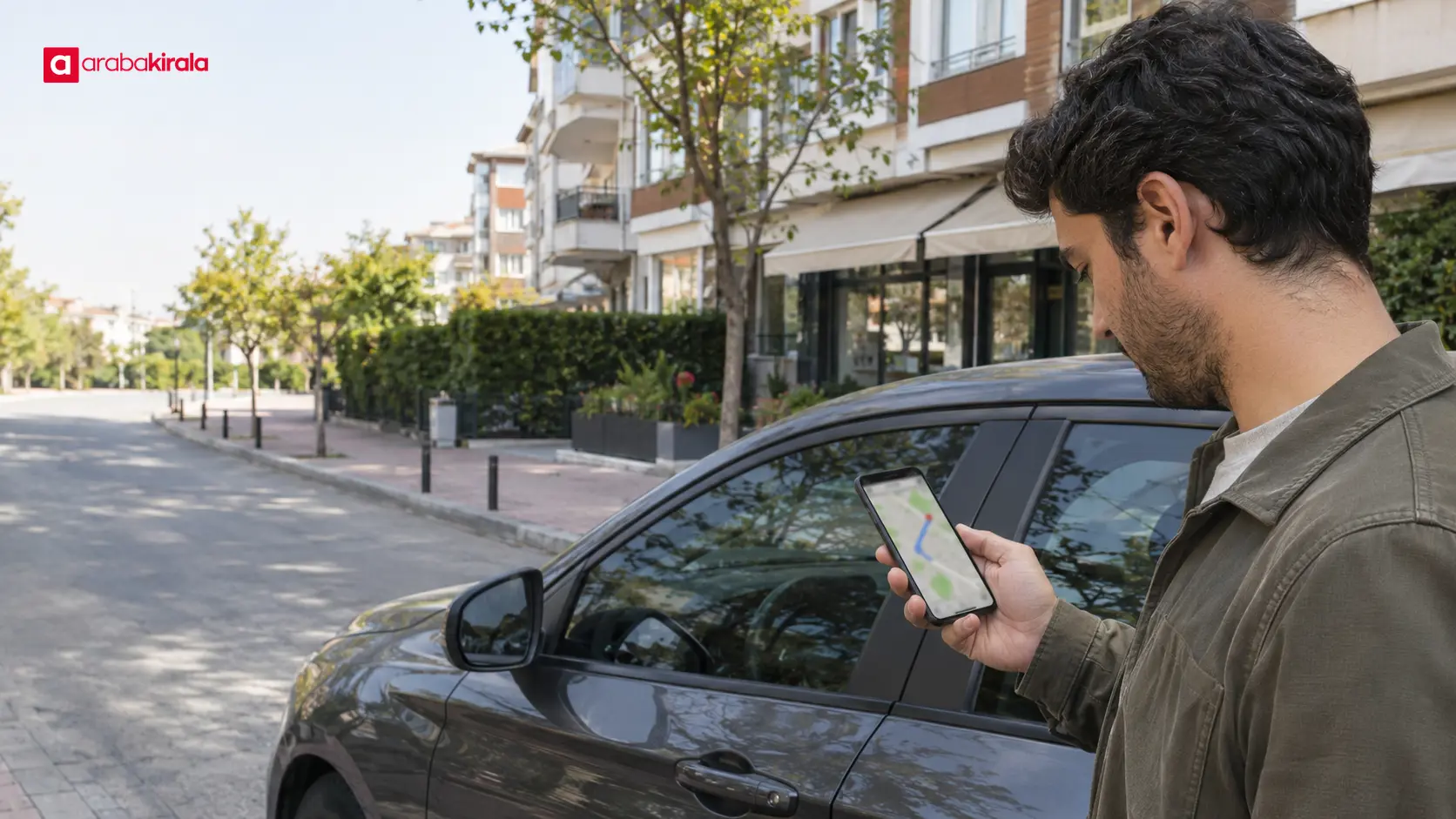
Searching too long for a space immediately beside your destination can compress the rest of your schedule. Mark a few possible parking areas on your map in advance, but do not assume they will be available. If your first choice cannot be used, move to another permitted and safe option. Once parked, secure the car, avoid leaving valuables in view, and decide on a pedestrian route before crossing or entering traffic.
When parking on a street, check the surroundings and the path of passing vehicles. Watch for cyclists and other road users before opening a door. A note of the street or a nearby landmark can help you find the vehicle again. If you take a photo for reference, consider the privacy and safety of people nearby.
Organize the day around a rental car
Before collecting the vehicle, clarify rental details that affect your itinerary with the branch you will rent from. Confirm where the car is collected and returned, the relevant opening hours, and any branch-specific process that could affect your plan. These details can depend on your reservation and the branch, so ask about your own booking rather than using another business’s practice as a reference.
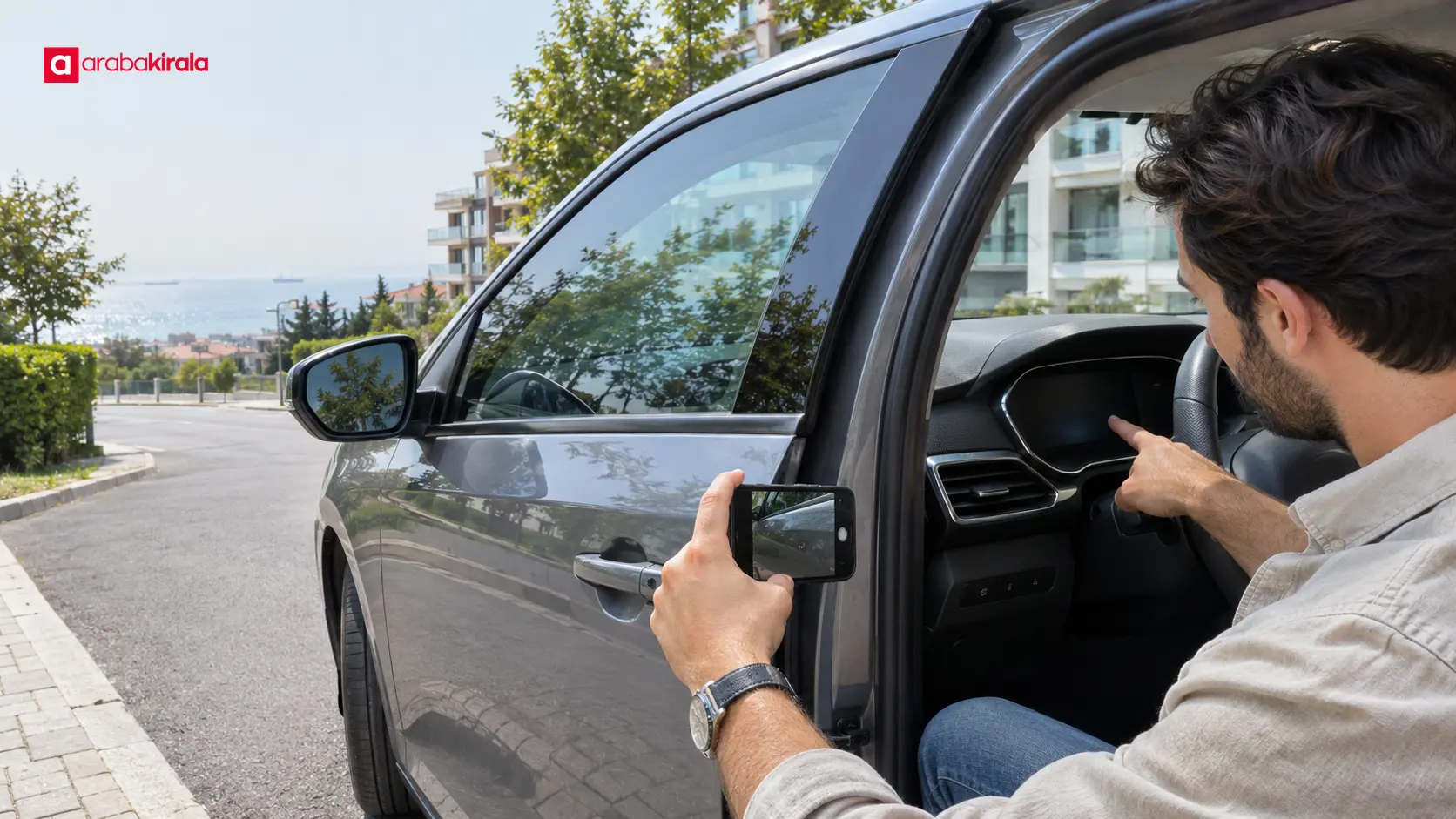
At handover, check for existing marks, the fuel or charge level, and the odometer. Ask how the vehicle condition is recorded and report any discrepancy at the time of collection. At return, records of the same items can help compare the vehicle’s condition with the initial handover. The odometer’s role here is to show the start and end readings; by itself, it does not establish a specific distance allowance.
If an unexpected delay threatens your return time, do not rush or drive unsafely to meet it. Contact the branch you rented from to ask about the return time and the procedure if you may be late. Extensions, drop-off location, and hours can depend on the booking and branch, so clarify them directly.
A short checklist before setting out
- Group coastal and inland visits by area, and check the actual walking route between nearby destinations.
- Leave time for parking and walking before anything with a fixed appointment time.
- Mark more than one possible parking area, then check availability and conditions when you arrive.
- Confirm collection and return locations, hours, and booking-specific arrangements with the branch.
- Review the vehicle condition and odometer records at collection and return, and report discrepancies promptly.
In short, plan parking in Beylikdüzü around the entire stop: leaving the car, walking to your destination, and returning to it. Arrange coastal visits and inland errands in sensible groups, while leaving a buffer for changing parking conditions. Review your route and possible parking areas before setting out, and clarify booking-specific handover details with the branch you will rent from.
Frequently Asked Questions
How should I allow time for parking during a coastal visit in Beylikdüzü?
Include the time to find a space, walk to the waterfront or other destination, and return to the car, in addition to the time you expect to spend there. Leave a buffer before your next fixed appointment in case the visit or parking takes longer.
Should I move the rental car for every inland address?
That depends on the walking distance, parking conditions, and whether there is a safe pedestrian route. Check walking directions and group close destinations where practical; plan a separate stop for addresses that are far apart or difficult to reach on foot.
How can I tell whether a parking place is free or allows an all-day stay?
Do not assume a district-wide rule. Check the signs and payment or time-limit information at the parking area. If the conditions are unclear, confirm the current details with the operator or an appropriate local information channel.
Why should I check the odometer on a rental car?
The readings recorded at collection and return help show the vehicle’s use between those two handovers. Ask the branch how to note a discrepancy in the handover record; do not infer a distance limit from the odometer alone.
Can I return the rental car late if my schedule runs over?
Whether an extension or late return is available, and how it is handled, can depend on your reservation and branch. Contact the branch you rented from as soon as a delay becomes likely and confirm the available options and any applicable charges.
Legal Disclaimer: All content, articles and information on the Araba Kirala website are provided solely to inform users. No information shared on this website constitutes definitive advice or guidance. Araba Kirala Teknoloji A.Ş. and its authors cannot be held responsible for any direct or indirect damages arising from the application of information on the website. For all questions and requests regarding car rental, please contact the office from which you will rent your vehicle.












