
Planning Safe Passenger Pickups and Luggage Loading When Renting a Car in Beylikdüzü
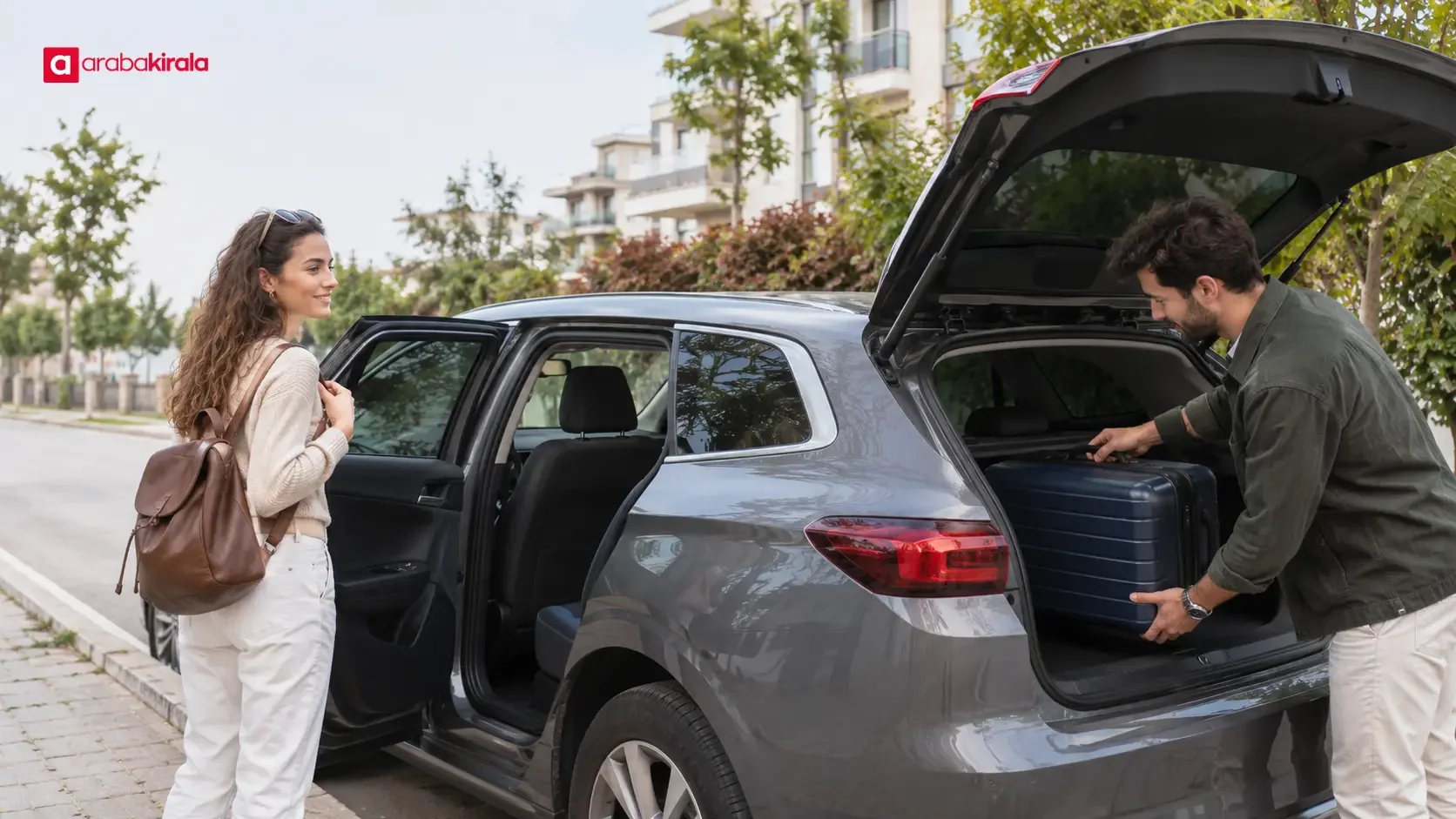
Published: November 3, 2026 • Reading Time: 9 min • Last Updated: November 3, 2026 • Author: Merve B.
Plan where passengers will board and exit, and where luggage will be loaded, before setting out in Beylikdüzü. This guide covers safe stopping, door use, cargo arrangement, and practical checks before driving.
Contents
- Start with passenger and luggage needs
- Choose a safe place for boarding and exiting
- Children and passengers who need mobility support
- Load luggage away from moving traffic
- How does a load affect visibility and passenger space?
- Keep vehicle condition and handover details organized
- Plan the trip flow within Beylikdüzü
- A short checklist before setting off
- Summary: prepare for safe boarding and luggage loading
- Frequently Asked Questions
When planning a Beylikdüzü car rental, think beyond where you will collect the vehicle. Decide where passengers will board and exit, and where luggage can be loaded without standing beside moving traffic. This guide explains how to choose a safe stopping point, use doors carefully, arrange and secure luggage, and organize the vehicle before departure. A little preparation is especially useful when travelling with several passengers, children, someone with limited mobility, or bulky items.
Start with passenger and luggage needs
The number of passengers matters, but so does what each person is carrying. Suitcases, a stroller, a folded wheelchair, sports gear, and everyday bags take up space in different ways. Before booking, estimate both the passenger count and the size of larger items. This helps you assess whether a vehicle category suits the trip instead of relying on seat count alone. The shape of the cargo area, the way the rear seats fold, and the height of the loading sill can all affect convenience.
A stated luggage capacity does not by itself guarantee that your items will fit safely. The shape and weight of each item, plus the space needed by passengers, also matter. Avoid stacking luggage so high that it blocks the rear window. Do not leave heavy or hard objects loose in the passenger compartment, where they could move during sudden braking. Ask the branch you plan to rent from which vehicle type is available and whether its cargo layout suits your needs. If you have a special item such as a wheelchair or stroller, share its folded dimensions and loading requirements in advance.
Choose a safe place for boarding and exiting
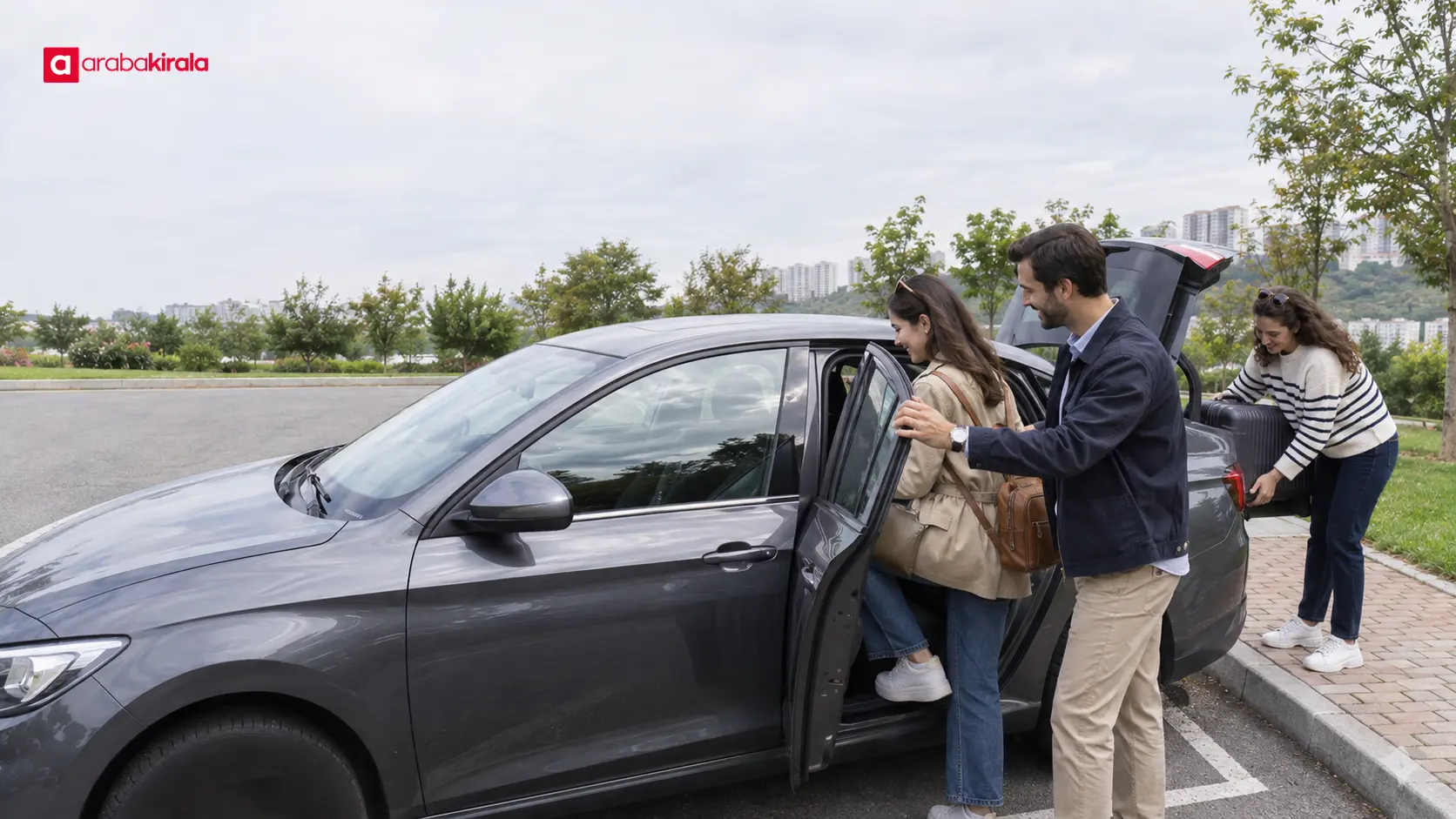
Where the car stops affects how passengers can use its doors. Whenever possible, stop on level ground in a visible place outside the flow of traffic. A junction entrance, crosswalk, cycle lane, narrow passage, or improvised stop beside moving vehicles can put passengers at risk and impede other road users. If the roadside is unsuitable, do not rush to let someone out there; move to a safer stopping area first.
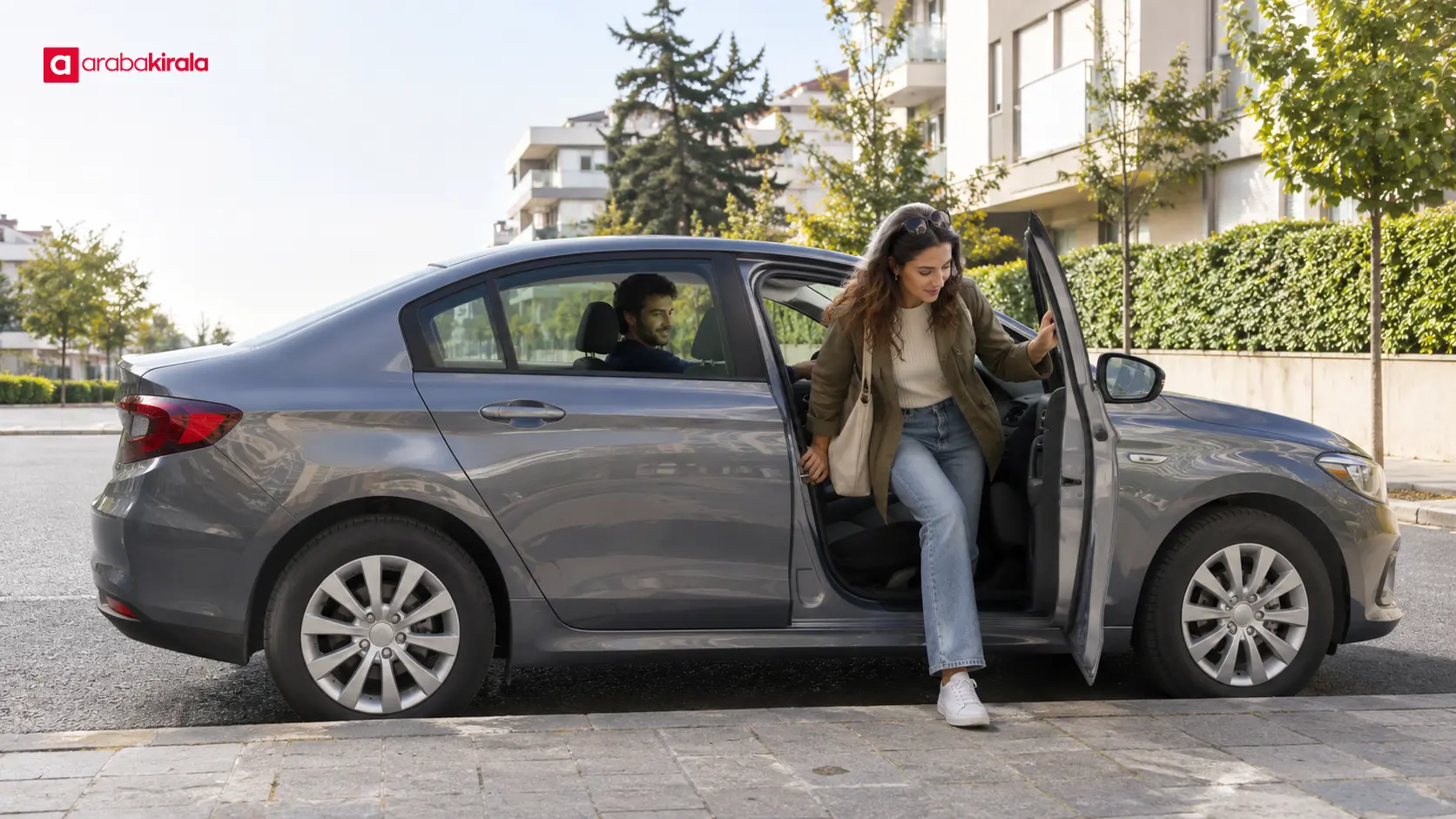
When available, use the doors on the curb side. Before opening a door, check for cyclists, motorcyclists, pedestrians, and approaching vehicles. Passengers should look around and open the door in a controlled way rather than swinging it open at once. The driver can keep everyone from moving toward the doors simultaneously by choosing the stopping point first and then coordinating exits. If visibility around the car is limited, do not rely on children or passengers with restricted mobility to open a door without assistance.
Children and passengers who need mobility support
Children should board and leave the vehicle under adult supervision. If a child would have to exit on the traffic side, find a safer place to stop instead of trying to manage the exit beside moving traffic. Follow the instructions supplied by the child-seat and vehicle manufacturers for choosing, installing, and using a restraint. A single age or height cutoff should not be assumed for every setup. Before rental, ask the branch whether the equipment you need is available and who is responsible for fitting it.
For an older passenger, a pregnant passenger, or someone with limited mobility, the distance to the car and the amount of door clearance can matter. Position the vehicle on level ground where the boarding space is not obstructed. Do not ask someone to get into the car while carrying several items; stow the bags safely first, then provide assistance. Using suitable handholds can help avoid placing weight on door edges or moving parts. If support needs affect your vehicle choice, discuss them with the rental branch in advance.
Load luggage away from moving traffic
Before opening the trunk, make sure the car is fully stopped in a safe location. If possible, load from a curb or within a parking area, away from traffic. If you are beside a narrow or busy road, wait until you can reach a suitable place to unload and load. Remember that an open trunk can reduce visibility around the rear of the car and that other vehicles may approach. Keep passengers from waiting in the loading area while items are being handled.
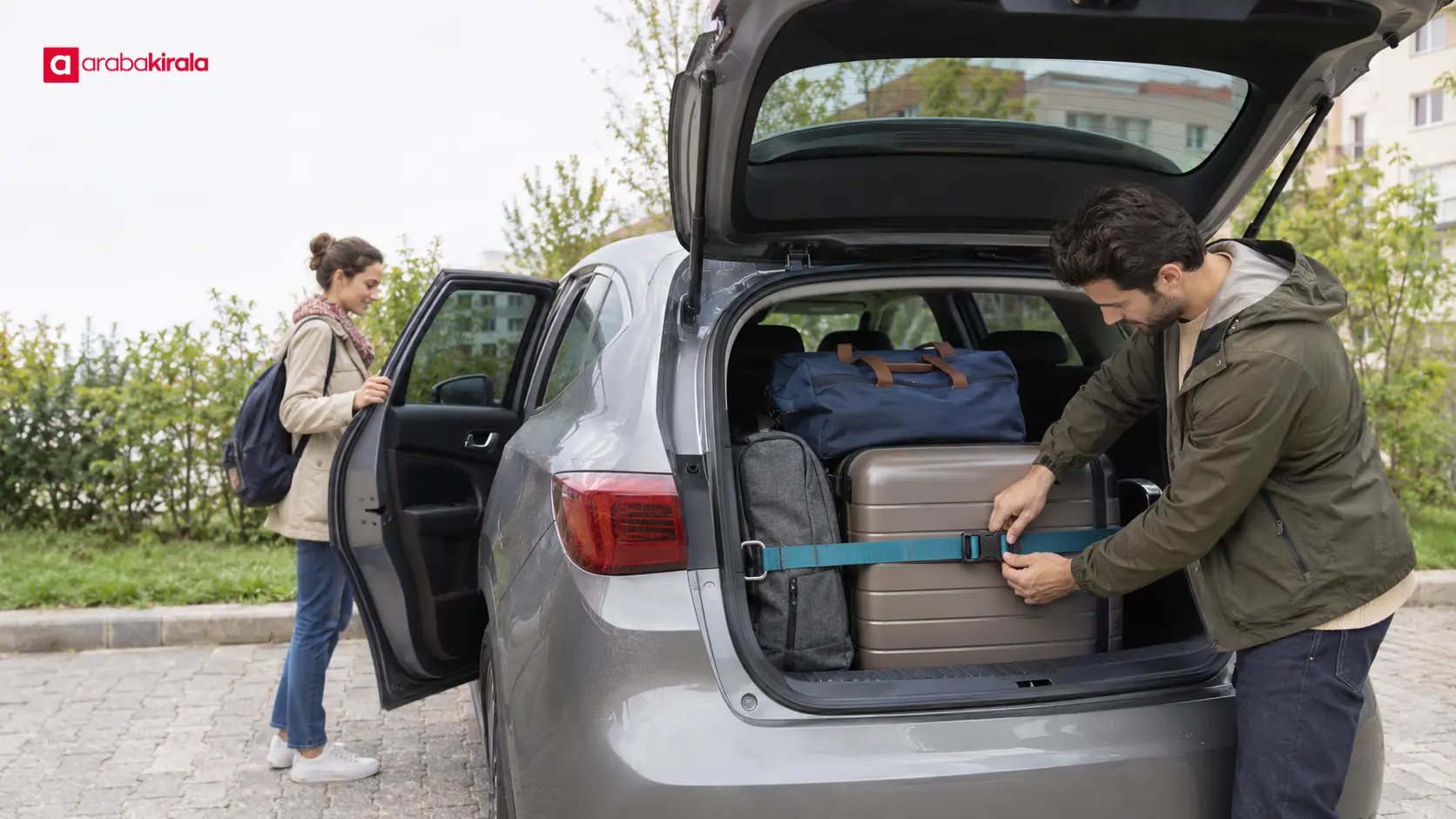
Place heavier items low and toward the front of the cargo area, close to the rear seatbacks, then put lighter bags above them. Pack sharp or fragile items securely. Avoid arrangements that prevent the trunk from closing or allow cargo to shift. If the vehicle has tie-down points or a cargo cover, learn how to use them from the vehicle manual. Do not leave heavy items unsecured in the passenger cabin if the car lacks suitable cargo restraints.
How does a load affect visibility and passenger space?
Keeping a clear view through the rear window is part of safe driving. Do not stack luggage so high that it completely blocks the view through the mirror. If the rear view is obstructed, consult the vehicle manual about the available mirrors and visibility arrangements; do not set off with a load that prevents the driver from observing the surroundings. Also make sure luggage does not block access to seat belts, door handles, or exits that may be needed in an emergency.
Bags in the passenger area should not restrict legroom or interfere with the driver’s access to the steering wheel, pedals, or gear selector. Even small hard objects can move during braking. Put them in a closed compartment or another secure place. Before leaving, check that the trunk is shut, any folded rear seats are locked into position, and the load does not rattle or slide.
Keep vehicle condition and handover details organized
Inspecting the vehicle exterior and cargo area at pickup helps establish its condition before loading begins. Point out visible marks on the body or interior during the handover and ask how they should be recorded. If you take photos, make the location and nature of a mark clear, without unnecessarily capturing personal information or bystanders. You can also ask how the odometer reading is recorded at pickup and return. This is a practical check to keep starting and ending records clear, not a claim about a universal mileage allowance.
Before taking the keys, learn how the trunk opens and closes, how the rear seats fold, and where any cargo anchors are. If you notice a warning light, a door that does not work properly, or visible damage, report it before driving away. Follow the safety directions in the vehicle manual. Ask the branch you rent from how to record a condition issue and how to report a problem noticed later.
Plan the trip flow within Beylikdüzü
Choose passenger pickup and drop-off points before starting the trip. If there are several addresses, plan locations where a vehicle can stop safely instead of pulling up at each passenger’s exact position without checking. Enter destinations into navigation before driving. If a passenger helps with route changes, arrange communication so it does not distract the driver. At a busy pickup point, telling passengers clearly where to meet can reduce roadside waiting and last-minute manoeuvres.
If you are going to a location with its own access arrangements, such as an airport, hotel, residential complex, or event venue, check its rules for vehicle access and passenger drop-off with the venue. Do not assume that stopping at every entrance or loading luggage at the door is permitted. Details tied to the reservation, such as pickup time, vehicle return time, or leaving the vehicle at another location, should also be confirmed directly with the rental branch. These arrangements can vary by location.
A short checklist before setting off
- Passengers and belongings: Estimate seat and cargo needs, including the dimensions of special equipment.
- Stopping point: Choose a place that does not obstruct traffic and allows doors to open safely.
- Cargo placement: Put heavier items low and forward, and secure the load.
- Visibility and access: Keep windows, mirrors, seat belts, doors, and driving controls clear.
- Vehicle familiarization: Check the trunk, seat arrangement, and condition record before moving.
- Branch-specific details: Get definite information about vehicle type, equipment, and handover from the branch you will use.
Summary: prepare for safe boarding and luggage loading
A safe trip begins with decisions about stopping and loading, before everyone is settled in the car. For a Beylikdüzü car rental, confirm passenger numbers and luggage needs, plan suitable stopping points, use the curb side for boarding where practical, and arrange and secure luggage so it does not compromise visibility or passenger space. Check that seat belts and driving controls remain accessible. For a vehicle or equipment detail specific to your reservation, contact the branch you plan to rent from. These simple steps help you begin the trip in an orderly and controlled way.
Frequently Asked Questions
How should I assess luggage capacity for a Beylikdüzü car rental?
Consider passenger numbers together with the approximate dimensions of larger items. Seat count or a listed cargo volume may not tell the whole story: the opening, loading sill, and shape of your luggage also matter. Confirm the vehicle type that fits your needs with the branch you plan to use.
Where is it safer to stop when letting a passenger out?
Choose a visible area outside the traffic flow where a door can open safely. A crosswalk, junction entrance, cycle lane, or roadside beside moving traffic is not a suitable loading point. If no safe place is available, continue to a better stopping area before letting the passenger out.
Is it unsafe to carry luggage on the rear seat?
Items carried in the passenger area must not block an occupant’s space, seat belt, or the driver’s controls, and they should be secured against movement during braking. Heavy or hard luggage left loose on a seat can be hazardous. Use the cargo area when possible.
Can I install a child seat in a rental car myself?
Follow the instructions from both the child-seat and vehicle manufacturers. Ask the branch in advance whether the equipment you need is available and compatible with the vehicle; do not assume a universal cutoff or fitting method. Check the connections against the instructions before travelling.
What should I check in the cargo area at pickup?
Check that the trunk works, note visible damage or dirt, confirm that the rear seats lock into place, and see whether cargo tie-down points are present. Ask how to add a condition issue to the handover record. Inspecting before loading helps avoid confusion later.
Can I drop off passengers and return the car outside branch hours?
Do not assume that the same arrangement applies at every location. Confirm the return time, location, and key handover method for your reservation with the branch you plan to use; do not rely on an unconfirmed process.
Legal Disclaimer: All content, articles and information on the Araba Kirala website are provided solely to inform users. No information shared on this website constitutes definitive advice or guidance. Araba Kirala Teknoloji A.Ş. and its authors cannot be held responsible for any direct or indirect damages arising from the application of information on the website. For all questions and requests regarding car rental, please contact the office from which you will rent your vehicle.












