
How to Plan a Visit to Troy Museum and the Ancient City by Car
Published: November 3, 2026 • Reading Time: 8 min • Last Updated: November 3, 2026 • Author: Merve B.
A practical guide to planning a drive to Troy Museum and the ancient city, with route, timing, walking preparation, vehicle checks, and questions to confirm before renting.
Contents
- Start with the purpose and timing of your visit
- Plan the drive and route realistically
- How much time should you allow?
- Make the museum and archaeological site work together
- Prepare for outdoor conditions
- Rental vehicle checks before setting out
- Drive safely and keep the day manageable
- A practical pre-departure checklist
- Summary: the next step for a well-planned Troy day
- Frequently Asked Questions
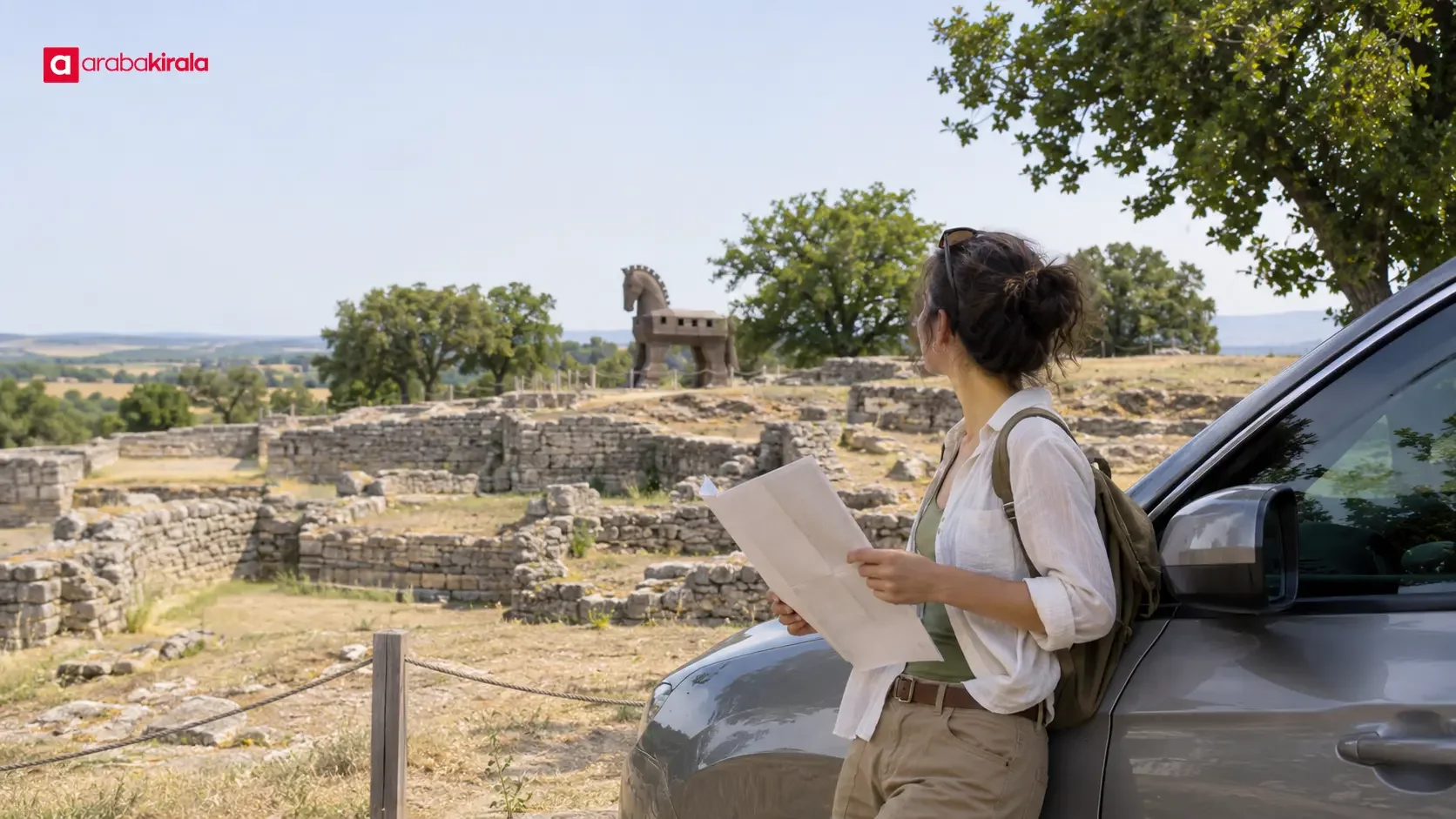
Planning a Çanakkale Troy visit by car means considering the road journey, the museum, and time outdoors at the archaeological site as parts of one day. This guide explains how to check current visitor information, build a realistic route and schedule, prepare for walking across an open archaeological area, and review the rental details that can affect your trip. It is designed to help you arrive informed and leave room for the visit itself.

Start with the purpose and timing of your visit
Troy Museum and the ancient city offer related but distinct experiences. The museum presents archaeological finds and interpretive displays; the ancient city lets visitors see the wider setting and remains in an outdoor landscape. Seeing both provides a fuller context, so avoid treating one as a quick substitute for the other. Decide what interests you most, then allocate separate time for indoor exhibits and outdoor walking.
Before setting a departure time, check the official visitor information for current opening hours, entry arrangements, ticketing, temporary closures, and special notices. These details can change with season or operational needs. Do not rely on an older travel article as a current schedule. Check again close to the visit date so that your route and daily plan reflect the information available at that time.
Plan the drive and route realistically
Your travel time depends on where you begin, traffic, road conditions, weather, and any connections involved in reaching Çanakkale. Treat a navigation estimate as a guide rather than a guaranteed arrival time. Add time for stops, parking, walking to the entrance, and getting oriented. If you are also visiting places in central Çanakkale on the same day, include the time needed to leave and return to the city.
Review the main route on a map before leaving. Knowing the general direction and available connections can make navigation less stressful, but avoid choosing unfamiliar shortcuts solely because an app shows a shorter estimate. Mobile coverage or battery power may be unreliable. Charge your phone, secure it in a suitable mount, and set navigation before driving. If you need to change the route or check directions, pull over somewhere safe and permitted first.
How much time should you allow?
There is no single visit duration that suits every traveler. The time depends on how closely you study the museum displays, how far you walk outdoors, visitor flow, weather, and how often you take breaks. If you want to see both places without rushing, leave a transition and rest period between them. A tightly packed schedule can make it difficult to respond to a delay or spend more time on an exhibit that matters to you.
Some visitors may prefer to start indoors and continue to the open site, while others may choose the order that best fits the current hours and weather. Use the official schedule and forecast for your date to decide. Heat, wind, or rain can affect comfort on exposed paths. Since forecasts can change, make a final clothing and break plan close to departure.
Make the museum and archaeological site work together
The museum can help you understand objects and historical context before you encounter the remains outdoors. Take time to read the interpretation that interests you, then look for connections to the landscape and archaeological features during the site visit. Keeping separate time for each setting avoids rushing through the museum or arriving at the open site with too little energy.
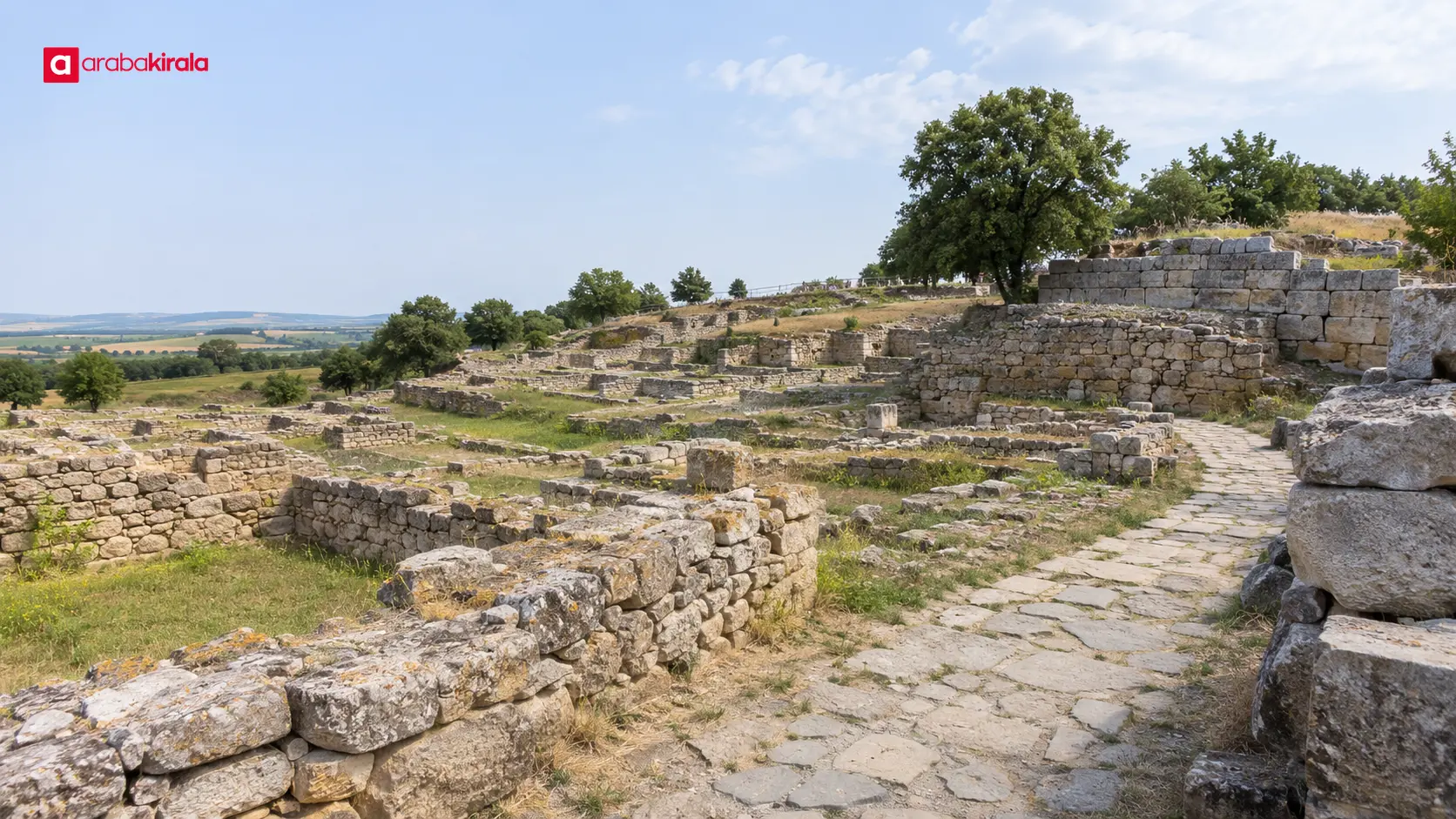
The archaeological area is outdoors, and surfaces may be uneven, stony, or sloped. Wear comfortable shoes with dependable grip and carry items in a way that leaves your hands free. Follow the designated visitor route. Do not climb on remains, move stones, or disturb finds. These choices help protect the heritage and reduce the chance of losing your footing. Follow current visitor instructions posted by the responsible cultural authority.
Prepare for outdoor conditions
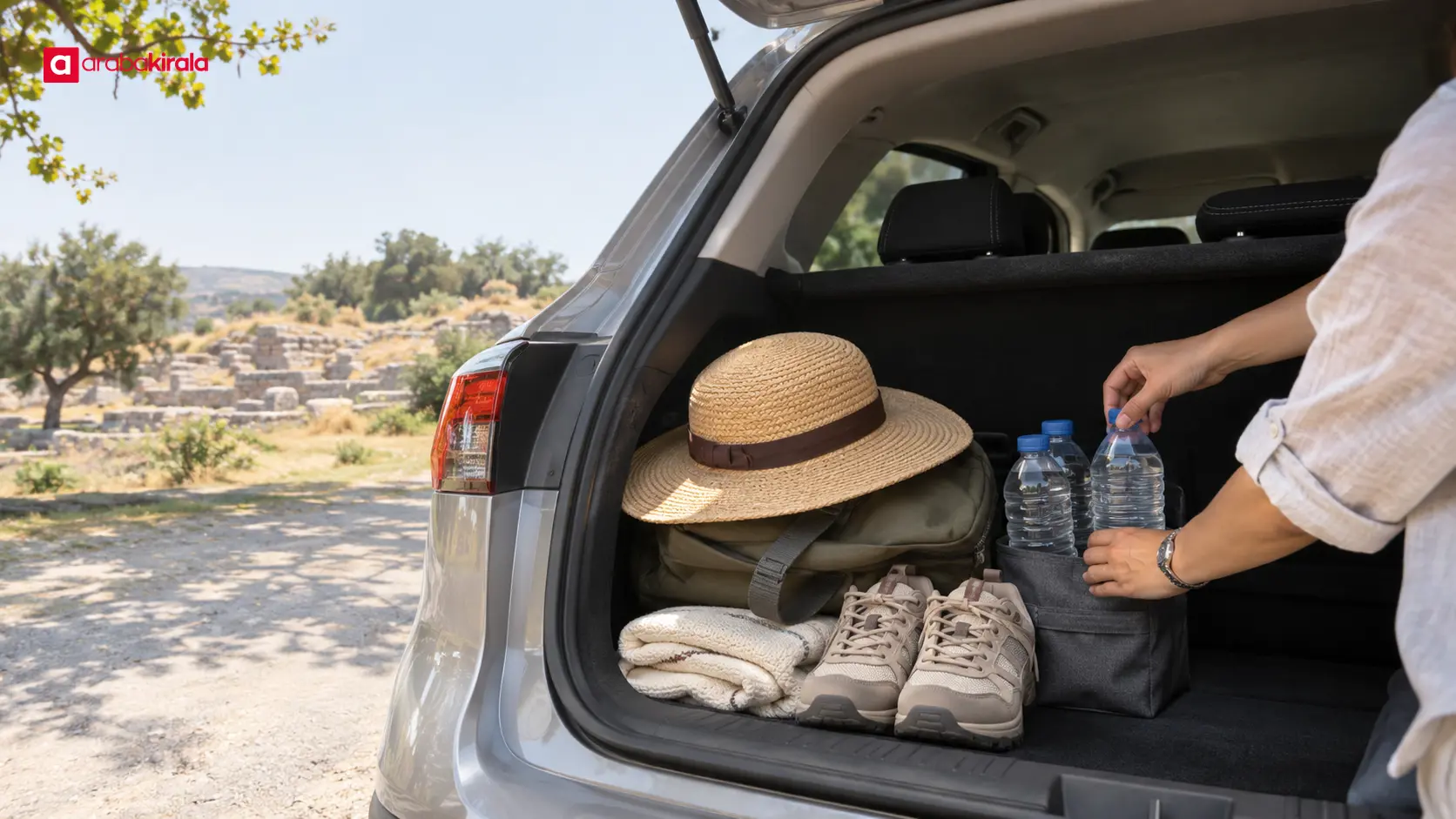
Plan for sun, wind, or rain according to the season and the latest forecast. Bring water, consider a hat and protective clothing in sunny weather, and allow time to rest. In hot conditions, you may prefer to do the longest outdoor portion during a cooler part of the day, subject to current opening arrangements. If rain is possible, choose footwear with the ground in mind and allow extra care on potentially slippery surfaces.
If you are traveling with children, have limited mobility, or need specific access arrangements, check the suitability of routes and facilities with official visitor information in advance. Do not assume that every path or section has the same level of accessibility. Describing your needs clearly can help you shape a realistic route and break schedule.
Rental vehicle checks before setting out
When collecting a rental car, inspect the exterior and interior in good light. Compare visible scratches, dents, and other existing conditions with the handover record. Point out any discrepancy before driving away. Check that the recorded fuel or charge level and odometer reading match the vehicle, and review the equipment provided. If the vehicle is unfamiliar, take a moment to understand the basic controls and warning indicators before joining the road.
Read the documents that apply to your reservation and handover. Details worth checking include pickup and return location and time, fuel arrangements, mileage terms, driver arrangements, and the process for reporting vehicle damage. These are reservation- or office-specific details, so do not assume a universal industry rule. Ask the branch where you will collect the car to explain anything unclear. This check helps you know what applies to your booking without presuming a particular term.
Drive safely and keep the day manageable
Adjust the seat and mirrors before moving, fasten your seat belt, and check that passengers are wearing theirs. Follow road signs, speed limits, and conditions. Take a break if fatigue affects your attention; do not continue driving while too tired to do so safely. Phone use, route changes, or searching for items can distract you, so handle them only after stopping in a safe place.
Lock the vehicle when parked and keep valuables out of sight. Confirm current parking and visitor access information through official site guidance rather than assuming arrangements are identical on every date. Before returning the car, check the fuel or charge and odometer records against the handover and rental documents. Confirm the return place and time with the collecting office before the trip begins.
A practical pre-departure checklist
- Visitor information: Check official opening hours, entry arrangements, and notices for the museum and archaeological site.
- Route: Review the main route and recheck road and weather conditions on departure day.
- Timing: Leave room for driving, parking, entry, transitions between sites, and breaks.
- Walking gear: Prepare comfortable shoes, weather-appropriate clothing, water, and a charged phone.
- Vehicle record: Compare the car’s condition and dashboard readings with the handover documents.
- Office-specific terms: Confirm reservation, pickup, and return details with the branch you will use.
Summary: the next step for a well-planned Troy day
A car visit to Troy is easier to manage when you verify current visitor information, allow realistic driving and walking time, and treat the museum and outdoor archaeological site as complementary stops. Prepare for the ground and weather, follow visitor routes, and protect the remains. For the vehicle, use the documents for your own reservation instead of relying on broad assumptions about rental arrangements.
Choose your visit date, check official museum and site notices, and review the route on a map. If you are renting a vehicle, confirm the details that affect your trip with the branch handling your pickup. With those steps complete, you can focus on the exhibits, the landscape, and the historical context that make the visit worthwhile.
Frequently Asked Questions
Are Troy Museum and the ancient city in the same place?
They are connected parts of a Troy visit but serve different purposes: the museum focuses on objects and interpretation, while the ancient city is an outdoor archaeological area. If you want to see both, check official visitor information for entry arrangements and allow time for the transition.
Can you visit Troy by car in one day?
That depends on your starting point, how long you spend in each area, and whether you have other stops planned. Give the museum and open site separate time, and include driving, rest, and transition periods. Use current official opening information to shape the day.
What should I wear for walking around the ancient city?
Choose comfortable shoes with good grip because paths may be uneven or stony. Check the weather and dress for sun, wind, or rain; bring water and plan breaks. Staying on designated paths and avoiding the remains supports both visitor safety and site conservation.
What rental car details should I confirm before the trip?
Review the pickup and return place and time, fuel arrangements, mileage terms, driver arrangements, and damage reporting process in your reservation documents. These details can vary by booking and office, so ask the branch where you will collect the vehicle about anything unclear.
Where can I check current opening and entry information?
Use official cultural authority information for Troy Museum and the archaeological site, and check it close to your visit date. Hours, entry arrangements, and temporary notices may change, so an older travel post should not be treated as confirmation.
Legal Disclaimer: All content, articles and information on the Araba Kirala website are provided solely to inform users. No information shared on this website constitutes definitive advice or guidance. Araba Kirala Teknoloji A.Ş. and its authors cannot be held responsible for any direct or indirect damages arising from the application of information on the website. For all questions and requests regarding car rental, please contact the office from which you will rent your vehicle.












