When Is a No-Claims Discount on Car Insurance Preserved or Affected?

Published: November 2, 2026 • Reading Time: 7 min • Last Updated: November 2, 2026 • Author: Merve B.
Learn how a no-claims discount works, what claim and policy changes may affect it, and what to check before renewal.
Contents
- What is a no-claims discount?
- What may affect the discount?
- A claim paid under the policy
- An incident where another party is considered responsible
- Reporting, repairing, and closing a claim
- Renewal and changes to policy information
- Do not confuse the discount with the renewal premium
- Practical steps after an incident
- Renewal checklist
- An important distinction: comprehensive and compulsory motor insurance
- Conclusion: verify the discount in the documents
- Frequently Asked Questions
Understanding no-claims discount conditions can help you make sense of your car insurance renewal. This guide explains what the discount represents, how a claim or policy change may influence the assessment, and which details to compare in a new quote. The outcome depends on the type of policy, its wording, the claim circumstances, and the insurer’s rating method. Do not assume that a particular claim will always preserve or remove a discount.
What is a no-claims discount?
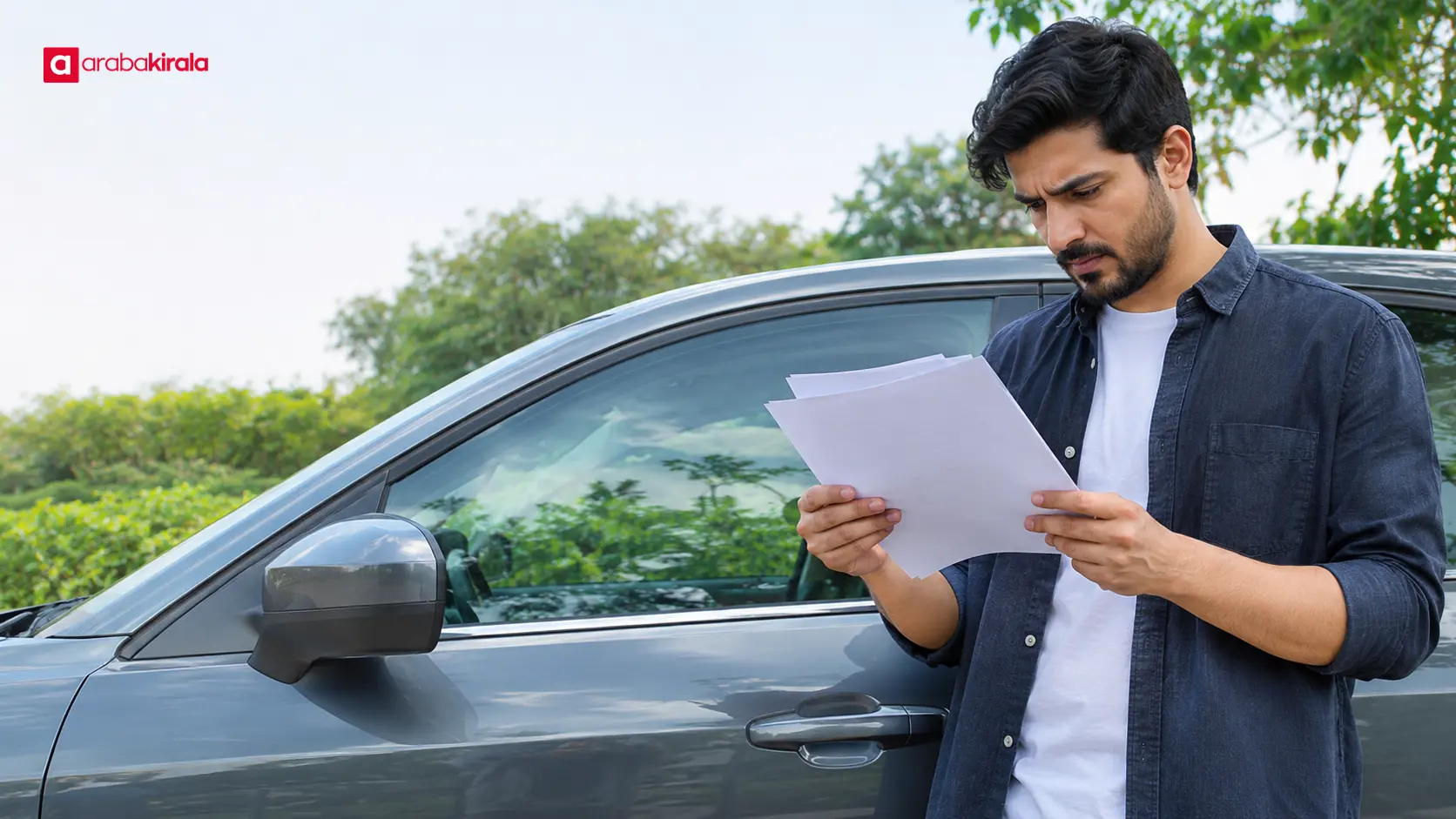
A no-claims discount is generally a pricing adjustment made at renewal, based on claim experience recorded during earlier policy periods. It does not mean that the driver is free of risk. It is one part of a premium calculation using policy history and the applicable rating structure. The product to which the discount applies and the way it is calculated can vary by policy.
It is not accurate to reduce the subject to “I have not had an accident, so my discount cannot change.” An insurer may consider the nature of a reported event, whether a payment was made, how responsibility was assessed, and the discount structure set out in the policy. The discount and coverage are separate concepts: the discount affects the premium calculation, while coverage describes which risks are insured and within what limits.
What may affect the discount?
A claim paid under the policy
A payment following a claim may lead the insurer to review the claim history at renewal. The extent of any effect cannot be determined from the fact of payment alone. The type of claim, the policy’s no-claims provisions, and the applicable rating method matter. Even for damage that appears minor, ask the insurer how reporting the event and any potential payment could be reflected in the renewal premium before deciding how to proceed.
An incident where another party is considered responsible
A finding that another party was responsible does not guarantee the same outcome under every policy. The responsibility assessment, the policy from which compensation is paid, and the definition of the discount all need to be considered together. Avoid treating your own view of fault as a final decision. Ask the insurer how the claim outcome is recorded and whether it affects your renewal.
Reporting, repairing, and closing a claim
Reporting an incident, opening a file, requesting a repair, and receiving a payment are distinct steps. A file being opened is not necessarily the same as compensation being paid; the recorded outcome matters. After an incident, follow the notification process stated in your policy, keep relevant documents, and track the claim’s status. Do not guess about the consequences of a late or missing notification. Check the policy wording and the insurer’s instructions.
Renewal and changes to policy information
Changes to the vehicle, policyholder, or stated use may matter during renewal. How claim history transfers to a new policy and which details are used may vary. If the vehicle is replaced, the policy is renewed, or policyholder information changes, confirm whose record the discount is attached to and which vehicle it applies to. Do not assume that an old percentage will automatically appear on a new policy.
Do not confuse the discount with the renewal premium
Keeping a no-claims discount does not mean the total premium must stay the same. The premium may also reflect selected cover, vehicle and use details, current rating, and policy terms. The amount due can therefore change even if the discount percentage does not. In the same way, a different premium by itself does not prove that the discount has been removed.
When reviewing a renewal quote, look beyond the total price. Compare the label, percentage, or level used for the discount; the cover and limits; deductibles; additional services; and payment schedule. Make sure the cover and policy period are comparable before drawing conclusions. If a difference is unclear, ask the insurer to explain the relevant line items.

Practical steps after an incident
- Prioritize everyone’s safety and contact the relevant emergency services when needed. Do not move or use a vehicle in a way that creates a safety risk.
- Check the notification channel and any requested timing or documents in your own policy promptly. Treat these details as policy-specific rather than assuming a general deadline applies.
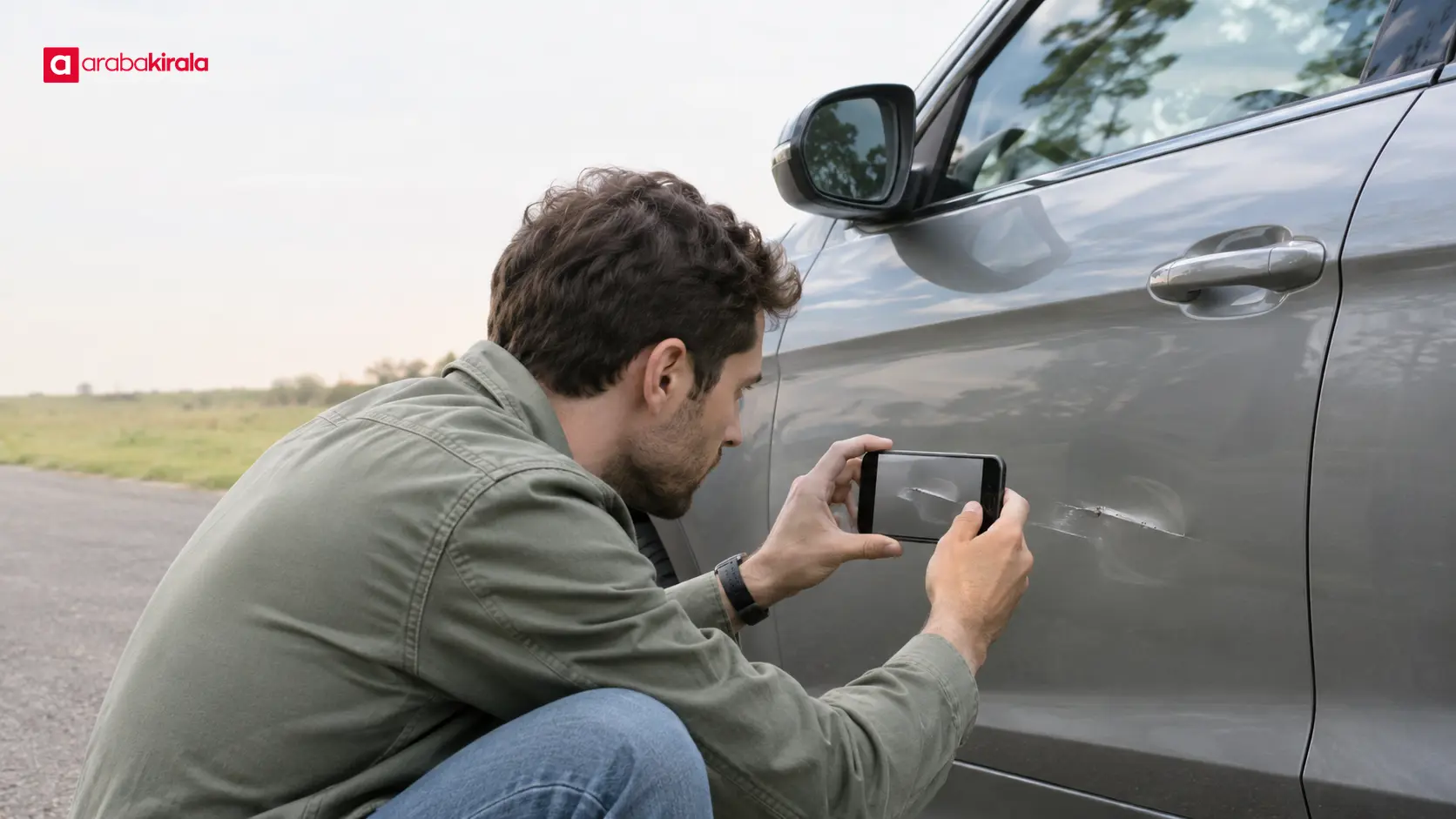
- Keep an organized record of the date, location, vehicle condition, and available documentation. Take photographs only from a safe position and avoid creating traffic or privacy risks.
- Record the claim reference, requested documents, and the insurer’s responses. When the file is resolved, confirm whether a payment was made and the basis for the decision.
- As renewal approaches, ask separately how the claim affected the discount level and how the discount appears in the new quote.
Renewal checklist
Reviewing these points before accepting a new policy can help you interpret the discount accurately:
- Ask which policy periods and records were used to calculate the discount.
- Check the outcome of your claim files and how each one was reflected in the renewal offer.
- Compare the discount percentage or level with the previous policy and request an explanation for any difference.
- Review which covers and additional items make up the total premium. Assess the discount and premium amount separately.
- If the policyholder or vehicle has changed, confirm how the history is reflected in the new record.
- If a no-claims protection, exception, or add-on is mentioned, check whether it is clearly written into the policy rather than relying on a verbal explanation.
Instead of asking only “Is my discount preserved?”, ask which claim file was applied to which renewal record, why a percentage or level changed, and what discount amount is included in the premium calculation. This makes the difference between the discount and total price easier to understand. Compare the answers with the quote and renewal documents.
An important distinction: comprehensive and compulsory motor insurance
The term no-claims discount can be applied differently across insurance products. Comprehensive cover and compulsory third-party motor insurance have different purposes and coverage structures; do not assume that a discount in one policy transfers unchanged to the other. Identify the policy type and claim reference when asking the insurer which renewal calculation a particular claim affects.
This is general information. A definite outcome requires reviewing the wording of the current policy, the claim decision, and the renewal calculation together. When renting a car, any insurance or protection included in the rental is a separate matter. Before collecting the vehicle, ask the branch you will rent from what protection applies, what deductibles apply, and how damage must be reported. That information does not automatically determine the status of a no-claims discount on your personal vehicle.
Conclusion: verify the discount in the documents
A no-claims discount is assessed using claim history, policy provisions, and the renewal calculation together. A report or payment does not produce the same result under every policy, and the total premium may change even if the discount continues. The most useful step is to verify the outcome of each claim and the discount line in the renewal quote separately, then obtain an explanation for any difference. Before renewal, review the policy, claim records, and new offer side by side.
Frequently Asked Questions
Does reporting a claim automatically remove the discount?
No. Reporting alone does not lead to the same result under every policy. The claim outcome, any payment, and the policy’s no-claims provisions are considered together. Ask the insurer how your particular file is treated at renewal.
If the other party is at fault, is the discount definitely preserved?
Do not assume a definite outcome. The responsibility assessment, the record from which compensation is paid, and the policy’s method may all matter. Once the claim decision is available, ask the insurer to explain its effect on renewal.
Why might the premium rise while the discount stays the same?
The discount is only one part of the premium calculation. Other factors, such as cover, vehicle details, and the applicable rating, may change the total. Check the discount level and the premium for the selected cover separately.
Does a no-claims discount transfer to a new vehicle or policyholder?
That depends on the policy records and the insurer’s process. If the vehicle or policyholder changes, give the insurer the old and new record details and ask how the discount history will be handled.
Can damage to a rental car affect the discount on my personal car insurance?
A rental vehicle damage claim is handled under the rental agreement and protection arrangements in effect; do not assume how it relates to your personal policy. Before collection, ask the branch you will rent from about the applicable cover, deductibles, and reporting steps, and check with your own insurer about your personal policy.
Legal Disclaimer: All content, articles and information on the Araba Kirala website are provided solely to inform users. No information shared on this website constitutes definitive advice or guidance. Araba Kirala Teknoloji A.Ş. and its authors cannot be held responsible for any direct or indirect damages arising from the application of information on the website. For all questions and requests regarding car rental, please contact the office from which you will rent your vehicle.