What Is a Car Rental Service? A Practical Guide

Published: November 7, 2026 • Reading Time: 8 min • Last Updated: November 7, 2026 • Author: Merve B.
Contents
- What does a car rental service include?
- When can renting a car be useful?
- How the rental process works
- 1. Set your travel plan
- 2. Review the booking and terms
- 3. Inspect the vehicle at pickup
- 4. Use and return the vehicle
- What should you review in the rental agreement?
- Vehicle category, location, and planning
- Understanding charges and optional services
- Practical preparation for safe use
- Summary and next step
- Frequently Asked Questions
A car rental service gives you temporary use of a vehicle for an agreed period without buying one. This guide explains how the service works, what happens between booking, pickup, driving, and return, and which details to review in your reservation. It also helps you distinguish general preparation from branch specific terms you should confirm before traveling.

What does a car rental service include?
In a typical rental arrangement, the customer and provider agree on a vehicle or vehicle category, a period of use, and the conditions that govern pickup and return. The customer uses the vehicle during that period and follows the terms in the booking and rental documents. Unlike buying a car, renting provides temporary use rather than ownership.
People may also describe this service as vehicle hire or simply as renting a car. The duration, vehicle category, location, and included services can vary. A term that applies to one reservation or branch should not be assumed to apply everywhere. Review the information attached to your own booking and ask the selected location to explain anything unclear.
When can renting a car be useful?
Renting may suit a short city stay, a trip in another region, a work visit, or a period when your usual vehicle is unavailable. Start by considering when you need a vehicle, where you will travel, and how often you expect to drive. That helps you decide whether a rental is practical for the whole trip or only for particular days.
Choose a vehicle category with passengers, luggage, route, and parking in mind. A compact vehicle may be easier to park in crowded areas, while a trip with several passengers may require more seating and luggage room. Do not assume a specific make or model is guaranteed unless your reservation clearly says so; confirm what the branch can provide.
How the rental process works
1. Set your travel plan
Identify your planned pickup and return times, locations, passenger count, and luggage needs. These details help you select an appropriate category and booking period. If your schedule may change, find out in advance how to report a delay or request a change for your particular reservation.
2. Review the booking and terms
Before confirming, check the vehicle category, rental dates, pickup and return locations, and what the quoted amount includes. Optional services and charges depend on the particular booking. Read the displayed terms and ask for clarification instead of relying on assumptions about what every rental includes.
Some details are specific to the branch and reservation. Ask the location where you plan to rent about mileage terms, any deposit or authorization, additional driver registration, driver eligibility, fuel arrangements, and whether after hours return is available. Do not treat any of these as universal conditions.
3. Inspect the vehicle at pickup
At pickup, review the vehicle category, visible damage, fuel level, and dashboard warnings with the staff member. If you see a mark or do not understand an indicator, raise it before leaving and ask for the condition to be recorded. Compare the vehicle details on your documents with the vehicle provided, and keep your rental and contact information accessible.
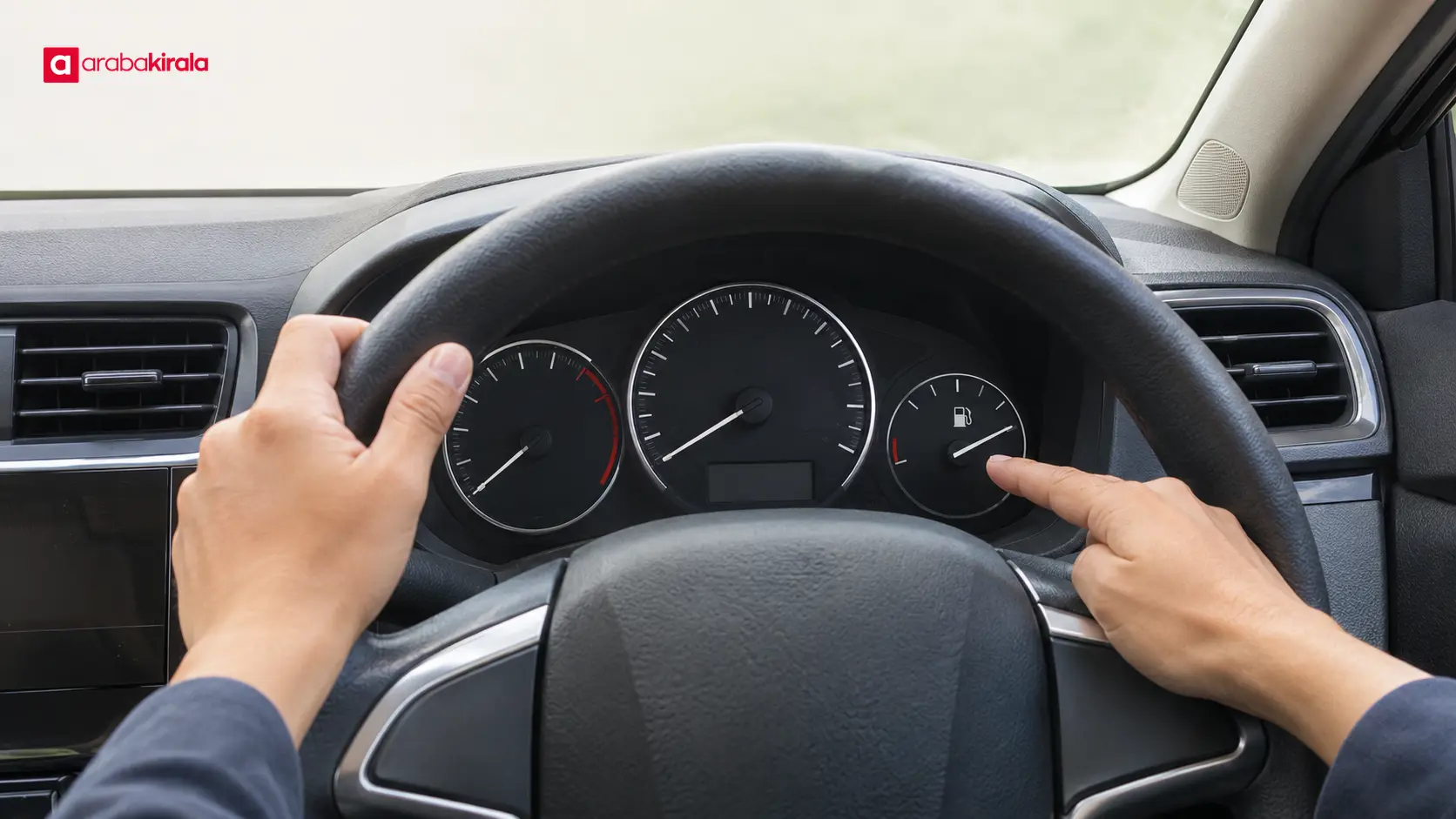
The mileage reading and fuel gauge provide reference points for comparing the pickup and return records. Having the starting readings recorded accurately can make the use period clearer. Take a moment to learn the basic controls, lights, and safety equipment before joining traffic.
4. Use and return the vehicle
Follow road rules, allow only drivers authorized under your reservation to drive, and contact the branch if the vehicle develops a problem. In case of a collision, damage, or warning light, first protect people and the vehicle from further danger. Then use the reporting instructions provided with your rental. Avoid attempting repairs yourself.
Before return, check the agreed location and time. Review the fuel and mileage readings, general condition, and return record. Confirm that the handover has been recorded and keep any related documents. If you need a special arrangement, such as returning when the office is closed, confirm directly with that branch whether it is available and how it works.
What should you review in the rental agreement?
The reservation and agreement describe the service you have accepted. Before completing the booking or signing documents, check that the vehicle category, rental period, pickup and return points, charges, fuel terms, and use conditions are clear. Ask for an explanation of unfamiliar wording. If spoken guidance and the written terms appear different, request clarification before proceeding.
- Are the start and end dates and times correct?
- Do the pickup and return locations match your plan?
- Which services are included in the total, and how are additional items shown?
- If a deposit or authorization applies, how is the process described?
- How do this booking's terms define mileage, fuel, additional drivers, and late return?
- Which contact should you use for a breakdown, collision, or damage, and what steps are required?
This checklist is a way to understand your own booking, not a statement of one company's conditions. Confirm the actual arrangements with the location where you will rent. If pickup and return are planned at different branches, clarify the arrangements for both locations before confirming.
Vehicle category, location, and planning
Think about the vehicle's purpose and the route together. Passenger and luggage capacity can matter for a group, while parking and vehicle size may matter more for frequent city driving. If your route includes winter conditions, long distances, or unpaved roads, ask the branch whether the offered vehicle and equipment suit your planned use.
Location affects timing and logistics. An airport, city center, or neighborhood branch may have different pickup arrangements. Someone searching for a rental near Beylikdüzü, for example, should plan how to reach the pickup point and where the vehicle must be returned, as well as choosing a vehicle. A relevant service or location page on ArabaKirala can help visitors find the right booking area; review the details for the chosen location before reserving.
Understanding charges and optional services
When reviewing the rental price, check what the displayed total covers. The period, vehicle category, location, and optional services may affect the amount, and the final price depends on the reservation. Ask which items are excluded, what payment methods apply, and whether an authorization or deposit is part of your booking.
If you need equipment such as a child seat or navigation device, ask about availability and cost before pickup. Do not assume these items are available at every location or in every vehicle. Choose only services that fit your needs and make sure accepted items appear correctly in the booking details.
Practical preparation for safe use
Before driving, adjust the seat and mirrors, learn the basic dashboard alerts, and secure luggage so it does not obstruct visibility. When using an unfamiliar vehicle, take time while parked to locate the lights, wipers, and gear controls. Set your route before moving and avoid handling a phone while driving.
If a collision or mechanical problem occurs, first make the scene safe for everyone. Then contact the branch using the emergency or support information in your rental documents and follow its directions. If you are asked to record the event, do so only when it is safe and appropriate. The branch can explain the process that applies to your reservation.
Summary and next step
A car rental service provides temporary use of a vehicle, and a clear experience depends on an accurate booking, a careful pickup check, and complete return records. Decide on your travel period, vehicle category, and locations first. Then read the terms, confirm branch specific details, and keep the documents and pickup and return records together.
If you need a vehicle in Beylikdüzü or another location, settle the pickup and return plan before choosing a booking. Review the relevant service information and confirm any remaining location specific details directly with the branch before you travel.

Frequently Asked Questions
What is the main difference between renting and buying a car?
Buying gives you ownership of a vehicle, while renting provides use for an agreed period under the rental terms. Renting can therefore suit a temporary need or a specific trip without purchasing a car.
Will I receive the exact car model I selected?
Check whether your reservation specifies a vehicle category or a particular model. Availability and any model guarantee depend on the booking terms, so confirm what the pickup branch can provide.
What should I inspect before driving away?
Check the vehicle category, visible damage, fuel level, and mileage reading. Raise anything unclear with staff before departure and ask for relevant observations to be included in the pickup record.
Can someone else drive the rental car?
Whether another person may drive and what registration or eligibility requirements apply depend on your reservation. Confirm the arrangement with the rental branch before that person takes the wheel.
What should I do if my return time changes?
Contact the branch as soon as you know your plan has changed. Ask how the change affects the return location, timing, and any charges under your specific reservation.
What should I do if the car breaks down or is damaged?
Make sure everyone is safe and use the contact details in your rental documents to notify the branch. Follow its instructions, avoid attempting repairs yourself, and keep any relevant records.