
Car Wiper Settings: Choosing Speeds and Using Rain Sensors
Published: November 2, 2026 • Reading Time: 7 min • Last Updated: November 2, 2026 • Author: Merve B.
Learn how to choose intermittent and continuous wiper speeds for changing rain, understand automatic rain sensors, and maintain clear visibility.
Contents
- What the wiper settings do
- Choosing a speed for the rain
- Drizzle and light rain
- Steady or moderate rain
- Heavy rain and spray
- How an automatic rain sensor works
- Manual control and automatic mode
- Keeping the wipers effective
- Before driving a rental car
- Frequently Asked Questions
- A quick check before setting off
Car wiper settings control how often water is cleared from the windshield so the driver can see the road. This guide explains when to use intermittent, normal continuous, and faster wiping, how automatic rain sensors assist, and what to check if visibility remains poor. The useful measure is not just how hard it is raining: it is also how quickly water accumulates on the glass and how clearly you can see.
What the wiper settings do
Controls and symbols vary by vehicle. Some cars use a stalk, while others arrange the controls differently. The owner’s manual is the best source for the meaning of the symbols and any adjustment ring in a particular car. In general, wipers offer intermittent operation, a regular continuous speed, and a faster continuous speed. Intermittent wiping pauses between sweeps. Continuous wiping clears the windshield at a steady pace. The faster setting makes more frequent passes when water builds up quickly.
The goal is not to run the wipers as fast as possible. It is to keep the windshield clear without wiping a nearly dry surface unnecessarily or adding distracting movement. A film of water can scatter light from oncoming headlights and make lane markings, pedestrians, and other vehicles harder to see. Increase the wiping rate when visibility falls. If the current setting keeps the glass clear, remain at the lowest setting that is working well.
Choosing a speed for the rain
Drizzle and light rain
In light rain, drops collect slowly. Intermittent wiping may be enough when the entire windshield does not need clearing at every moment. If the pause can be adjusted, choose an interval that clears the glass before water interferes with your view. Shorten the interval if headlights are scattering through the drops or the road is becoming harder to see. “Light rain” does not automatically mean the lowest setting is right: driving speed, spray from the road, and the condition of the glass also matter.
Steady or moderate rain
When rain keeps the glass wet and a layer of water forms between intermittent sweeps, regular continuous wiping is often more useful. After each pass, the road should become clear enough that your view does not noticeably deteriorate before the next one. If it does, increase the speed. Adjust your driving speed and following distance for visibility and road conditions too; a clear windshield does not shorten braking distance on a slippery road.
Heavy rain and spray
Heavy rain or substantial spray from other vehicles may call for the faster continuous setting. Increasing wiper speed alone, however, cannot make every condition safe. If you cannot see the road ahead, reduce speed, leave a safe gap, and consider pulling over at a suitable safe place if conditions make continuing difficult. Interior fog can also obscure your view. Use the vehicle’s defogging and climate controls as described in the owner’s manual.
How an automatic rain sensor works
In a vehicle equipped with a rain sensor, the system detects water in a specific area of the windshield and attempts to adjust the timing of the wipers. The driver usually selects an automatic or sensor mode at the wiper control. Some vehicles also have a ring that changes the sensor’s sensitivity or the preferred wiping response. The exact behavior depends on the vehicle, so check the manual for the symbols and controls.
A sensitivity setting is not a standardized measure of rainfall. The same position can prompt different responses in different vehicles. Dirt, ice, heavy fog, or residue on the glass can affect how well water is detected in the sensor area. If the sensor mode does not keep your view clear, switch to an appropriate manual speed when it is safe to do so. If the wipers respond too often, reduce sensitivity or turn off the sensor mode. Avoid looking down and adjusting controls for an extended time while moving; make changes at a safe moment.
Manual control and automatic mode
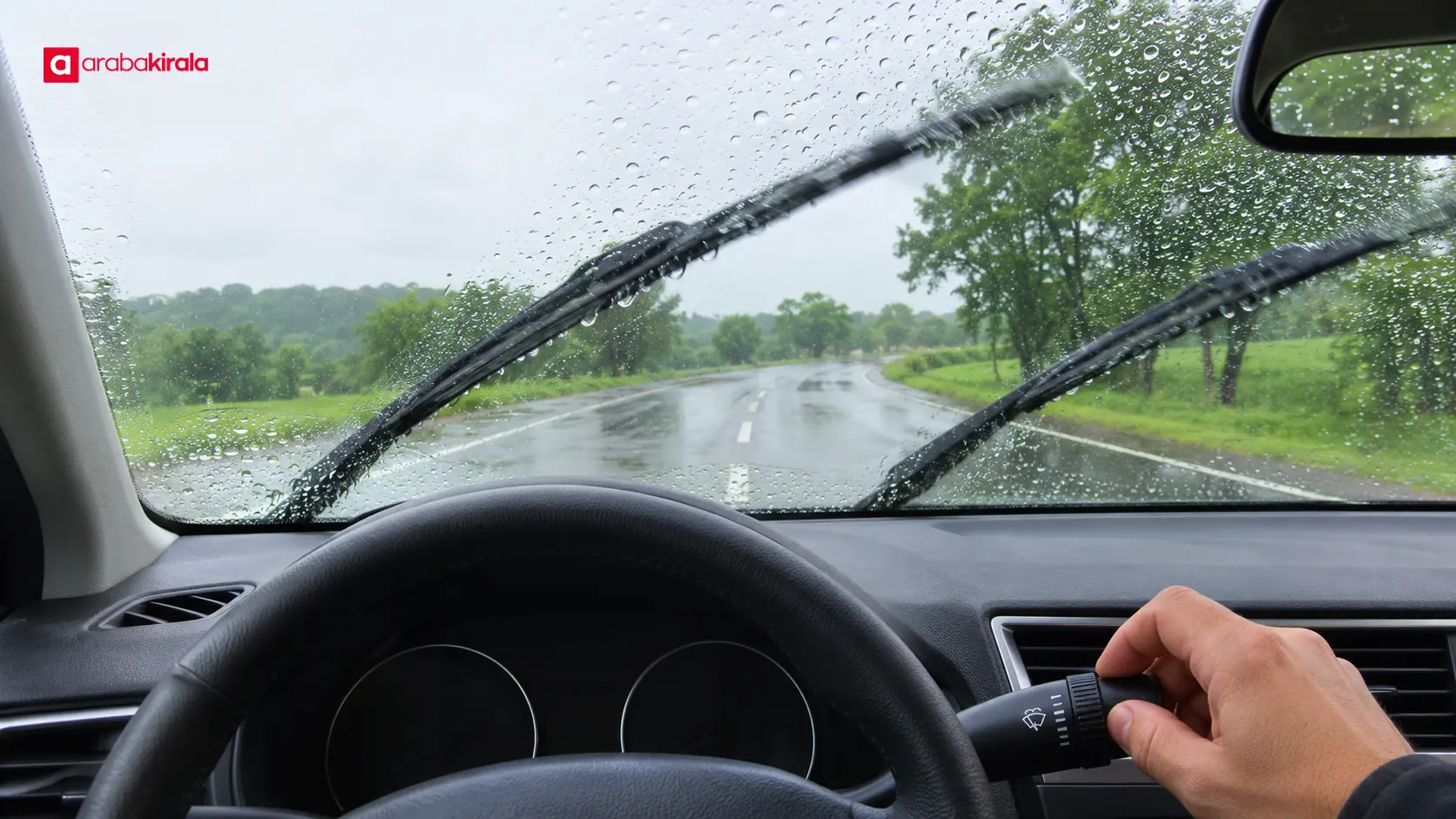
With manual control, the driver directly chooses a setting as rain and visibility change. This is the basic approach in cars without a sensor, and it is also useful when the sensor responds more slowly or quickly than the conditions call for. Automatic mode assists with timing, but the driver still needs to watch the road and adjust when necessary. Automatic operation does not guarantee a clear windshield in every condition or remove the need to pay attention.
If the wipers chatter or squeak on a dry windshield, do not try to solve it by selecting a faster speed. Wiping without enough water can create unnecessary friction between the blades and glass. Wet the windshield with the washer system and follow the vehicle’s instructions. Do not force wipers that are frozen or stuck to the glass; follow the manufacturer’s safe de-icing guidance first.
Keeping the wipers effective
- Keep the outer windshield clean. Dust, mud, and sticky residue can affect how water spreads and how a sensor responds.
- Check blades that are torn, hardened, or leaving persistent streaks to see whether care or replacement is needed.
- Avoid running the wipers across a dry windshield. Follow the vehicle’s directions for washer fluid and its use.
- Before setting off, check visibility, wiper movement, and washer operation in a safe place. Arrange appropriate maintenance before driving if something is not working.
Streaks can have more than one cause: a dirty windshield or insufficient washer fluid can contribute alongside worn blades. Have the system inspected if it makes unusual noises, stops partway through a sweep, or spreads water instead of clearing it. Follow the vehicle maker’s maintenance instructions, and do not attempt roadside troubleshooting while driving in conditions where you cannot see adequately.
Before driving a rental car
The controls in a rental may differ from those in your usual car. While parked, use the owner’s manual to locate the wiper control, sensor mode, windshield washer, and defogger. If rain is expected, check that the blades clear the glass properly. Tell the branch where you are collecting the car about a problem before setting off, and follow its guidance about using the vehicle. Ask that branch directly about details specific to the model, equipment, or pickup location.
If rain suddenly intensifies during a trip, keep your attention on the road and reduce speed to suit the conditions. Make control adjustments only while stopped or at a moment when they can be made safely. Clear glass, an appropriate wiper setting, and a measured speed all contribute to a more controlled drive.
Frequently Asked Questions
Which wiper setting should I use in light rain?
Use intermittent wiping when water collects slowly and the pauses still leave you with a clear view. If visibility worsens between sweeps, shorten the interval or switch to continuous wiping.
Do I need to adjust the wipers manually if the car has a rain sensor?
Sometimes. The sensor assists with timing, but rain, glass condition, or the system’s response may still leave visibility short of what you need. Select a suitable manual speed when necessary and safe, and check the manual to learn how automatic mode works in that car.
What does the rain sensor sensitivity setting change?
Depending on the vehicle, it changes how readily the sensor responds to rain or how frequently the wipers operate. Do not assume a setting position means the same thing in every model; check the vehicle manual.
What should I do if the wipers leave streaks?
Check the windshield and blades. Dirt or worn blade material may call for cleaning or maintenance. If you cannot maintain a reliable view, do not continue driving in the rain; arrange suitable assistance.
How can I learn the wiper controls in a rental car?
The vehicle’s owner’s manual explains the controls for that model and its sensor. If the manual is unavailable or the wipers are not working properly, contact the branch where you collected the car before driving.
A quick check before setting off
Check the glass, make sure the wipers move properly, and learn the controls before leaving. As rain changes, use the interval, regular, or faster setting that keeps the view clear, and continue to monitor an automatic sensor’s response. If a rental’s model or equipment is unfamiliar, ask the collection branch about the controls and vehicle details before you begin the trip.
Legal Disclaimer: All content, articles and information on the Araba Kirala website are provided solely to inform users. No information shared on this website constitutes definitive advice or guidance. Araba Kirala Teknoloji A.Ş. and its authors cannot be held responsible for any direct or indirect damages arising from the application of information on the website. For all questions and requests regarding car rental, please contact the office from which you will rent your vehicle.












