
How to Plan Electric Car Charging Times and Time-of-Use Electricity

Published: November 3, 2026 • Reading Time: 8 min • Last Updated: November 3, 2026 • Author: Merve B.
Plan when to charge an electric car around daily driving, battery level, charging power, and your electricity tariff. Learn practical steps for home charging and longer trips.
Contents
- What does charging time planning help with?
- Start with your daily need and charge target
- Estimate the energy your routine requires
- Compare parking time with charging time
- How to read a time-of-use electricity tariff
- Build a workable home charging routine
- Include charging safety in the schedule
- Plan for longer journeys and public charging
- Review the schedule when your routine changes
- Summary: your next step
- Frequently Asked Questions
Electric car charging times can be planned around when you drive, how long the car is parked, and the electricity tariff on your account. This guide explains how to set a useful charge target, check time-of-use rates, understand the factors that affect charging duration, and prepare for a longer journey. Tariff periods and charges depend on your current electricity contract and supplier, so verify them on a recent bill or through the supplier’s official channels.
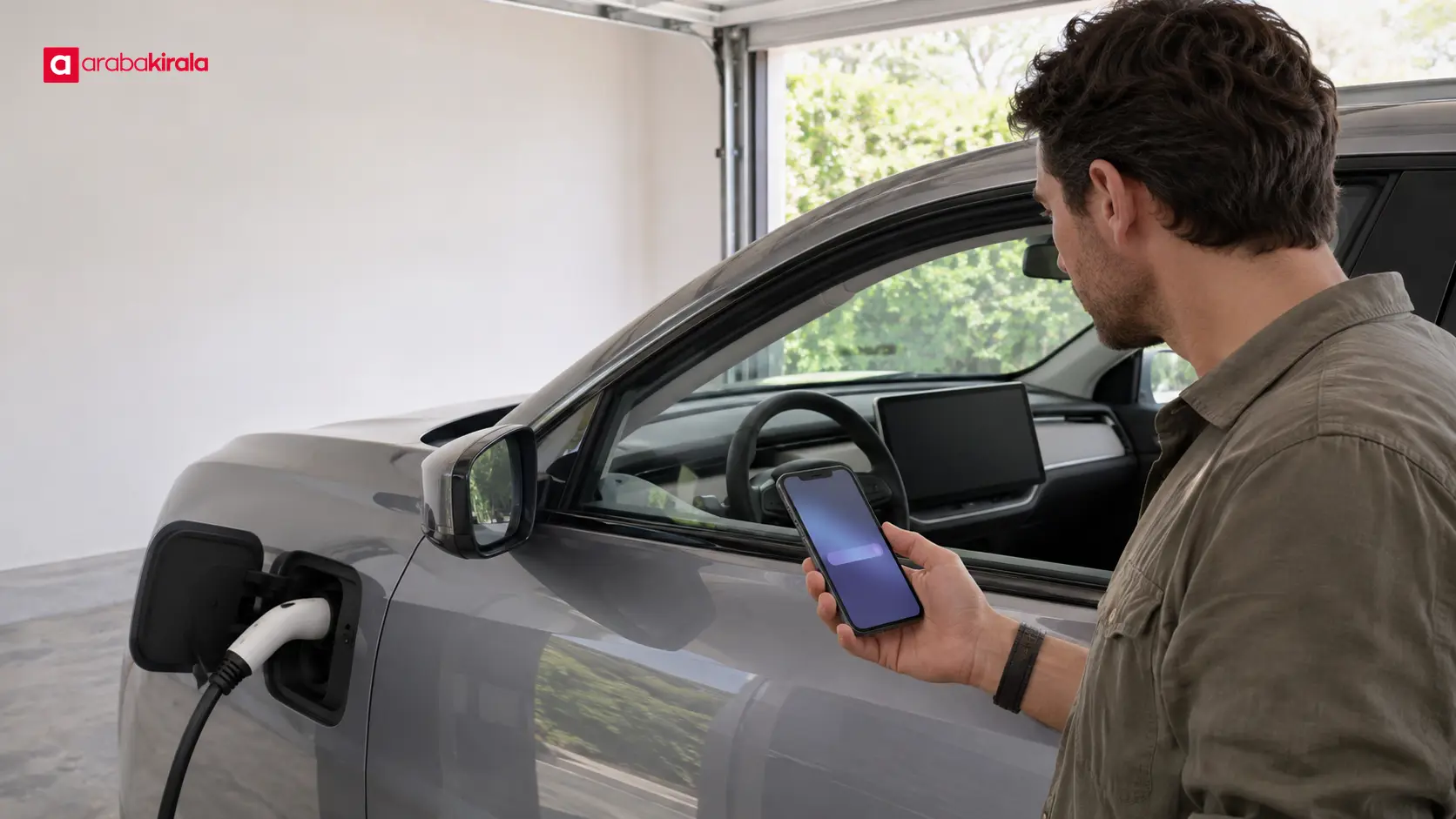
What does charging time planning help with?
A charging plan is more than choosing an hour to plug in. It brings together your daily distance, the next time you need the car, available parking time, current battery level, and the charging power the vehicle can accept. Considering these factors helps you charge to meet a real need instead of starting early or aiming for a full battery by habit.
The battery display estimates remaining energy, while usable range can change with speed, outside temperature, road gradients, cabin heating or cooling, and driving style. Avoid building a schedule around one percentage or a published range figure alone. Use your usual routes, the vehicle manual, and the conditions you expect to encounter.
Start with your daily need and charge target
Estimate the energy your routine requires
Reviewing a typical week can show whether you need to charge every evening. Commuting, regular errands, and familiar weekend trips provide a useful picture of energy demand. The vehicle’s consumption display or trip history can help, although actual consumption varies with conditions. Treat estimates with a sensible margin for the trips you plan to make.
Instead of setting “always 100%” as the default, consider the next trip and the manufacturer’s guidance. Some vehicles allow a charge limit for routine use; the setting and its operation vary by model and software, so consult the owner’s manual. A longer trip may call for a higher starting level. Do not turn guidance for one battery type into a universal charging rule.
Compare parking time with charging time
Work out how long the vehicle will remain parked. Overnight parking at home may give a lower-power charger enough time, while a short stop may not. Charging duration depends on more than the power rating printed on the charger: the vehicle’s onboard charging equipment, battery temperature, and current state of charge can affect the power received. Treat a displayed duration as an estimate, not a guaranteed finish time.
How to read a time-of-use electricity tariff
A time-of-use tariff may apply different unit rates at different times of day. Check your plan’s tariff type and any time bands on your electricity bill, contract, or supplier’s official account tools. The phrase “overnight rate” does not mean the same hours or savings for every account. Time windows, charges, and eligibility can vary.
Once you have confirmed the applicable hours, set the charging start time in the vehicle or charger app if that feature is available. Some home chargers also have a timer or energy-management function. Before relying on it, consult the vehicle and charger manuals to see which control starts and stops charging, whether settings survive a power interruption, and whether an internet connection is required. Two active timers can conflict and delay the start.
Looking only at the energy unit rate can give an incomplete picture. A bill may include fixed charges, consumption bands, or other items. Estimating the energy needed for a charge and applying the relevant unit rate can help with planning, but consider the household’s total consumption, tariff terms, and any charging equipment costs as well. Do not assume a specific saving without verified figures for your account and usage.
Build a workable home charging routine
- Note when the car is usually parked and when you need it the next day.
- Verify current tariff hours and the price structure on your bill or through the supplier.
- Choose a target that fits your driving needs and the vehicle’s manual.
- Use one clear scheduling control as the main timer, and check other settings for conflicts.
- During the first few sessions, observe the start and finish time, energy shown, and battery level in the morning.
This small amount of tracking shows whether your plan matches actual use. If charging starts later than expected, review the vehicle’s delayed charging setting, charger timer, connection status, and the tariff hours entered. If you suspect a wiring or charging-equipment fault, do not force the connection. Follow the manual and contact qualified technical support.

Include charging safety in the schedule
Automated charging does not remove the need to check the connection. Use equipment compatible with the vehicle and follow the manufacturer’s instructions. Keep the cable, plug, and charging port in good condition and dry. An extension lead, multiway adapter, or unverified adapter can create a hazard; use one only if the manufacturer explicitly permits it. Route the cable away from crushing, trips, and vehicle traffic.
Correct installation and protective measures matter for both the charger and the home electrical system. Leave panel changes, high-power connections, and fault repairs to a qualified electrician. Stop charging and seek safe technical assistance if you notice excessive heat, a burning smell, sparks, visible damage, or repeated errors. Do not open the battery or high-voltage components yourself.
Plan for longer journeys and public charging
Before a long journey, plan more than the battery level at departure. Consider the route, likely driving conditions, accessible charging points, and planned rest stops together. Charging-network access, availability, payment, and connection methods can vary by location and change over time. Check the official app or operator information for the service you intend to use before setting out, and identify suitable alternatives rather than relying on a single stop.
At a public charger, check that the connector is accepted by the vehicle and consider the charging power it can use. A higher-rated charger does not deliver the same speed to every car. Charging power may taper as the battery fills, so the energy added during a short break depends on conditions. Follow the vehicle display and session instructions when connecting and disconnecting, then confirm that the session has ended correctly.
If you are using a rented electric car, ask the branch where you will collect it about the vehicle’s charging connector, any supplied equipment, how to access compatible charging services, and the expected battery level at return. These details can vary by vehicle, reservation, and collection location. The vehicle manual and handover guidance can explain how to start a session and which indicators to watch.
Review the schedule when your routine changes
Revisit the plan when the seasons change, your daily distance increases, or your parking routine shifts. Cold and hot weather, cabin climate control, and road conditions can affect energy use. If other household appliances draw substantial power at the same time, seek expert advice on a plan that respects the capacity of the wiring and charging equipment. Choosing a time based only on a tariff can overlook electrical limits.
A useful plan is straightforward and measurable: confirm the tariff periods, estimate daily need, set one clear timer in the vehicle or charger, and observe the result. If charging does not start as expected or reach the target, check settings and connections first. Do not disable safety measures based on guesswork.
Summary: your next step
To plan electric car charging times, start with your regular distance and parking hours. Confirm your current tariff periods and the manufacturer’s guidance, choose a suitable target, and set the vehicle or charger timer. Observe the first sessions to compare the planned start with the actual battery level. For a longer trip or a rented car, confirm route and vehicle-specific charging details in advance. Your schedule will then reflect your own routine and verified information.
Frequently Asked Questions
Does an electric car need to be plugged in every night?
That depends on your daily distance, battery level, parking routine, and the manufacturer’s guidance. Charging to a set level every night is not a universal requirement. Choose a target that covers your regular driving and follows the vehicle manual.
How can I find the cheapest time to charge on a time-of-use plan?
First verify the time bands and charges that apply to your account using a current bill or your supplier’s official channels. Then set the vehicle or charger timer accordingly. Do not assume a particular hour is cheapest for everyone without checking the tariff.
Why might a car not start charging when its timer is set?
The scheduled start, delayed charging setting in the vehicle, charger timer, connection, and app settings may conflict. Check the manual to identify which control is active. If the problem continues, avoid forcing the equipment and contact technical support.
Is it best to charge an electric car to 100%?
The appropriate target can depend on battery technology, manufacturer guidance, and intended use. One percentage is not right for every vehicle and routine. Follow the vehicle manual’s information on charge limits and battery use.
How should I plan charging before a long drive?
Consider the route, expected energy use, accessible charging points, and breaks together. Interpret the vehicle’s range estimate in light of road and weather conditions, and verify access details for the charging service before leaving.
What charging details should I check when collecting a rented electric car?
Ask the collection branch about the connector, use of any supplied cable or equipment, available charging methods, and the expected battery level at return. Confirming these vehicle and location details in advance makes it easier to plan your use.
Legal Disclaimer: All content, articles and information on the Araba Kirala website are provided solely to inform users. No information shared on this website constitutes definitive advice or guidance. Araba Kirala Teknoloji A.Ş. and its authors cannot be held responsible for any direct or indirect damages arising from the application of information on the website. For all questions and requests regarding car rental, please contact the office from which you will rent your vehicle.












