How Do Formula 1 Sector Times Explain Lap Performance?
Published: November 3, 2026 • Reading Time: 8 min • Last Updated: November 3, 2026 • Author: Merve B.
Learn what Formula 1 sector times measure, how they relate to lap time, and what differences can reveal about corners, straights, and track conditions.
Contents
- What is a sector time?
- What can sectors reveal about performance?
- Sectors with long straights
- Sectors with many corners
- How should purple, green, and yellow be read?
- Why do sector gaps change?
- A practical way to compare sector times
- Why the best-sector combination may not be a real lap
- Sector times and mini-sectors
- Using sector data while watching a race
- Frequently Asked Questions
- Summary and next step
Formula 1 sector times show how quickly a car covers specific parts of a lap. This guide explains how sectors are defined, what timing colors usually indicate, why small time gaps need context, and what a single sector cannot prove. Reading sectors alongside the full lap helps you see where time is gained or lost instead of treating the lap as one undivided result.
What is a sector time?
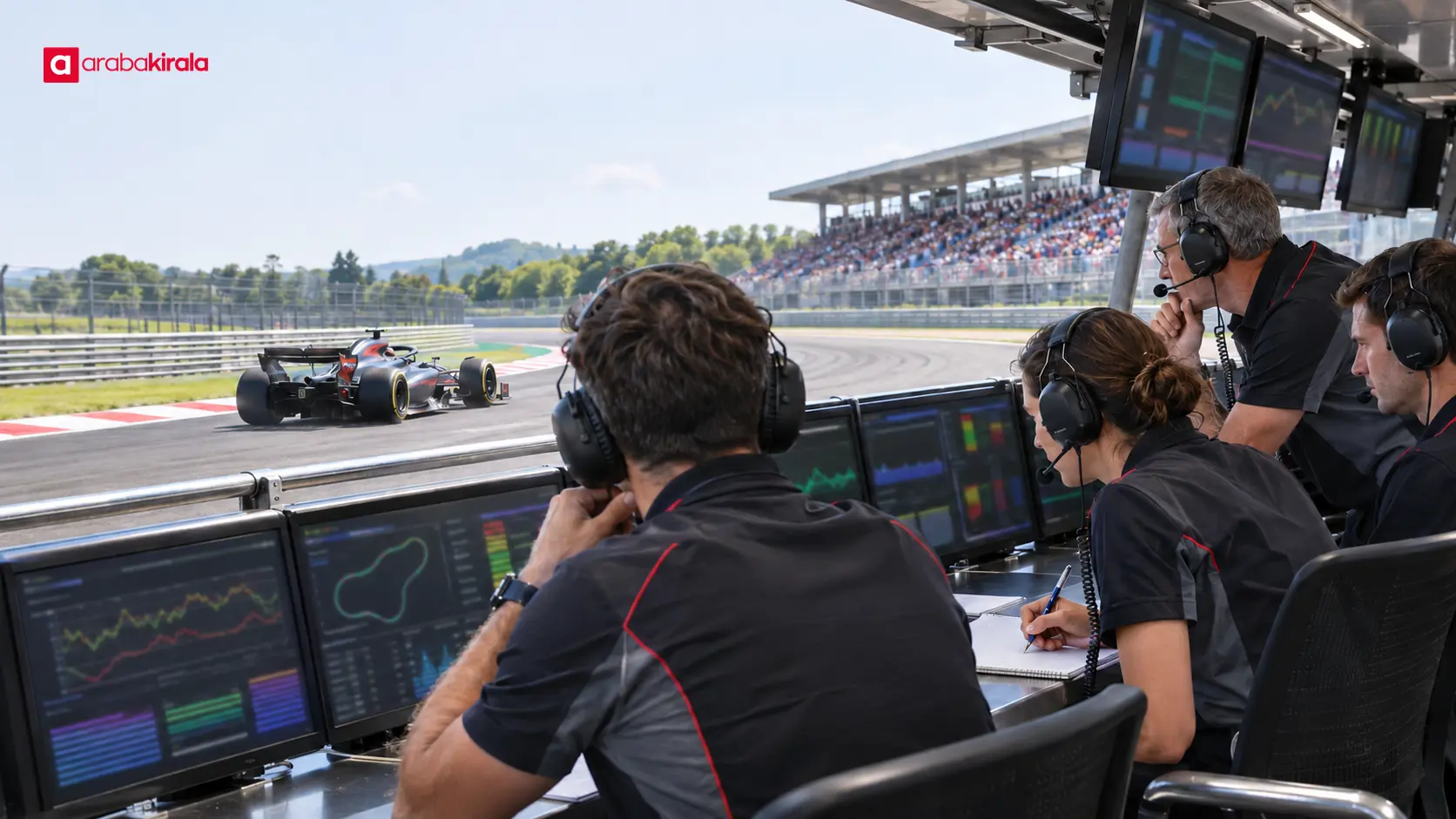
A circuit is divided into sections called sectors for timing purposes. The system records the time a car takes to travel between a sector’s timing points. A sector time belongs to that portion of the circuit; it is not the time for the full lap. The sector times combine to make up the lap time. Many Formula 1 circuits use three sectors, with boundaries set according to the circuit layout.
Sectors do not have to be equal in length. One may include a long straight and a heavy braking zone, while another contains a sequence of corners. That means sector times from different circuits are not directly comparable just because each circuit has the same number of sectors. Sector data is most useful for comparing laps on the same circuit and identifying how performance is distributed around it.
What can sectors reveal about performance?
The lap time gives an overall result; sectors show where that time was made or lost. A driver can be quick in the first sector and slower in the second. The final lap may still be strong if time gained earlier offsets a later deficit. Looking at all the sectors makes those changes visible.
Sectors with long straights
In a sector with a long straight, acceleration, top speed, and the approach to braking all contribute to the time. Differences may relate to aerodynamic drag, power deployment, tyre condition, or the stage of the lap. A sector time alone cannot identify a specific part or setup as the cause. Speed traces and the circumstances of the laps are needed for a more grounded interpretation.
Sectors with many corners
In a corner-heavy sector, the car’s ability to change direction, braking stability, the driver’s line, and acceleration out of corners can all matter. A driver might carry more speed into a corner but lose time on exit; another may use a more controlled entry and gain time on the way out. The sector total captures the combined effect of those choices, but it does not describe each corner on its own.
How should purple, green, and yellow be read?
Timing displays commonly use colors to make comparisons quick to scan. Purple generally marks the session’s best sector or lap, green indicates an improvement against the driver’s own previous or personal best, and yellow indicates a slower result against the comparison being used. The exact comparison can depend on the session and broadcast display, so color should not be treated as a context-free measure of performance.
A purple sector does not mean the driver has completed the fastest lap overall. Time lost elsewhere can leave the total lap behind. Likewise, a yellow sector can be offset by stronger sections later in the lap. Colors are useful signals, but the times and the conditions around them provide the fuller picture.
Why do sector gaps change?
A sector time reflects more than driver ability or a car’s underlying pace. Track conditions and the purpose of the lap can affect the result. Without those details, assigning a small time difference to one definite cause can be misleading.
- Track and weather: Asphalt temperature, rain, wind, and grip can change during a session. As rubber is laid down, the track may also offer different grip later than it did earlier.
- Tyre use: Tyres warm up and wear over a run. A fast sector depends in part on tyre condition and how the tyres were used on earlier laps.
- Fuel and car load: The car’s load and energy management can vary at different points in a race. A race sector and a qualifying sector therefore do not represent identical conditions.
- Traffic and following another car: Following another car can affect the airflow on a straight and make it harder to follow through corners. Traffic may also prevent a driver from completing a clean lap.
- Purpose of the lap: A driver may be on a fast lap, a preparation lap, or a race-pace lap. The driving approach and car management differ across those tasks.
- Errors, yellow flags, and track limits: A braking mistake or an incident on track can affect just one sector. Whether the lap is valid and how conditions changed also matter.
A practical way to compare sector times
For a useful comparison, avoid choosing only the fastest number on a screen. Start with laps that were completed in reasonably similar circumstances. This sequence helps make timing screens and race coverage easier to interpret.
- Identify the same circuit and session. Sector lengths and corner profiles vary between circuits, so begin by comparing laps from the same track.
- Choose the laps to compare. Consider the driver, tyre condition, traffic, track state, and lap purpose using the information available. If conditions differ substantially, interpret the result cautiously.
- Find where the gap appears. Put the sector times side by side and note where time is gained or lost. Do not attribute the entire lap gap to one section without checking the others.
- Review more than one lap. A single fast sector may be affected by an error, temporary traffic, or changing track conditions. Repeated patterns provide a firmer basis for interpretation.
- Add speed and layout information. If available, look at a speed trace, braking points, and the sequence of corners. This can help show whether the gap is more apparent on a straight or through corners.
Why the best-sector combination may not be a real lap
Timing systems may calculate a theoretical lap by adding a driver’s best sectors from across a session. That figure combines best sections from separate laps; it is not necessarily a time the driver completed in one lap. Tyre state, traffic, fuel, weather, and driving approach may have changed between those sectors.
The theoretical total can indicate the performance a driver might approach in one clean lap, but it does not promise that result. A slower recorded lap does not by itself mean the driver failed to perform. If the best sectors cannot be combined on the same lap, the theoretical figure describes potential rather than a completed result.
Sector times and mini-sectors
A sector is a larger section defined by the circuit timing system. Mini-sectors or intermediate timing points can show shorter slices within that section. More frequent splits can help locate where a time loss begins, although the number and presentation of these points depend on the timing system.
A short split shows a car’s passage through that point; on its own, it does not represent the whole corner or lap. Even detailed-looking data needs a comparison between similar conditions. Connecting the time to the circuit layout helps prevent overreading a raw number.
Using sector data while watching a race
During a race, sector times can help you see where a battle is developing. If a driver repeatedly goes quicker in one sector, you can identify the sequence of corners or straight where that driver is gaining time. A rival closing in through the same section may create pressure before the next braking zone, but the sector alone does not mean an overtake will happen.
Remember that race sectors and qualifying sectors come from different objectives and circumstances. Tyre and energy management, fuel load, traffic, and events such as a safety car can affect race pace. Watching the gaps over several laps is more informative than relying on one isolated split.
Frequently Asked Questions
How many sectors are there in a Formula 1 lap?
Many Formula 1 circuits divide a lap into three sectors. Their lengths and the number of corners or straights they contain depend on the circuit layout, so sectors do not have a uniform character from track to track.
What does a purple sector time mean?
Purple usually marks the best sector time recorded in the session. Check which session and comparison the timing display covers, since the scope of the color can vary.
Does being fastest in one sector mean a driver will have the fastest lap?
No. A sector time covers only one part of the circuit. The driver must also record competitive times in the other sectors for the combined lap to be the fastest.
Why can the theoretical best lap be faster than a driver’s actual best lap?
The theoretical lap adds the best sectors recorded on separate laps. Those sections may never have occurred together in one completed lap, so the theoretical total is not guaranteed to be achievable as a single result.
Can I compare a race sector directly with a qualifying sector?
You can compare the times, but the car load, tyre use, traffic, energy management, and purpose of the lap may differ. Account for those conditions and avoid drawing a firm conclusion from one number alone.
Summary and next step
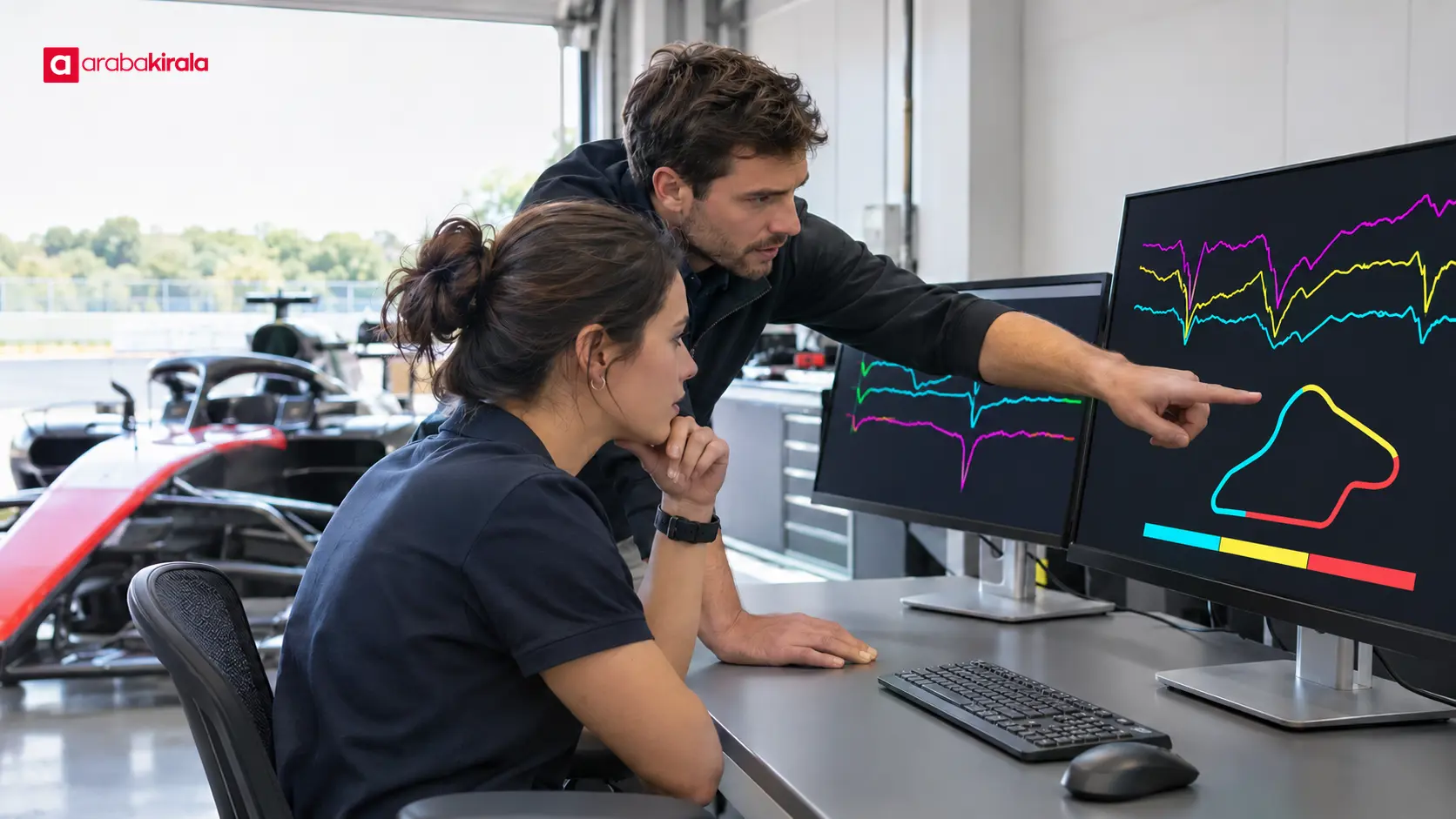
Formula 1 sector times show how lap performance is distributed around a circuit. Colors provide a quick comparison, while circuit layout, tyres, traffic, and lap purpose shape what the numbers mean. When watching a timing screen, first find the sector where the gap appears, then compare several laps completed in similar conditions. Next time you follow a session, track both the full lap and each sector to see where the pace difference emerges.
Legal Disclaimer: All content, articles and information on the Araba Kirala website are provided solely to inform users. No information shared on this website constitutes definitive advice or guidance. Araba Kirala Teknoloji A.Ş. and its authors cannot be held responsible for any direct or indirect damages arising from the application of information on the website. For all questions and requests regarding car rental, please contact the office from which you will rent your vehicle.