Kula Fairy Chimneys in Winter: Walks and Daylight
Published: November 28, 2026 • Reading Time: 6 min • Last Updated: November 28, 2026 • Author: Merve B.
Contents
- Why Kula’s terrain needs a winter plan
- Plan weather and daylight together
- A quick check before departure
- Clothing and gear for an open terrain walk
- Choose a safe, manageable route
- Access by car and the shape of the day
- Build the day in a few steps
- In short: your next step
- Frequently Asked Questions
- Related Articles
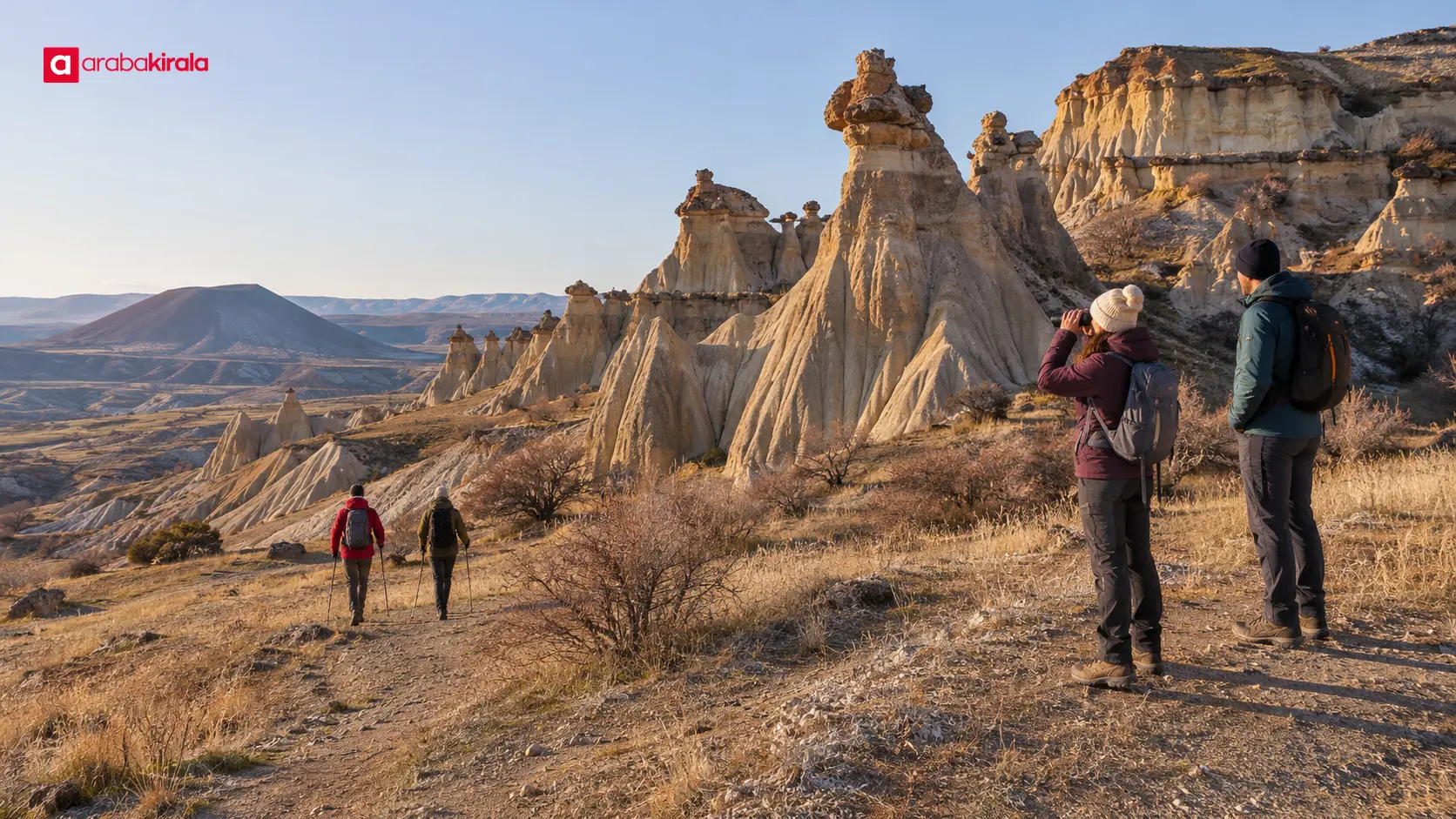
A Kula fairy chimneys winter trip calls for a plan that accounts for three things together: natural ground, limited winter daylight and access to the area. This guide explains how to check weather and roads, move safely over open terrain, and schedule photo and rest stops without losing time needed for the return. Visitors who want to see Kula’s volcanic formations up close can plan around the whole outing, rather than treating arrival time as the only milestone.
Why Kula’s terrain needs a winter plan
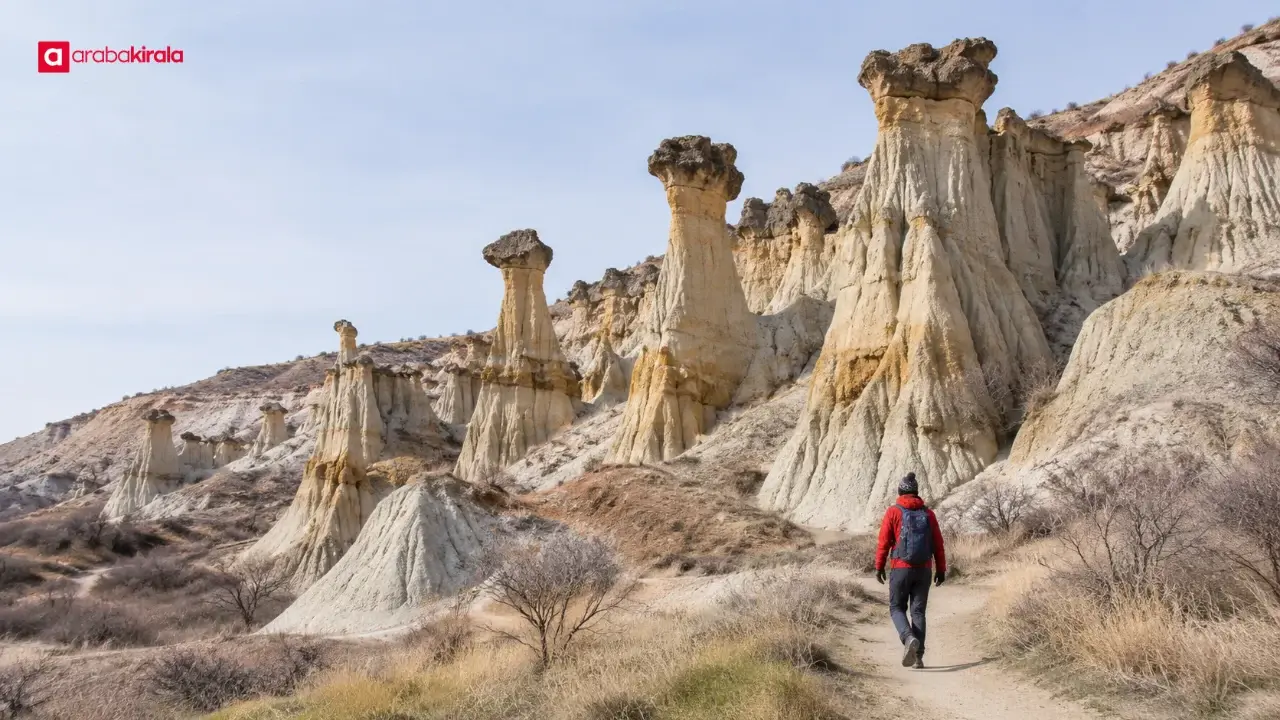
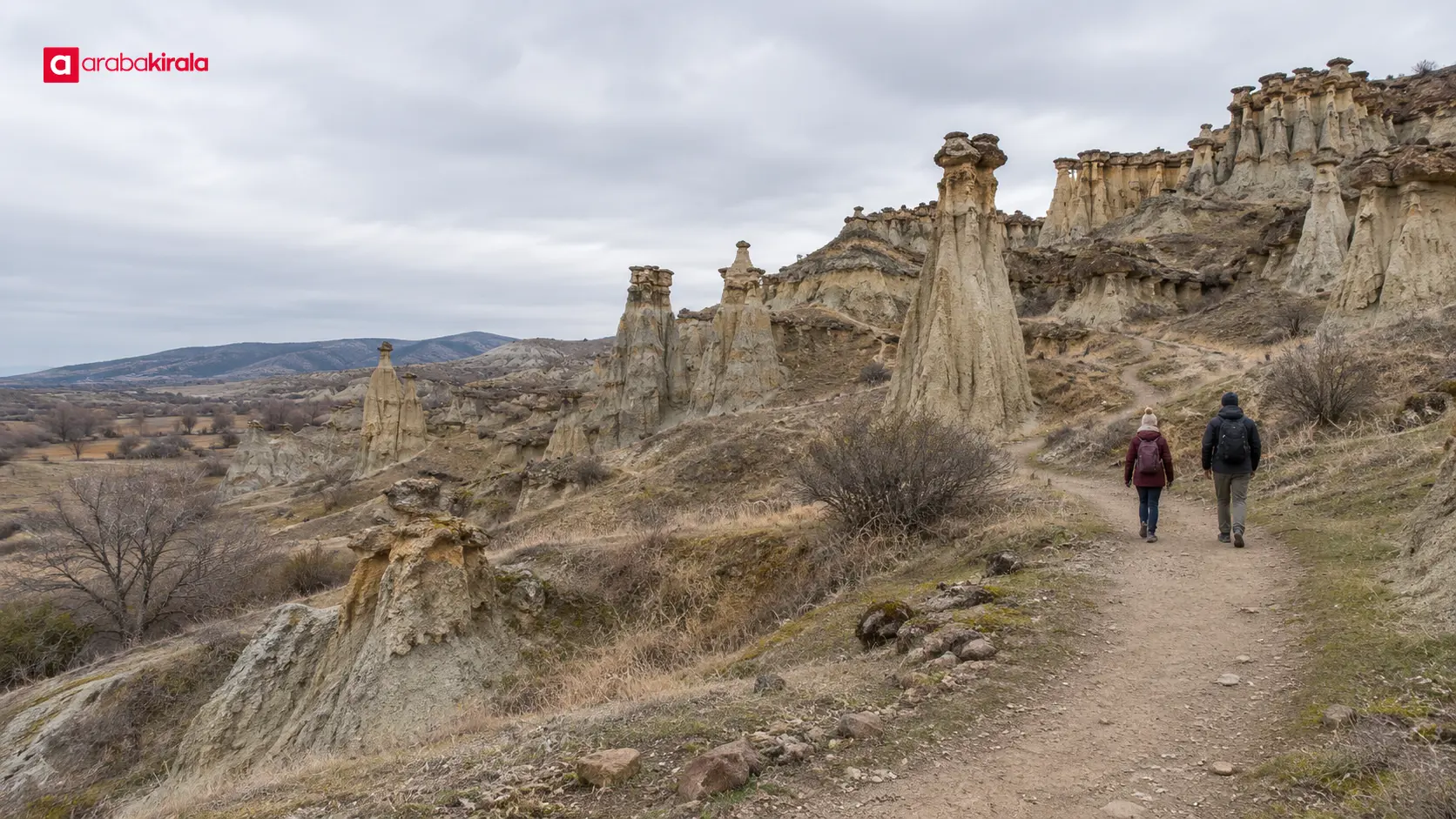
Volcanic formations around Kula are spread across open landscapes. Unlike a city sidewalk, natural ground may be sloped, loose or uneven. Winter rain can soften the soil, while cold, wind and cloud cover can affect comfort and visibility. Think of the outing as choosing a short route that suits the conditions, rather than simply trying to reach a particular point at all costs.
Do not assume that access arrangements are the same throughout the Kula volcanic geopark area. Road access, parking and walking starting points may differ by location. Check the current access information for the place you intend to visit before leaving. Once there, consider whether you can view a formation from the marked or obvious path. Climbing steep or fragile surfaces is unsuitable for both personal safety and conservation.
Plan weather and daylight together
A quick check before departure
Temperature alone does not describe conditions in an exposed area. Rain, wind, cloud and visibility all affect how the walk feels. Check the forecast again on the morning of the trip. If heavy rain, dense fog or uncomfortable wind is expected, consider shortening the outdoor walk or choosing another day. Forecasts may not capture every local change, so assess conditions again when you arrive.
Winter days are shorter, so decide in advance how much time you will allow for walking and returning. Low sun can create striking shadows for photographs, but it can also make the ground harder to see. Put the longest exploration portion in the brighter part of the day and keep photo stops within the time reserved for the return. Start heading back along a known route instead of beginning a new trail just before sunset.
Clothing and gear for an open terrain walk
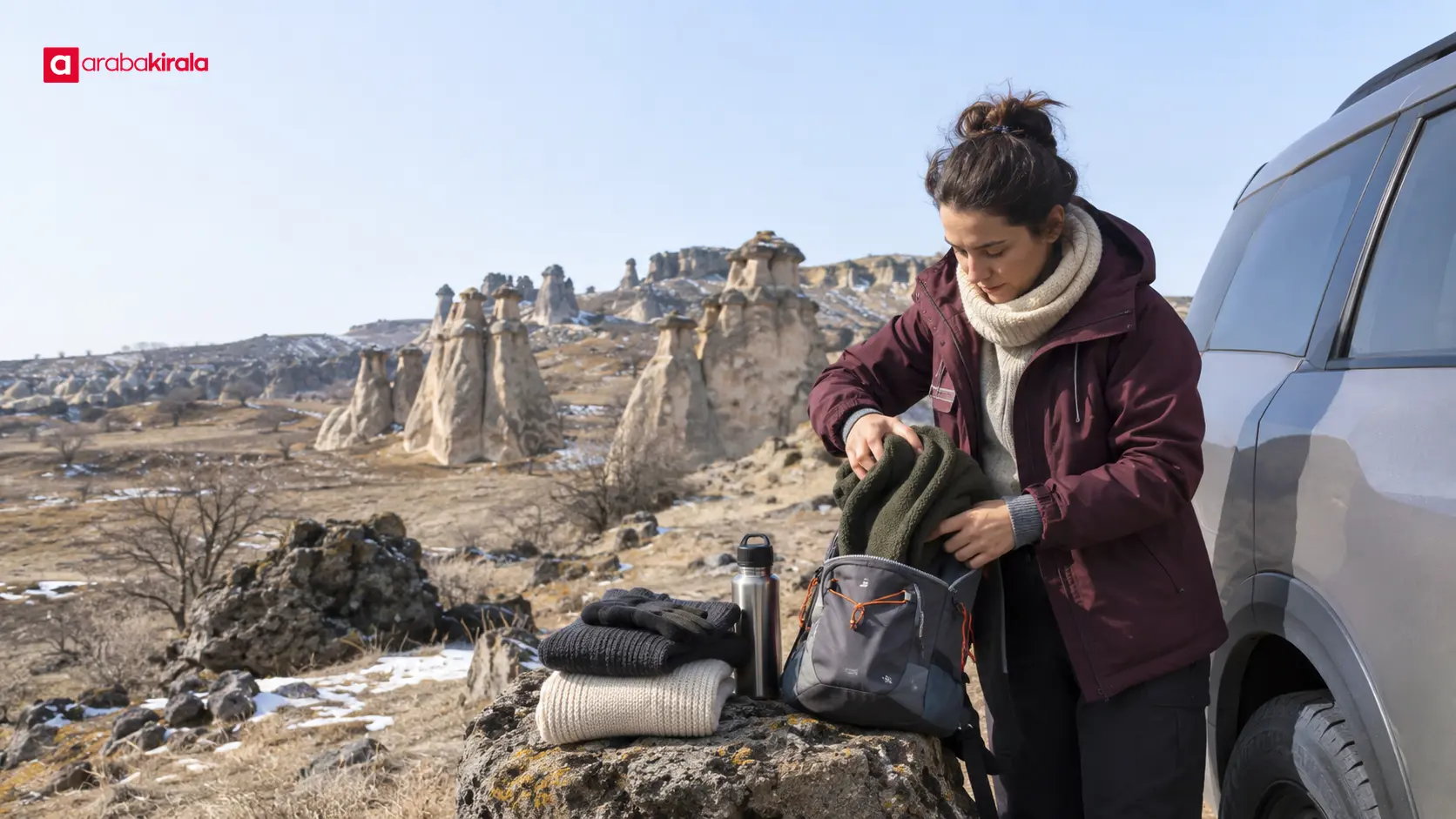
Layering helps manage the difference between warming up while walking and cooling down during a break. Choose a comfortable base layer, a wind resistant outer layer and a middle layer you can remove and pack. Clothes that stay damp can become uncomfortable in cool weather, so a dry spare top is useful when rain is possible. A hat and gloves are small items that can help in exposed, windy places.
Wear walking shoes with a sound sole, a secure fit and good grip. Wet clay or loose volcanic material may become slippery, so take short steps, check each foothold and avoid rushing on slopes. Carry water, a snack, a charged phone and a map available offline in a small pack. Mobile coverage or battery power may not be reliable everywhere, so do not extend your route on the assumption that a phone map will always work.
Choose a safe, manageable route
Before the outing, identify the places you want to see and how you will travel between them. If there is a gap between the vehicle access point and the start of a walk, plan those sections separately. If a path is unclear or the ground is worse than expected, turning back to a shorter route is a sensible choice. Solo walkers can also share their general route and expected return time with someone they trust.
Avoid stepping on loose edges around the formations, climbing on them or dislodging soil and stones. Keep away from the edge of wet slopes, and do not leave secure ground to take a photograph. If a section looks risky, enjoy the view from farther away. This reduces the chance of slipping or falling and helps protect the natural shapes.
Access by car and the shape of the day
If you are driving to Kula, check the destination and the condition of the final road section in advance. A short link shown on a map may not be suitable for every vehicle or open at all times. Rain can change the condition of unpaved roads. If you are unsure about the road surface, it is more cautious to park in a safe, permitted place and walk, or seek local information.
If you rent a car, discuss your planned route, vehicle suitability for the road conditions and fuel arrangements with the branch you will rent from, before booking or at pickup. Terms such as mileage limits, additional drivers, parking and return arrangements can depend on the branch and reservation; ask for the details relevant to your trip instead of assuming a general rule. Recording the vehicle’s condition, fuel level and odometer reading at pickup makes the return check easier to understand.
Build the day in a few steps
- Before leaving: Check access to the places you plan to visit, the forecast and road conditions; choose a start time that gives you daylight.
- During the walk: Follow a clear route with safe footing, take short breaks and shorten the plan if weather or ground conditions worsen.
- On the way back: Allow enough time to reach the vehicle before darkness and fatigue set in; review fuel and the return route before driving.
This sequence makes the priorities clear without turning the trip into a rigid timetable. If a view or photo stop takes longer than expected, protect your return time rather than adding a distant point. On an open terrain outing, a short route completed with attention to conditions can be more rewarding than a longer walk done in a rush.
In short: your next step
For a Kula fairy chimneys winter trip, the ground, weather, daylight and transport plan are connected. Check current weather and access, wear grippy shoes and layers, choose a safe short route, and leave enough daylight to return. If you are driving, confirm the final road section and any rental details with the branch you will rent from. Start by choosing the location you want to see, then check weather and access again on the morning of the trip.
Frequently Asked Questions
What time of day is best for visiting Kula’s fairy chimneys in winter?
Starting early enough to leave daylight for both the walk and return is practical. Include time for rest and photography, and avoid setting out on a new route as the sun is getting low.
Can you walk in the open terrain after rain?
That depends on how much rain fell and the condition of the ground that day. Wet clay or loose soil can be slippery. If you cannot find safe footing when you arrive, keep the walk short or postpone it.
What kind of shoes should I wear for a Kula visit?
Choose walking shoes that hold your foot securely and have a sturdy, grippy sole. A long walk over open ground in new or worn out shoes may affect both comfort and balance.
Can I drive close to the fairy chimneys?
That depends on the formation you plan to visit and road access on the day. Check the map and final road section in advance; ask the branch you will rent from about vehicle suitability and parking if needed.
Should I wait until sunset to take photos?
Low sunlight can create different shadows, but reduced light also makes it harder to see the ground on the way back. Schedule photo stops while it is bright and keep the time reserved for returning.