
Rental Car Passenger and Luggage Planning: Fit the Cabin to Your Trip
Published: November 2, 2026 • Reading Time: 7 min • Last Updated: November 2, 2026 • Author: Merve B.
Plan passenger seating, luggage space, and cabin items together before renting a car. Learn how to assess capacity, load safely, and clarify fit questions before booking.
Contents
- Why passenger capacity and luggage space belong in one plan
- Turn your needs into a vehicle plan
- Set the passenger count and seating arrangement
- Describe luggage by shape and size, not just by count
- Load luggage and personal items safely
- Confirm capacity before booking
- Adapt the plan to the kind of trip
- Make a final layout check at pickup
- Summary: your next step
- Frequently Asked Questions
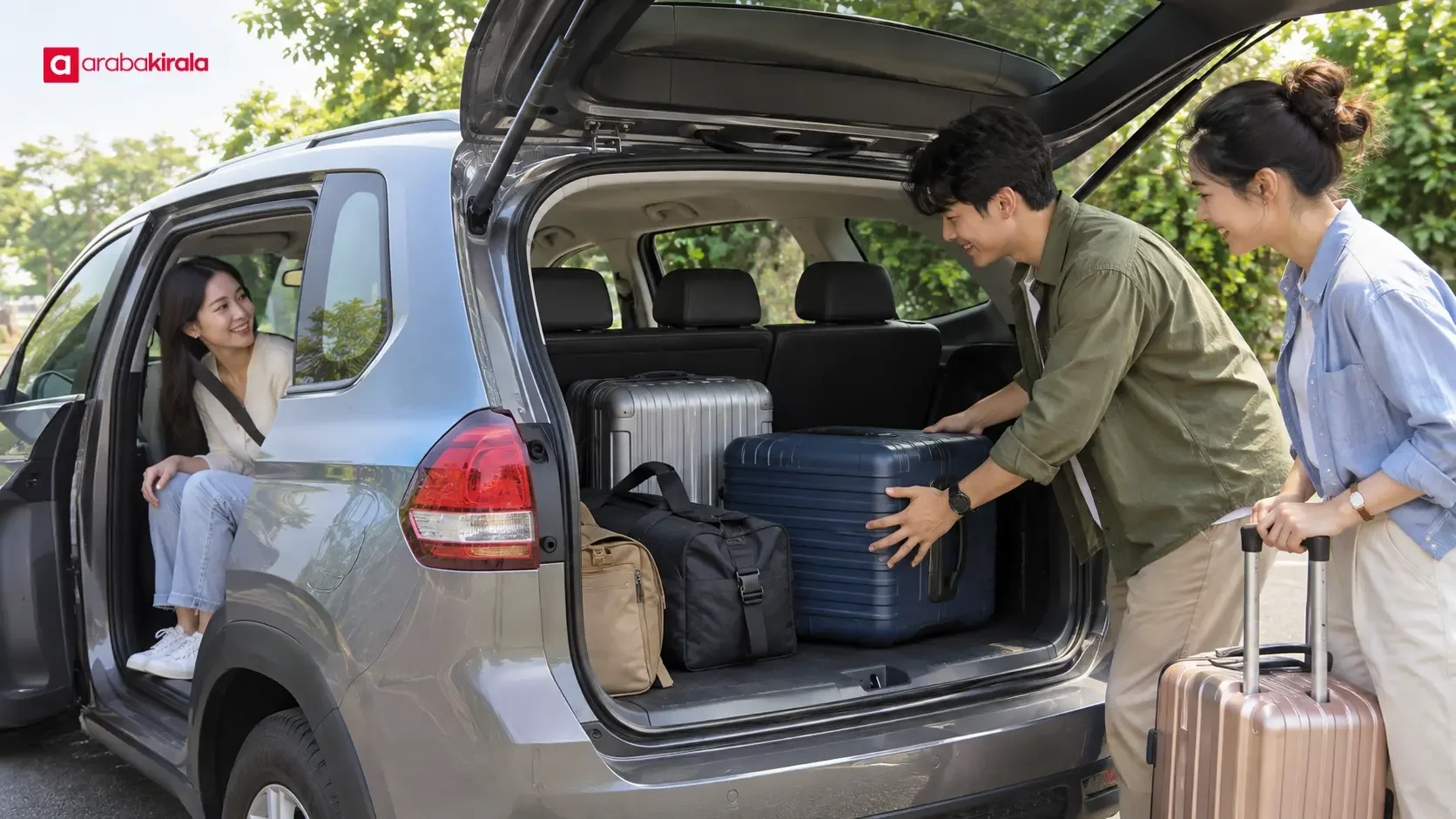
Rental car passenger and luggage planning works best when you consider seats, bag dimensions, and items needed in the cabin as one layout. This guide explains how to turn your trip needs into a vehicle choice, arrange luggage safely, and clarify capacity details with the branch you plan to rent from.
Why passenger capacity and luggage space belong in one plan
A stated seat count does not automatically mean that every passenger will be comfortable while all luggage fits without difficulty. The space available for bags can change with the number of occupants, while legroom and shoulder room affect comfort inside the cabin. A long journey, child seat, large suitcase, or bulky equipment makes this balance more important.
Think in three zones: passenger seats, the luggage compartment, and cabin items that need to remain accessible. A coat, small bag, water, or travel documents may need to stay within reach. They should not obstruct the driver's view, access to the controls, or the space passengers need to move safely.
Turn your needs into a vehicle plan
Set the passenger count and seating arrangement
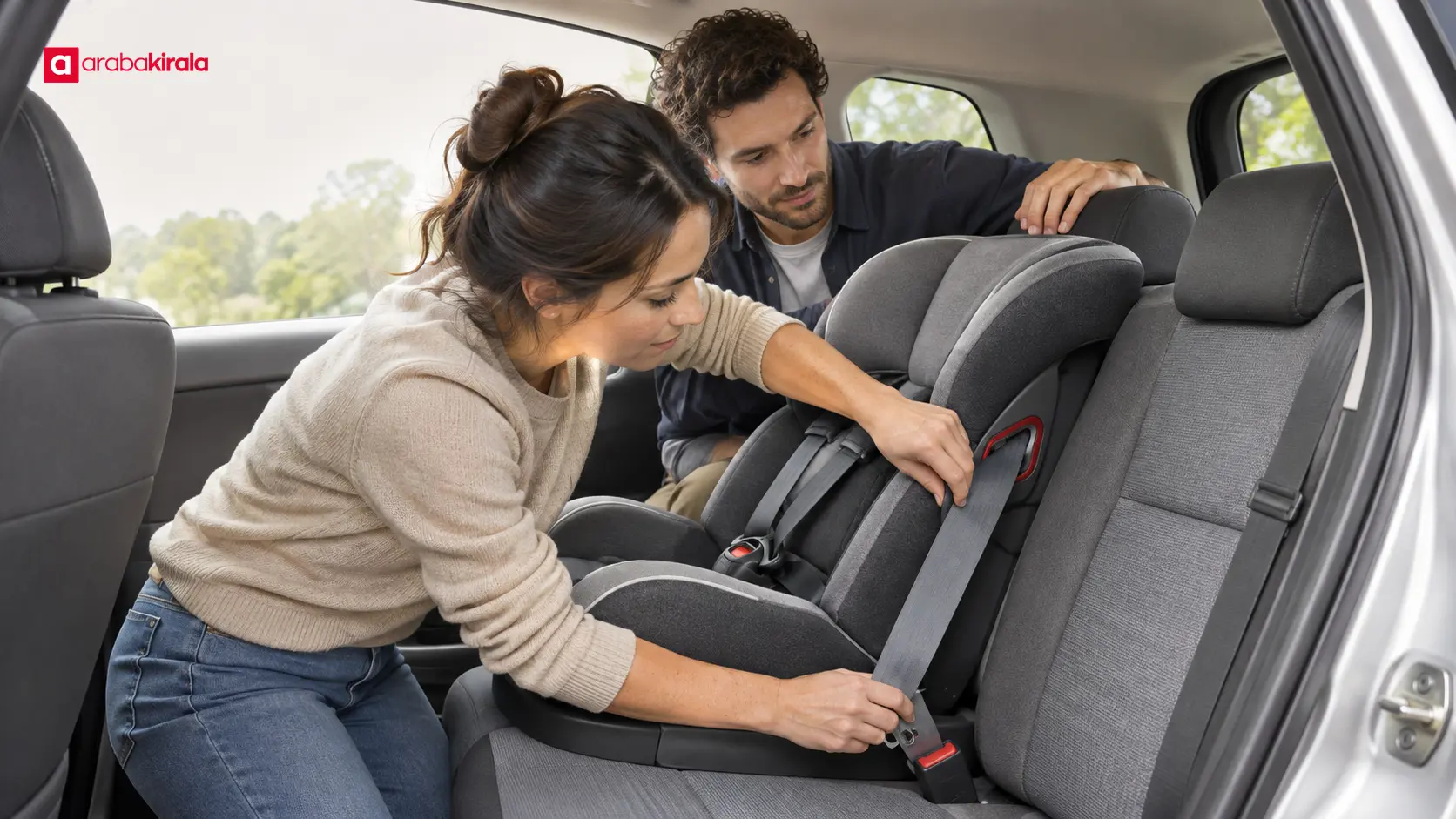
Write down the number of passengers and the seat each person will use throughout the trip. If a child seat is needed, consider how it will fit and whether sufficient room remains around it. Child seats differ in type and installation method, so follow the seat's instructions and the vehicle maker's information. Ask the rental branch what seating configuration is available in the relevant vehicle class and what compatibility information it can provide.
For adults, do not look only at the number of seats. Height, seating position, and trip length can affect comfort. Consider who will sit together in the back and whether a child seat will occupy part of that row. Until the vehicle model or configuration is confirmed, avoid treating a general class description as a guarantee of exact dimensions.
Describe luggage by shape and size, not just by count
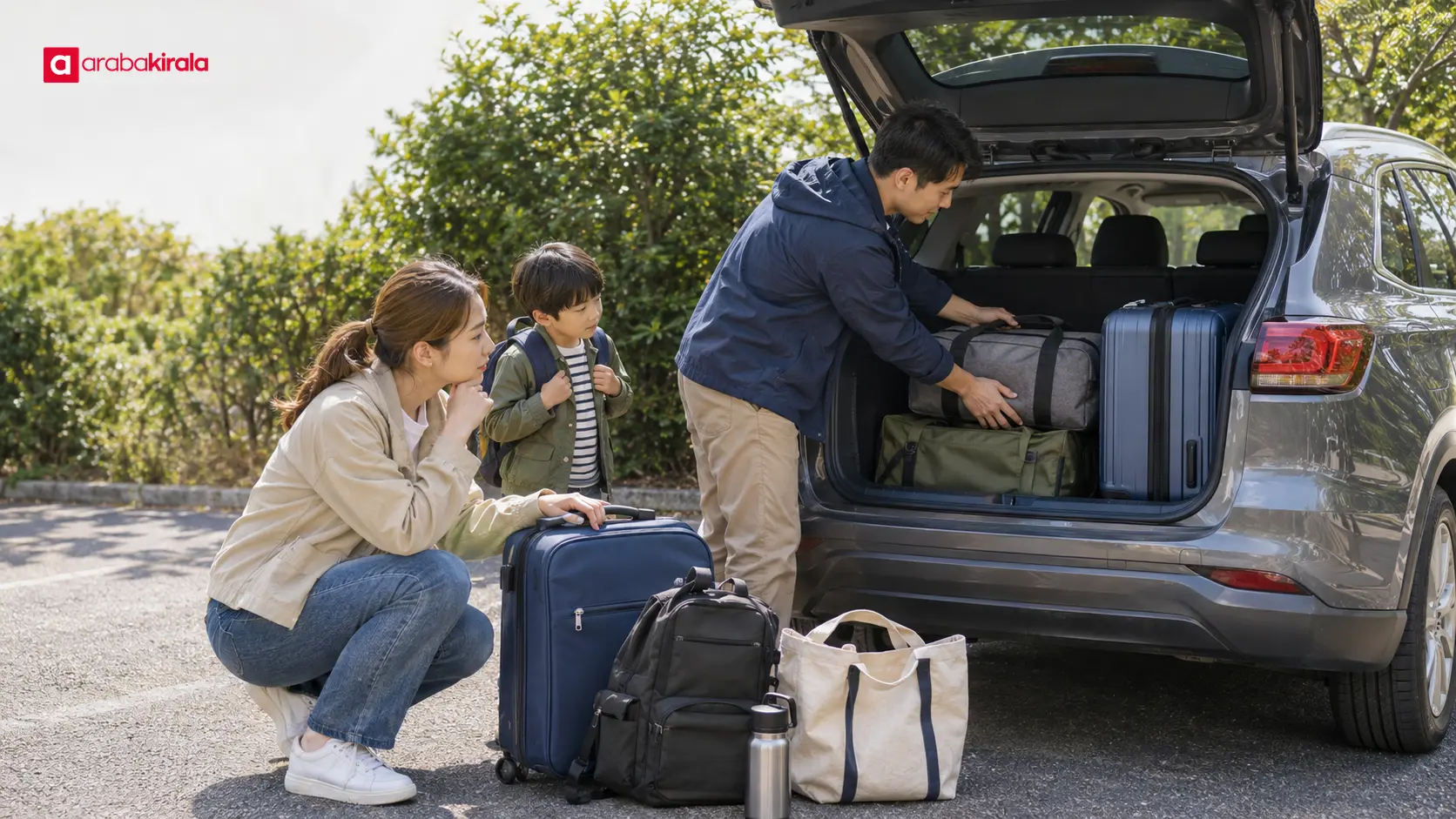
A number such as “three suitcases” does not fully describe the load. Large, medium, and cabin-size cases occupy different space; hard-sided and soft-sided bags can also fit differently. A stroller, sports equipment, or an item that cannot be folded changes the layout. Roughly measuring these items or placing them together before booking gives you a more useful picture of the space required.
Luggage capacity descriptions can depend on the vehicle model and how seats are being used. Folding a rear seat may create more cargo area, but it also reduces passenger seating. Do not count the same space for both people and bags. Ask the branch which seat configuration applies to its luggage information and whether the reservation refers to a specific model or a vehicle class.
Load luggage and personal items safely
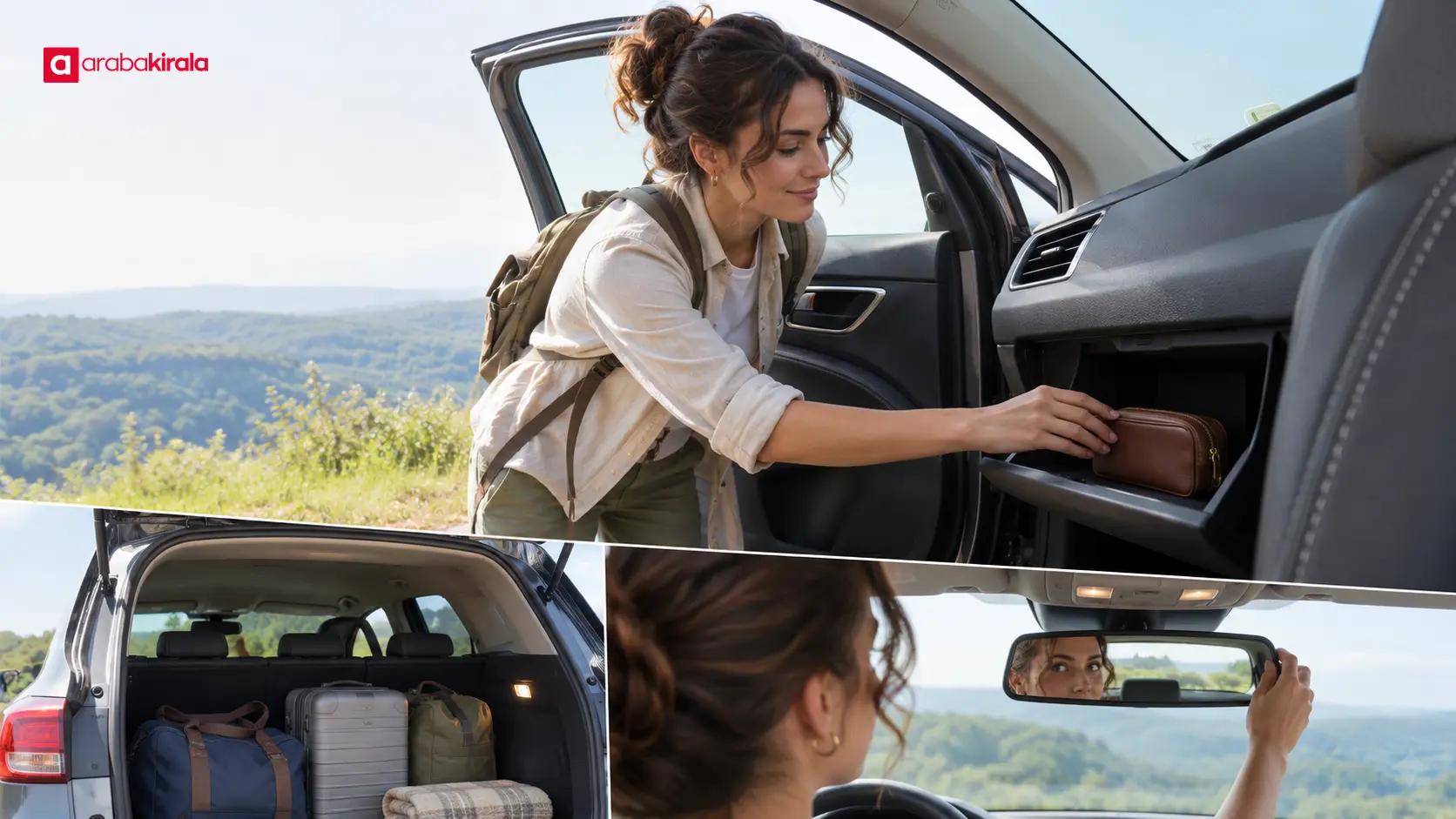
Place heavy, sturdy bags low in the luggage area and as far forward as practical. Put lighter items above them and arrange the load so it cannot shift freely. If the vehicle has load anchors or dividers, use them according to the vehicle instructions. Stacking bags above the rear seatbacks can obstruct the view through the rear window, so keep the driver's view through the mirrors clear.
Put small cabin items in appropriate storage areas such as door pockets. A loose bag can move during sudden braking, strike an occupant, or interfere with the driver's control. Do not leave a heavy object unsecured on a passenger seat. If the luggage compartment door will not close easily, do not force it against the load; reduce the amount or reconsider the arrangement.
Passengers should be able to reach and fasten their seat belts without being crowded by bags. Consider access to items that may be needed during the journey, while keeping them from spreading into the driver's area. Searching for belongings while moving can distract the driver.
Confirm capacity before booking
A capacity description for a vehicle category is a general guide; the exact model, cargo shape, and seat equipment may differ. Do not assume a class label identifies a particular model. If the fit matters, tell the branch you plan to rent from the passenger count, whether a child seat is needed, the approximate dimensions of the bags, and any bulky items.
- Give the passenger count and seating arrangement, including any child seat.
- Describe luggage dimensions as well as the number of cases.
- Ask which seat configuration the luggage capacity information assumes.
- Clarify whether the reservation is for a named model or a vehicle class.
- If the load appears too large, consider a more suitable vehicle size or another way to carry the items.
These details turn a vague capacity question into a practical fit check. If the branch cannot confirm a specific model or layout, keep your plan flexible and avoid relying on unused cabin space as a last-minute solution.
Adapt the plan to the kind of trip
For short city use, a small amount of luggage and frequent entry and exit may be the main concerns. On a longer drive, passenger comfort, accessible personal items, and a stable load matter more. For an airport transfer, all passengers' bags may need to travel together, so do not assess capacity only by what you usually carry during daily use.
Account separately for work equipment, musical instruments, strollers, or sports gear that does not have the shape of a standard suitcase. Check an item's dimensions both folded and unfolded, then plan how it will be carried. If belongings must remain in the vehicle during stops, think ahead about arranging them out of sight in the luggage area and organizing stops sensibly.
Make a final layout check at pickup
Before loading, check the seat arrangement, the space needed to open the luggage compartment, and access to passenger belts. Once the bags are in place, confirm the door closes without pressure, the mirrors provide a clear view, and the driver's seating position remains comfortable. Overloading the space or blocking visibility is not a safe solution.
If an item does not fit, do not put it in the passenger footwell, beside the driver, or where it blocks a window. Try a more efficient arrangement first. Then consider reducing the load, carrying the item another way, or arranging a vehicle that better matches the required capacity. For technical limits on carrying loads and placement, use the vehicle maker's documentation and information in the vehicle.
Summary: your next step
Start with the passenger count and seating layout, then describe bags by dimensions, shape, and any unusual items. Plan the luggage compartment and cabin separately, secure the load, and keep the driver's view open. Before booking, give these details to the branch and ask what configuration its capacity information describes. Once your needs are clear, continue through the relevant city or location page to the booking steps.
Frequently Asked Questions
Does luggage capacity mean the same thing for every type of suitcase?
No. Cases with different dimensions, shapes, or rigid and soft sides can fit differently even when their stated volume is similar. Strollers and sports equipment also affect space, so share approximate measurements with the branch for a more useful answer.
Can I fold the rear seats to carry more luggage?
Folding rear seats may increase cargo space, but it reduces the number of passenger seats available. Plan for both the seating needs and the load, and follow the vehicle's instructions for using the seats.
How does a child seat affect vehicle choice?
A child seat occupies space in the rear row and can change the seating arrangement around it. Check its installation method and vehicle compatibility, and tell the branch during booking that you will use one.
What should I do if luggage blocks the rear view?
Rearrange the load to restore a clear view through the windows and mirrors. Place blocking items lower and securely in the luggage area before driving; reduce the load if there is not enough room.
What information should I give the branch before booking?
Share the passenger count, child seat needs, approximate luggage dimensions, and any bulky items. Ask whether the capacity description refers to a specific model or a vehicle class, and what seating arrangement it assumes.
Legal Disclaimer: All content, articles and information on the Araba Kirala website are provided solely to inform users. No information shared on this website constitutes definitive advice or guidance. Araba Kirala Teknoloji A.Ş. and its authors cannot be held responsible for any direct or indirect damages arising from the application of information on the website. For all questions and requests regarding car rental, please contact the office from which you will rent your vehicle.












