
Seasonal Museum and Archaeological Site Visits: Planning Indoor and Outdoor Areas
Published: November 2, 2026 • Reading Time: 8 min • Last Updated: November 2, 2026 • Author: Merve B.
Learn how to plan open-air heritage walks and indoor museum galleries together around weather, daylight, walking conditions and seasonal visitor information.
Contents
- Why indoor and outdoor areas need different planning
- Build the season and weather into your plan
- On sunny or hot days
- On rainy, cool or windy days
- Choose a sequence that connects the two experiences
- Consider walking, accessibility and safety
- Transport and the day’s pace
- A short pre-visit checklist
- Frequently Asked Questions
- Summary: keep the route flexible
This guide explains how to balance an outdoor archaeological site with indoor museum galleries, account for seasonal weather and daylight, and prepare a flexible visit. Open-air heritage areas may involve long walks with limited shade, while indoor galleries offer a different way to explore objects and context. Combining the two works best when you first understand the layout and then shape the order around the conditions on your visit day.
Why indoor and outdoor areas need different planning
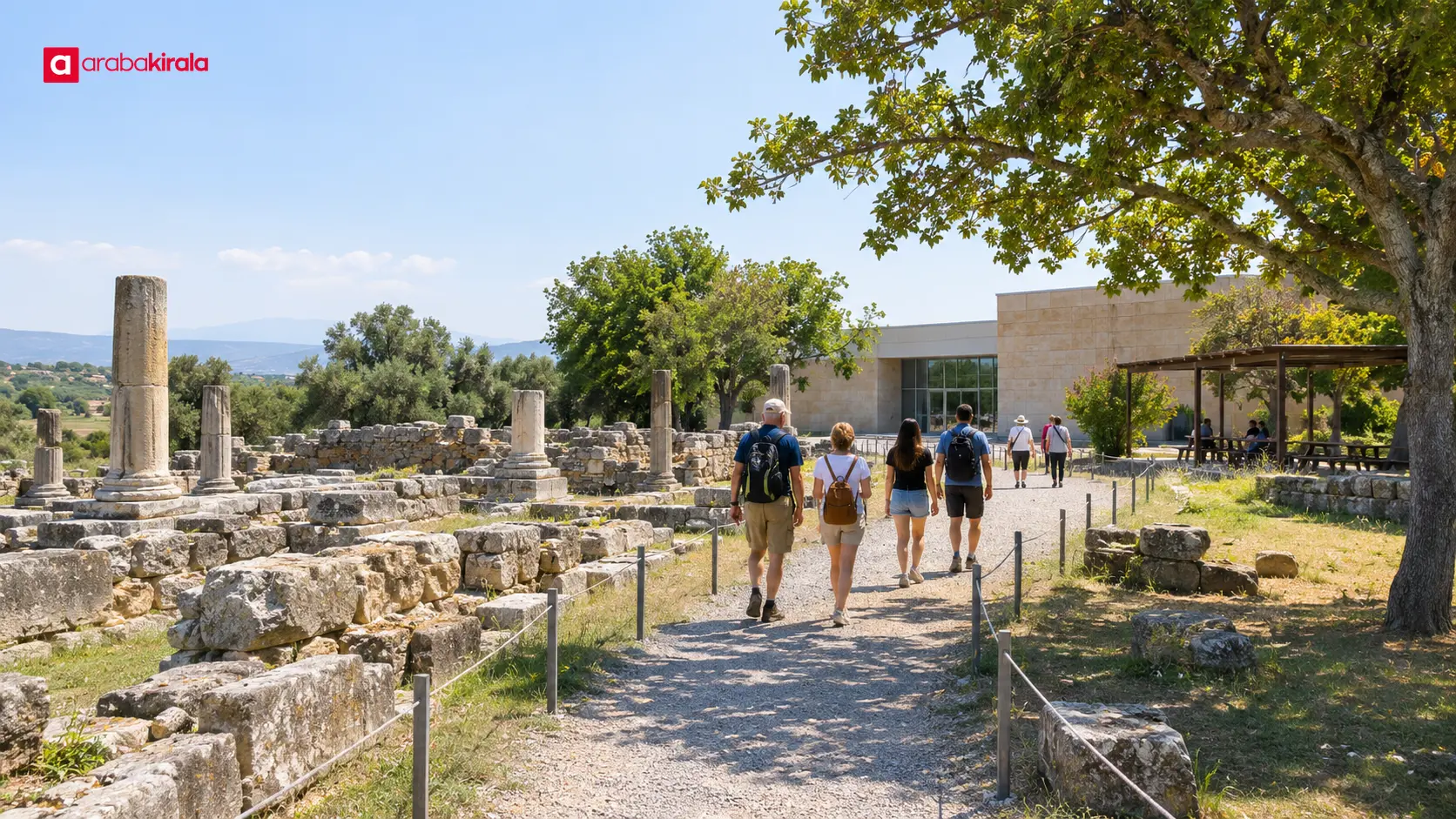
An open-air site is experienced on foot. Distance, gradients, surface conditions, shade and daylight can all affect how much of it is comfortable to explore. Sun, wind, rain and temperature also shape the time you may wish to spend outside. Indoor galleries are less exposed to weather, but their opening times, room layout and visitor arrangements still influence the pace of a visit.
Planning both areas together does not mean rushing through each. The outdoor route can help you understand the setting and the scale of a place; the indoor collection may provide objects, interpretation or archaeological context that adds depth. The indoor visit complements the landscape rather than serving only as a rainy-day substitute.
Build the season and weather into your plan
On sunny or hot days
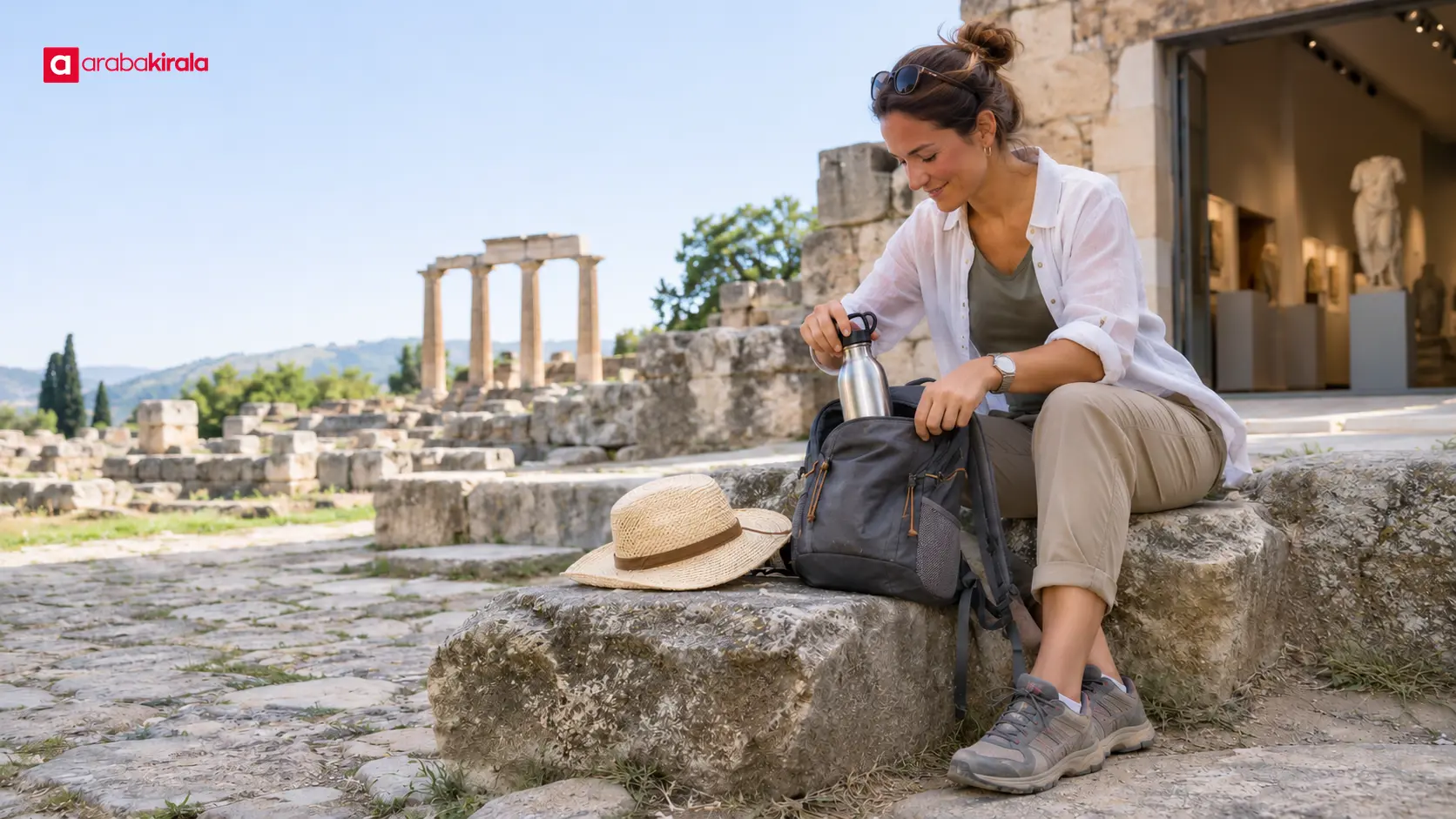
Walking for a long time in an exposed area during the warmest part of the day can be tiring. If possible, reserve cooler hours for outdoor exploration, notice where shade and places to rest are located, and keep water easy to reach. A hat, weather-appropriate clothing and comfortable shoes with a suitable sole are practical basics. Choose them for the actual conditions and your own needs; time indoors can also provide a natural pause in the day.
Consider both the temperature and the layout. A large site may have little shade, and you should not assume there will be shelters or seating where you need them. If you need current details about access, rest areas or temporary restrictions, check directly with the museum or site before setting out.
On rainy, cool or windy days
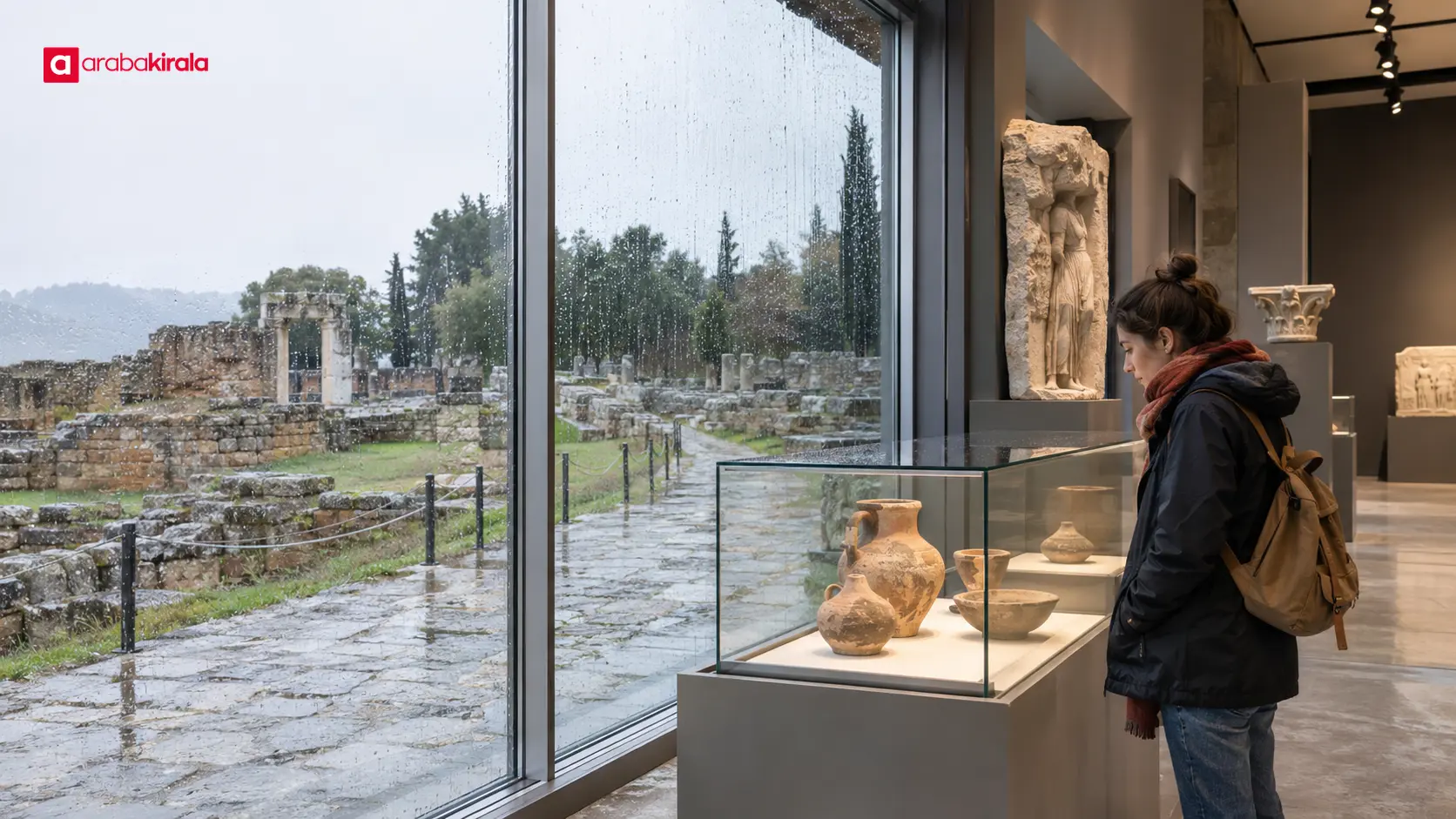
Rain can make stone or earth surfaces slippery, reduce visibility or slow a walk. Check the forecast close to the date and choose suitable clothing, such as a rain jacket and shoes with good grip. Strong wind can make an umbrella awkward on exposed or uneven ground. Moving indoors after part of the outdoor route can make the day more adaptable if the weather changes.
An indoor gallery is useful as a possible alternative, but do not assume every site has a connected indoor building, covered path or exhibition that is open at the same time. The outdoor and indoor sections may be some distance apart or have separate visiting arrangements. Review the visitor map and current information; ask the relevant institution about details that are unclear.
Choose a sequence that connects the two experiences
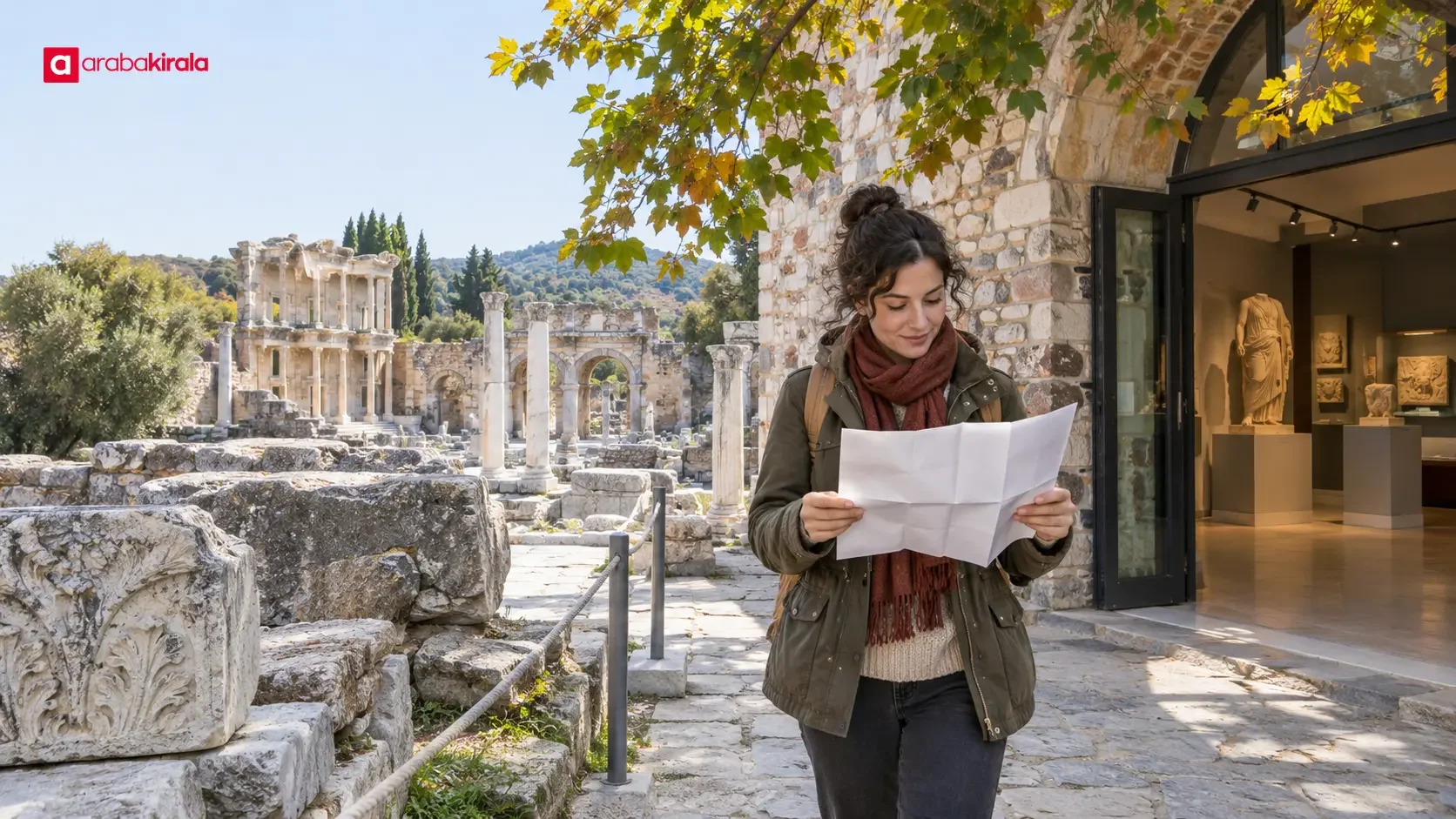
Start with the official visitor map or site information. Identify the outdoor route’s approximate extent, entrances and exits, the position of indoor areas, and any separate access arrangements. Treat estimated walking times as planning aids rather than guarantees: crowds, breaks and surface conditions can change the pace.
- Check the changeable details: Confirm seasonal opening hours, last entry information, areas that are closed or temporarily inaccessible, and any booking or ticket requirements. Hours and access can vary by period.
- Pick a suitable time for the outdoor route: Consider daylight, temperature, rain and wind together. Give priority to outdoor walking when conditions are more comfortable, especially if shade is limited.
- Leave meaningful time for the indoor visit: Do not treat galleries only as somewhere to go if the weather turns. Objects and interpretation may add important context to what you have seen outdoors.
- Allow for transitions and breaks: Include time for walking between buildings, resting, drinking water and finding your way. If the site has more than one entrance, confirm which one suits your planned route.
- Be willing to shorten the route: If conditions become demanding, choose a safe route and the areas most important to you instead of trying to cover every point.
There is no single correct order. On a cool, dry day, you may prefer a longer outdoor walk followed by the galleries. If rain is expected, starting indoors or keeping the visit in two flexible parts may work better. The site’s actual layout and visitor arrangements should guide the final sequence.
Consider walking, accessibility and safety
Archaeological sites can include natural ground, stone paving, steps, slopes and uneven surfaces. Photographs alone do not show whether a route will suit every visitor. If you use mobility assistance, travel with a pushchair or wheelchair, or need to keep walking distances short, ask about the route and the transitions into indoor areas before your visit. If an accessible route is described, check which parts it actually covers.
Stay on designated paths, do not climb on remains, and follow barriers and visitor directions. Heritage structures and surfaces may be sensitive to foot traffic. Comfortable footwear, clothing for the weather and a small bag suited to your needs can make the visit easier. If conditions are more difficult than expected, taking a break or shortening the route is a reasonable choice.
For visits with children, consider whether the outdoor walk and indoor gallery time suit their age and attention span. Choosing an easy-to-find meeting point can help a group stay together in a busy place. Rules for photography, food and drink, bags or animals differ between venues, so check with the institution if any of these details matter to your plans.
Transport and the day’s pace
A museum or site may be outside the city centre or have more than one access point. Consider journey time, parking or public transport, and the entry time together. If you plan to drive, check the route and access information near the site in advance; if you are using a rental car, ask the branch you will collect it from about details relevant to your intended journey. This preparation also leaves room to change plans if the weather shifts.
If you plan to visit more than one museum or archaeological site in a day, assess the opening times, locations and likely visit time for each separately. Map distance does not necessarily mean a short or easy trip between places. After a large outdoor site, trying to reach another attraction on a tight schedule can make you rush the most worthwhile part. Fewer stops with enough time at each can produce a more realistic day.
A short pre-visit checklist
- I checked current seasonal visiting hours and last entry information.
- I located the outdoor route, indoor areas and transitions between them on a map.
- I prepared clothing, footwear, water and sun or rain protection for the forecast.
- I obtained any information I need about walking distance and accessibility.
- I left time for breaks and transport so the visit does not depend on rushing.
Frequently Asked Questions
Should I visit the outdoor archaeological site or the indoor museum first?
The best order depends on the layout, daylight and the day’s weather. You can set aside the most suitable hours for outdoor walking and place the galleries before or after that period. Check whether the two areas have separate entrances or different visitor hours.
Can I visit an archaeological site in the rain?
That depends on the intensity of the rain, ground conditions and current access status. Wet stone and earth can become slippery, so check the forecast and the institution’s latest notices. Indoor galleries may offer an alternative if the outdoor area is unsuitable, but confirm whether they are open and accessible that day.
What should I bring for an open-air heritage visit?
Depending on the weather and your needs, consider comfortable shoes suited to the ground, water, a hat or protective clothing for sunny conditions, and a rain jacket if showers are possible. Whether large bags, food or drinks are permitted varies by venue, so review its visitor guidance.
Will the indoor museum be open if the weather is poor?
The indoor section can have its own hours, access arrangements or temporary changes. Do not assume that it is always open whenever the outdoor area is affected by weather. Check the museum’s current information and any notices before travelling.
Where can I find route information for visitors with limited mobility?
Begin with the museum or site’s official visitor information. Ask which surfaces, slopes, steps and transitions are part of the route, and how indoor galleries can be reached. One accessible section does not necessarily mean the whole site is accessible.
Why should I check seasonal visiting hours in advance?
Daylight, climate and site conditions can affect visitor arrangements, and institutions may update hours for different periods. Instead of relying on an old travel article or a previous visit, check the relevant official museum or cultural institution information close to your travel date.
Summary: keep the route flexible
A well-planned seasonal museum and archaeological site visit is more than fitting outdoor paths and indoor galleries into the same day. Consider ground conditions, daylight, weather, walking distance and the visitor arrangements for each area. First confirm current access and hours; then allow a suitable period for the outdoor route, enough time to explore indoors and breaks between the two. As a next step, open the site’s official visitor map and check its entrances, route and seasonal notices for the date you plan to go.
Legal Disclaimer: All content, articles and information on the Araba Kirala website are provided solely to inform users. No information shared on this website constitutes definitive advice or guidance. Araba Kirala Teknoloji A.Ş. and its authors cannot be held responsible for any direct or indirect damages arising from the application of information on the website. For all questions and requests regarding car rental, please contact the office from which you will rent your vehicle.












