How to Plan a Seasonal Nature Observation Trip
Published: November 3, 2026 • Reading Time: 7 min • Last Updated: November 3, 2026 • Author: Merve B.
Plan a thoughtful seasonal nature outing by considering light, habitat, quiet observation, route conditions and site rules.
Contents
- Choose an observation focus for the season
- What the seasons can change
- Plan around daylight and changing light
- Make light work for observation
- Plan the route and transport together
- Observe quietly and leave a light footprint
- Pack for the outing and record what you notice
- A short pre-trip checklist
- Keep the plan flexible
- Turn the plan into a useful next step
- Frequently Asked Questions
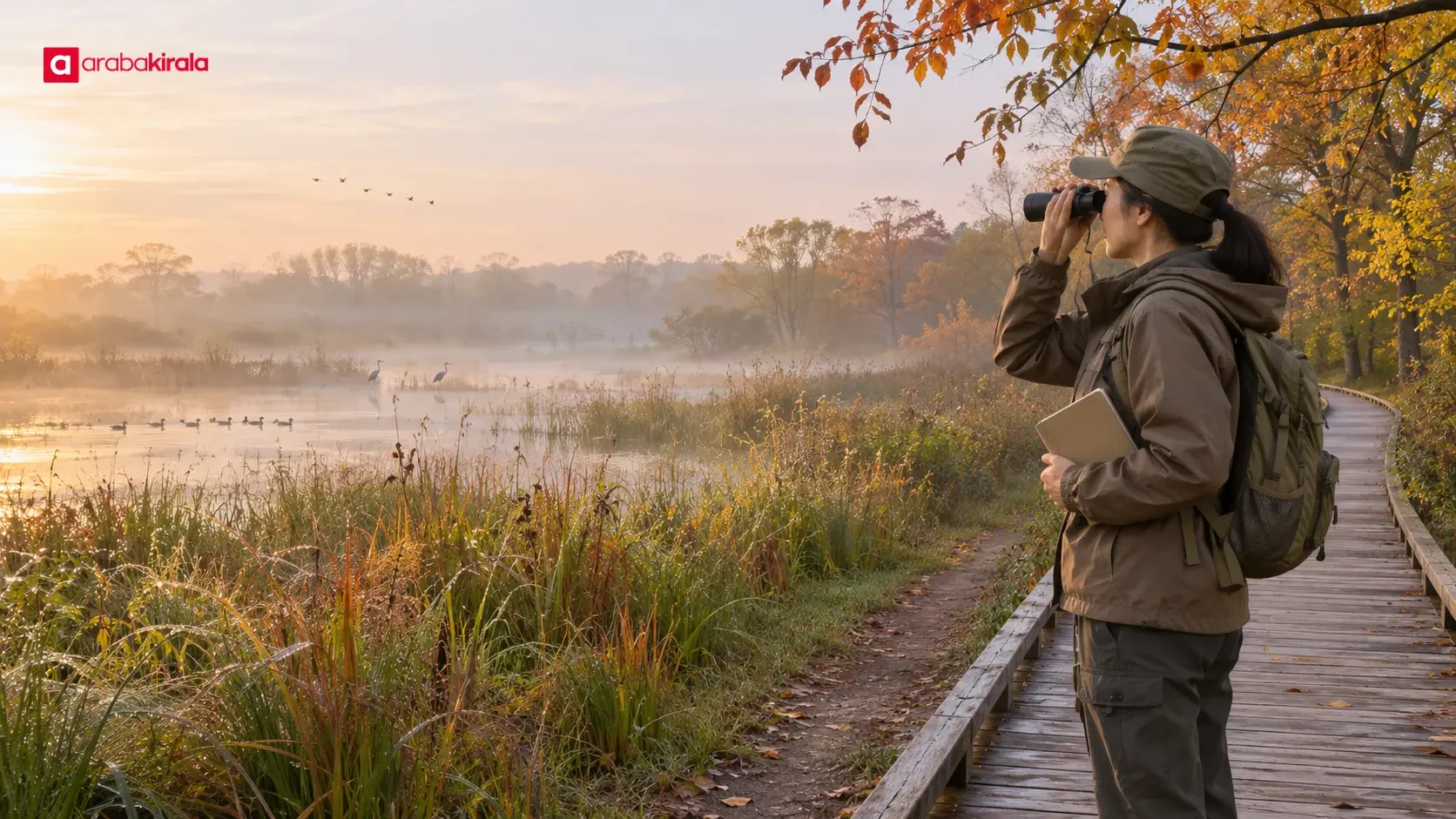
A seasonal nature observation trip plan starts with choosing what you hope to notice, which habitat to visit and how the season may shape the experience. This guide explains how daylight and changing conditions affect a visit, how to choose a route, how to observe quietly and responsibly, and what to prepare. The aim is not to guarantee wildlife sightings, but to make a thoughtful plan that respects the place and the living things in it.
Choose an observation focus for the season
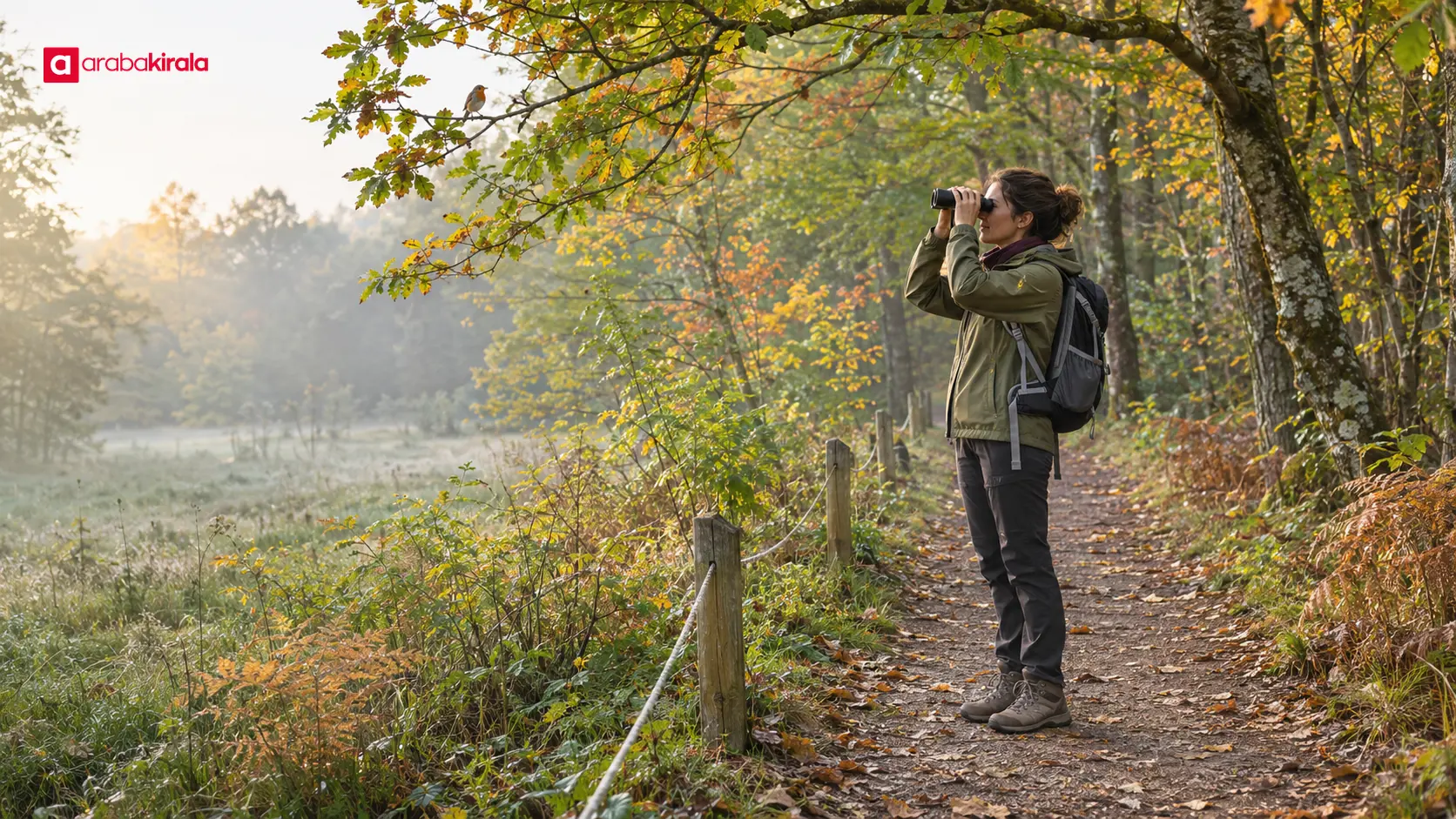
A clear focus helps you pay attention. It might be bird behavior, flowering plants, changing foliage, a wetland’s seasonal appearance or the character of a particular habitat. Seasons influence visibility, plant growth, ground conditions and animal activity. Visiting the same place at different times of year can raise different questions, even when the route stays the same.
Before setting out, check current access information and visitor rules through the relevant official site manager or local authority. Protected areas may have specific paths, viewing points or access arrangements. If a map or notice is unavailable, do not assume that an unverified route is open; contact the responsible authority for current guidance.
What the seasons can change
Spring brings new plant growth and may offer opportunities to observe seasonal behavior. It can also be a sensitive period for wildlife. Keep away from nests, young animals and breeding areas, stay on designated paths and watch from a distance. Quiet movement helps reduce the chance of disrupting natural behavior.
In summer, long daylight hours do not remove the challenges of heat, strong midday sun or a lack of shade. Plan water and breaks as part of the route. In autumn, foliage and changing conditions can make a familiar landscape feel different, while rain, mud and earlier dusk affect walking time. Winter visits call for attention to cold, ice and short daylight. Choose suitable clothing and set a realistic return time before leaving.
Plan around daylight and changing light
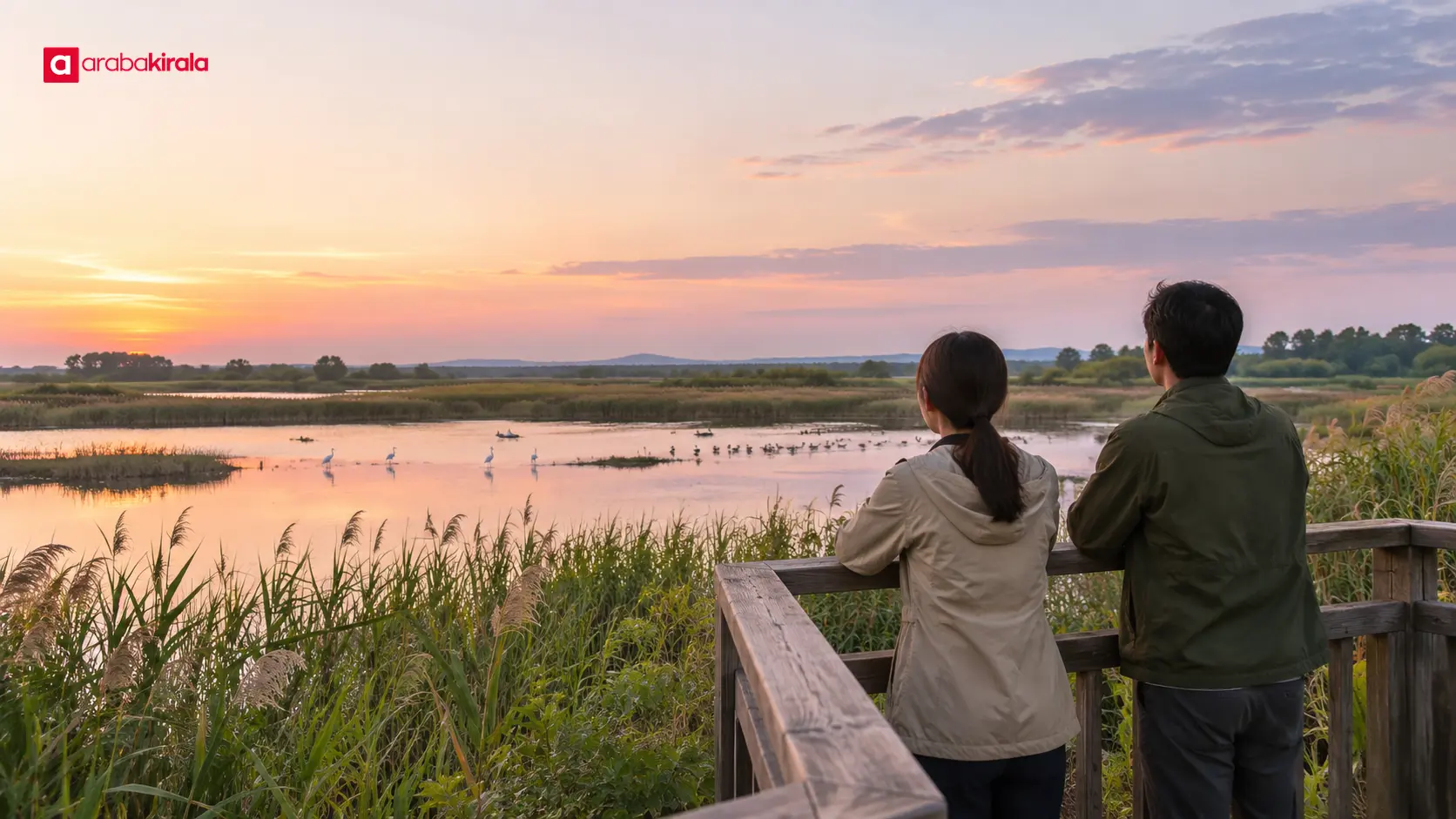
Light affects comfort and how clearly you can see detail, as well as how a photograph looks. Early morning can bring softer light and a quieter atmosphere, but it does not guarantee sightings or access. Near sunset, colors and shadows change, while the time available for a safe return becomes shorter.
Estimate the whole outing, not just the time needed to walk the trail. Include observation stops, rests and the return to your starting point. Avoid adding a new route section when daylight is nearly gone; be ready to shorten the plan if weather or ground conditions change. Since forecasts and sunrise or sunset times can change, check reliable current sources before departure.
Make light work for observation
Notice where the light comes from and whether the background makes your subject easier to see. If you use binoculars, adjust them while stationary and never look through them while walking. Avoid using a flash or approaching wildlife to improve a view. Keep a respectful distance and let animals behave naturally. Clothing and equipment choices do not have the same effect in every setting; site rules and care for the environment come first.
Plan the route and transport together
The starting point, trail length, slope, surface, shade and places to rest all shape the outing. A route that looks short on a map may take longer on mud, rocky ground or with frequent observation stops. If you are new to an area, use marked trails and official visitor information. An offline map can help with navigation; know the basic return route in case your phone loses signal or battery.
If you are driving, check current road access and parking arrangements. Visitors using a rental car can consider the pickup location alongside the planned route, and should ask the branch handling the reservation about vehicle use and handover details. Do not take a vehicle onto an unsuitable route or drive beyond areas intended for vehicles into natural habitat.
Observe quietly and leave a light footprint
Nature observation works best when it does not leave a trace or try to change how wildlife behaves. Speak softly, keep music off and avoid blocking narrow trails as a group. Playing calls to attract birds or mammals, feeding them or trying to flush them out should not become part of the observation method. Food left for wildlife can affect natural feeding behavior.
Do not pick plants, disturb nests or shelters, or move stones and other natural objects. Carry all waste back with you, including food scraps; an item that seems biodegradable still does not belong on the ground. Staying on the path helps protect vegetation and sensitive habitat. Keep out of closed areas and places where access is restricted.
Pack for the outing and record what you notice
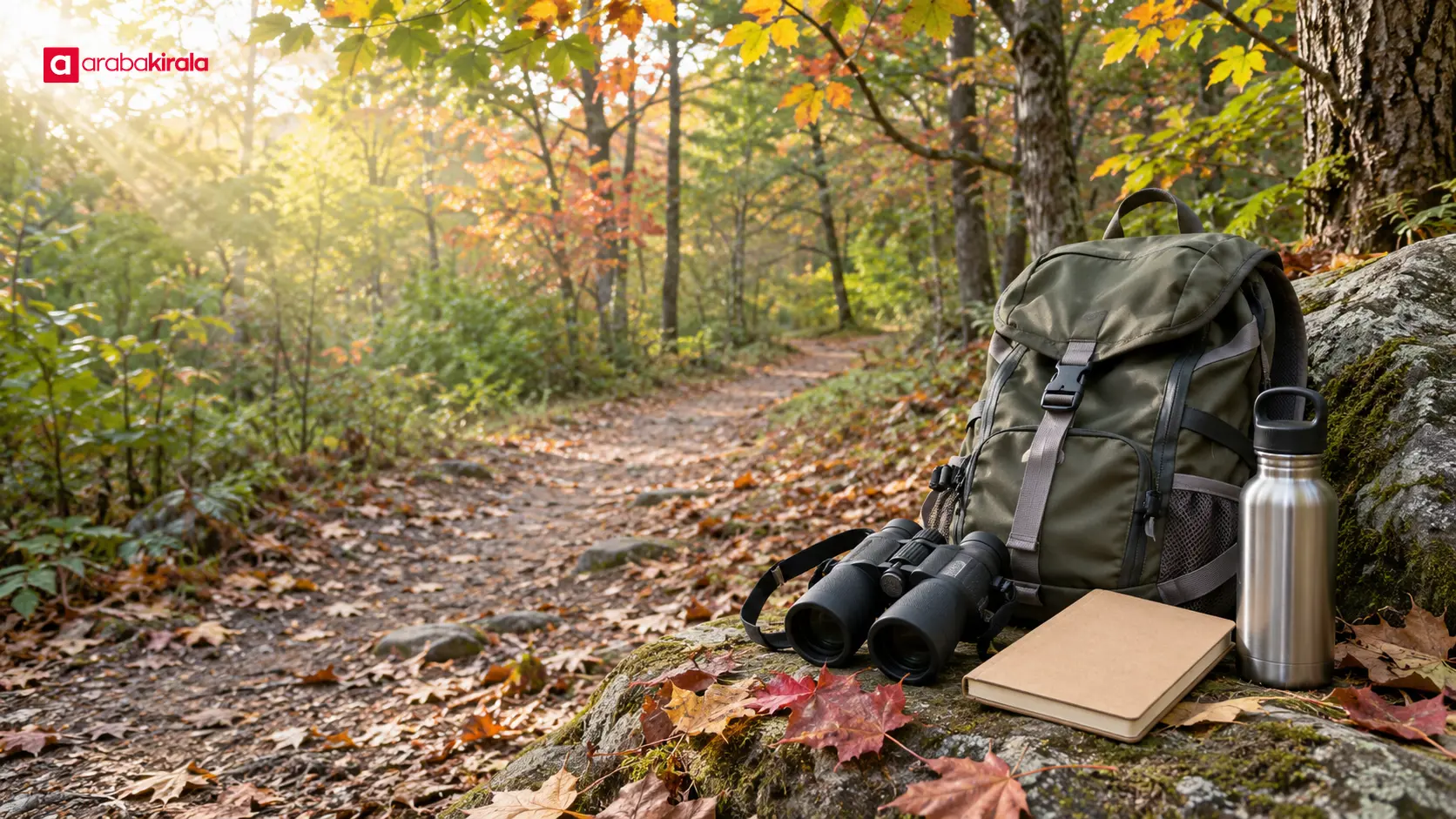
Choose clothing for the forecast, terrain and length of the visit. Layered clothing, comfortable shoes with a secure grip, enough water and season-appropriate protection are useful starting points. Binoculars, a small notebook and a pencil can support observation, but there is no need to carry every accessory. Knowing how to use a few items is more useful than carrying a heavy bag.
When taking notes, record the date, approximate time, weather and habitat as context. If you are unsure of a species, describe what you saw, heard or observed instead of guessing. Photography is optional; notes can help you pay closer attention. Before sharing an image, consider whether its location data could expose a sensitive species or habitat.
A short pre-trip checklist
- Choose an observation focus and the habitat you want to visit.
- Check access, trail conditions and rules through current authoritative information.
- Plan weather, daylight, walking time, observation stops and your return.
- Pack suitable footwear, water, clothing and only the observation tools you need.
- Tell someone your route and expected return time.
- Stay on marked paths, keep distance from wildlife and carry your waste out.
Keep the plan flexible
Visibility in nature changes from day to day. Weather, noise, seasonal movement and the current state of a habitat all affect what you may notice. Not seeing a particular animal does not make a trip unsuccessful. You can still observe plant growth, tracks, sounds and the broader condition of the habitat. Adjust the route and time to the conditions instead of trying to force a particular sighting.
If weather or ground conditions make it unsafe to continue, follow your return plan. Do not leave a marked trail or try an unfamiliar shortcut when you are lost. Check official visitor information before departure for the site’s emergency guidance and contact methods.
Turn the plan into a useful next step
A rewarding nature outing combines a realistic focus, season-appropriate timing, a clear route and considerate behavior. Before leaving, confirm access rules and the forecast. While there, keep your distance, stay quiet and remain on designated paths. Afterward, review your notes to see which time, habitat or equipment would suit a future visit. Start by choosing the area and confirming your route through its official visitor information.
Frequently Asked Questions
What time of day is best for nature observation?
There is no single best time for every place or species. Early morning may offer softer light and a quieter setting, while a visit near sunset leaves less daylight for the return. Consider your observation focus, site opening information, weather and the time needed to get back safely.
What should I bring on a nature observation trip?
Comfortable walking shoes, weather-appropriate clothing, water and a small notebook are useful for many short outings. Binoculars can help if they suit your focus. Avoid unnecessary weight and use all equipment in line with site rules.
Is it appropriate to play animal calls to attract wildlife?
Playing calls can disturb animals and change their natural behavior. Observe quietly from a distance, follow the rules for the area and avoid trying to make wildlife appear by approaching or making noise.
How should I adjust my plan for rainy weather?
Rain can make trails slippery, reduce visibility and extend the return time. If current weather or site conditions do not support a safe visit, shorten the route or choose another day. There is no need to pursue an observation goal when conditions worsen.
Why should I stay on the trail?
Leaving a trail can crush plants, disturb sensitive habitat or nesting areas and make navigation harder. Use designated routes and stay out of closed areas, following the visitor rules for that site.
What if I cannot identify something I observed?
Record details without making a definitive identification: color, shape, approximate size, sound, behavior and habitat. You can compare those notes later with a reliable field guide or scientific source. Do not present a species name as certain if you are unsure.
Legal Disclaimer: All content, articles and information on the Araba Kirala website are provided solely to inform users. No information shared on this website constitutes definitive advice or guidance. Araba Kirala Teknoloji A.Ş. and its authors cannot be held responsible for any direct or indirect damages arising from the application of information on the website. For all questions and requests regarding car rental, please contact the office from which you will rent your vehicle.