SUV Car Rental Guide: Choose a Vehicle for Your Trip
Published: November 3, 2026 • Reading Time: 8 min • Last Updated: November 3, 2026 • Author: Merve B.
Learn how to choose an SUV rental by considering vehicle size, passengers, luggage, driving plans, fuel use, and pickup checks. This practical guide helps match the vehicle class to your needs.
Contents
- What does SUV mean?
- Choose the right size for passengers and luggage
- Consider cargo and seating together
- City driving, dimensions, and parking
- Fuel, driving feel, and route planning
- Details to clarify before booking
- Pickup and return checks
- A practical checklist before setting out
- Frequently Asked Questions
SUV car rental can suit travelers looking for a higher seating position or a cabin arranged differently from a conventional passenger car. This guide explains what the SUV category does and does not tell you, how to consider passengers and luggage, what to keep in mind for city and longer-distance driving, and what to check at pickup. The label alone does not guarantee a particular capacity, fuel consumption, or off-road ability. Choose with the actual vehicle details and your travel plan in mind.
What does SUV mean?
SUV is a broad vehicle category. Many models have a taller body and a higher seating position than some passenger cars, but design varies widely. The category includes compact vehicles suited to everyday urban travel as well as larger models with multiple seating rows. A category name does not confirm how comfortably a particular vehicle will carry your group or how much luggage its cargo area will hold. Check the specific vehicle information available for your booking and ask the rental branch to clarify details that matter to your trip.
A raised body also does not automatically make a vehicle suitable for difficult terrain. Some SUVs are front-wheel drive, and four-wheel drive should only be assumed when the specific vehicle is equipped with it. Tires, road surface, weather, and the vehicle’s technical design all affect how it handles. If your route includes unpaved or steep sections, ask about the vehicle’s relevant specifications and assess the route conditions before setting out. An SUV body style is not a substitute for safe driving or a guarantee that a road is suitable.
Choose the right size for passengers and luggage
Consider cargo and seating together
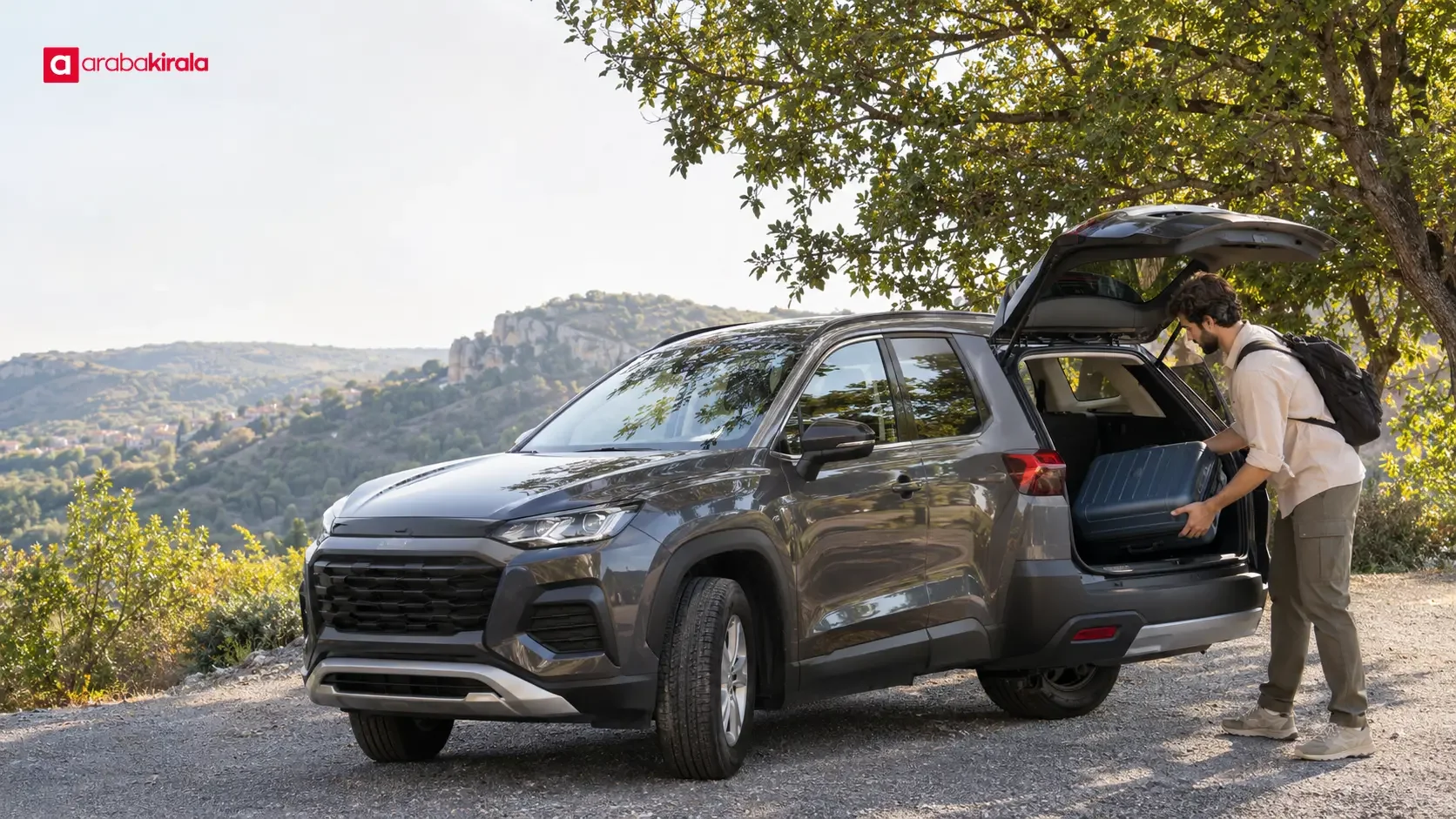
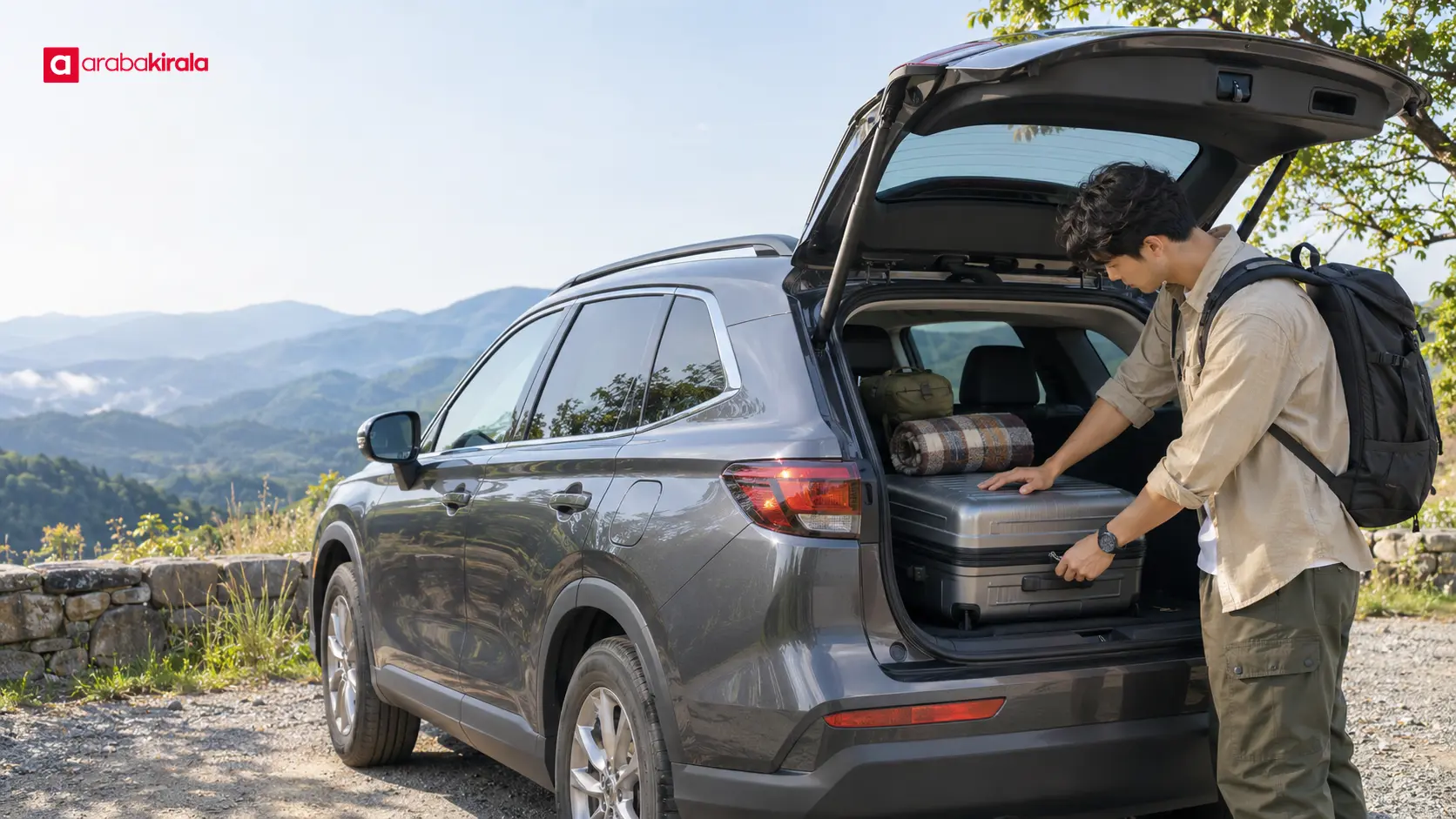
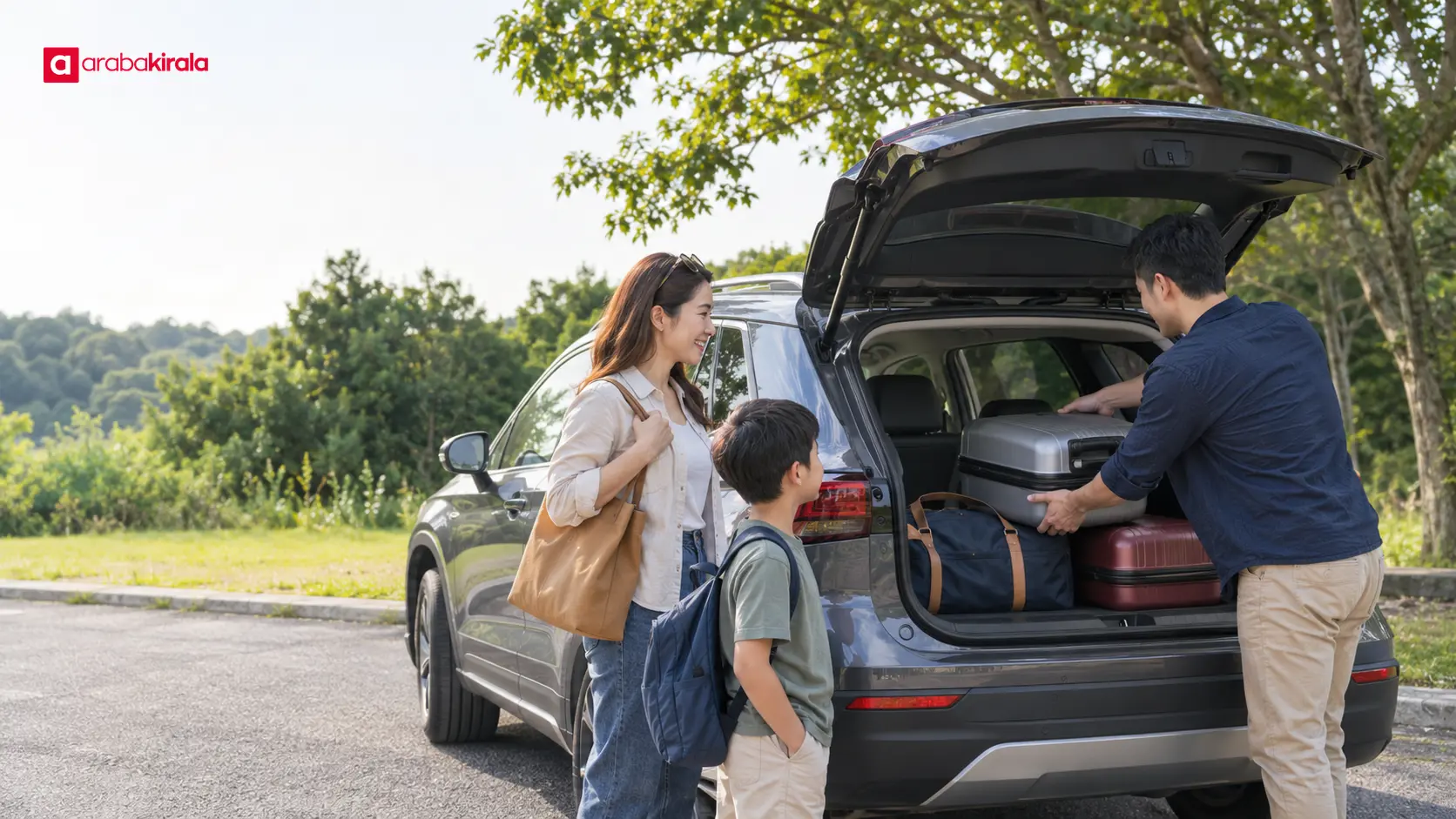
Count the travelers and think about the amount and shape of their luggage. A listed seat count does not necessarily mean that every passenger will find the cabin comfortable on a long journey. Child seats, strollers, sports equipment, and large suitcases can take up usable space. Packing luggage high against the rear window may obstruct the driver’s view. Secure loads and keep the sightline clear.
Think about the actual objects you plan to carry, not just a volume figure or the number of seats. Hard-shell cases, folded strollers, and long equipment may need different arrangements. If the booking is for a vehicle class rather than a confirmed model, ask the branch about the likely cargo layout and the information it can confirm. Reassess if the passenger or luggage plan changes. Avoid overloading the vehicle and contact the branch if the planned load does not fit safely.
City driving, dimensions, and parking
A taller or wider body can affect parking choices and maneuvering on narrow streets. If your route passes through busy city centers, tight parking structures, or older streets, vehicle length, width, and height may matter. Check the entrance clearance of any low-ceiling garage and ask the branch for the vehicle’s height if you do not know it. Parking sensors or a camera may be available in some vehicles, but they do not replace looking around carefully and maneuvering slowly.
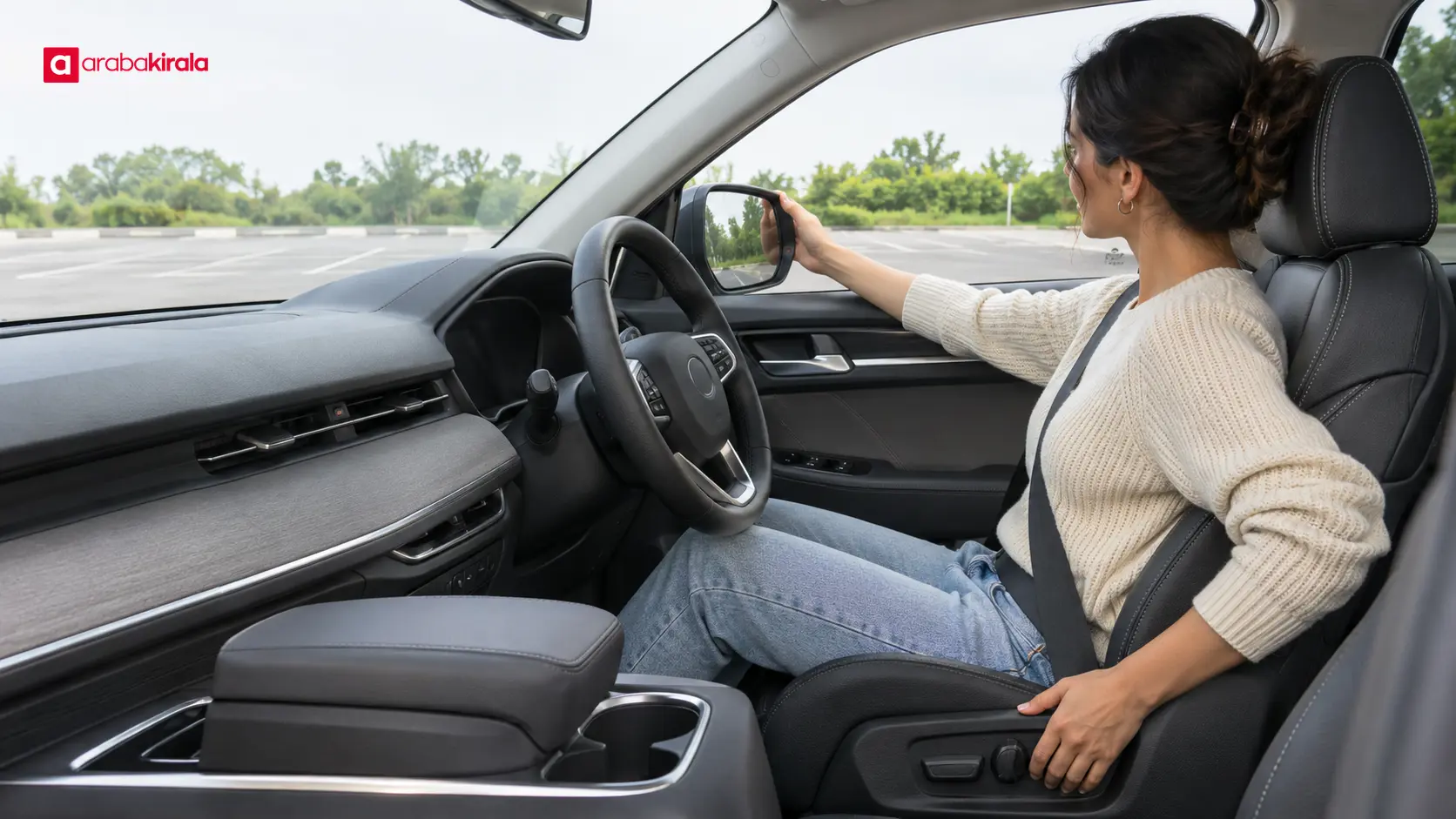
Before moving, adjust the mirrors and learn where the vehicle’s corners are. If you have not driven an SUV before, allow a moment to get used to its sightlines, turning space, and blind spots. When parking, check for pedestrians and low obstacles directly as well as using any display. A larger vehicle may not fit every space comfortably, even if the space looks adequate from the driver’s seat.
Fuel, driving feel, and route planning
Fuel use can vary with engine, vehicle weight, body shape, drivetrain, load, traffic, terrain, weather, and driving style. The SUV label does not give a reliable consumption figure for every model. Confirm the fuel type and how the pickup fuel level will be recorded. For longer journeys, plan refueling and breaks around the distance and conditions of your route. Actual consumption depends on the vehicle and how it is used, so avoid treating a general estimate as a promise.
A higher seating position may change how the road feels, but it does not shorten braking distance or change applicable speed limits. Avoid abrupt steering, leave a safe following distance, and adjust speed to weather and traffic. If you plan to carry items on the roof, check the vehicle’s instructions for suitability and load limits. Roof equipment can affect handling and total vehicle height. Ask for vehicle-specific guidance on approved equipment and fitting before using it.
Details to clarify before booking
Keep the difference between a vehicle class and a confirmed model in mind while searching and booking. A class can describe broad characteristics; it does not mean the same model, equipment, or drivetrain will be available for every reservation. Identify what matters to your trip: passenger count, cargo space, transmission preference, fuel type, and the route. Share those needs with the branch and ask what vehicle class fits them. If a specific model or feature is essential, ask how it can be confirmed for your reservation.
Rental duration, pickup and return locations, opening hours, additional-driver arrangements, mileage terms, and possible fees can depend on the branch and booking. Ask the office you will rent from instead of assuming an industry-wide rule. Read the terms that apply to your reservation, including the vehicle class, fuel record, pickup and return times, any mileage conditions, damage reporting, and listed charges. If wording is unclear, ask for an explanation before signing and resolve any difference between the document and what you were told.
Pickup and return checks
- Inspect the bodywork, windows, lights, wheels, and cabin at pickup. Have existing damage noted in the vehicle condition record.
- Compare the fuel gauge and odometer with the pickup record. These readings help document the vehicle’s starting and return condition.
- Look at the visible condition of the tires and check for warning lights. Report anything that concerns you before driving away.
- Adjust the mirrors, seat, and steering wheel. Locate the lights, wipers, indicators, and basic controls, and ask about an unfamiliar feature before moving.
- Confirm the return location, time, and key handover method with the branch. At return, check the fuel and mileage records, the vehicle’s condition, and the record showing that handover is complete.
Taking time for these checks helps document the starting condition and prepares you to drive. If you take photos, make sure they clearly show the vehicle’s condition and clarify the branch’s preferred record process. If you notice new damage at return, tell the staff and ask how it will be recorded. These steps help keep records clear; they do not guarantee a particular assessment or fee outcome.
A practical checklist before setting out
Before confirming a reservation, review the number of travelers and bags, consider parking and road conditions along the route, and check with the branch that the vehicle class suits the plan. Once you have the vehicle, complete the controls and condition checks before setting off. Set up navigation and phone use before driving so you can keep your attention on the road. SUV car rental is most useful when the choice follows the actual trip: an appropriate size, manageable luggage, and a short adjustment period can make the journey more comfortable. For exact pickup, use, and fee details, rely on the terms for your reservation and the explanation from the branch you will rent from.
Frequently Asked Questions
How do I choose the right SUV size for a rental?
Consider passenger count, the size and shape of luggage, parking on your route, and where you will drive. The category name alone does not confirm cargo capacity or cabin comfort. Ask the branch to confirm the specific vehicle and capacity information available for your booking.
Is every SUV suitable for off-road driving?
No. The SUV body style does not by itself confirm four-wheel drive or suitability for difficult terrain. If your route leaves paved roads, ask about the vehicle’s drivetrain, tires, and use limitations, and do not take a vehicle onto roads for which it is unsuitable.
Does an SUV always use more fuel?
There is no single answer for every SUV. Consumption varies with the engine, vehicle weight, route, traffic, load, and driving style. Ask about the fuel type and vehicle-specific information before booking, especially when planning a long route.
How can I tell whether the luggage area is large enough?
Consider the dimensions and number of cases, as well as child equipment and other items. Secure luggage and keep the rear window view clear. If the exact model is not confirmed, ask the branch about the cargo layout for the vehicle class.
What should I check when picking up a rental SUV?
Check that existing damage is recorded and that the fuel and odometer readings match the pickup document. Confirm booking-specific details such as return time and location. Ask for clarification before driving if a record is incomplete or unclear.
What should I do if I have never driven an SUV?
Before moving, adjust the seat and mirrors, locate the controls, and check your sightlines. Take extra care with parking and turns while you get used to the body size. Sensors and cameras can help, but you should still look around directly.
Legal Disclaimer: All content, articles and information on the Araba Kirala website are provided solely to inform users. No information shared on this website constitutes definitive advice or guidance. Araba Kirala Teknoloji A.Ş. and its authors cannot be held responsible for any direct or indirect damages arising from the application of information on the website. For all questions and requests regarding car rental, please contact the office from which you will rent your vehicle.