
Vehicle Insurance Claim Documents and How to Track Missing Paperwork
Published: November 3, 2026 • Reading Time: 7 min • Last Updated: November 3, 2026 • Author: Merve B.
Learn which document groups may be part of a vehicle damage claim, how to organize submissions, and how to follow up on missing paperwork.
Contents
- What is a claim file for?
- What documents may be part of a vehicle insurance claim?
- Records that describe the incident and parties
- Identity, vehicle, and policy details
- Damage photos and inspection records
- Documents related to repair costs or payment review
- A step-by-step way to track missing paperwork
- Careful document submission
- What to do about a delay or conflicting information
- Keep the checklist and communications together
- Frequently Asked Questions
Vehicle insurance claim documents help explain how an incident occurred, what condition the vehicle is in, and what information supports the claim. This guide covers incident records, photographs, claim details, and a practical way to track missing paperwork and insurer communications. Requirements can depend on the type of damage, the policy, and the stage of review, so confirm the current list for your claim with the insurer handling it.
What is a claim file for?
A claim file is the set of information and documents gathered under one claim record. Its contents connect details such as the time and place of an incident, the people or vehicles involved, visible damage, notification information, and any other material needed for review. Complete, consistent records can reduce follow-up requests for clarification, but they do not by themselves guarantee coverage or payment.
There is no single document list that fits every incident. The damage, whether another vehicle or a person is involved, the way the event was recorded, and the policy can all affect what is requested. Treat a general online checklist as a starting point, not a definitive requirement. Use the insurer's claim-specific request as your guide.
What documents may be part of a vehicle insurance claim?
Records that describe the incident and parties
A claim notice usually needs basic information such as when and where the incident happened and how the relevant vehicles or people are connected to it. Depending on the circumstances, the insurer may request an accident report, a record prepared by law enforcement, or another incident document. Do not assume that the same type of report applies to every case; ask which record is needed for your claim. Compare its date, location, and vehicle details with the rest of your submission.
Identity, vehicle, and policy details
Identity and contact details, vehicle information, and a policy number may be requested to match the report to the correct policy and vehicle. Share them through a channel you have verified belongs to the insurer and is appropriate for sensitive information. Check that the name, vehicle description, and policy details agree across the documents. If something differs, explain the discrepancy when you submit the file.
Damage photos and inspection records
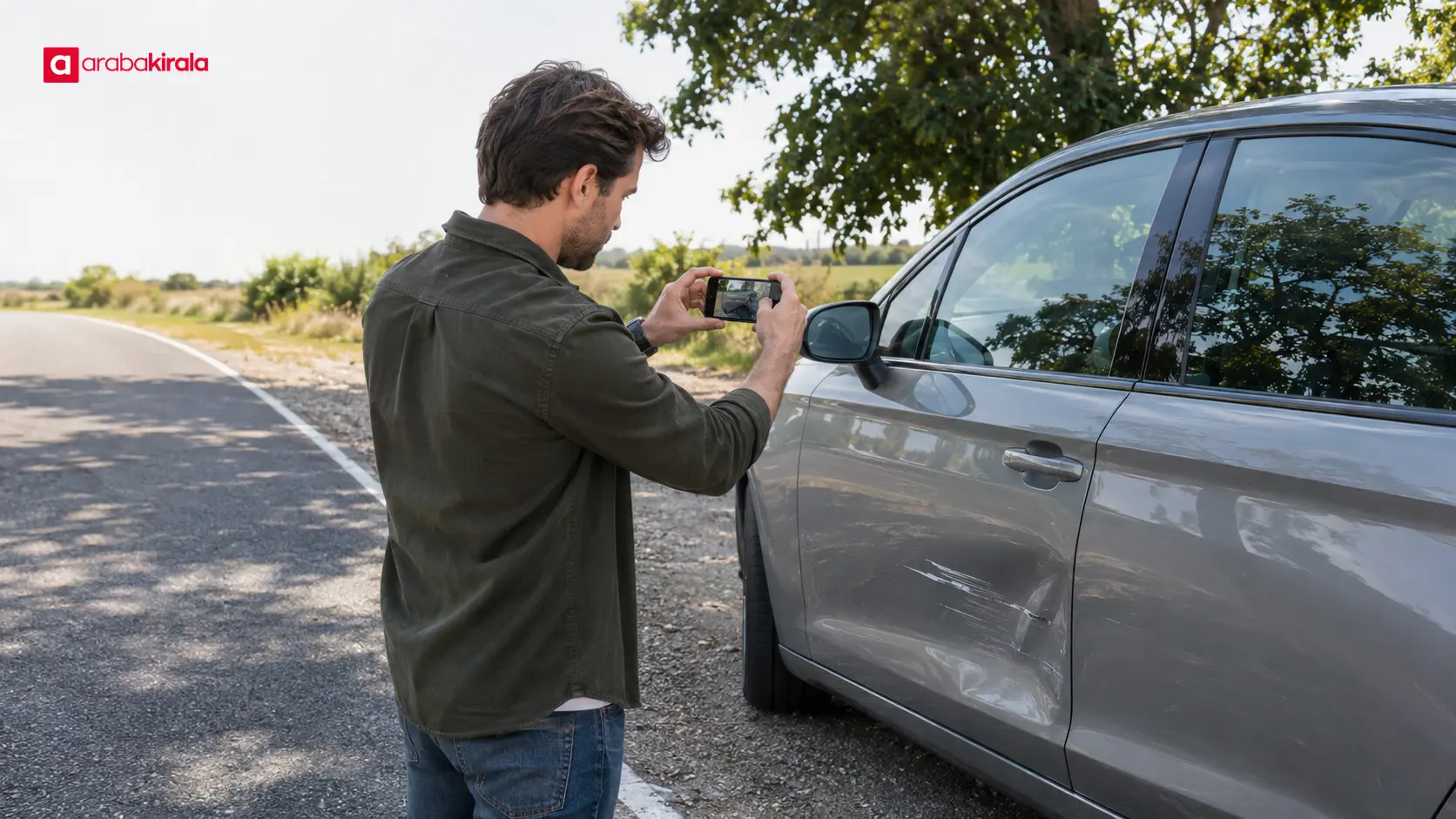
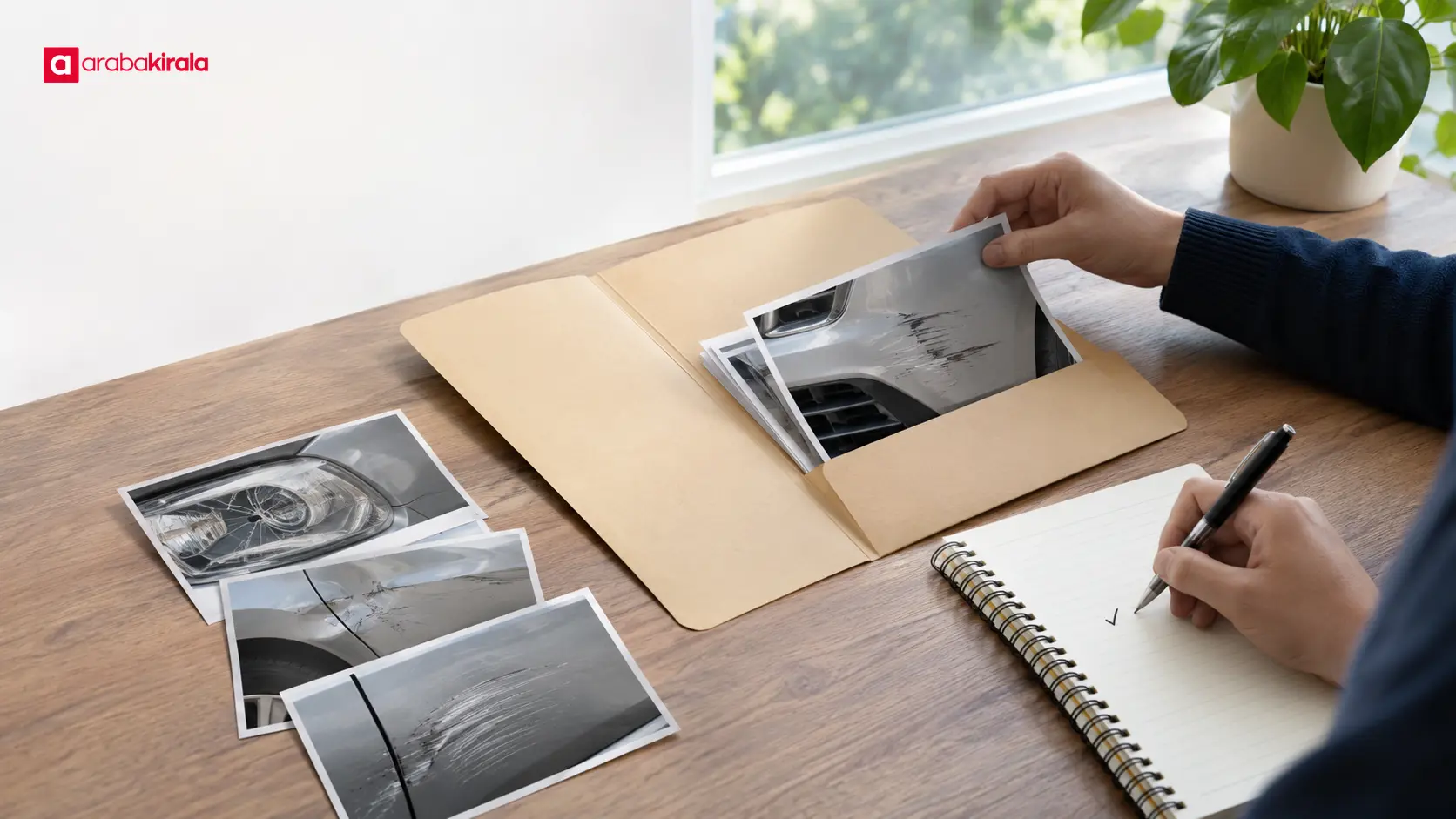
Photographs help show the visible condition of damaged areas. When it is safe and traffic conditions allow, take clear images from several angles and include both a close view and a wider view that identifies the relevant part of the vehicle. Never enter a road or unsafe area just to take a picture. Before repairs or replacement of damaged parts, ask the insurer whether an inspection or other documentation is needed. The file may also include records from an adjuster or repair facility if requested.
Documents related to repair costs or payment review
Depending on the type of damage and the claim stage, supporting items could include a repair assessment, estimate, invoice, payment details, or another record. These are not necessarily required in every claim. Before arranging a document, confirm what format is accepted, who should prepare it, and when it is needed. Keep copies of records showing the date and description of any expense, and ask the insurer how they relate to your claim.
A step-by-step way to track missing paperwork
- Record the claim notification. Note the date you reported the damage, the channel you used, and any claim number. Keep a copy of the confirmation or submission summary if one is provided.
- Get the list for your claim. Ask the insurer to identify each requested item, why it is needed, the accepted submission format, and whether it has arrived in the file. Record the exact document names so you can track them individually.
- Organize the documents. Include the claim number and a short description in each filename. A structure such as “claim-number_photos” or “claim-number_incident-record” helps reduce mix-ups and duplicate work. Keep the original files unchanged.
- Log each submission and receipt. Record when and how each item was sent, along with any delivery confirmation. Keep copies of uploaded files, sent emails, and acknowledgment messages.
- Clarify a missing-item request. When the insurer asks for more material, confirm which document is missing, whether an earlier submission was added to the file, and whether anything else is outstanding. If you do not have the requested record, explain that and ask whether an alternative record or written explanation is acceptable.
- Check for status updates. Review the claim through the available insurer channel at reasonable intervals. After each conversation, note the date, the team or representative description, the information provided, and your next step.
Careful document submission
- Send complete, legible copies and keep originals unless the insurer specifically asks for them.
- If you need to submit through more than one channel, log each submission with its date and channel.
- Describe only what you know about the incident. Do not present an uncertain detail as fact; ask the insurer how it should be clarified.
- Share personal data only through verified channels and only when relevant to the claim. Avoid distributing other people's information unnecessarily.
- Before repairs or part replacement, find out whether the claim needs an inspection or a particular record of the vehicle's condition.
What to do about a delay or conflicting information
If a document was sent but does not appear in the claim, confirm receipt against the claim number before sending it again. If a copy was rejected as unclear, ask which page or portion needs to be replaced. If you do not have a requested item, ask what explanation or alternative record may be considered. When different teams provide different answers, request the current list in writing and include your claim number so the response can be tied to the correct file.
If you need to plan an inspection or repair, ask which documents are still holding up that step and what the latest claim status is. Do not apply a general processing timeframe as a guaranteed deadline for your own claim; timing can depend on the file's stage and requested actions. Keeping correspondence and submission confirmations together makes follow-up calls easier and helps avoid searching for the same information again.
Keep the checklist and communications together
A simple tracker can include the document name, request date, sent date, submission channel, receipt confirmation, and current status. Add a dated entry for each update instead of overwriting earlier notes. This makes it easier to see what is still outstanding and which steps have been completed.
In short, think of vehicle insurance claim documents as incident records, vehicle and policy details, evidence of damage, and any claim-specific supporting material. Record the claim first, obtain the list for your file from the insurer, and keep a receipt trail for every submission. Your next step is to confirm the current missing-item list using your claim number and store organized copies of the documents you already have.

Frequently Asked Questions
Which documents are always required for a vehicle insurance claim?
There is no universal list for every claim. The incident, policy, and review stage can change what is needed. Ask the insurer for the current list that applies to your file.
When should I take damage photographs?
Safety comes first. If conditions allow, photograph the damaged area from different angles without entering traffic or another unsafe place. Ask the insurer whether an inspection is needed before repairs begin.
What if I do not have a requested document?
Tell the claim handler why it is unavailable and ask whether a written explanation or another record can be considered. Keep a note of the request and the response instead of leaving it unanswered.
How can I confirm that my paperwork reached the claim file?
Record the submission date and channel, retain any receipt confirmation, and verify receipt using your claim number. For an online upload, keep a copy of the confirmation screen or message.
What should I do if I am asked to send the same document again?
First ask whether the earlier copy was added to the file and what, if anything, needs to change in the new copy. If you resend it, record the new date and keep the acknowledgment.
Legal Disclaimer: All content, articles and information on the Araba Kirala website are provided solely to inform users. No information shared on this website constitutes definitive advice or guidance. Araba Kirala Teknoloji A.Ş. and its authors cannot be held responsible for any direct or indirect damages arising from the application of information on the website. For all questions and requests regarding car rental, please contact the office from which you will rent your vehicle.












