What Does Brake Fluid Do? How to Read Maintenance Guidance
Published: November 3, 2026 • Reading Time: 7 min • Last Updated: November 3, 2026 • Author: Merve B.
Learn how brake fluid supports braking, where to find maintenance guidance in your vehicle manual, and how to respond safely to warning signs.
Contents
- What brake fluid is and how it works
- Why brake fluid needs maintenance
- Finding the interval and fluid specification in the manual
- How to interpret the level markings and dashboard warnings
- Inspection and replacement: when not to work on it yourself
- What to check about the brakes when renting a car
- A practical checklist
- Summary and next step
- Frequently Asked Questions
What does brake fluid do? It helps transfer the force you apply to the brake pedal through the hydraulic system to the brakes at the wheels. This guide explains that role, how to find the right maintenance information in your vehicle manual, and how to interpret fluid level markings and warning signs. Because a braking problem can affect safety directly, it is useful to know what a basic check can tell you and when to stop driving and seek help.
What brake fluid is and how it works
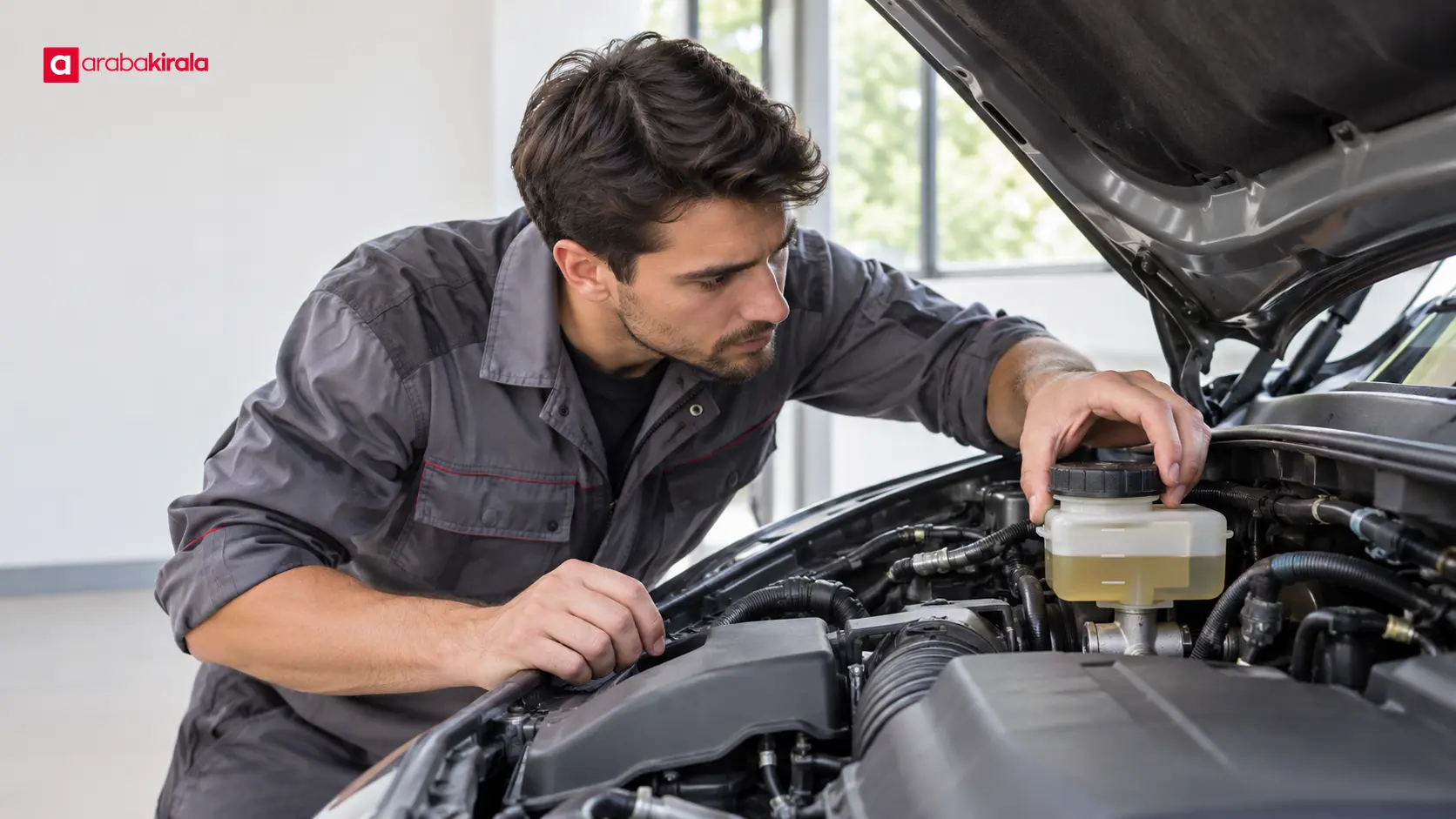
A hydraulic braking system has a sealed path connecting the pedal, master cylinder, and braking components at the wheels. Pressing the pedal creates pressure in the master cylinder. Brake fluid carries that pressure through the lines to the wheel mechanisms, where brake pads or shoes press against a disc or drum to slow the vehicle. Designs differ, but the fluid’s central role is to help transmit force.
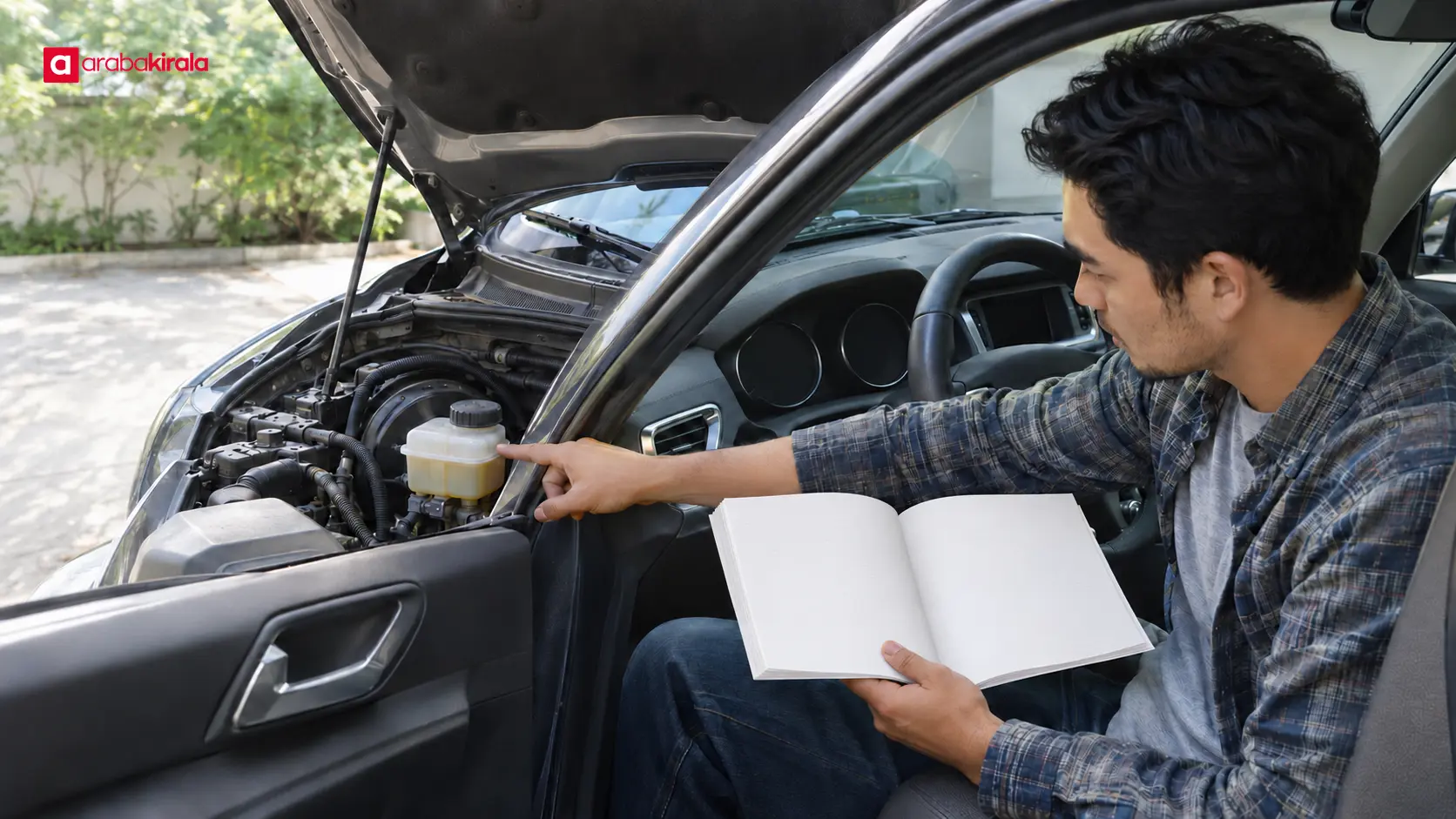
Brake fluid is not engine oil or coolant, and it does not belong in those systems. It is also different from steering fluid and windshield washer fluid. Reservoir locations and appearances vary by vehicle, so do not identify a fluid by color or container shape alone. Use the diagrams and descriptions in the vehicle’s owner manual before inspecting anything under the hood.
Why brake fluid needs maintenance
Brake fluid is exposed to heat generated during braking and to the operating conditions of the system. Its properties can change over time. A leak, worn component, or other fault can also affect braking performance. For that reason, maintenance involves more than checking the reservoir level: the correct specification, system condition, and signs of leakage all matter.
Brake fluid can absorb moisture. As moisture content increases, the fluid’s resistance to heat can decrease, which matters during demanding braking. Appearance alone cannot establish the moisture level or determine whether the fluid is safe to use. Color is not a reliable stand-alone basis for deciding when to replace it.
Finding the interval and fluid specification in the manual
Maintenance schedules are not identical across vehicles. Model year, brake system design, and manufacturer instructions can differ, so do not apply one mileage figure or time period to every car. Look in the owner manual under “brake fluid,” “brake fluid replacement,” or the corresponding maintenance schedule entry. Read any stated interval together with notes about driving conditions.
Look for these details:
- The recommended inspection or replacement schedule and any conditions that affect it.
- The required fluid specification or technical designation for the vehicle.
- Instructions for a low-level warning, brake system alert, or change in pedal behavior.
- Guidance on the expertise or equipment needed for maintenance.
The specified fluid matters because using an incompatible type or mixing products without checking the requirements may cause problems. Confirm the designation on the reservoir cap or in the manual before selecting a product. If you are unsure, ask a qualified service professional instead of topping it up by guesswork. Do not assume that an opened or long-stored container is suitable.
How to interpret the level markings and dashboard warnings
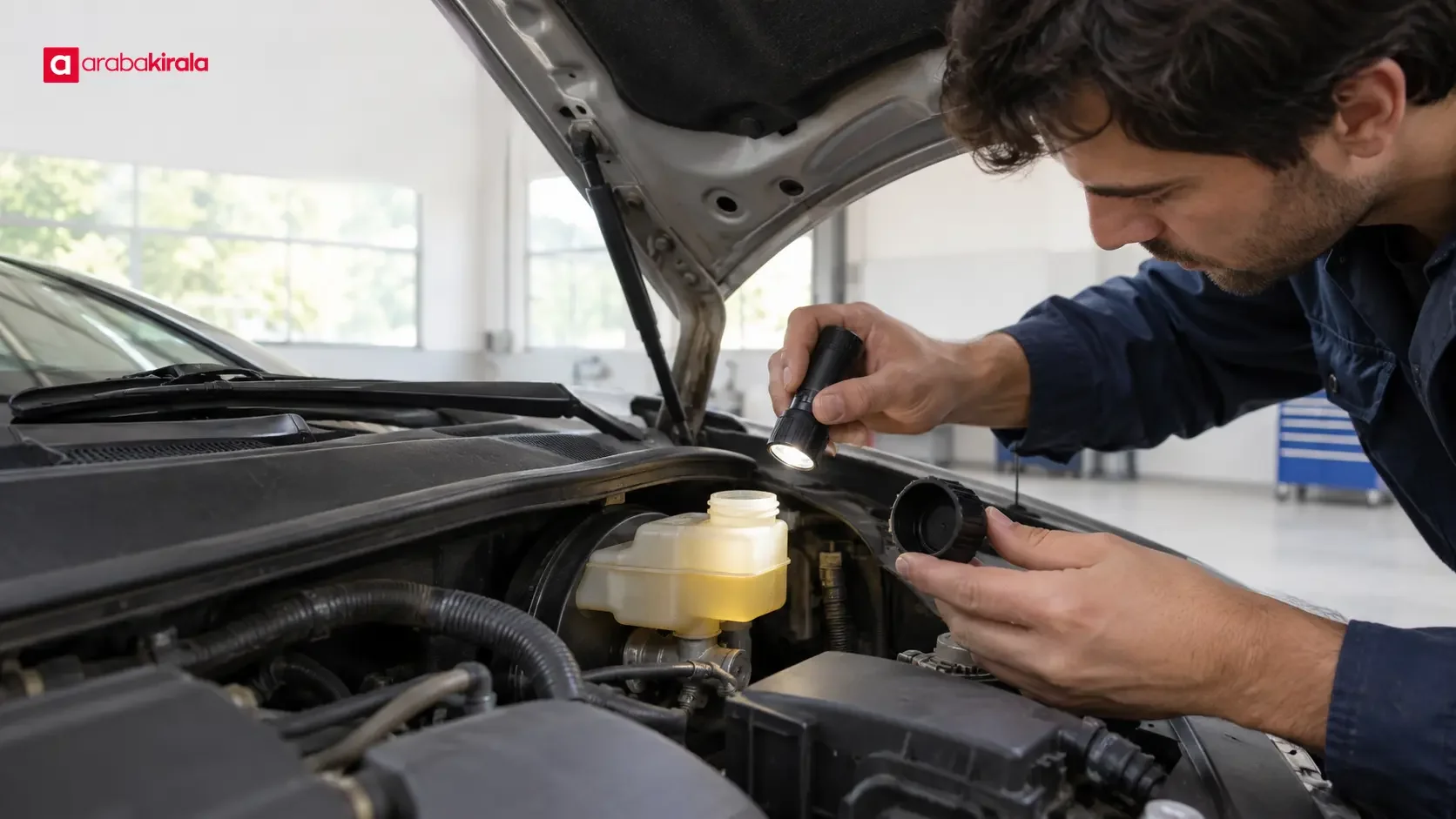
A brake fluid reservoir generally has minimum and maximum markings. If the manual describes a user check, park on level ground, switch off the vehicle, and use the manual to identify the correct reservoir. Do not reach around hot or moving components. A level below the markings, or a noticeable drop over a short period, should not be treated as a problem solved by adding fluid. The change may relate to brake component wear, but it can also point to a leak or another issue that needs inspection.
A brake warning light can relate to the parking brake or to the braking system, and the symbol’s meaning varies by vehicle. Check the manual. If a warning appears along with a soft pedal, unusually long pedal travel, reduced braking response, or the vehicle pulling to one side while braking, continuing to drive may be unsafe. Stop in a safe place and arrange professional assistance. A warning light going out does not prove that the braking system is fault-free.
Inspection and replacement: when not to work on it yourself
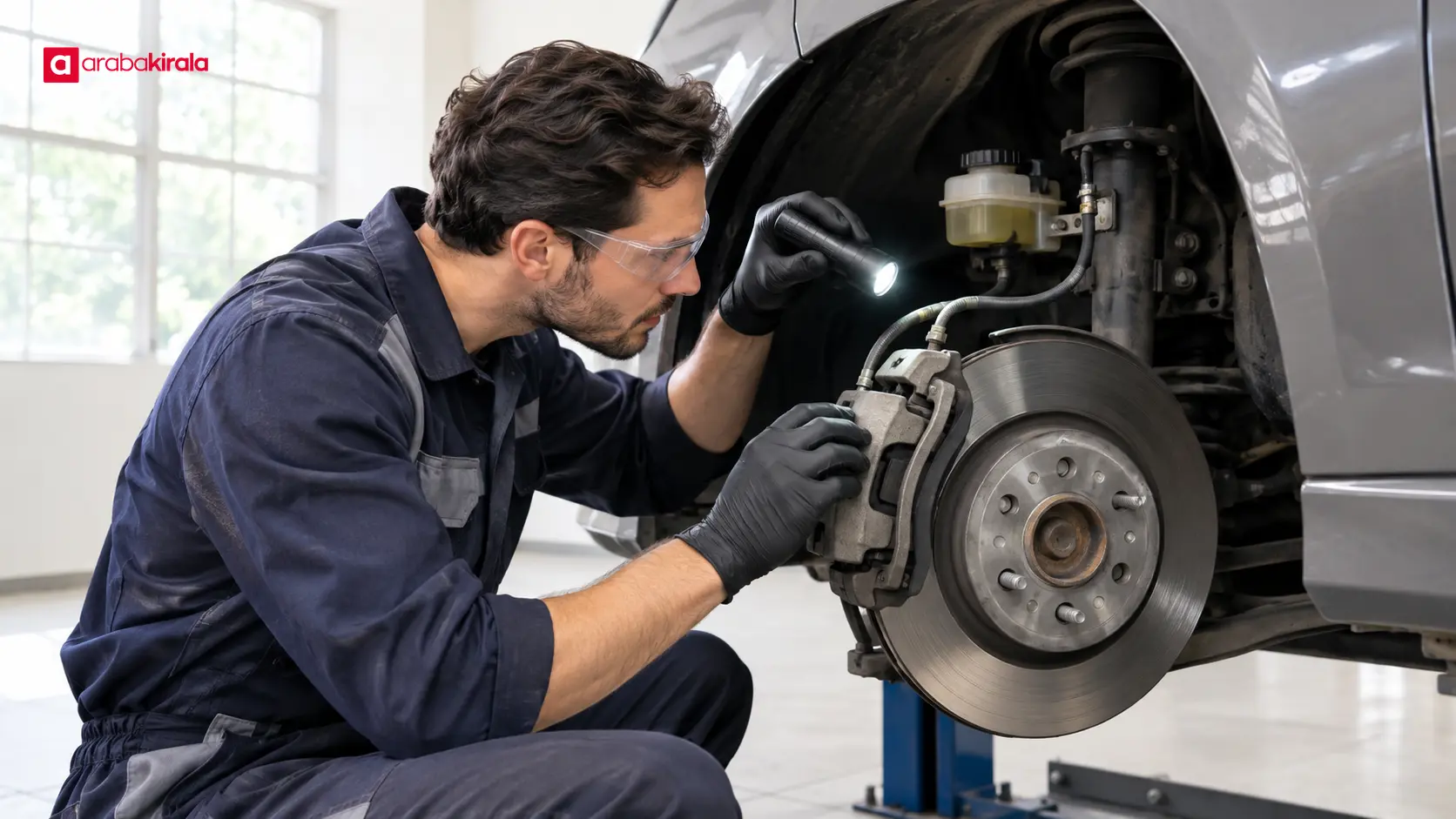
A visual level check cannot confirm the fluid’s internal condition or technical specification. Bleeding the brake system, filling it correctly, and checking for leaks may require vehicle-specific procedures and equipment. An inexperienced intervention can leave the brakes unable to work as intended. Putting fluid in the wrong reservoir, leaving a cap open, or failing to clean a spill appropriately can also create damage or safety risks.
Brake fluid can damage paint and some surfaces. Follow the product safety information and vehicle maker’s instructions before handling it. If a spill occurs, follow the product guidance instead of improvising a cleanup method. Do not pour used fluid into a sink, onto soil, or into a storm drain; ask a service center or local waste facility how to dispose of it.
What to check about the brakes when renting a car
Checking a rental car’s brake fluid reservoir is not a maintenance task drivers should take on at handover. Still, before setting off, pay attention to any brake system warning on the dashboard, an unusual pedal feel, or visible fluid leakage. If you notice a concern, contact the branch where you are renting before driving and clarify what to do. Do not start a trip while ignoring a brake warning.
Ask the branch directly about location-specific details such as how a reported fault, vehicle replacement, or maintenance history question is handled. A general guide cannot guarantee that a particular vehicle has received a particular service or that every branch follows the same process. Before leaving, learn where the vehicle manual is kept so you can interpret dashboard symbols correctly.
A practical checklist
- Find the brake fluid section and maintenance schedule in the vehicle manual.
- Note the required fluid specification and inspection guidance; do not mix products based on a guess.
- If a brake warning, unusual pedal feel, or fluid leak appears, stop safely.
- Have a qualified service professional assess the maintenance need and cause; do not treat topping up as a complete repair.
- If a brake-related symptom is present at rental handover, report it to the branch before driving.
Summary and next step
Brake fluid helps transfer pedal force to the braking mechanisms at the wheels. Replacement timing and fluid specification vary, so the vehicle manual is the right place to start; color or a single level check cannot establish that the system is safe. Find the brake fluid section in the manual first. If there is a warning, leak, or change in pedal behavior, stop driving and arrange a professional inspection.
Frequently Asked Questions
What does brake fluid do?
It helps carry force from the brake pedal through hydraulic lines to the braking mechanisms at the wheels. Those mechanisms apply pressure to a disc or drum to slow the car.
When should brake fluid be replaced?
There is no single interval for every vehicle. Check the manufacturer’s maintenance schedule and any notes about operating conditions; consult a qualified service professional if the manual does not address your situation.
What does a low brake fluid level mean?
A changing level can be related to brake component wear or a leak, among other causes. Adding fluid without finding the cause does not resolve the issue. If the level drop accompanies a warning or a change in braking feel, do not continue driving.
Can I add brake fluid myself?
Choosing the wrong fluid or using an incorrect procedure can damage the braking system. Unless the manual clearly describes the check and you can confirm the correct specification, avoid intervening and seek professional help.
What should I do if the brake warning light comes on?
Check the symbol in the vehicle manual and verify basic conditions such as the parking brake while safely stopped. If the warning remains, or the pedal feels different, do not continue driving; arrange assistance.
Legal Disclaimer: All content, articles and information on the Araba Kirala website are provided solely to inform users. No information shared on this website constitutes definitive advice or guidance. Araba Kirala Teknoloji A.Ş. and its authors cannot be held responsible for any direct or indirect damages arising from the application of information on the website. For all questions and requests regarding car rental, please contact the office from which you will rent your vehicle.