
Where to Find Fuel and Tire Information in a Rental Car
Published: November 3, 2026 • Reading Time: 8 min • Last Updated: November 3, 2026 • Author: Merve B.
Learn where to look for fuel type, fuel door location and recommended tire pressures in a car, and what to check at rental pickup.
Contents
- Where to look for fuel information
- Distinguish fuel type from filler-door clues
- Where to find tire pressure information
- The recommended pressure is different from the tire’s maximum
- What the fuel gauge and tire warning can tell you
- A quick check at rental pickup
- In short: use the vehicle’s own information
- Frequently Asked Questions
Knowing where to find a rental car’s fuel type, fuel door location and recommended tire pressure makes the first checks after pickup easier. These details are not in the same place on every model: fuel clues may be on the fuel flap or in the owner’s manual, while tire pressures are often shown on a label around the driver’s door, in the manual or on an in-car display. Checking the vehicle’s own information helps you avoid guessing about fuel or tire inflation.
Where to look for fuel information
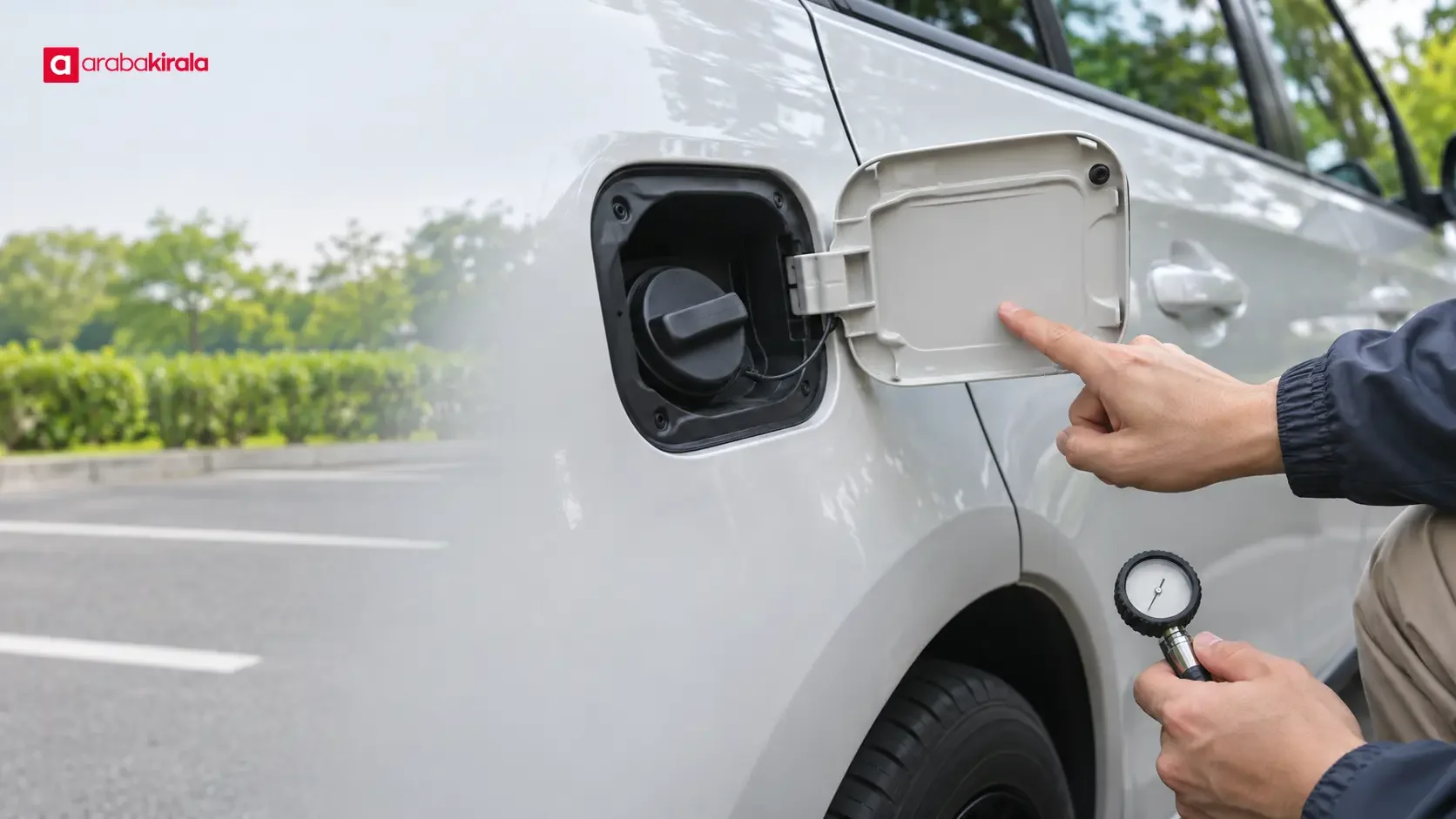
Start by locating the fuel filler flap. It may be on either side of the vehicle. On some cars, a small arrow beside the fuel gauge symbol on the dashboard points to the side with the flap. Not every model has this arrow, and it does not tell you which fuel to use. If the location is unclear, park safely and check the vehicle from outside or consult the owner’s manual.
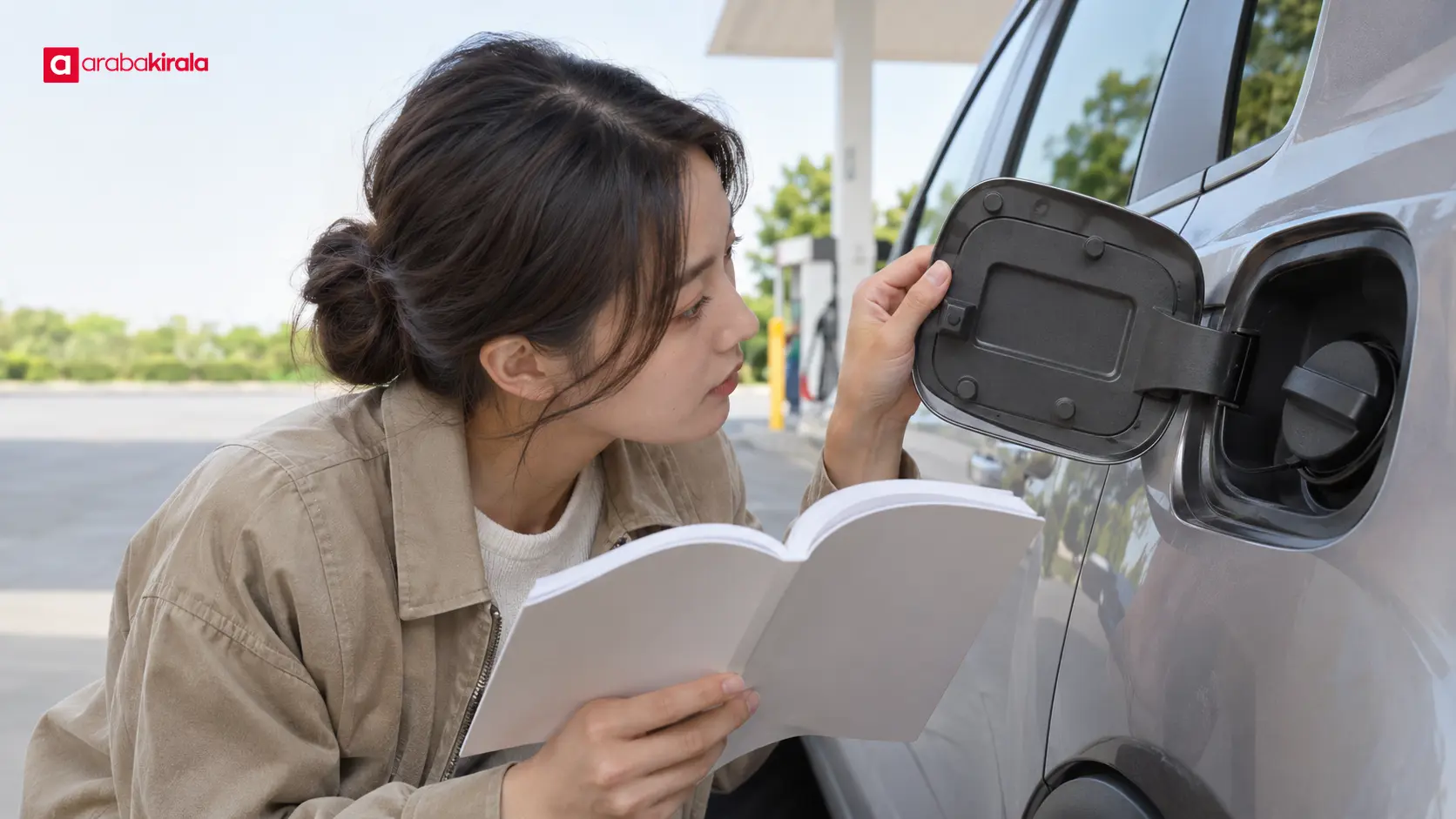
Look at the inside of the fuel flap for a label that identifies the fuel type or gives refuelling guidance. Some vehicles have no such label. If you cannot find a clear marking, check the manual’s section on fuel or refuelling. A vehicle information or service menu may also provide fuel guidance, depending on the model. Do not infer fuel type from the shape of the filler opening alone.
Distinguish fuel type from filler-door clues
The correct fuel depends on the vehicle’s engine, model and configuration. Check any label inside the flap against the owner’s manual and the vehicle information provided at pickup. If the marking is missing, unreadable or conflicts with the manual, contact the branch where you are renting the car before refuelling.
The fact that a pump nozzle appears to fit is not reliable confirmation that the fuel is right. If you suspect that the wrong fuel has gone into the car, do not start the engine. Contact the rental branch or the appropriate roadside assistance channel. Starting the engine can circulate fuel through the system and make the problem worse. If you need to stop and check the vehicle, move away from traffic to a safe place first.
Where to find tire pressure information
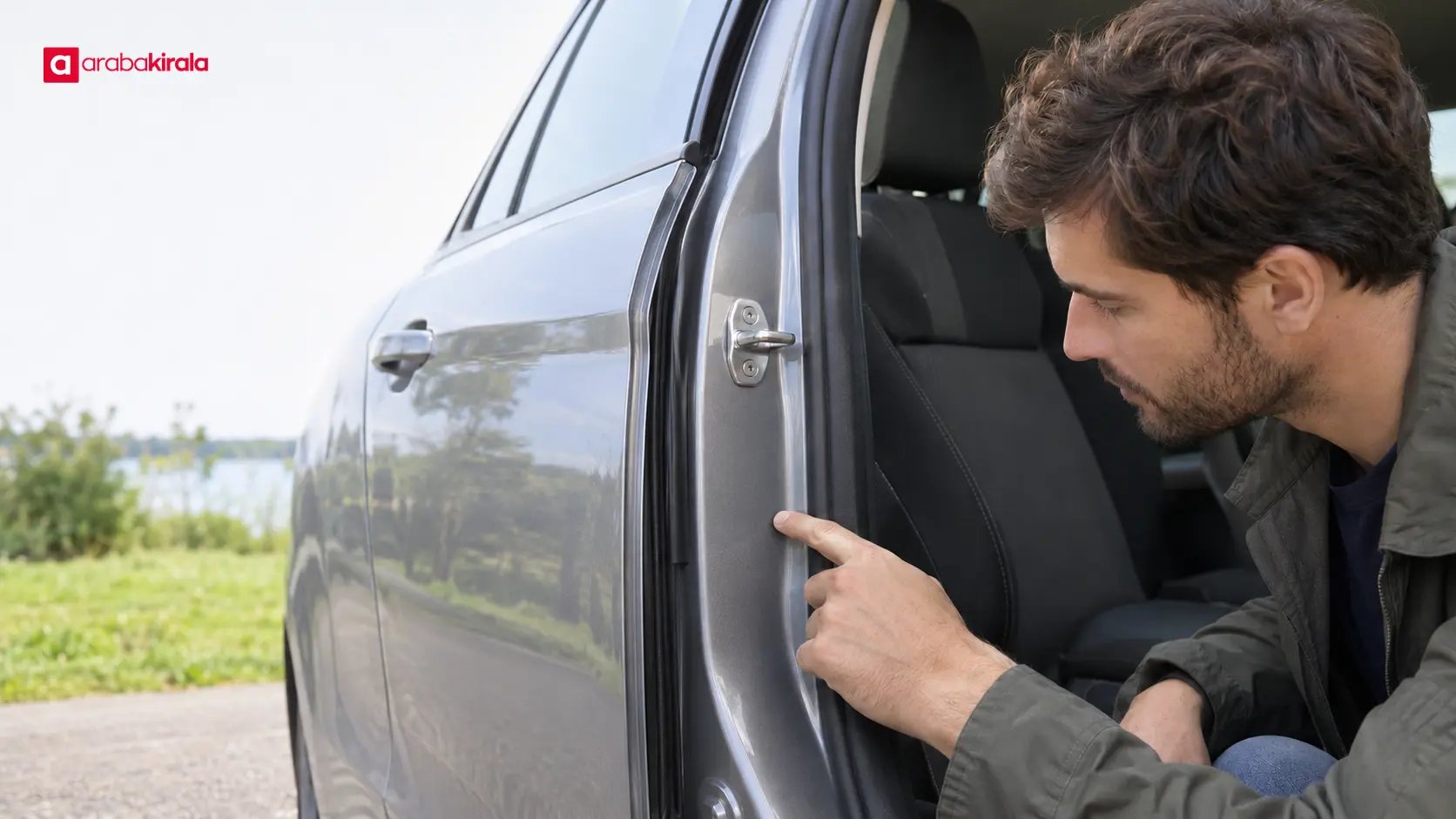
On many cars, recommended tire pressures are printed on a label visible when the driver’s door is open. Check the door edge, door pillar and nearby area. Some models place vehicle information elsewhere, including around the fuel flap or inside the glovebox. The location is not universal. If you cannot find the label, look in the owner’s manual under tires, wheels or tire pressure. If the manual is not available in the rental car, ask the branch how to confirm the vehicle-specific figures.
A label may list tire size along with separate recommended pressures for the front and rear tires. Some vehicles show different figures for different tire sizes or loading conditions, so use the line that matches the vehicle and its current setup. Values may be given in bar or kPa. Make sure the unit on the gauge matches the unit on the label; the numbers cannot be compared directly when the units differ.
The recommended pressure is different from the tire’s maximum
Raised markings on a tire’s sidewall identify details about the tire, such as size and load information. A sidewall figure marked as a maximum pressure is not necessarily the vehicle maker’s recommended pressure for normal use. Use the vehicle information label or owner’s manual for the recommended setting. If the fitted tire size does not match the label, or the label is damaged, do not estimate a pressure. Ask the rental branch or qualified technical support to confirm the right information.
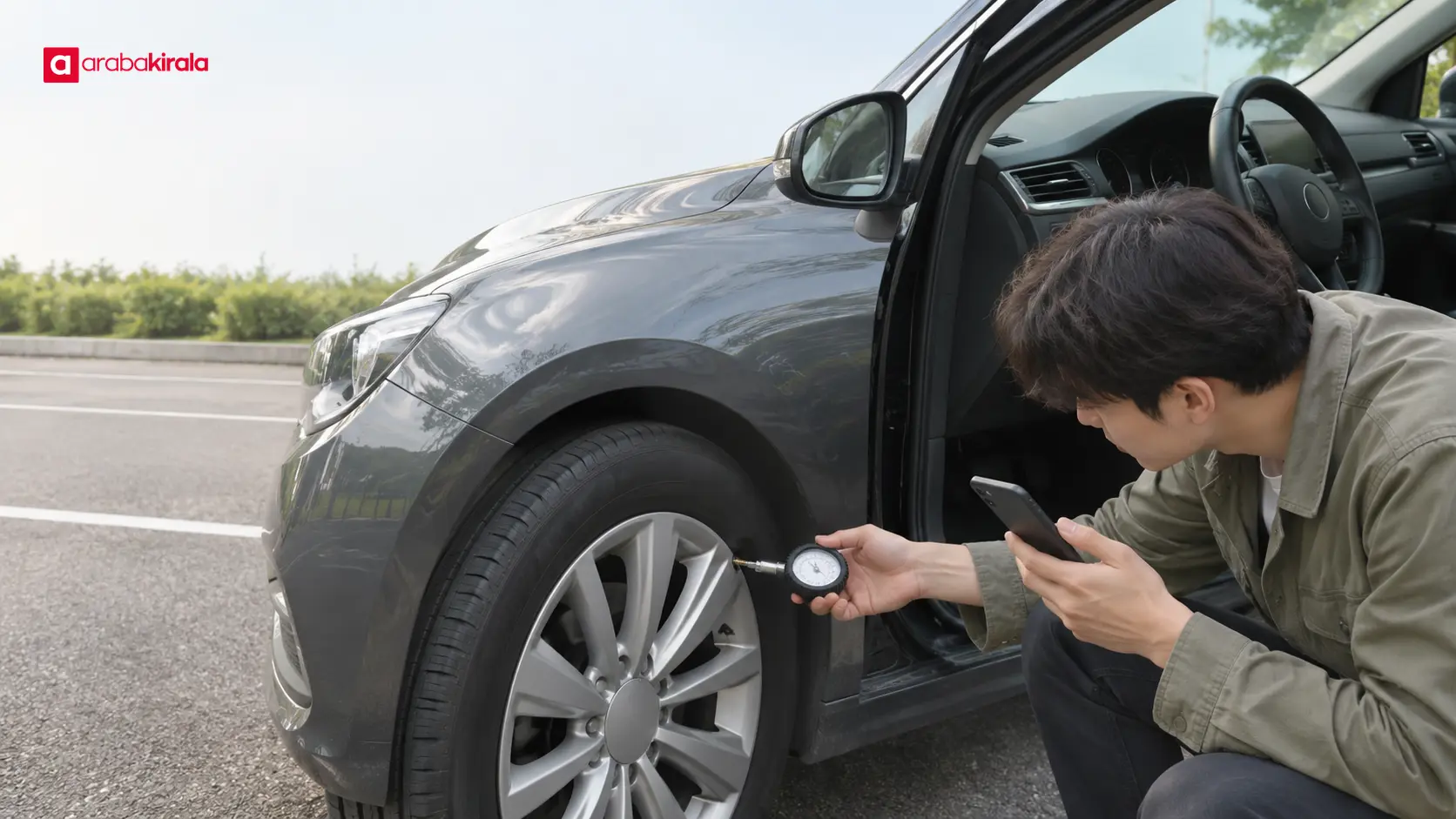
Follow the manual’s instructions for checking tire pressure. Tire pressure can vary with temperature and recent driving, so a reading taken after driving may not be under the same conditions as a recommendation specified for cold tires. A tire pressure monitoring warning can alert you to a pressure change, but it may not identify the correct target pressure or tell you exactly which tire needs attention. If a warning appears while driving, stop somewhere safe and inspect the tires. Use the label or manual to confirm the proper values.
What the fuel gauge and tire warning can tell you
The fuel gauge helps you monitor the approximate amount of fuel in the tank. It does not identify the fuel the engine requires. At pickup, note the gauge reading and check how the fuel level is recorded in the handover documents. If your reservation or handover includes instructions about the fuel level at return, ask the rental branch for the details that apply to your booking. Do not assume that one general rule applies to every rental.
Some vehicles use a tire pressure monitoring system to display a warning when pressure changes. The warning is a prompt to check the tires and consult the vehicle instructions; it is not a substitute for the recommended pressure figures. A warning light turning off does not by itself confirm that every tire is in good condition. Check the manual to understand how the system in that particular vehicle works, and follow its guidance if the warning stays on or flashes.
A quick check at rental pickup
Before driving away, look at the fuel gauge and check whether a tire pressure warning is displayed. Find the fuel flap and read any marking on its inside. Then look for the tire information label around the driver’s door and consult the manual if needed. These steps help you identify the vehicle’s information before you need it on the road. If a warning is present or a label is unreadable, tell the branch staff before setting off.
- Find the fuel flap and learn how it opens; do not force it.
- Confirm the fuel type from the flap marking or owner’s manual.
- Locate the tire pressure label and check the front and rear values and units.
- Do not use a tire sidewall maximum as the vehicle’s recommended pressure.
- Note the fuel gauge level and any dashboard warnings at handover; compare them with the handover record if one is provided.
- Ask the rental branch if fuel information, a label or a warning is unclear.
If a tire has visible damage, a cut, a bulge or an obvious loss of air, report it before driving. If you are checking or adjusting pressure yourself, confirm the correct figure on the vehicle label or in the manual and use the right measurement unit. Do not attempt repairs, remove vehicle equipment or work in an unsafe location. For branch-specific inspection or assistance arrangements, contact the location where you collected the car.
In short: use the vehicle’s own information
For fuel type, check the fuel flap marking and the owner’s manual. For tire pressure, look around the driver’s door for the vehicle label and consult the manual. The dashboard shows the fuel level and may warn about tire pressure, but it does not replace the vehicle’s recommended fuel and pressure information. If markings are missing, unreadable or inconsistent, do not guess; ask the branch where you are renting the car. Completing these checks at pickup helps you start the trip informed and prepared.
Frequently Asked Questions
How can I tell which side the fuel flap is on from inside the car?
Some vehicles have a small arrow beside the fuel gauge symbol that points toward the flap. If there is no arrow or you are unsure, park safely and check outside the car or consult the owner’s manual.
Can I identify the right fuel by looking only at the fuel flap?
A clear label inside the flap can help, but some cars do not have one. If the marking is absent or unreadable, check the owner’s manual and ask the rental branch before refuelling rather than making an assumption.
What if I cannot find a tire pressure label by the driver’s door?
Check the door pillar and surrounding area, then look in the owner’s manual under tires or tire pressure. The label may be in another location or the manual may not be in the car. If you cannot confirm the correct value, contact the branch before adding air.
Should I use the pressure number printed on the tire sidewall?
The sidewall markings describe the tire and may include a maximum pressure. The vehicle’s recommended pressure is usually provided on the vehicle information label or in the manual. Use that vehicle-specific figure instead of treating the maximum as the target.
What should I do if the tire pressure warning appears?
Stop in a safe place and look for visible damage or an obvious loss of air. Find the recommended pressure in the manual or on the vehicle label. If the warning remains or a tire appears damaged, avoid putting the car under strain and contact the rental branch or the appropriate roadside assistance channel.
Why check fuel and tire information at rental pickup?
It lets you confirm the correct fuel and find the vehicle’s recommended tire pressures before they are needed. It also gives you a chance to report an existing warning or an unreadable label to the branch before setting off.
Legal Disclaimer: All content, articles and information on the Araba Kirala website are provided solely to inform users. No information shared on this website constitutes definitive advice or guidance. Araba Kirala Teknoloji A.Ş. and its authors cannot be held responsible for any direct or indirect damages arising from the application of information on the website. For all questions and requests regarding car rental, please contact the office from which you will rent your vehicle.












