
What Is the Difference Between Active and Passive Car Safety Systems?
Published: October 26, 2026 • Reading Time: 8 min • Last Updated: October 26, 2026
Active safety features help reduce crash risk, while passive safety features help protect occupants when a crash occurs. Learn how seat belts, airbags, ABS, stability control and driver assistance work, where their limits lie, and what to check before driving a rental car.
Contents
- What do active and passive safety mean?
- How do active safety systems work?
- Braking and stability support
- Warnings and driver assistance
- What do passive safety systems do during a crash?
- Seat belts and airbags work together
- Body structure and head restraints
- Why consider both safety groups together?
- What should you check when collecting a rental car?
- A quick check before setting off
- Frequently Asked Questions
Active and passive car safety systems are designed to help at different stages of a journey. This guide explains how active features can help lower the chance or severity of a collision, how passive features help protect occupants when impact occurs, and why the two groups work together. You will also learn how to recognize common equipment and what to check before setting off in a car, including a rental vehicle.
What do active and passive safety mean?
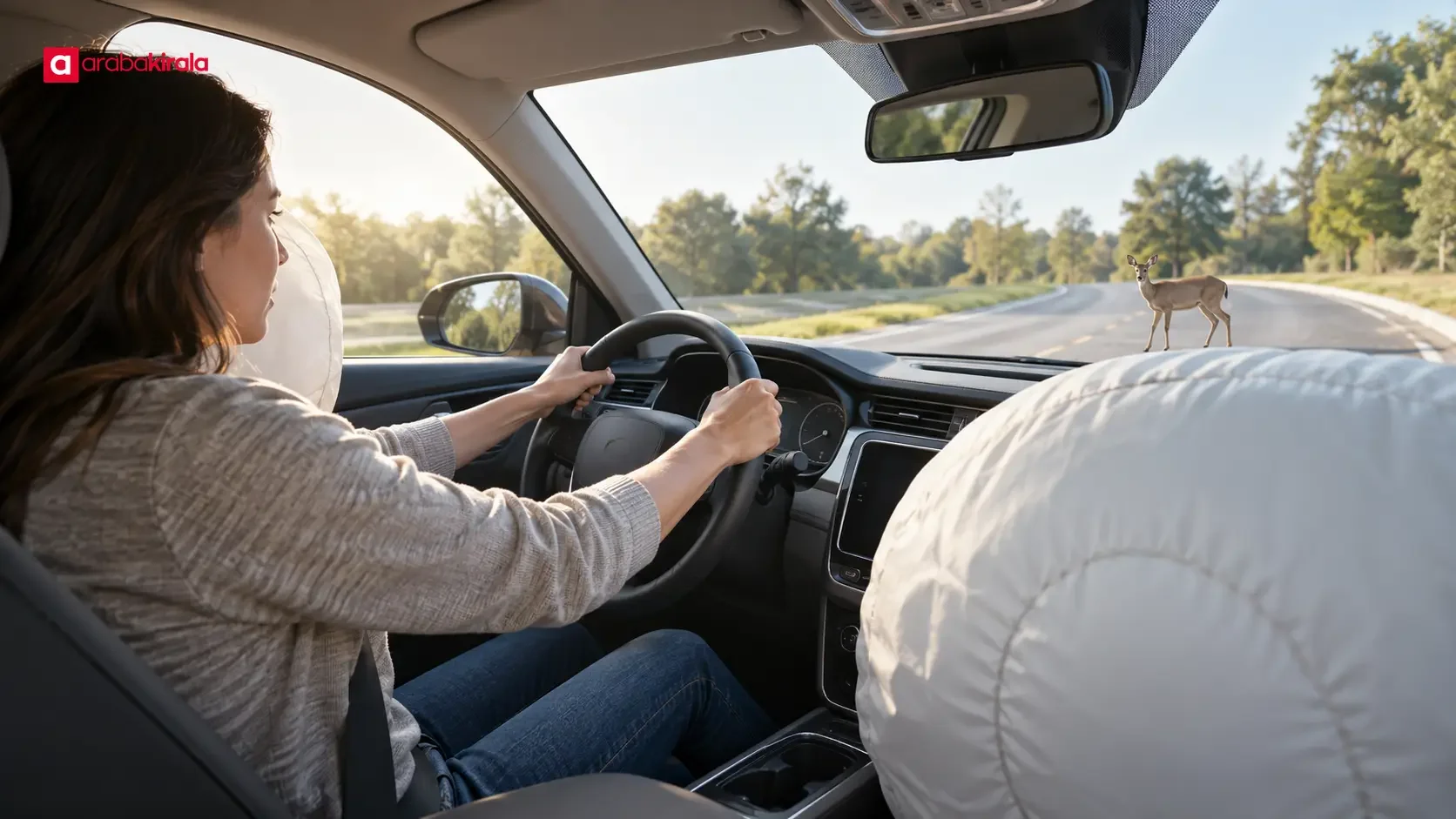
Active safety refers to features that support vehicle control or try to reduce crash risk before impact. Braking, steering, traction and visibility are central to this group. Examples include anti-lock braking systems (ABS), electronic stability control, tire-pressure monitoring, lane-departure warnings and automatic emergency braking. Equipment varies by vehicle and trim, and having a feature does not mean it will respond identically in every situation.
Passive safety refers to design and equipment intended to reduce injury when a crash begins or impact forces occur. Seat belts, airbags, head restraints, the strength of the passenger compartment and areas designed to deform in a controlled way are examples. These features do not prevent a crash; they are intended to limit its consequences for people inside the vehicle.
How do active safety systems work?
Braking and stability support
ABS is designed to help limit wheel lock during hard braking so the driver can retain steering control. The brake pedal may pulse when ABS is operating. That sensation can indicate system activity, but it is not a promise of a shorter stopping distance on every surface. Follow the vehicle manual's braking guidance and leave a following distance suited to road conditions.
Electronic stability control can detect when a vehicle is tending to move away from the driver's intended path and may adjust braking or engine power. Slippery surfaces, abrupt maneuvers or speed that is too high for conditions can still exceed the system's limits. Stability support does not change the laws of physics or remove the need to enter curves at a suitable speed. Traction control may help limit wheel spin, but it cannot replace careful driving on low-grip surfaces.
Warnings and driver assistance
Features such as forward-collision warnings, lane-departure alerts, blind-spot warnings and automatic emergency braking may monitor the surroundings using cameras, radar or other sensors. Depending on the feature, the system can give a visual or audible warning, support braking or apply the brakes in certain conditions. What it can detect, its operating range and its response vary with the vehicle and its equipment.
Dirt, fog, heavy rain or sun glare can interfere with a camera's view; blocked sensors or unclear lane markings may also affect some features. Dashboard messages and the owner's manual can explain whether a system is active and what limitations apply. The absence of a warning does not prove that the road is clear. The driver remains responsible for steering and braking. Knowing what the equipment does helps drivers respond calmly when an alert appears.
What do passive safety systems do during a crash?
Seat belts and airbags work together
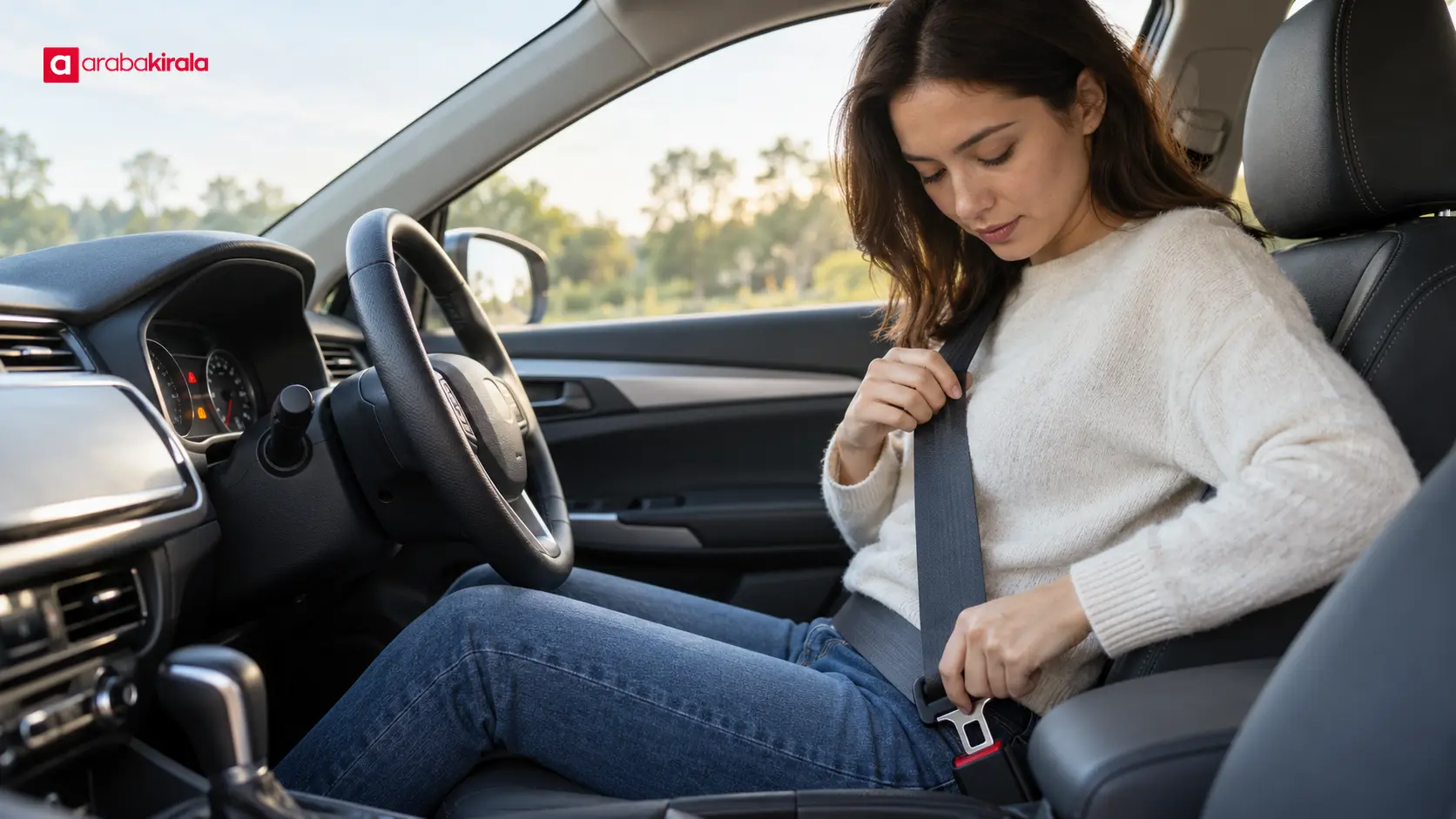
A seat belt helps keep an occupant in the vehicle and limits movement during a collision. The lap portion should sit across the pelvis and the shoulder portion across the chest. The belt should lie flat, without twists, and fit close to the body. A loose belt, a strap placed under the arm or other incorrect positioning can reduce its protective function. Fasten the belt before the vehicle moves, even on a short trip.
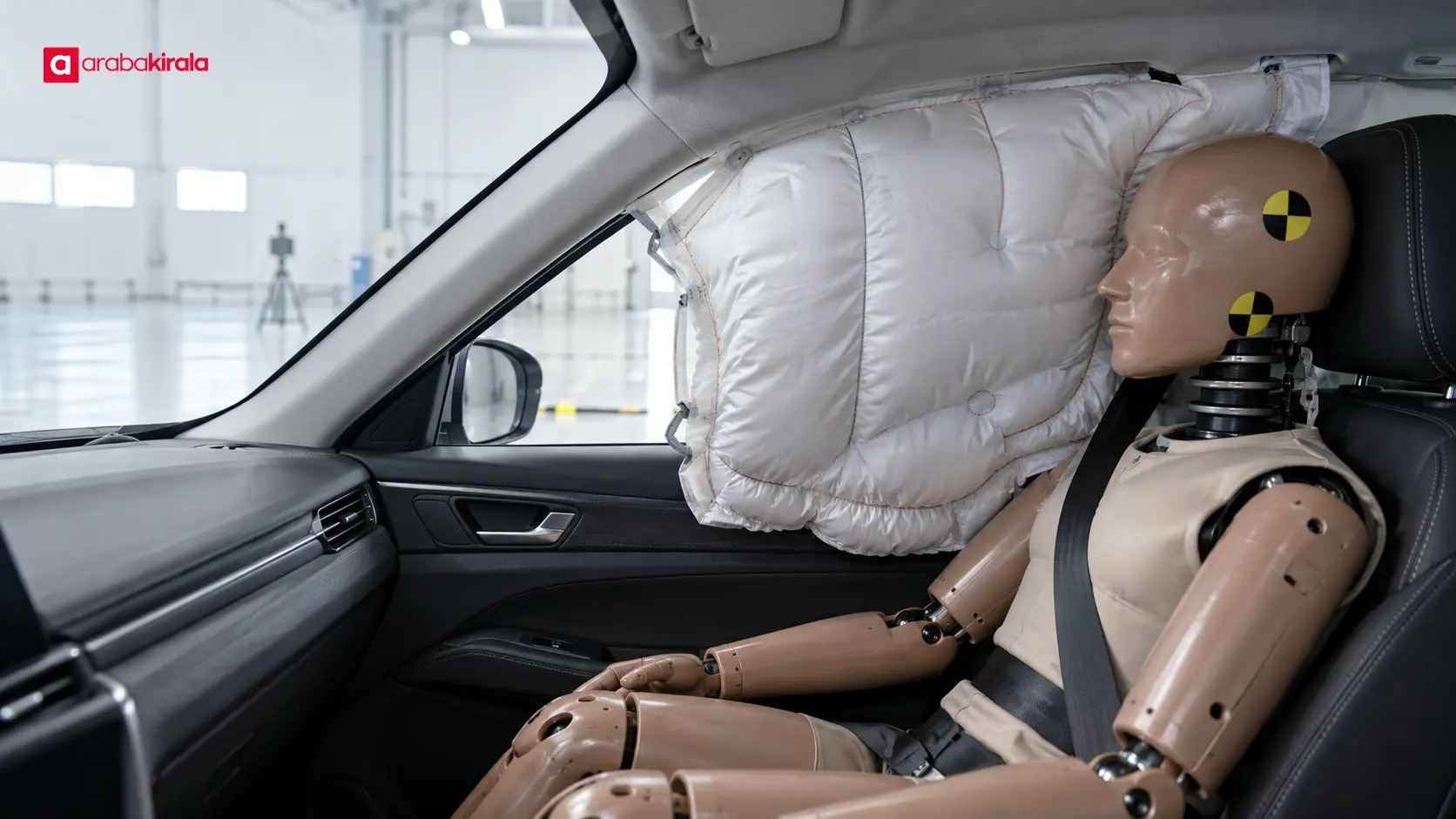
Airbags are designed as supplemental protection to be used with seat belts, not as a replacement for them. Front, side and curtain airbags may help reduce contact between occupants and parts of the vehicle in impacts from different directions. Deployment depends on factors such as impact direction and severity, sensors and vehicle design. Do not assume an airbag will deploy in every crash. Sitting too close to a frontal airbag can increase the risk of injury as it deploys, so adjust the seat and steering wheel according to the vehicle manual.
Body structure and head restraints
The structure surrounding the passenger compartment is intended to help preserve space, while controlled deformation zones at the front and rear help manage crash energy. These qualities cannot be judged easily by looking at a vehicle. Safety tests provide comparable information about performance under specified test conditions, but no test result represents every real-world collision.
A head restraint should be adjusted to an appropriate height and positioned as close behind the head as practical. Poor adjustment can reduce its ability to limit head and neck movement, particularly in a rear impact. Seat position also affects visibility and belt fit, so check the seating position of the driver and passengers before departure.

Why consider both safety groups together?
Active and passive safety are complementary. Active features try to reduce the chance of a collision, while passive features aim to limit injury if one occurs. An emergency-braking feature may not stop the vehicle in time; belts and airbags provide protection when impact forces occur. Safety depends on more than one device: driver attention, vehicle condition, road and weather conditions, and protective systems all matter.
A vehicle with many driver-assistance features does not remove the need for attentive driving. Similarly, an airbag is no reason to skip a seat belt. Safety equipment can vary by model year, version and selected trim. It is useful to understand both the feature names and the conditions in which they may operate, including their limitations.
What should you check when collecting a rental car?
Allow for the possibility that safety equipment and controls differ from one vehicle to another. When booking or collecting the car, ask the branch you will rent from about the features you expect the vehicle to have and how they work. This helps you identify the vehicle without assuming that a particular feature or service condition is guaranteed.
- Before moving the car, check that belts latch, show no obvious damage and can be positioned correctly for each passenger.
- Look for dashboard warning lights. If a warning stays on or you do not recognize it, tell the staff before departure and ask what the manual says.
- Check that the windshield, mirrors and areas around sensors are not obstructed by dirt or objects. Do not try to remove or adjust sensors yourself.
- Ask whether features such as tire-pressure monitoring, lane alerts or emergency braking are fitted, what warnings they give and what the driver should do. Do not make risky maneuvers to test them while driving.
- Adjust the seat, steering wheel and head restraint to your position, and make sure every occupant is belted before the car moves.
If you notice a safety warning, a damaged belt or equipment that may not be working, report it during handover and clarify what to do before using the vehicle. Noting the warning symbol or feature name can help you describe the issue. The vehicle manual is the main source for model-specific operation and limitations.
A quick check before setting off
- Adjust your seat, steering wheel and mirrors to support clear visibility.
- Check that every occupant has a correctly positioned seat belt.
- Understand dashboard warnings and the status of any driver-assistance features.
- Clear obstructions from the windshield and sensor areas, and report suspected safety faults.
- Adapt speed, following distance and maneuvers to traffic, road and weather conditions.
In short, active systems try to prevent a crash or reduce its likelihood; passive systems focus on protecting occupants when impact occurs. A useful next step is to learn the equipment in the vehicle before driving, read the manual's limitations and wear seat belts correctly on every trip. If you are renting, direct vehicle-specific questions about equipment and operation to the branch you will rent from.
Frequently Asked Questions
Is ABS an active safety system?
Yes. ABS is active safety equipment designed to help limit wheel lock during hard braking. Its presence does not guarantee a shorter stopping distance on every surface, so drivers still need to adapt speed and following distance to conditions.
Do I need a seat belt if the car has airbags?
Yes. Airbags are designed to work with seat belts and do not replace them. Without a belt, an occupant's movement during a crash may bring them dangerously close to an inflating airbag.
Can automatic emergency braking always prevent a collision?
No. The system is designed to detect certain objects and conditions, and its performance can be affected by visibility, road, weather and vehicle conditions. Drivers should remain in control of braking and steering and should not treat the system's response as guaranteed.
What is the main difference between active and passive car safety?
Active safety tries to reduce risk before a collision or support vehicle control. Passive safety aims to limit injury during a collision through features such as seat belts, airbags and body design.
How can I find out what safety features a rental car has?
Equipment can vary by model and version, so ask the branch you will rent from about the features you expect when booking or collecting the vehicle. Also check dashboard warnings and the relevant instructions in the owner's manual.
Legal Disclaimer: All content, articles and information on the Araba Kirala website are provided solely to inform users. No information shared on this website constitutes definitive advice or guidance. Araba Kirala Teknoloji A.Ş. and its authors cannot be held responsible for any direct or indirect damages arising from the application of information on the website. For all questions and requests regarding car rental, please contact the office from which you will rent your vehicle.












