
Automotive Part Quality Control: How Are Critical Components Tested?

Published: October 16, 2026 • Reading Time: 6 min • Last Updated: October 16, 2026
Learn how critical vehicle components are inspected and tested, what production checks can establish, and what drivers should do when they notice a safety related symptom.
Contents
- What makes a part critical?
- What stages make up the control process?
- Material and supplier acceptance
- Dimensional and visual inspection
- Function, durability and environmental testing
- What checks apply to different parts?
- How sample tests differ from production monitoring
- Why does quality control matter to drivers?
- What should you check during a repair or vehicle handover?
- Summary and next step
- Frequently Asked Questions
Automotive part quality control is the set of checks used to determine whether a component matches its design, performs its intended function and meets applicable technical requirements. This guide explains how brakes, steering, tires, lighting and electronic components may be inspected, what laboratory tests can tell us, and which warning signs drivers should take seriously.
What makes a part critical?
A component is critical when its failure could affect safe movement, driver control or a core safety function. Brake components, steering connections, tires, lighting equipment and parts associated with airbags or seat belts therefore call for careful control. Reliability also matters in engine, fuel, cooling and high voltage electrical systems, but the inspection method depends on what each part is designed to do.
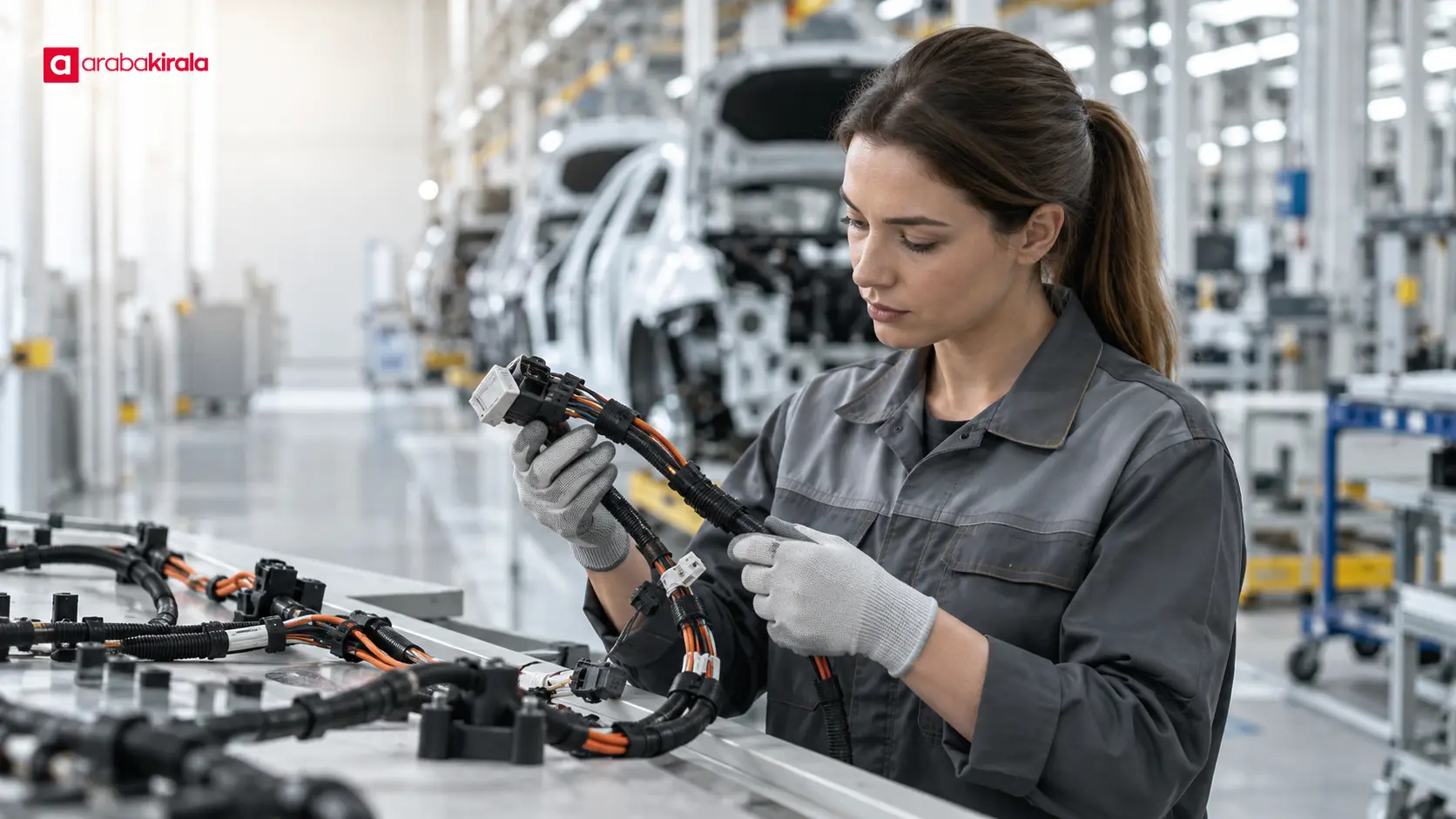
There is no single test plan for every component. A brake part may be assessed for force, wear and behavior at elevated temperatures, while a wiring harness may be checked for insulation, connection quality and electrical continuity. Quality control aims both to detect nonconforming products and to keep the design and production process capable of delivering consistent results.
What stages make up the control process?
Material and supplier acceptance
Raw materials and subcomponents entering production can be checked against defined technical specifications. The review may cover material type, dimensions, surface condition and required documentation. Being able to trace a part to a batch or serial record helps narrow an investigation if a problem is later found. Traceability does not mean that every individual part receives a full laboratory test.
Dimensional and visual inspection
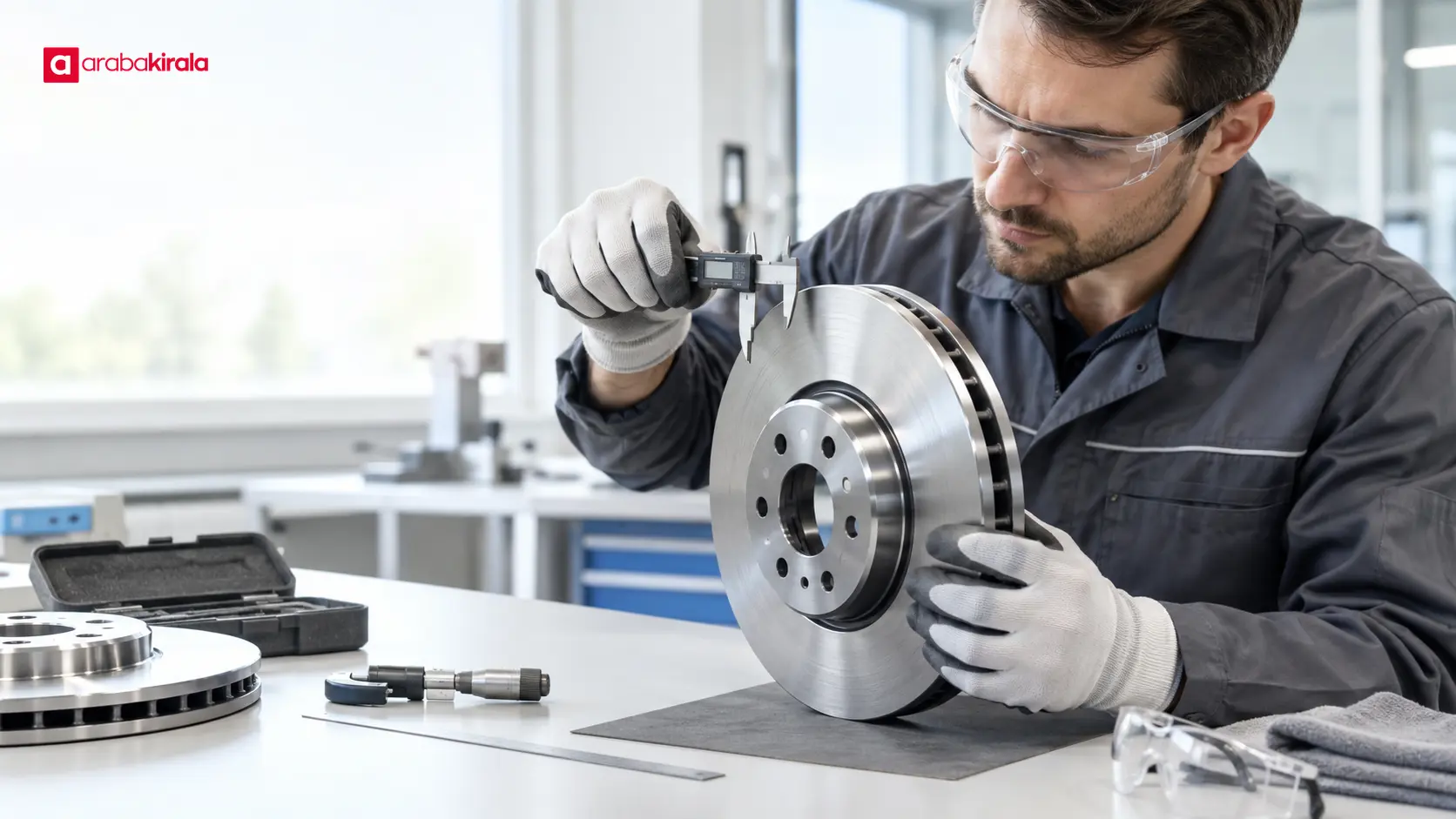
Measuring instruments check whether a part falls within the tolerances in its technical drawing. Depending on the geometry, a caliper, micrometer, gauge, optical system or coordinate measuring machine may be used. Inspectors can also look for visible issues such as cracks, burrs, corrosion, coating defects or incorrect assembly. A measurement is meaningful only when the method's precision and the conditions of measurement are understood.
Function, durability and environmental testing
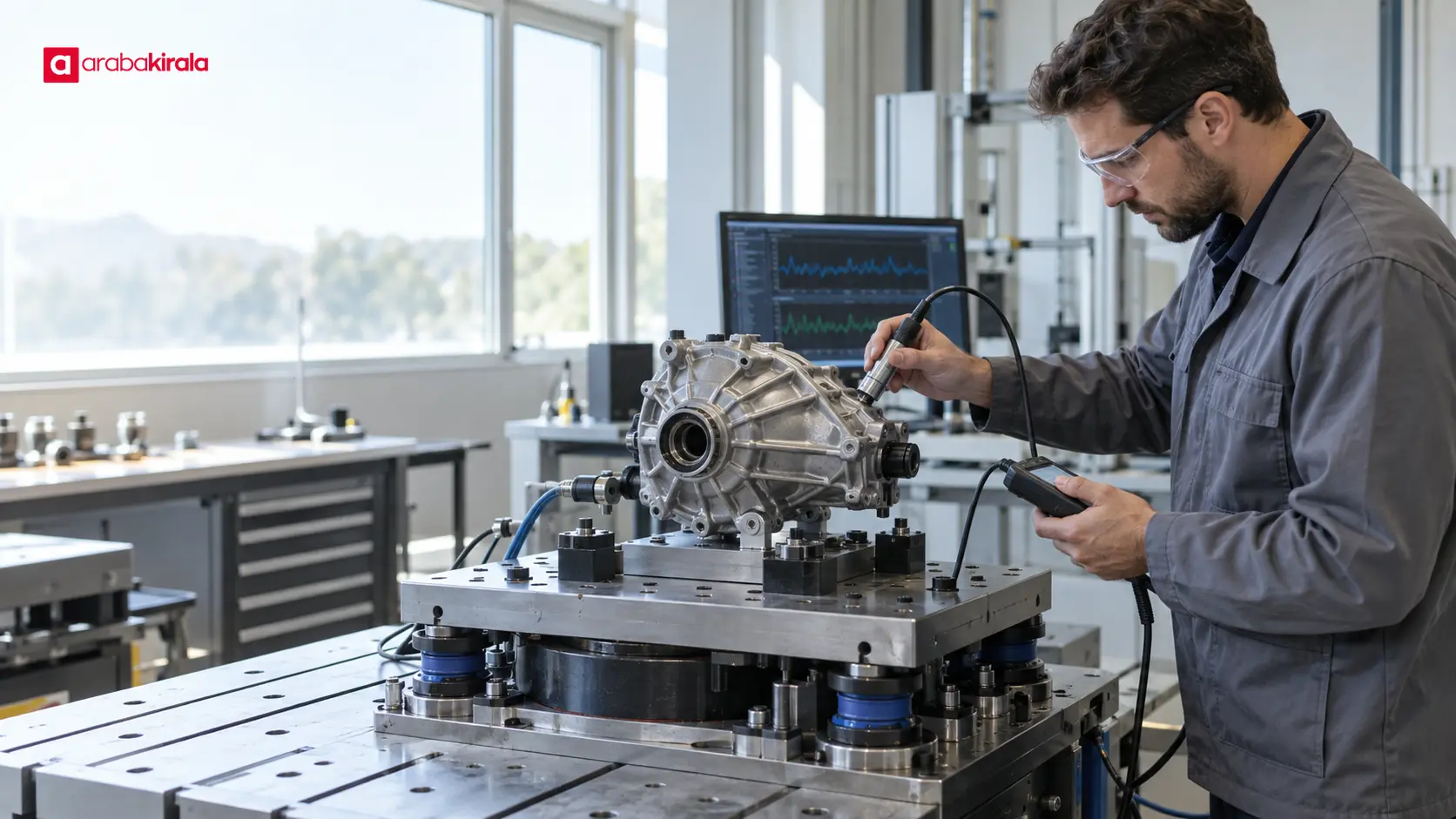
A test rig can check whether a component performs its intended task. Some tests apply loads, pressure, heat, vibration or repeated operation; others examine resistance to water, dust or corrosion. The goal is to represent expected stresses under controlled conditions. Passing a laboratory test does not mean every real road condition has been reproduced or that a part can never fail.
What checks apply to different parts?
- Brake components: Dimensions, surface and material properties may be assessed alongside operating behavior and durability. Braking performance depends on the system as a whole, so the component's interaction with related parts matters.
- Steering and suspension: Inspectors may examine connection dimensions, movement, strength under load and assembly fit. Looseness or unusual noise can indicate that the vehicle needs professional attention.
- Tires: Size, structural integrity and relevant performance properties are evaluated. Applicable technical and approval requirements can depend on the product and market; one marking should not be assumed to explain every aspect of quality.
- Lighting: Light distribution, intensity, color and electrical connection can be assessed against the relevant design and test requirements. Correct headlamp alignment also matters for visibility and avoiding glare to other drivers.
- Electronics and wiring: Electrical continuity, connection reliability, insulation and the effects of temperature or vibration may be tested. For some systems, validation also checks how hardware and software work together.
How sample tests differ from production monitoring
A product design may undergo extensive validation during development. After production begins, the process can be monitored through scheduled samples, in-process measurements and record reviews. These stages answer different questions: whether the design performs its intended function, and whether series production consistently preserves the approved characteristics.
Within the UNECE vehicle regulations framework, systems, parts and equipment covered by a relevant regulation may be subject to type approval and checks intended to maintain conformity of production. The applicable regulation depends on the component and rules in the relevant market. It would therefore be inaccurate to say that every automotive part must undergo the same tests. A standard or approval describes a defined scope and test conditions; by itself, it is not a promise of flawless performance in every use condition.
Why does quality control matter to drivers?
A well defined control process helps monitor functional requirements and production consistency. Traceability records can focus an investigation on particular batches or components when an issue is identified. Test results also provide information for improving a design or manufacturing process. Quality control does not replace routine maintenance: use, wear, environment and maintenance condition can all affect how a vehicle performs today.
The practical approach for a driver is to take unusual symptoms seriously and avoid dismantling or repairing a component without the right expertise. A change in braking distance, steering play or vibration, a warning light, irregular lighting or visible tire damage calls for stopping in a safe place and seeking an appropriate service assessment. Do not continue a journey in a vehicle that may be unsafe.
What should you check during a repair or vehicle handover?
When a component is replaced or a vehicle is handed over, focus on verifiable information instead of guessing about a brand or test report. Ask whether the part number and vehicle compatibility are correct, what work was performed and how it will be recorded in the service history. If a component carries an approval mark, confirm from an authoritative technical record which regulation and product scope it refers to. A document or mark is not always enough for a consumer to assess quality independently.
When collecting a rental vehicle, it is useful to check dashboard warnings, lights and the visible condition of the tires. Report a safety related warning or obvious fault to the branch you are renting from before driving. The branch and reservation specific conditions determine what inspection or replacement steps are available. If a new symptom appears during use, stop somewhere safe and contact the rental office for guidance.
Summary and next step
Automotive part quality control brings together material acceptance, measurement, function and durability testing, and monitoring of series production. The method depends on the component's role, and an approval or laboratory result should be interpreted only within its stated scope. For drivers, the useful next step is to notice safety symptoms early, follow the vehicle manual and request technical inspection when something seems wrong. If you notice an obvious issue in a rental vehicle, contact the branch before setting off.
Frequently Asked Questions
Does automotive part quality control mean every part is tested individually?
Not necessarily. A control plan can combine measurement, in process checks, sample testing and record reviews according to product risk, production stage and applicable technical requirements. Frequency and scope vary by product.
Does type approval mean a part cannot fail?
No. Type approval provides information about conformity with the product scope and test conditions defined by the relevant regulation. Use, wear, damage or lack of maintenance can affect performance over time.
Can I judge quality from markings on a part?
Markings may identify a product or indicate a particular approval, but their meaning depends on the relevant regulation and product scope. A visible mark alone does not prove every durability or reliability characteristic.
What should I do if I notice a brake or steering problem?
Stop in a safe place and do not continue driving. Contact an appropriate technical service for diagnosis and repair; do not try to dismantle the part or disable a safety system yourself.
How can I check part quality when collecting a rental car?
Internal test records for a component generally cannot be verified by looking at the vehicle at handover. Check warning lights and visible damage instead, and report any safety related symptom to the branch before driving.
Legal Disclaimer: All content, articles and information on the Araba Kirala website are provided solely to inform users. No information shared on this website constitutes definitive advice or guidance. Araba Kirala Teknoloji A.Ş. and its authors cannot be held responsible for any direct or indirect damages arising from the application of information on the website. For all questions and requests regarding car rental, please contact the office from which you will rent your vehicle.












