Automotive Part Quality and Traceability Guide
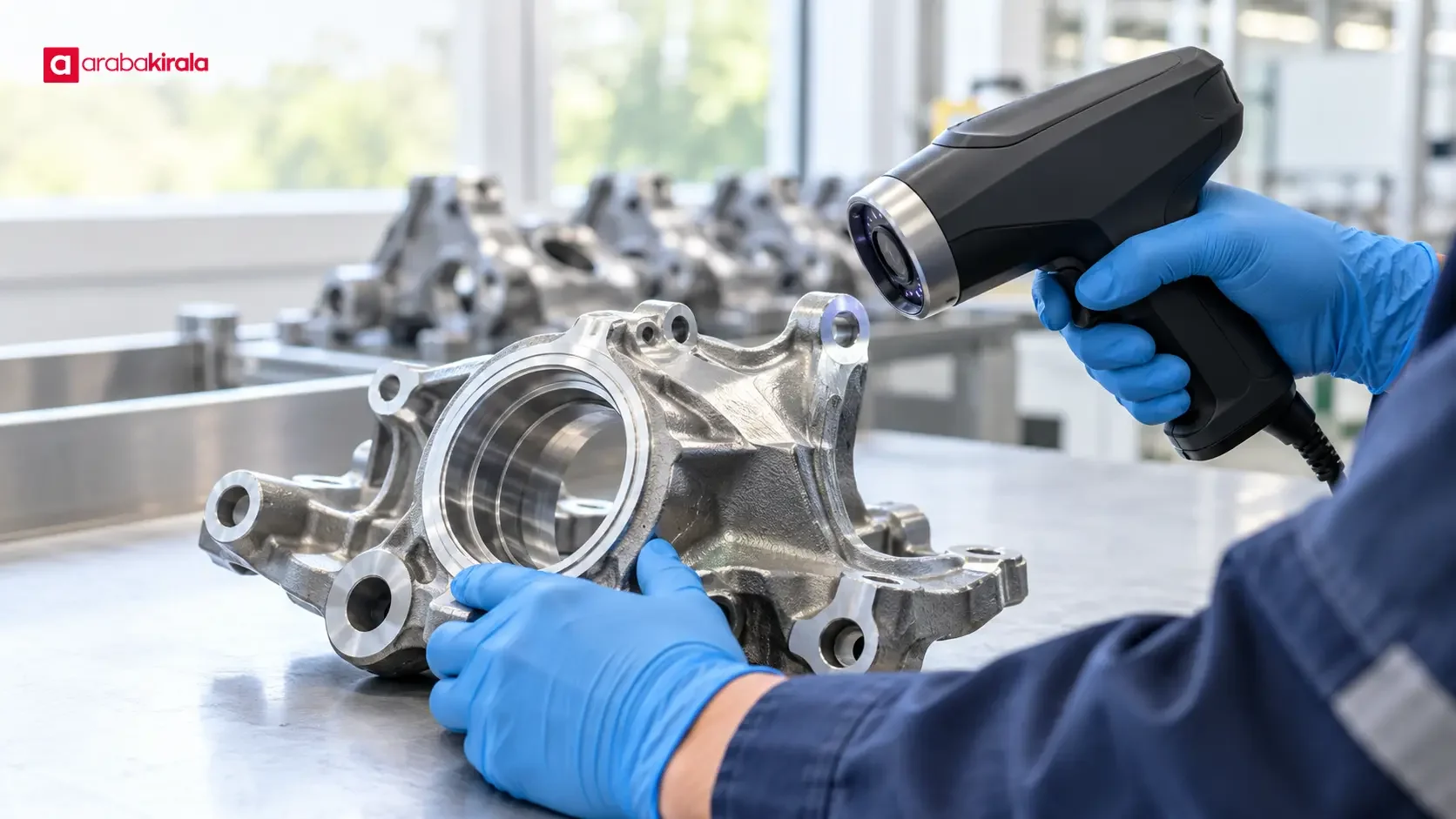
Published: October 20, 2026 • Reading Time: 8 min • Last Updated: October 20, 2026
Learn how part quality is controlled across automotive supply chains, what traceability records connect, and how parts can be followed from production through shipment and service.
Contents
- What do quality and traceability mean?
- How is quality built into the supply chain?
- Clarify requirements before production
- Control the production process
- What traceability records connect
- What happens when a nonconformance is found?
- What to check before buying or installing a replacement
- Practical steps for organizations
- Are a quality certificate, test report, and traceability the same?
- Summary: reliable records start with the right part
- Frequently Asked Questions
Automotive part traceability links a component to records about its materials, production, inspection, and movement through the supply chain. This guide explains how quality is checked at different stages, how part, lot, and serial identifiers differ, how records help investigate a nonconformance, and what information can be checked when selecting a replacement part.
What do quality and traceability mean?
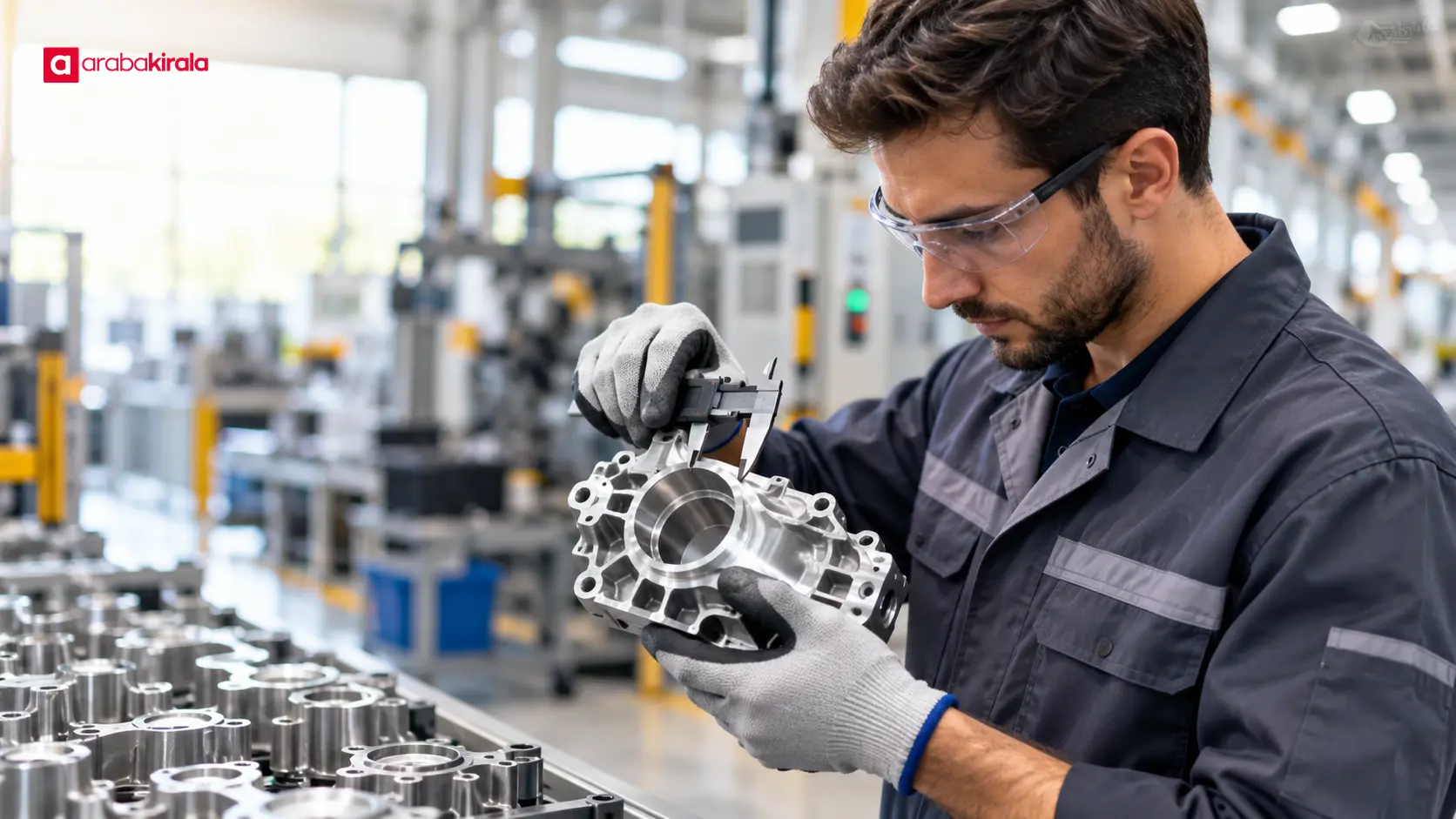
Quality concerns whether a part meets defined technical requirements and is suitable for its intended use. Traceability is the ability to associate the part or production batch with the information needed to review its history. A visual inspection is only one kind of quality check. Dimensions, material, function, durability, and fit may also matter. Traceability does not replace those checks; it connects their results to the correct product and provides a basis for investigation.
A vehicle component may combine raw materials and subcomponents from several suppliers. A useful record chain may therefore include more than the part name. Depending on the part and its requirements, records can connect a production site, date or shift, lot identifier, material batch, inspection result, and shipment. There is no single data set that fits every component. The needed detail depends on technical requirements and the consequences of a failure.
How is quality built into the supply chain?
Clarify requirements before production
Quality planning starts with understanding the technical definition and acceptance criteria for a part. Drawings or specifications may define dimensions and tolerances, material, surface features, function, and verification methods. The supplier translates these requirements into production steps and a control plan. Unclear requirements or uncontrolled document revisions can lead to defects and rework after production has started. Changes and approvals should therefore be recorded in a way that identifies which production applies to each revision.
Control the production process
Incoming inspection checks whether received material matches its description and the applicable requirements. In-process checks show whether production is achieving the intended result. Final inspection evaluates the product against acceptance criteria before shipment. The timing and method of a check, the measuring equipment used, and the recording of results all affect whether the information is useful.
Quality is not only a final filter that removes defective parts. Teams also need to detect process changes early, investigate causes, and make corrections that prevent recurrence. A gradual shift in measurement results is a different signal from one isolated out-of-range reading. Connecting data to a time, machine, tool, material lot, or process step can make an investigation more focused. It helps determine the conditions associated with an issue instead of treating every part as though it had the same history.
What traceability records connect
A part number identifies a product type; by itself, it may not distinguish one production run from another. A lot or batch number groups parts associated with a common production or material run. A serial number can identify one individual item. A barcode or QR code can carry these identifiers in a machine-readable form, but the code itself is not proof of quality. It serves as a pointer when it links to the right record.
A record chain can associate an identifier with the applicable specification revision, material and supplier records, production steps, inspection results, nonconformance and corrective action records, and shipment information. Forward tracing identifies where products from a given lot went next. Backward tracing investigates the inputs and processes associated with a particular part. Accessible, consistent, legible records are more useful than simply collecting a large volume of disconnected data.
What happens when a nonconformance is found?
When an inspection finds an issue, the first task is to determine its potential scope. Lot and production records can narrow which parts need investigation. Teams can examine the material batch, equipment, production time, and inspection results to test possible causes. Shipment records can help locate where the same lot moved in the supply chain. Relevant process owners then assess containment, further inspection, correction, or communication as appropriate.
Traceability does not automatically identify the cause of every defect, and it does not by itself guarantee that a part is defect-free. Missing, inaccurate, or mismatched records can make an investigation harder. Records should be created during production, changes controlled, and identifiers reliably associated with the product. A lost label or an incorrect scan can break the link between a physical component and its record.

What to check before buying or installing a replacement
For a vehicle owner, traceability can support identification of the right part and follow-up on product information. Fit cannot be established from appearance alone. Vehicle configuration, model details, production period, and technical revisions may affect compatibility. Ask the seller or qualified workshop carrying out the installation to confirm that the part matches the vehicle.
- Check that the part number and product description match the component you need.
- Compare lot, serial, or other identifiers on the product and packaging for consistency.
- Confirm which part the accompanying technical, conformity, or inspection records refer to.
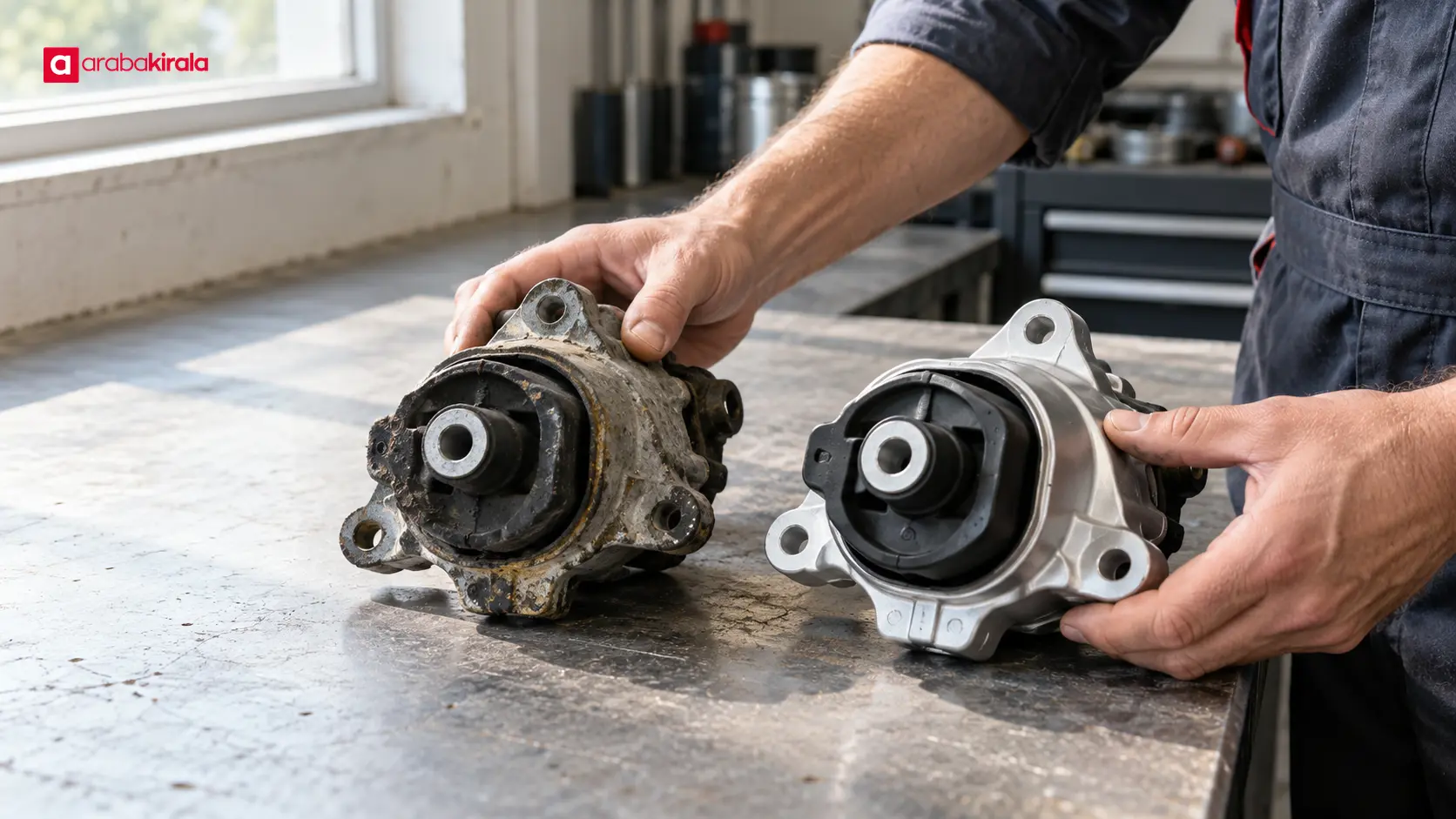
- Before installation, ask for an assessment if the part shows damage, deformation, corrosion, or unusual workmanship.
- Follow the manufacturer’s instructions and use qualified technical support; do not test safety-related parts by trial and error.
The presence of a label or code is not, on its own, a guarantee of authenticity, performance, or safety. What matters is which record the information links to and whether that record can be verified. If a product appears questionable or does not match the description, keeping the purchase record, packaging, and identifiers may help with an inquiry. Altering a code or installing an uncertain part to see whether it works is not a sound verification method.
Practical steps for organizations
A manufacturer, supplier, or maintenance organization should begin by identifying the risks and decisions the traceability system needs to support. Rather than attaching every possible data point to every part, design records that help define the scope of a nonconformance, follow changes, and reconstruct relevant production history.
- Select the identifier: Decide whether tracking is needed by part type, lot, or individual serial number, and use the identifier consistently on the product and in records.
- Connect the records: Define how material, process, inspection, nonconformance, and shipment information will be associated with the same part or lot.
- Control changes: Record how specification revisions, supplier changes, or process changes connect to affected production.
- Test the path: Choose a part and confirm that its inputs can be traced backward and its shipment destinations forward.
- Assign responsibilities: Make clear who enters, verifies, corrects, and retrieves the data when needed.
Digital tools such as barcodes, databases, and production software can make record matching faster. Digitization does not fix an undefined process by itself. Different teams using the same term in different ways, incorrect labels, and incomplete data entry can create the same problems in a digital system. Data fields, responsibilities, and correction history should fit the actual workflow. When information crosses organizational boundaries, the shared identifiers and data fields should also be clear.
Are a quality certificate, test report, and traceability the same?
A quality management system provides a framework for how an organization plans and monitors its processes. A test or measurement report records a check on a particular sample or batch. Traceability links that report and other records to the relevant product. A certificate, report, or code does not replace the others. Its scope, date, part description, and applicable revision should be checked.
Automotive quality management standards can shape an organization’s process approach. ISO’s overview of automotive quality management describes IATF 16949 as a sector-specific framework used alongside ISO 9001. Referring to a standard does not prove that a particular part conforms. A part-level decision requires the technical requirements, product records, and relevant inspection evidence to be considered together.
Summary: reliable records start with the right part
Part quality depends on clear requirements, controlled production, and meaningful evaluation. Traceability connects the records from that work to a product, helping teams narrow the scope of an issue, investigate causes, and understand where shipments went. When buying a replacement, confirm the product identity and vehicle fit, treat a label as a link to information rather than a guarantee, and seek qualified technical assessment when needed. For an organization, a practical next step is to select one part or lot and test whether its record chain works both backward and forward.
Frequently Asked Questions
What does automotive part traceability track?
It links a part identifier to relevant material and production records, inspection results, and movement through the supply chain. The scope depends on the component and its requirements.
What is the difference between a lot number and a serial number?
A lot number identifies a group associated with a common production or material run. A serial number can distinguish an individual item. The right level depends on the tracking purpose and product risk.
Does a barcode or QR code prove that a part is good quality?
No. A code can help identify a product or retrieve a record. Quality assessment requires the applicable technical requirements, appropriate checks, and verifiable records.
How can I check whether a part fits my vehicle?
Match the part information with the vehicle details and manufacturer technical information. Ask a qualified workshop to verify fit when needed; visual similarity alone is not enough.
Does a quality certificate show that every part conforms?
It may describe an organization’s management system or the scope of a particular assessment, but it does not automatically prove that every individual item conforms. Review it alongside part-specific records.
Does traceability prevent defects?
Traceability is not a defect-prevention method by itself. It helps investigate which products may be affected and supports process improvement; its value depends on accurate records and effective quality controls.
Legal Disclaimer: All content, articles and information on the Araba Kirala website are provided solely to inform users. No information shared on this website constitutes definitive advice or guidance. Araba Kirala Teknoloji A.Ş. and its authors cannot be held responsible for any direct or indirect damages arising from the application of information on the website. For all questions and requests regarding car rental, please contact the office from which you will rent your vehicle.