
How Automotive Production Data Supports Quality Tracking

Published: October 20, 2026 • Reading Time: 7 min • Last Updated: October 20, 2026
Learn how factory digitalization collects production data, connects it to quality tracking, and supports traceability and sound interpretation.
Contents
- What factory digitalization and production data mean
- How production data connects to quality tracking
- Establishing product and process context
- Reading measurements alongside process signals
- Noticing process change early
- Practical steps for collecting and tracing data
- Data quality and interpretation
- Missing or inconsistent records
- Separating correlation from cause
- What digital quality tracking can contribute
- A practical starting plan
- Frequently Asked Questions
Automotive production data helps teams understand how a part moved through production, how measurements relate to process targets, and where quality variation may have appeared. This guide explains factory digitalization, the kinds of data it can collect, how that data supports quality tracking, and what to check before interpreting a result. The aim is to connect records to useful decisions, rather than treating every sensor reading as proof of product quality.
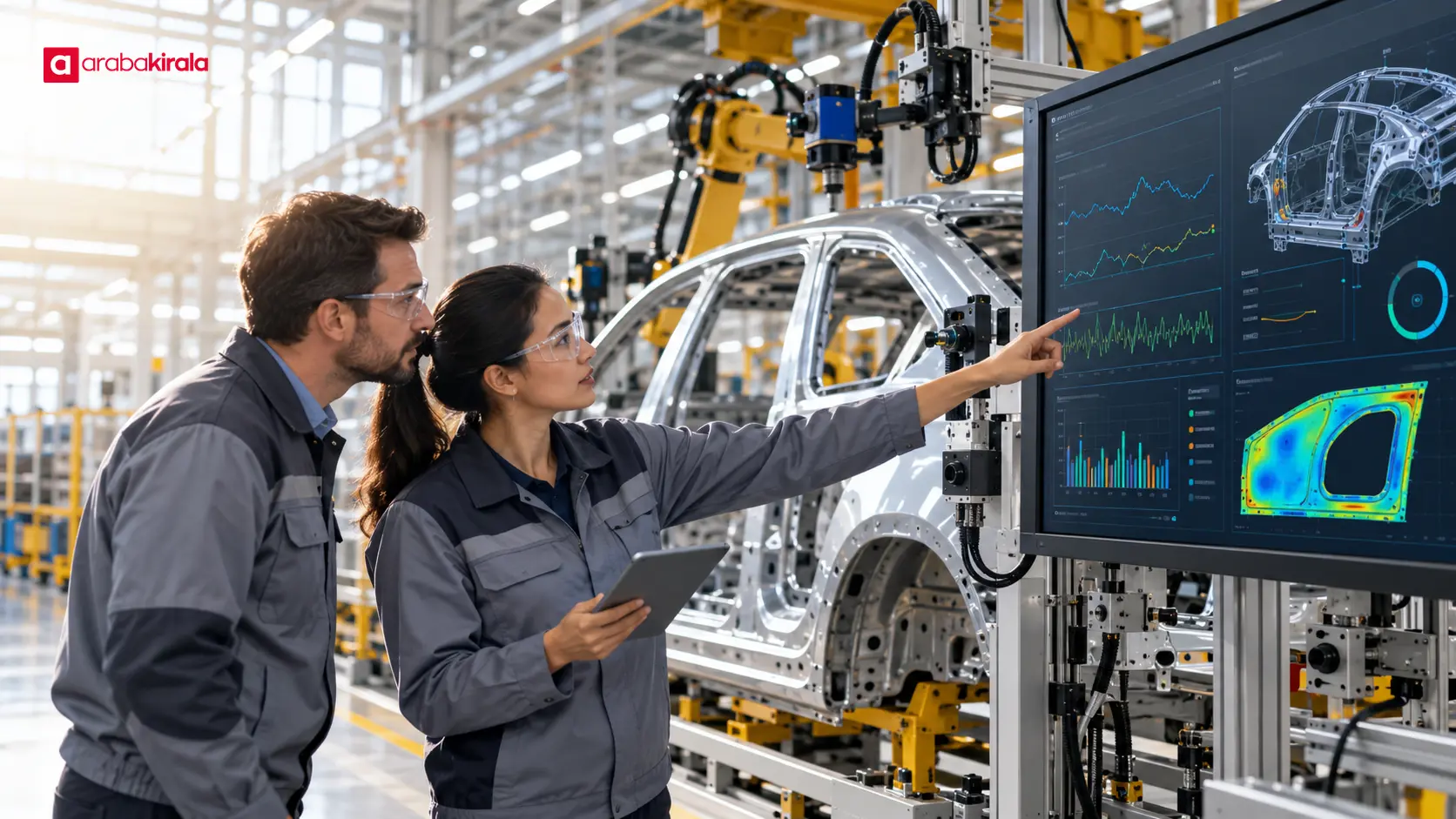
What factory digitalization and production data mean
Factory digitalization connects equipment, measurement tools, and work records through digital systems. It involves more than replacing paper forms with screens. The useful step is to relate information from different stations to a shared time and product context, so teams can follow what happened during production.
Production data may include equipment status, cycle time, temperature, torque, pressure, a measurement result, a part identifier, or the time an operation occurred. The relevant fields depend on the product and process. A fastening operation may require torque information, while a painted surface may call for a coating measurement or a record of a visual defect.
A data point is not automatically a quality decision. A sensor producing a number does not, by itself, show that the measurement was valid or that the product met its acceptance criteria. The measurement method, condition of the device, source of the record, and link to the correct product all matter.
How production data connects to quality tracking
Establishing product and process context
For a measurement to be useful, the team needs to know which part, station, and production moment it belongs to. When an item or part identifier is linked to a station, timestamp, and operation record, quality staff can review a result in its actual production context. Without that link, a valid looking reading can be assigned to the wrong item.
This relationship supports traceability: records can be used to review a product's production history. Traceability does not prevent every problem, but it helps narrow the scope of a finding, distinguish potentially affected items, and document an investigation. Record retention periods and identifier schemes depend on how the organization designs its process.
Reading measurements alongside process signals
Direct product measurements and process signals describe different things. A dimensional check measures a feature of the part. Machine temperature, cycle time, or a torque curve offers clues about how an operation ran. Process signals may provide an early indication of change, but they do not automatically replace the measurements needed to verify a product's conformity.
At an assembly station, for example, a team can track whether a fastening operation completed and what torque value was recorded. A change in values over time may call for checking the tool, joint, or work method. One unusual reading does not identify the cause on its own; the measurement range, part conditions, and station records need to be reviewed together.
Noticing process change early
By following indicators over time, quality teams can spot gradual shifts or recurring variation. Trend charts and control charts organize these observations. They do not predict the future with certainty; they show how data changed over a period and under recorded conditions.
An alert threshold being crossed does not always mean a product is defective. First, teams check the data source, whether the measurement is valid, and which process step is involved. If needed, they can then inspect product, equipment, or work instructions. This sequence can limit unnecessary interventions while helping prevent a real process shift from going unnoticed.
Practical steps for collecting and tracing data
- Define the feature to monitor: Explain which quality characteristic or process variable is being tracked and why. Focus on measurements that support a decision instead of collecting every available signal.
- Record the source and method: Identify the device or system, unit, and production station behind a measurement. Values in different units should not be compared directly.
- Link the record to the item: Match the part or product identifier with its operation and time record. Missing, duplicated, or mixed identifiers can distort the analysis.
- Check the measurement system: Confirm that the device is in suitable condition and the method measures the intended characteristic. Measurement uncertainty matters especially when results are close to a decision boundary.
- Set an investigation path: Make clear who reviews an alert, which supporting records they check, and how the finding is documented.
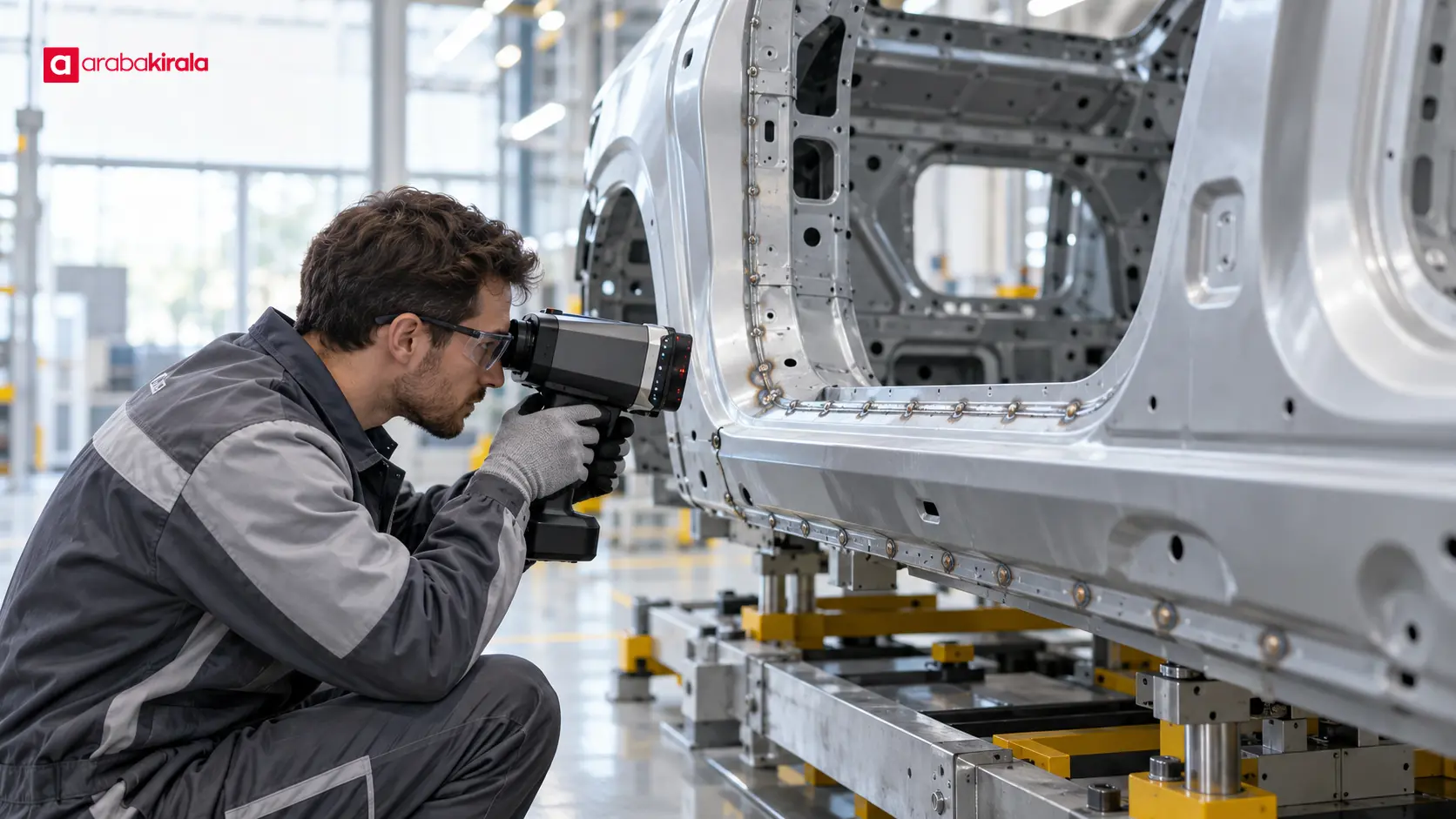
Data quality and interpretation
Missing or inconsistent records
Network interruptions, incorrect clocks, sensor faults, or manual entry errors can leave gaps in production records. Quietly filling gaps with normal values creates a picture of the process that was never actually observed. Missing records should be marked, and the analysis should explain how they were handled.
Consistent timestamps across systems help teams understand the order of events. If a machine record and quality measurement are several minutes out of sync, treating them as if they belong to the same part can lead to a false conclusion. Units, codes, and record formats also need clear definitions across systems.
Separating correlation from cause
Two variables moving together does not, by itself, show that one caused the other. Production speed and defect records may both change during the same period, but material lots, tool changes, shift conditions, or measurement methods could also play a part. Analysis should begin with a defined question, then check relevant variables and alternative explanations.
A dashboard can display many indicators, but the number of indicators does not guarantee better decisions. Each measure should have a clear definition, unit, update frequency, and process owner. Color alerts without a defined review step can distract operators instead of helping them act.
What digital quality tracking can contribute
Consistent production records make it easier to investigate which station or process stage may be related to a recurring issue. Teams can focus not only on sorting defects at the final inspection, but also on understanding changes in the process. Documented findings help track the effects of corrective actions and carry learning to similar products.
The value of production data does not come from adding screens or complexity for its own sake. It comes from linking suitable data to the right product and turning it into an understandable decision for the responsible team. Reliable quality tracking in automotive production brings measurement systems, product traceability, process knowledge, and human review together.
A practical starting plan
A team improving digital quality tracking can begin with one recurring quality question: which characteristic needs attention, where is it currently checked, and what records already exist? It can then select a limited set of fields that help explain that characteristic. The records should be linked to product identity, the measurement method checked, and missing entries clearly marked.
Initial analysis should be reviewed alongside process conditions understood by production and quality staff. When a signal changes, people should know who checks which records and when an additional measurement is needed. The next step is to see whether the same workflow remains clear across different shifts and product conditions. That turns digitalization from report generation into support for everyday quality decisions.
Summary: Automotive production data supports quality tracking by connecting measurements and process records to the correct part and production step. A sound approach defines the feature, records sources and units consistently, establishes traceability, checks the measurement system, and interprets trends in context. A useful next step is to choose one production quality question and identify only the records that can help answer it.

Frequently Asked Questions
What information can automotive production data include?
It can include product identifiers, operation times, station details, measurement results, equipment status, and process parameters. Not every factory collects the same fields; selection depends on the production stage and the quality characteristic being monitored.
Does production data alone prove that a part is good?
No. A recorded process value can be a useful signal, but it is not proof of conformity unless its measurement method and relationship to the product characteristic have been validated. Required product checks should follow the defined quality criteria.
Why is traceability important?
Traceability links measurement and operation records to the relevant product. This makes it easier to investigate which production steps may relate to a finding and to define the scope of a review consistently.
What should be checked first when a data alert appears?
Check the alert's source, timestamp, product match, and measurement validity first. Then review the station and related process records to determine whether a product check or process investigation is needed.
Does factory digitalization replace quality staff?
Digital systems support record collection, linking, and visibility into process changes. Process knowledge and human review are still needed to understand context, assess the significance of a finding, and carry out an appropriate investigation.
Legal Disclaimer: All content, articles and information on the Araba Kirala website are provided solely to inform users. No information shared on this website constitutes definitive advice or guidance. Araba Kirala Teknoloji A.Ş. and its authors cannot be held responsible for any direct or indirect damages arising from the application of information on the website. For all questions and requests regarding car rental, please contact the office from which you will rent your vehicle.












