
Planning Safe Loading and Unloading Stops When Renting a Car in Beylikdüzü
Published: October 29, 2026 • Reading Time: 6 min • Last Updated: October 29, 2026
Plan loading and unloading stops before driving in Beylikdüzü. Learn how to choose a suitable place, arrange luggage, protect pedestrian access, and check location-specific rental details.
Contents
- Why plan loading and unloading stops in advance?
- How to choose a suitable stopping place
- Look for space away from moving traffic
- Consider which side passengers will use
- Load luggage safely and in an orderly way
- A short stop-planning checklist
- At rental pick-up and before returning the car
- Conclusion: a safe stop supports a smoother trip
- Frequently Asked Questions
Beylikdüzü car rental safe stop planning helps you load and unload luggage without rushing beside moving traffic. This guide explains how to assess a stopping place, consider pedestrians and passenger access, organize luggage, and handle practical checks before setting off in a rental car.
Why plan loading and unloading stops in advance?
Placing bags beside a car or taking them out can affect nearby drivers, cyclists, and pedestrians, even when the vehicle is stationary. An unsuitable roadside stop may narrow visibility, obstruct movement, or require someone to reach into the vehicle from the traffic side. A suitable car park, a facility’s designated drop-off area, or another place where stopping is permitted can make the task calmer and more controlled.
A stop plan is more than a pin on a map. Think about whether the vehicle can pull in safely, whether the boot can open fully, which side passengers will use, and how long belongings may remain outside. In Beylikdüzü, the entrance layout, traffic conditions, and pedestrian flow can differ by destination and time. Check the destination’s parking or drop-off arrangements before travelling when that information is available.
How to choose a suitable stopping place
Look for space away from moving traffic
Give priority to places where parking or brief stopping is clearly appropriate. A car park or a facility’s own drop-off area can reduce the need to handle luggage in a moving lane. If you are considering a roadside bay, check that the vehicle will not protrude into traffic, block sightlines, or conflict with signs and local rules. If you are unsure whether a place can be used for loading, choose another one.
Narrow streets, sharp turns, approaches to junctions, pedestrian crossings, and areas with heavy bicycle or public transport activity may be poor places to handle bags. Even if a vehicle can physically stop, look for a better location whenever it could obstruct another road user’s view or passage. Do not inspect a navigation screen while driving. If the route or planned stop needs to change, first park somewhere safe and permitted.
Consider which side passengers will use
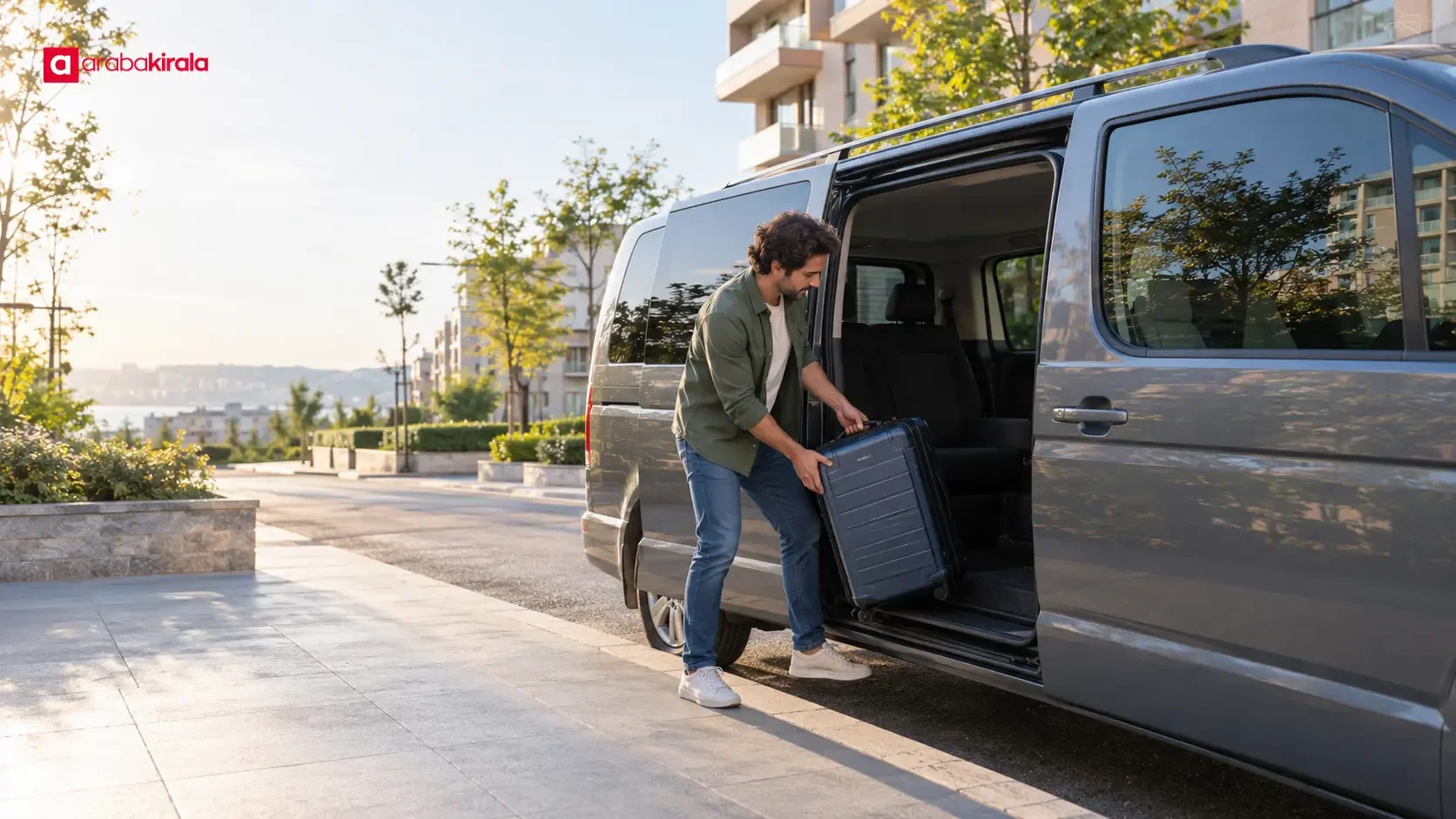
Choose a position that lets passengers get out toward a pavement or pedestrian area instead of stepping directly into active traffic. Doors should not swing into a walking or cycling path, and the boot lid should not block people passing behind the car. When children or passengers who need mobility support are travelling, a wider, level area can make boarding and leaving the car easier.
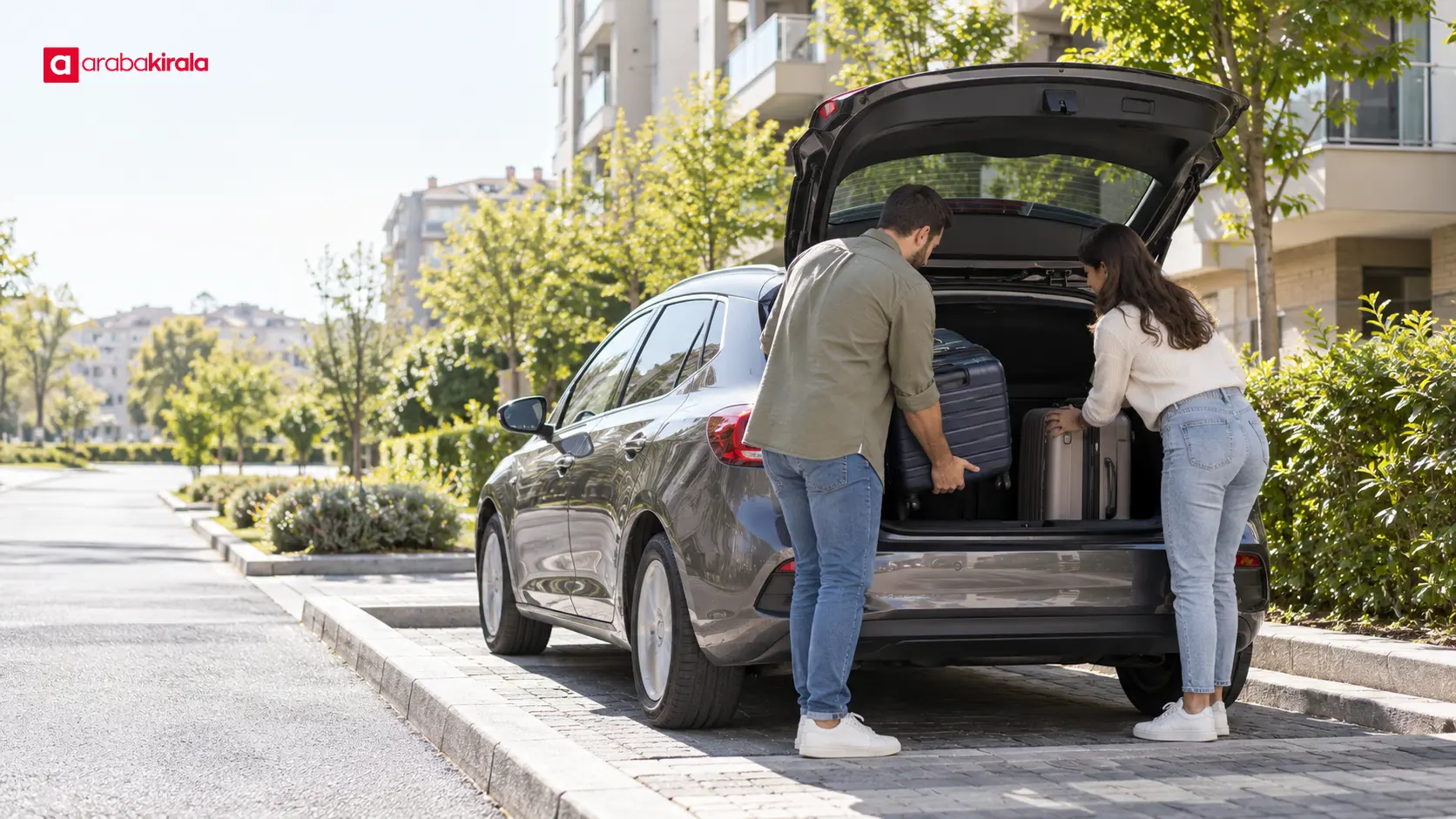
Once everyone has exited, opening the boot and arranging luggage can improve awareness of the surroundings. Where the space allows, one person can keep an eye on the vehicle while another handles the bags, helping prevent doors or the boot from being left open in a busy area. This is a practical suggestion, not a requirement; if the space is too crowded, move to a more suitable place before dealing with the luggage.
Load luggage safely and in an orderly way
Before departure, sort items by size and weight. Place heavy pieces low on the boot floor and as far forward as practical, and protect lighter or fragile belongings. Loose objects can move into the passenger area during hard braking. Do not stack luggage so high that it blocks the rear window. If the car has luggage anchors or a divider, follow the vehicle’s manual for their use.
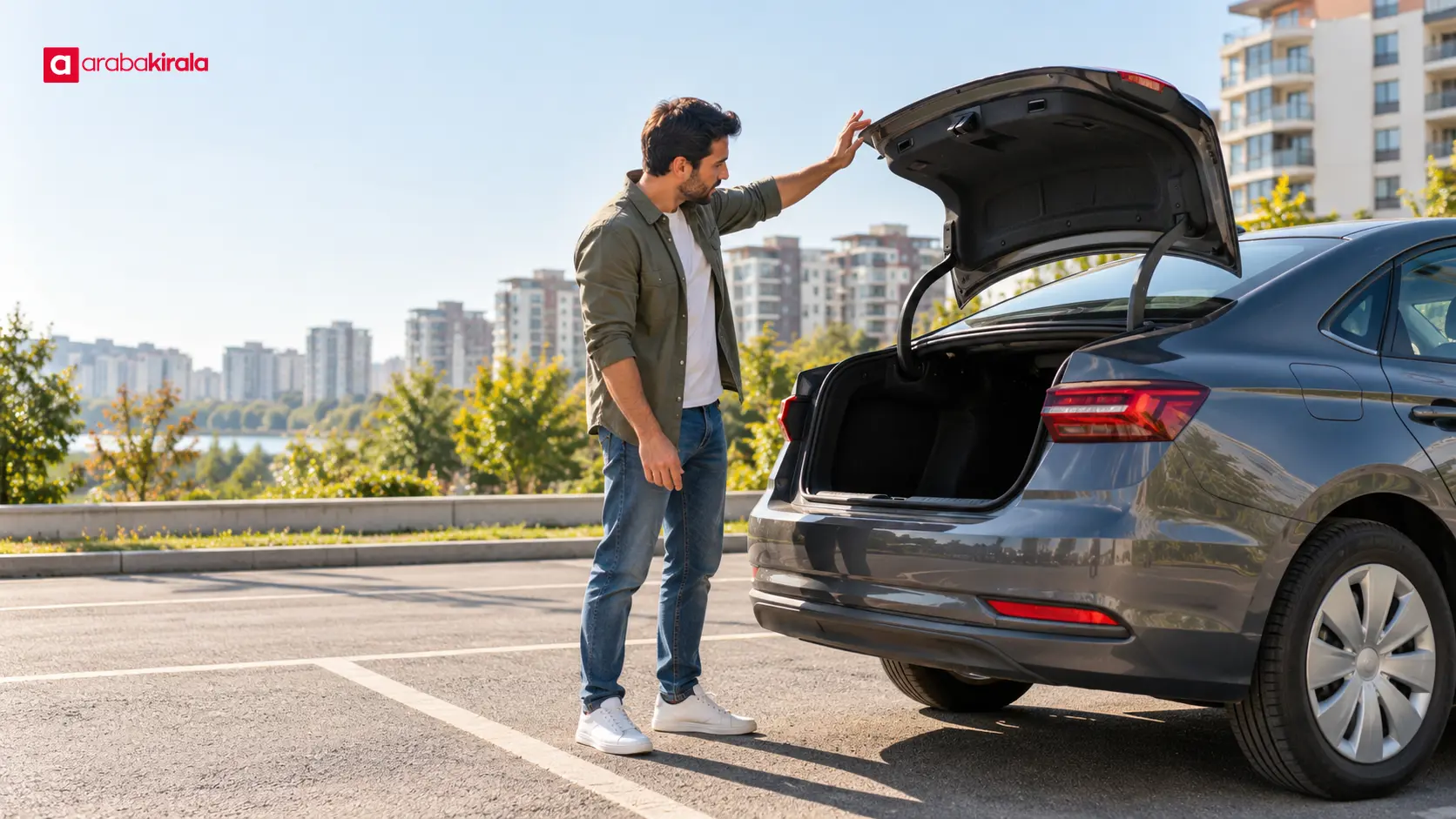
Do not force the boot lid shut. Compressing bags to make the lid close can compromise visibility or the stability of the load. After loading, check that doors and the boot are closed, passengers can fasten their seat belts, and the driver can see clearly in the mirrors. Instructions for roof or in-cabin cargo vary by vehicle, so use the manual for the specific car.
A short stop-planning checklist
- Review the destination’s parking, entrance, and passenger drop-off arrangements.
- Choose a place that does not occupy a traffic lane or block anyone’s view or path.
- Prepare luggage by size and weight, and minimize loose items in the passenger area.
- Before driving, check the mirrors, sightlines, doors, and boot lid.
- If the place is unsuitable, move to a safer permitted area instead of rushing.
These steps do not guarantee that a particular space will be available or that every destination has a drop-off area. Adjust the plan to the traffic and the space you find. If you have several unloading points, assess whether stopping is suitable at each one. A stop being brief does not automatically make it safe or permitted.
At rental pick-up and before returning the car
At pick-up, check the boot capacity, how the seats fold, and whether your belongings fit before driving away. Ask the office you rent from how the vehicle’s condition is recorded during handover. If the pick-up area is tight or busy, ask whether there is a more suitable place to arrange luggage. The available arrangements depend on the location and should be confirmed there.
Before returning the car, consider where you will unload your belongings and allow time for the process. Stopping and unloading arrangements may vary by return location, so confirm them with the office you will rent from before the reservation or handover. Ask the same office about key handover, where to park, and opening hours. These are location-specific questions; they do not assume that a particular service is available everywhere.
Conclusion: a safe stop supports a smoother trip
Planning loading and unloading points before renting a car in Beylikdüzü reduces the need to arrange bags in a hurry beside traffic. Choosing a suitable space helps keep the process manageable for the driver, passengers, and people nearby. Review the destination’s parking arrangements, load luggage without blocking visibility, and direct questions about pick-up or return procedures to the office you will rent from. This keeps the plan practical and grounded in the conditions at your location.
Frequently Asked Questions
What is the safest place to load luggage in Beylikdüzü?
There is no single place that suits every trip. Consider a car park or a facility area where parking is appropriate and traffic is separated from the loading activity. Check the destination’s own drop-off arrangements in advance, and adjust the plan if conditions change.
Can I stop briefly at the roadside to unload luggage?
Whether stopping is suitable depends on signs, traffic arrangements, and local rules at that location. Do not stop where you would obstruct movement or visibility, or leave passengers on the traffic side. If you cannot confirm that the place is appropriate, choose another area.
How should I arrange luggage in a rental car?
Place heavy items low and securely in the boot, avoid loose objects in the cabin, and keep the rear window clear. Check that the boot closes without force. Follow the loading instructions in the manual for the specific vehicle.
What if my luggage does not fit in the rental car?
Check before driving whether everything fits securely. Do not set off with a load that blocks visibility or prevents the boot from closing properly. Discuss options relating to the vehicle you were assigned with the rental office; availability can depend on the location and reservation.
Will there be a place to unload luggage at the return location?
That depends on the layout of the return location. Confirm in advance with the office you will rent from whether there is an appropriate place to stop, unload, and hand over the keys. Do not assume that the same arrangement exists at every location.
Legal Disclaimer: All content, articles and information on the Araba Kirala website are provided solely to inform users. No information shared on this website constitutes definitive advice or guidance. Araba Kirala Teknoloji A.Ş. and its authors cannot be held responsible for any direct or indirect damages arising from the application of information on the website. For all questions and requests regarding car rental, please contact the office from which you will rent your vehicle.












