
How to Choose a Rental Car Body Style for Everyday Hauling in Beylikdüzü

Published: October 14, 2026 • Reading Time: 8 min • Last Updated: October 14, 2026
Compare hatchbacks, sedans, wagons and SUVs for everyday loads in Beylikdüzü, with practical guidance on measuring cargo, assessing trunk access and loading safely.
Contents
- Why cargo volume alone does not settle the choice
- What common body styles can suit
- Hatchback: easy access for small and medium loads
- Sedan: enclosed trunk separated from the cabin
- Station wagon: useful space for longer items
- SUV: flexible interior layouts and a higher load floor
- Measure your items before choosing a car
- Consider the route and everyday conditions in Beylikdüzü
- Checks before collection and while loading
- Vehicle details to clarify when booking
- Finish with a practical decision
- Frequently Asked Questions
Choosing a Beylikdüzü rental car body style for everyday hauling depends on more than how much cargo you have. The shape and dimensions of your items, passenger count, parking conditions and route all matter. This guide explains what hatchbacks, sedans, station wagons and SUVs can offer for routine transport, how to assess usable cargo space, and what to check before collecting a car. The goal is to find a body style that fits the load safely and keeps the trip practical, rather than simply choosing the largest vehicle.
Why cargo volume alone does not settle the choice
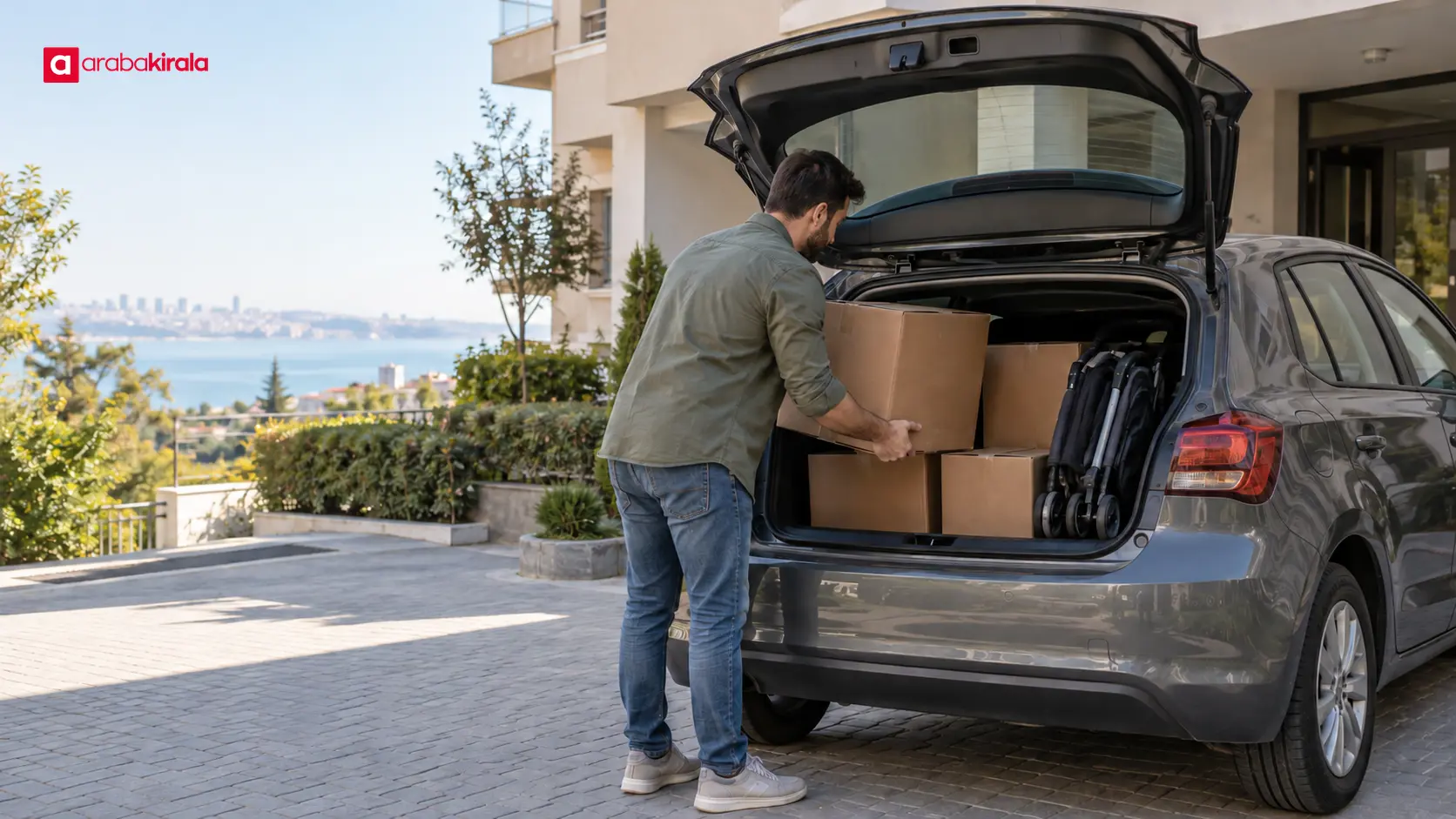
A cargo volume figure describes the capacity of a storage area, but it cannot by itself confirm that a particular item will fit. Two trunks with similar stated volume may have different opening widths, floor lengths, roof heights and loading sills. Regular boxes may pass through a narrow opening while a folded stroller or a flat-pack item may not. Consider volume alongside the actual dimensions of the largest pieces you plan to carry.
Passenger space is part of the calculation. Using the rear seats for cargo can reduce room for passengers and make it harder to secure items. Avoid stacking anything where it blocks the view through the rear window. A loose item can shift toward the cabin during braking, so its weight and tendency to slide matter as much as its size. Make sure the planned arrangement leaves passengers and the driver with clear, usable space.
What common body styles can suit
Hatchback: easy access for small and medium loads
A hatchback’s rear door usually opens together with the rear glass, which can provide broad access to the cargo area. This can be convenient for groceries, several boxes, sports bags or a folded stroller. Some models allow the rear seats to fold to make room for longer pieces, though the resulting surface may not be flat. Check the cargo opening and the space available with the seats in the intended position. For heavy or bulky items, consider the vehicle’s rated capacity and how the load can be secured.
Sedan: enclosed trunk separated from the cabin
A sedan has a separate enclosed trunk, which can keep suitcases, shopping bags and small boxes apart from the passenger cabin. A deep trunk does not necessarily have a wide or tall opening, however. The shape of the opening and the trunk interior can limit what fits. If you plan to carry a long object, ask whether the rear seats fold and whether the resulting pass-through is long and wide enough for your measured item.
Station wagon: useful space for longer items
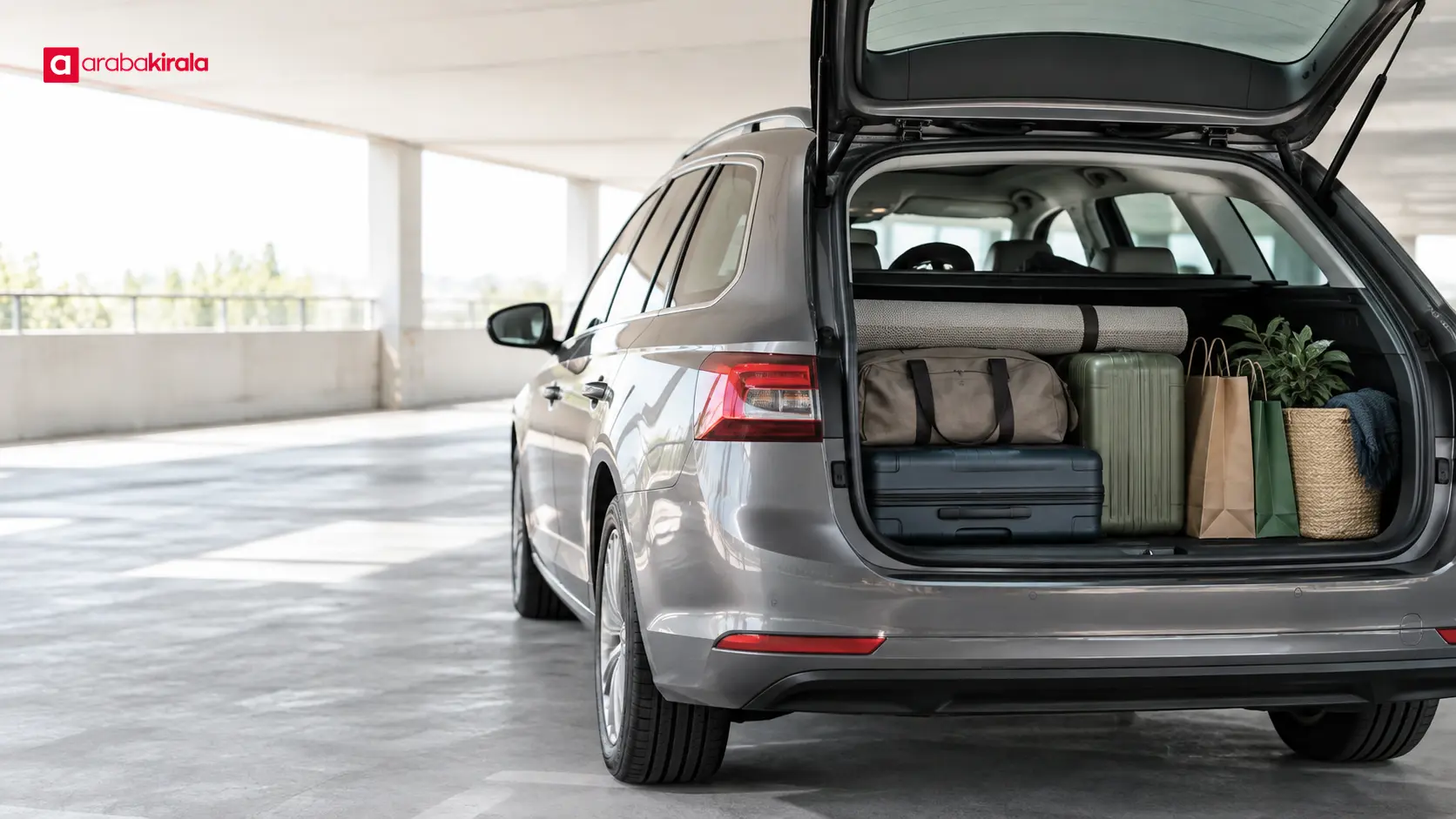
A station wagon’s roofline continues farther toward the rear, and the cargo area is commonly accessed through a rear hatch. This layout can make it easier to carry several cases together with a long, lightweight item. Folding the rear seats may extend the floor area, but floor length, hatch clearance and the surface created by the folded seats vary by model. Check not only that the item fits, but also that the hatch can close without pinching it and that the load will not block visibility.
SUV: flexible interior layouts and a higher load floor
SUVs often provide a higher seating and cargo position, and some models let the rear seats fold to expand the load area. That can provide flexibility for mixed everyday cargo. A higher floor can make heavy items harder to lift, while the vehicle’s outside dimensions may affect parking and maneuvering. The SUV label does not mean that every model has the same cargo dimensions or capacity. Ask about the specific vehicle’s usable measurements and permitted load.
Measure your items before choosing a car
Make a list of what you need to move before searching for a reservation. Measure the length, width and height of each large item; measure foldable items in their folded form. Note the number of boxes and bags, their dimensions, and how many people will travel. Think about the direction in which the longest piece must be placed. A trunk floor may be long enough while its opening is too narrow for the item to pass through.
- Identify the item shape: Rigid boxes, soft bags and long pieces fit into different gaps.
- Ask about the opening: A cargo volume figure may not show the clear width of the hatch or trunk.
- Confirm the seat layout: Consider how the rear seats fold and how much room remains for passengers.
- Account for weight: An item must fit within the vehicle’s capacity and be placed securely and evenly.
Technical specifications may state cargo capacity in litres. Use those figures to narrow down options, while keeping in mind that the measurement may depend on the seat configuration and does not describe every contour of the cargo area. If one large item determines the choice, ask the branch you plan to rent from for the opening and usable dimensions of the vehicle. Confirm vehicle assignment and body-style details with that location as well.
Consider the route and everyday conditions in Beylikdüzü
Where the car will be used can affect the choice as much as the cargo itself. Short trips around Beylikdüzü, parking near residential buildings or shopping areas, and ramps in enclosed car parks can make a vehicle’s exterior dimensions important. A larger body may give your items more room while requiring more care when maneuvering and parking. Check the height clearance, entrance width or space dimensions of any car park on your route in advance.
If passengers and cargo are travelling together, account for cabin occupancy from the beginning. Using rear passenger space to compensate for a small trunk affects comfort and the ability to secure the load. Stacking items high enough to obstruct the driver’s view is not a safe workaround. The driver should have a clear view through the windows and mirrors, and items that could move should be secured. Unevenly distributed weight can also affect how a car handles and brakes.
Checks before collection and while loading
When you receive the car, assess whether its cargo opening and layout meet your need before loading. Inspect the vehicle in a well-lit, safe place and record existing exterior damage through the collection process used for the rental. Look over the cargo floor, hatch and seat mechanisms before operating them. Do not force folding seats; follow the vehicle’s instructions if they explain how to use them. Ask the branch about vehicle-specific load capacity, seat configuration or equipment instead of relying on body-style assumptions.
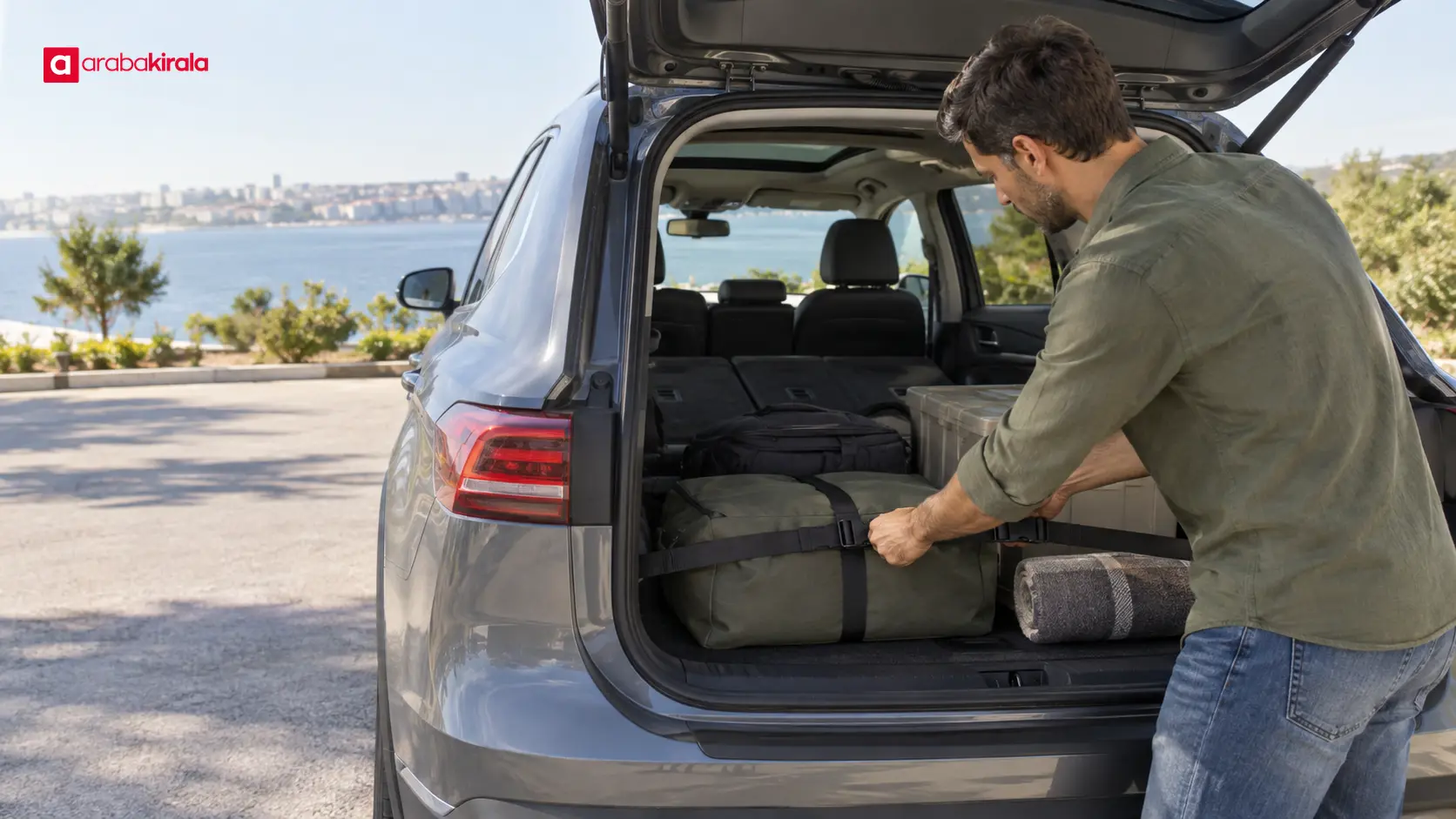
Place heavier items low and evenly, then arrange lighter pieces around them without blocking the driver’s view. Leave some room around sharp or fragile objects, and secure anything that could slide during braking. Check that the hatch closes fully without pressing on the load and that the rear view remains clear. If an item interferes with seat belts or passenger seating, rearrange the load before setting off.
Vehicle details to clarify when booking
A vehicle class or body-style name does not mean that every model offers identical cargo dimensions. During the reservation process, share the measurements of the largest item and ask whether the selected vehicle type can accommodate it. Confirm with the branch you will rent from whether the booking refers to a specific model or a vehicle class, whether the rear seats fold, and what usable cargo dimensions are available. These questions help distinguish general guidance about a body style from the details of a particular vehicle assignment.
If your plan includes several loading stops, also consider how easily you can reach the cargo area and rearrange the items at each stop. For a single trip with a full load, making sure everything fits at once while leaving room for passengers may matter more. If your plan involves carrying something outside the car, ask in advance whether that is suitable for the vehicle and the rental arrangements. Do not assume that roof rails, a carrier or similar equipment will be available.
Finish with a practical decision
Start with the dimensions and total weight of your cargo, then add passenger numbers and parking conditions. A hatchback or sedan may suit boxes and bags; a station wagon or a suitably configured SUV may be more convenient for longer items. These are general considerations, not a guarantee about a particular model. The actual opening, dimensions and capacity of the car you rent are what determine the fit.
Next, measure your largest item, share that measurement during the reservation process and confirm the cargo layout with the rental branch. Check the load area at collection, then secure everything without obstructing visibility. This approach helps you choose a suitable body style for everyday hauling in Beylikdüzü and avoid renting a vehicle that is unnecessarily large or impractical for the job.
Frequently Asked Questions
Is a hatchback or sedan better for everyday cargo?
It depends on the shape of the items. A hatchback’s larger rear opening can make some bulky items easier to load, while a sedan’s enclosed trunk keeps bags and boxes separate from the passenger cabin. Compare your item dimensions with the opening and interior layout.
Will a car with a large cargo volume fit every large item?
No. Volume is only one measure of usable space. The trunk or hatch opening, floor length and interior height all affect whether an item fits. Ask the branch you plan to rent from about the specific vehicle’s dimensions when a bulky item is decisive.
Can I carry a longer item with the rear seats folded?
Some models have folding rear seats, but the configuration and resulting space vary. Folding seats also change passenger capacity and affect how the load can be secured. Confirm the particular vehicle’s layout and capacity before relying on this option.
How should I arrange cargo that extends toward the rear seats?
It should not block the driver’s view, interfere with passenger seating or seat belts, or be able to move during braking. If you cannot meet those conditions, choose a vehicle with a more suitable interior or revise the load arrangement.
Can I be sure the body style I need will be available when I book?
Vehicle availability and the way a specific model is assigned can vary by rental location. Share the dimensions of your largest item and confirm the vehicle type, usable cargo space and seat layout with the branch where you plan to rent.
Legal Disclaimer: All content, articles and information on the Araba Kirala website are provided solely to inform users. No information shared on this website constitutes definitive advice or guidance. Araba Kirala Teknoloji A.Ş. and its authors cannot be held responsible for any direct or indirect damages arising from the application of information on the website. For all questions and requests regarding car rental, please contact the office from which you will rent your vehicle.












