Brake Pedal Vibration: Causes and Safe Checks
Published: November 13, 2026 • Reading Time: 6 min • Last Updated: November 13, 2026 • Author: Merve B.
Contents
- What does vibration at the brake pedal mean?
- Possible causes and how they differ
- Brake disc and pad contact
- ABS intervention and unusual vibration
- Wheels, tires, and suspension connections
- How to observe the symptom safely
- When should you stop driving?
- Preparing for a service inspection
- A safe, clear next step
- Frequently Asked Questions
- Related Articles
This guide explains what brake pedal vibration can indicate, which details are useful to observe, and how to prepare for a safe service inspection. Note whether the pedal shakes only while braking or whether the car also vibrates while moving without brake input. The speed, braking force, steering feel, and any warning lights can help a technician understand the symptom. One sensation alone cannot identify a definite fault.
What does vibration at the brake pedal mean?
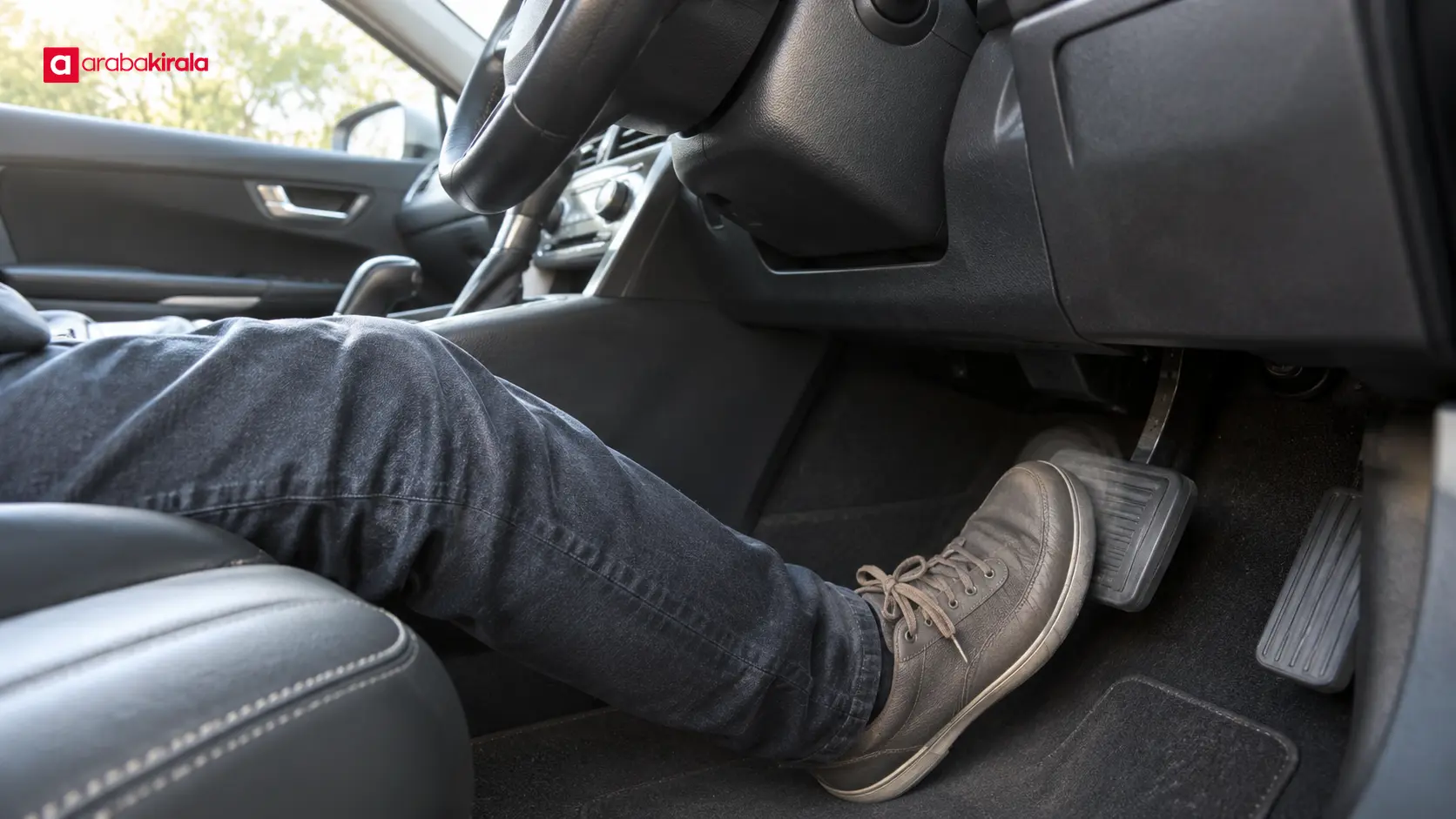
The pedal can transmit changes in force from rotating wheel and brake components during deceleration. A surface or contact issue in the braking assembly is one possibility, but vibration does not point to one failed part by itself. The brake disc, pad contact, wheel connections, and system operation may need to be considered together.
When the symptom appears matters as much as how it feels. A shake that occurs only while slowing down differs from vibration that continues on a straight road without braking. Rhythmic feedback through the pedal, steering wheel shake, or the car pulling to one side are separate observations worth reporting.
Possible causes and how they differ
Brake disc and pad contact
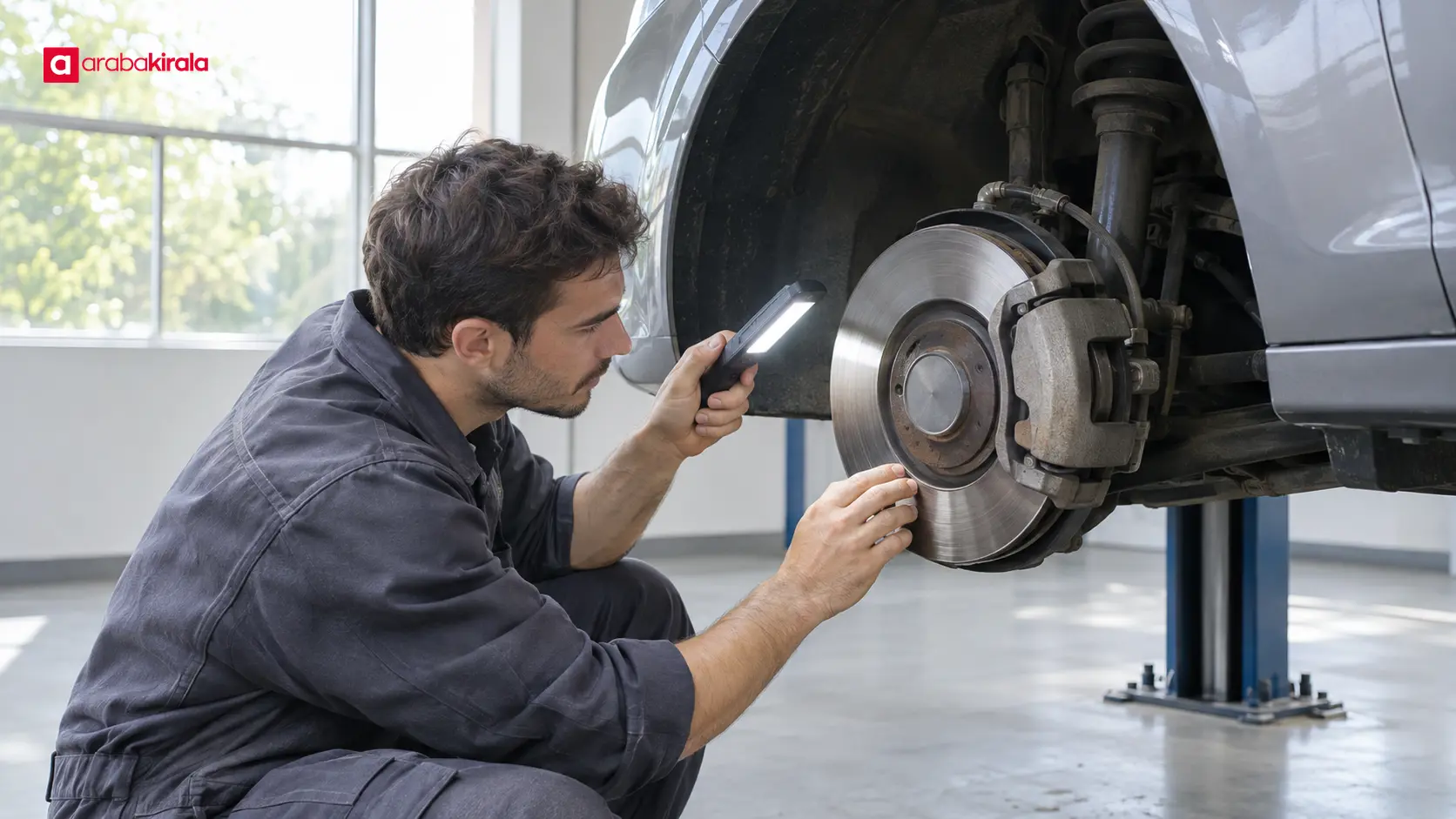
The disc rotates with the wheel, and the brake pads press against its faces to slow the car. An uneven disc surface, variation in thickness, or inconsistent contact can create a pulsing sensation under braking. A visual glance from outside is not a reliable diagnosis; inspection and measurement may be needed.
The brake pads can also contribute if they do not contact the disc evenly. Wear, contamination, or an installation issue requires professional assessment. It is not sound to label every pedal shake a “warped disc”; different conditions can feel similar from the driver's seat.
ABS intervention and unusual vibration
The ABS system helps prevent wheel lock during hard braking by adjusting brake pressure rapidly. A brief pulsing or tapping sensation at the pedal may accompany this intervention, especially during strong braking on a slippery surface. That can be consistent with system operation, but it is not safe to assume that all vibration is a normal ABS response.
If the vibration recurs during ordinary braking, lasts, or appears with an ABS warning light, the system should be checked. Record the surface, driving conditions, and warning indicators. Do not ignore a repeated symptom just because a warning light later turns off.
Wheels, tires, and suspension connections
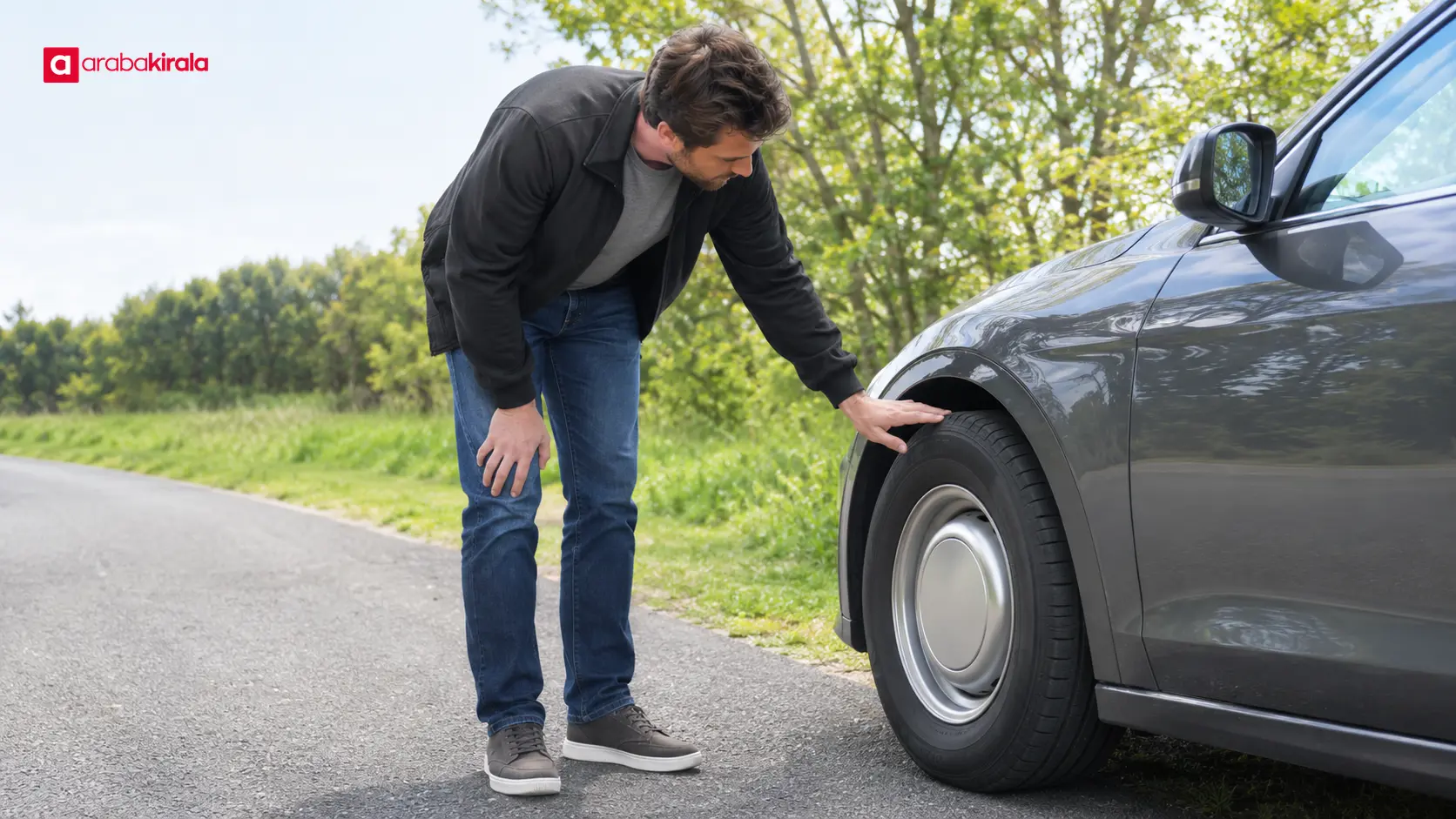
Wheel balance, a tire condition, or a suspension issue can cause vibration while the car is moving. That shake may also be present when the brakes are not being used; becoming more noticeable during braking does not prove the brakes are the only source. Notes about steering feel, speed, and road surface help distinguish the pattern.
A loose or damaged wheel connection may require prompt attention for safety. Do not remove a wheel, lift the vehicle, or try to judge component tightness by hand. If you see damage or hear an unusual sound near a wheel, stop at a safe distance and seek assistance.
How to observe the symptom safely
Do not deliberately test the issue with hard braking or at high speed. Record what you notice during normal, safe driving, preferably after the vehicle is stopped. Sharing an existing observation is safer than performing a road test to diagnose the cause yourself.
- Note whether vibration occurs during braking or also without brake input.
- Describe whether the sensation changes with light versus firmer braking.
- Say whether the steering wheel, body, or pedal seems to shake.
- Record accompanying noises, a burning smell, warning lights, or a pull to one side.
- If known, include when it started and whether it followed recent maintenance or wheel work.
When should you stop driving?
Stop somewhere safe if braking becomes noticeably weaker, the pedal moves unusually close to the floor, the car pulls in a way that makes it hard to control, or you hear metal scraping. Smoke or a strong burning smell is also a reason not to continue driving. Choose a safe place without creating a traffic hazard, then seek professional help.
Do not postpone an inspection for recurring vibration, even when it feels mild. If it began suddenly, is getting worse, or comes with a warning light, a remote description cannot establish whether continued driving is safe. Consider a safe stop and assistance instead.
Preparing for a service inspection
A clear description helps the workshop focus its inspection. Instead of saying only “it shakes when I brake,” explain whether it happens exclusively during braking, reaches the steering wheel, and comes with any warnings. Mention recent maintenance or wheel work if relevant.
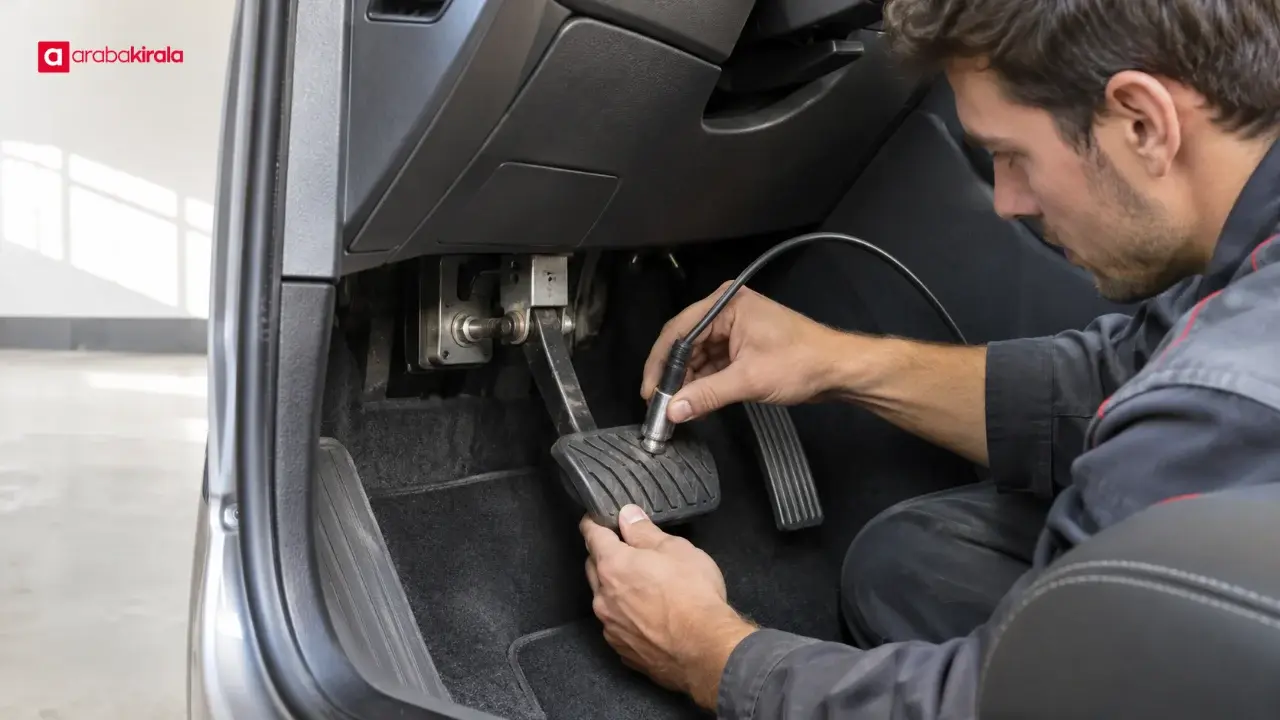
A technician may inspect the discs and pads, wheel connections, tires, and related systems according to the vehicle's condition. Ask whether measurement or a road test is needed, which findings point to a particular component, and why a proposed repair is recommended. If a part replacement is suggested, asking for the inspection findings is a practical way to understand the decision.
If this happens while you are driving a rental car, stop somewhere safe first and avoid stressing the vehicle. Contact the branch where you rented it for instructions about inspection and the next step. Procedures can depend on the specific branch and vehicle, so confirm those details directly.
A safe, clear next step
Brake pedal vibration does not name the fault on its own. The conditions in which it appears and the other signs around it matter. Avoid risky testing, write down your observations, and arrange a professional brake system inspection for persistent or strong symptoms. If braking performance is clearly reduced, stop in a safe place and get assistance.
Your next step is to describe the symptom clearly and ask what the inspection found. That makes the decision depend on the vehicle's actual condition rather than a guess. For a rental, contact the branch where you collected the car if branch or reservation details affect how the vehicle should be checked.
Frequently Asked Questions
Does vibration while braking always mean a bad disc?
No. Disc surface or pad contact can be involved, but ABS intervention and wheel or suspension conditions may produce a similar sensation. An inspection is needed to identify the cause.
Can pedal vibration be normal when ABS operates?
A short pulse can be felt as ABS adjusts pressure during hard braking. Have recurring vibration under ordinary braking, prolonged shaking, or an ABS warning light checked.
What if the steering wheel also shakes?
That is useful evidence that the vibration reaches beyond the pedal. The wheels, tires, and brake components may all need assessment; steering shake alone does not identify the source.
Can I keep driving if the vibration is mild?
A remote description cannot determine whether driving is safe. Arrange a check for recurring symptoms. If braking weakens, the car pulls, the pedal sinks unusually low, or scraping occurs, stop safely and seek help.
What should I tell the service technician?
Describe when it began, whether it occurs only while braking, whether it reaches the steering wheel or body, and any sounds or warning lights. Mention recent maintenance or wheel work if you know about it.
What should I do if it happens in a rental car?
Stop somewhere safe and avoid stressing the car. Contact the branch where you rented it about inspection and next steps, and confirm any branch-specific procedure directly.