Brake Pad Wear Symptoms: Sounds and Pedal Feel
Published: November 12, 2026 • Reading Time: 7 min • Last Updated: November 12, 2026 • Author: Merve B.
Contents
- What brake pads do and how they wear
- What noises may indicate
- A light squeal or high-pitched sound
- Scraping, grinding, or a metallic sound
- Distinguishing the source
- Pedal feel and braking response
- A change in how the pedal feels
- How the vehicle slows or tracks
- Warning lights and the limits of a visual check
- Safe steps to take
- What to discuss during a service assessment
- Summary: the safe next step
- Frequently Asked Questions
- Related Articles
This guide explains how to assess brake pad wear symptoms through sounds, pedal feel, and the way a vehicle slows down, and when to stop and seek a professional inspection. Symptoms are clues, not a definitive diagnosis. Because the braking system is safety critical, do not postpone an inspection when you have reason to suspect a problem.
What brake pads do and how they wear
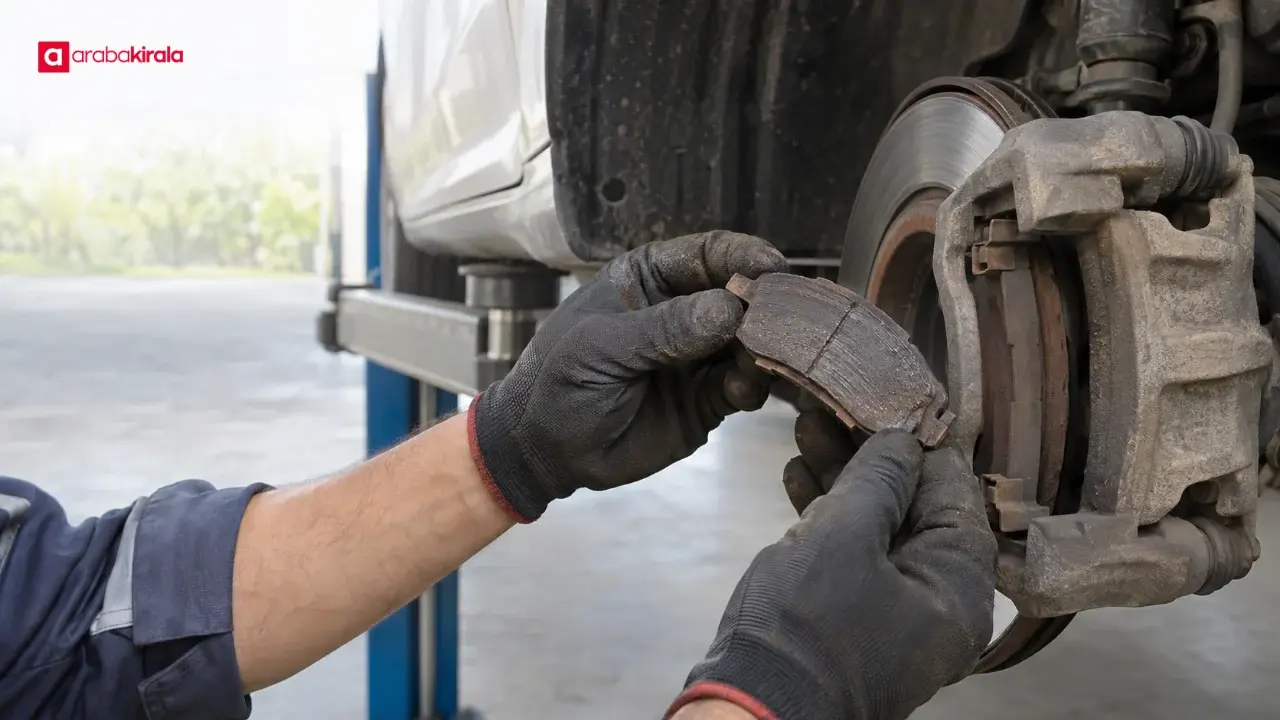
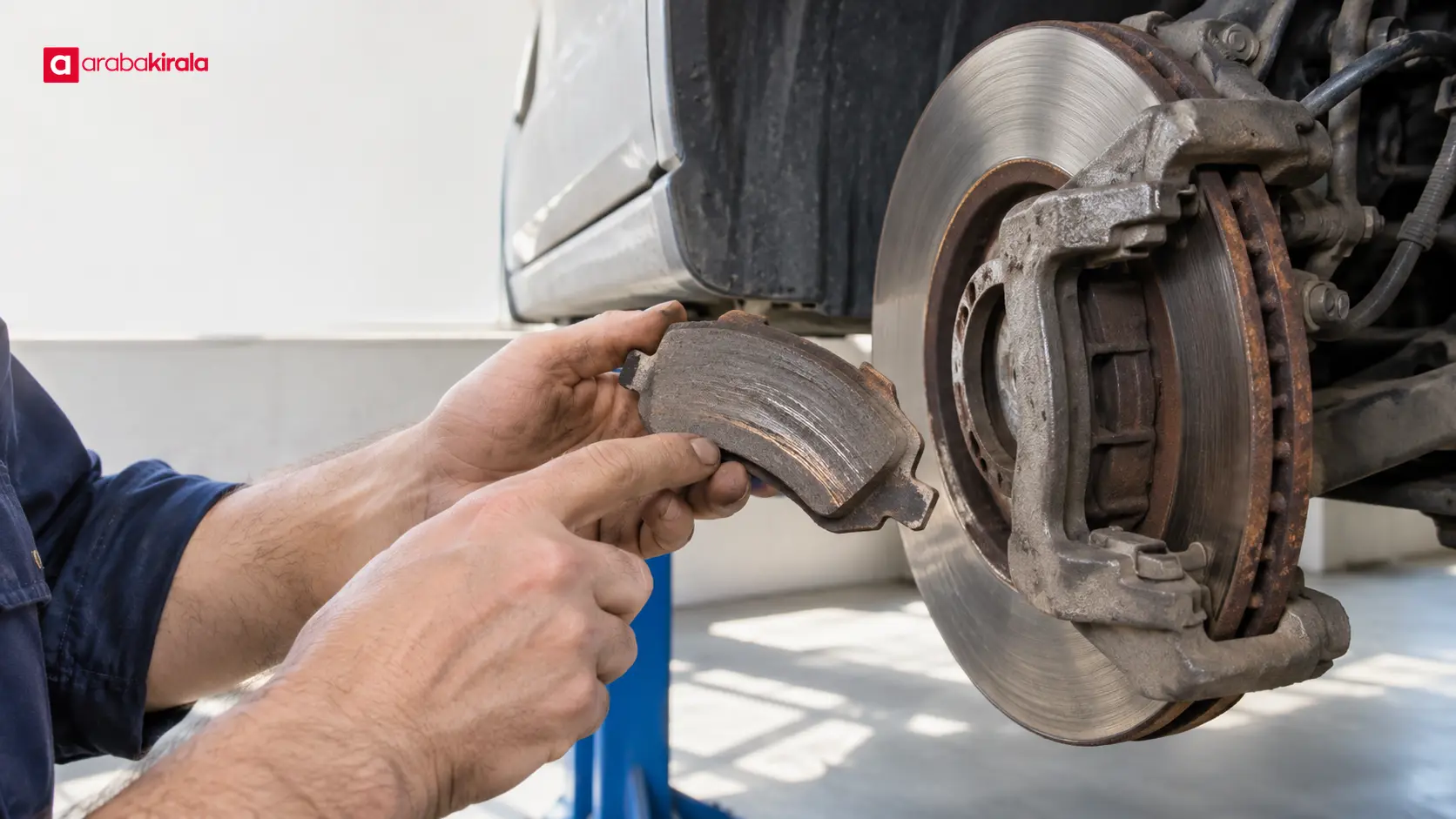
When you press the brake pedal, the braking system presses pads against rotating discs. Friction slows the wheel and reduces the vehicle’s speed. The friction material gradually wears down. How quickly this happens can depend on driving frequency, traffic, hills, vehicle load, and driving style, so there is no single replacement distance or time that applies to every car.
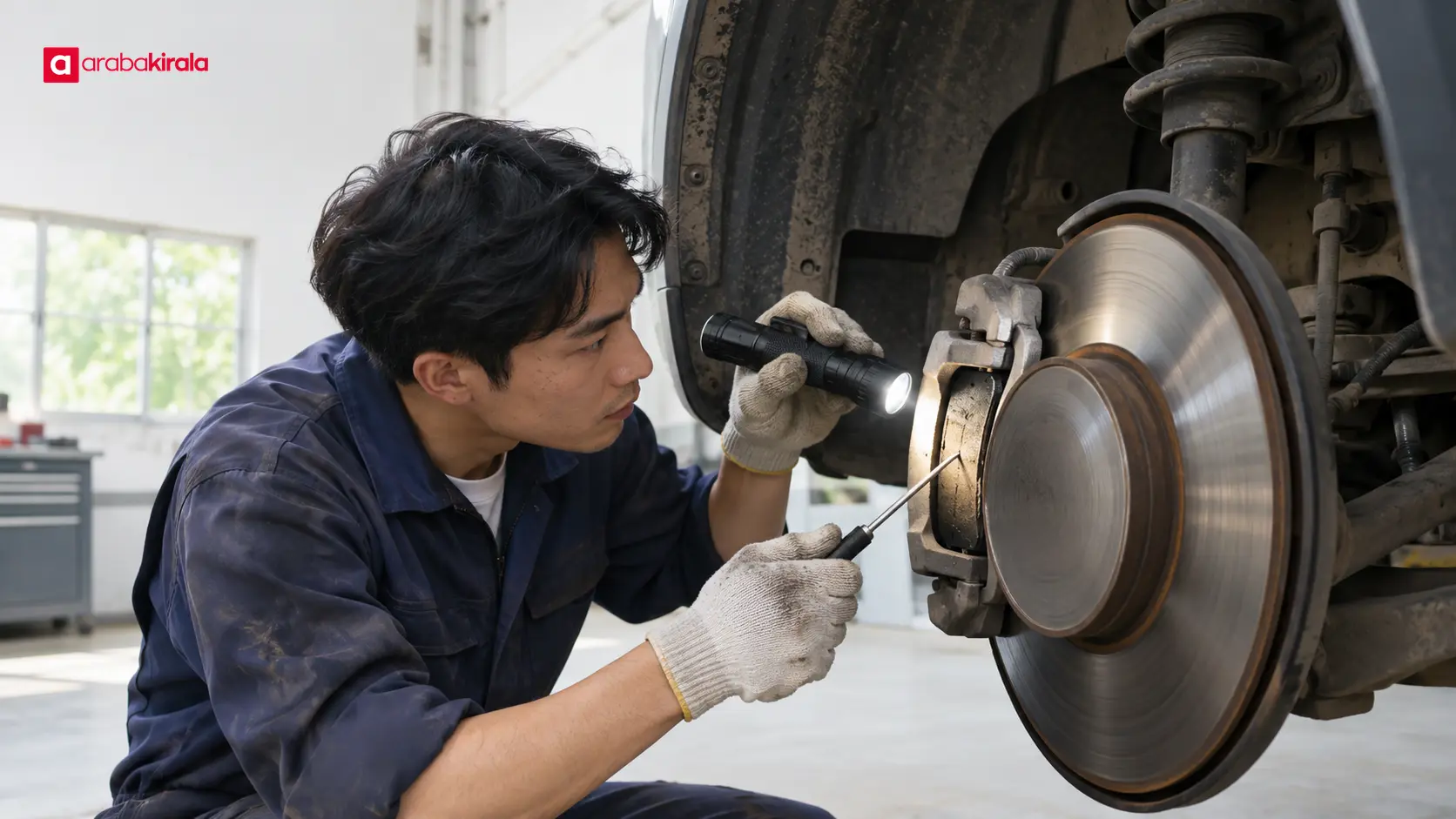
A sound assessment should consider pad thickness, disc condition, and other brake components together. The portion visible through a wheel may not show the entire pad. Inner and outer pads can wear at different rates, so a proper assessment may require an appropriate inspection of the wheel and brake assembly.
What noises may indicate
A light squeal or high-pitched sound
A light squeal while braking can be associated with vibration at the pad surface, dust, moisture, surface conditions, or component fit. A brief sound does not prove that the pads are worn out. However, recurring or worsening noise, especially alongside a change in braking response, calls for an inspection. Note when it occurs and whether it stops under certain conditions; this can help you describe it to a technician.
Scraping, grinding, or a metallic sound
A pronounced scraping sound, or one resembling metal rubbing on metal, may mean that friction material is severely worn or another part of the brake assembly has a problem. Do not make test drives to locate the sound. Stop in a safe place and seek professional assessment; ask the service professional whether the vehicle should be driven at all.
Distinguishing the source
Road debris, a foreign object near a wheel, and other running gear parts can also make noise. Identifying every sound as a brake pad fault based on hearing alone can mislead you. Useful observations include whether it starts when you press the pedal, continues while the vehicle moves, or seems to come from one wheel. These details do not diagnose a part, but they can help a technician investigate.
Pedal feel and braking response
A change in how the pedal feels
A brake pedal that feels softer, harder, or more vibratory than usual deserves attention. Pad wear may not be the only cause; the hydraulic system, disc surface, or other components may also need assessment. If the response changed suddenly, do not continue normal driving just to test it. Stop safely and get help.
Light vibration at the pedal may accompany braking conditions or an irregular disc surface. In some vehicles, ABS operation during hard braking can be felt as pedal vibration; this is different from vibration that continues repeatedly during ordinary braking. Follow the vehicle manual’s guidance and tell the service professional when the change occurs.
How the vehicle slows or tracks
A vehicle pulling to one side under braking, a changed stopping response, or unusual shaking does not identify one specific part on its own. Tires, road slope, and different elements of the braking system may be involved. If a new change affects control or braking, stop safely and request assistance instead of continuing to drive.
Warning lights and the limits of a visual check
Some vehicles have warning lights related to the braking system, and the meaning of a symbol depends on the model and equipment. Check the vehicle owner’s manual. Do not ignore a warning or keep driving just to see if it goes away. A brake warning light may not confirm pad wear by itself; the system needs an appropriate inspection.
Looking through a wheel may reveal obvious damage or a very thin visible pad, but the viewing angle is limited. There may be cases where the wheel must be removed for inspection. Do not declare the brakes safe based only on a visual look. Removing a wheel, lifting a vehicle, or working on the brake assembly requires suitable equipment and know-how.

Safe steps to take
- Note any new noise, pedal change, or warning, including when it appears.
- If braking performance drops noticeably, a metallic grind occurs, the pedal behaves unusually, or a warning light appears, stop in a safe place.
- Do not disassemble or inspect the brake system yourself; ask a professional whether it is safe to drive the vehicle.
- Describe the symptom clearly and ask whether the discs and related brake components will be checked along with the pads.
- After repair, clarify the work performed, parts used, and any follow-up inspection advice in the service record.
Even when a symptom seems minor, recurring signs are a reason to arrange an inspection promptly. If you are unsure whether driving to a workshop is safe, contact the service professional by phone for guidance. Whether roadside help or towing is needed should be decided based on the symptoms and professional assessment.
What to discuss during a service assessment
A service assessment may cover pad thickness, whether wear is even, disc surfaces, and brake system operation. This is more reliable than guessing the source from a sound alone. The scope can depend on the vehicle and findings, so ask what checks will be made and which parts, if any, are being recommended for replacement before work begins.
If replacement is recommended, ask how the wear was identified, how pads on both sides compare, whether the discs need measurement or service, and how braking will be checked after the work. Parts and maintenance timing should align with the vehicle maker’s technical information and the car’s use. Exact cost and scope depend on inspection and the service estimate.
If you are driving a rental car, do not put off a brake concern. Contact the branch where you picked up or rented the vehicle and ask for the safe next step. Do not dismantle the brake system or assume on your own that taking it to a workshop is appropriate. Ask the branch you rented from about vehicle-specific details such as the fault reporting method and assistance process in your rental agreement.
Summary: the safe next step
Brake pad wear symptoms may appear as noises, a change in pedal feel, or a different braking response, but they do not identify the exact fault. Note when the symptom occurs, stop safely if there is a marked or sudden change, and request a professional inspection. Discuss checking the discs and related brake components as well as the pads. If it is unclear whether driving is safe, contact a service professional first; for a rental car, contact the relevant branch.
Frequently Asked Questions
Does a squeal while braking prove that the pads are worn out?
No. A squeal can be related to vibration, dust, moisture, or surface conditions. If it recurs or appears alongside other braking changes, request a professional inspection.
Can I drive if I hear a metallic scraping noise?
That sound may indicate severe wear or another brake issue. Stop somewhere safe and ask a service professional whether the car should be driven; do not investigate it with a test drive.
Does pedal vibration always mean there is a fault?
No. ABS activation during hard braking can cause brief pedal vibration, while persistent or newly recurring vibration may have another cause. Follow the vehicle manual and report the change to a service professional.
Can I judge pad thickness by looking through the wheel?
The viewing angle may not show the whole pad, and inner and outer pads can wear differently. A visual glance is not a definitive diagnosis; a professional inspection with suitable equipment is needed.
What should I do if a brake warning light comes on?
Check the warning explanation in the vehicle manual and do not ignore it. If braking response has also changed, stop safely and seek help; a service inspection is needed to find the cause.
Should the discs be checked when pads are replaced?
Disc surface and pad wear patterns can affect braking. Ask the service professional whether the discs were inspected and what finding supports the recommendation.