2026 Guide to Bridge and Highway Toll Fees

Published: November 9, 2026 • Reading Time: 7 min • Last Updated: November 9, 2026 • Author: Merve B.
Contents
- How are toll fees determined?
- What do HGS toll passages do?
- The difference between a passage record and a charge notice
- Planning bridge and highway tolls before travelling
- Tracking HGS and toll fees in a rental car
- Safe driving at toll points
- Reviewing passage records and possible errors
- A short pre-trip checklist
- Summary and next step
- Frequently Asked Questions
- Related Articles
This guide explains how tolls are determined on bridges and highways in Türkiye, how HGS toll passages are recorded, and what to keep track of when driving a rental car. Bridge and highway toll fees can vary by route, toll point, and vehicle class, so a single fixed amount is not a reliable basis for planning every trip.
How are toll fees determined?
For bridge and highway toll fees, the practical points below should be considered together. A toll for a road, bridge, or tunnel is based on the route used and the vehicle class in the applicable tariff. Passing through several tolled sections during one journey can add separate charges. The fee at one point does not tell you the cost of another bridge or highway segment.
Tariffs can be updated, so quoting a specific 2026 amount without confirming the route and vehicle class may be misleading. Before travelling, check the current tariff and class definitions through the official information channel of the relevant operator or public authority. A route change during the trip may also add different toll points to the total.
What do HGS toll passages do?
HGS links a toll passage to a vehicle and sends passage information to the toll processing system. For drivers, the practical concern is that the passage and its payment status are associated with the correct vehicle. How an HGS tag or vehicle identification is handled can depend on the vehicle and the tolling arrangement in use.
If you need information about an HGS balance or payment account, find out how that vehicle’s passages are tracked and which channel can be used to review them. A passage appearing in the system and its charge being completed may not happen at the same time. Check the records again after travel instead of relying only on what is visible at the moment of crossing.
The difference between a passage record and a charge notice
A passage record indicates that a vehicle crossed a particular toll point. A charge notice provides information about payment or collection for that passage. Records may include a date, location, and vehicle-linked details; the available information and notification channels vary by system.
If you need to clarify a passage, note its date, route, and any transaction reference. For a rental car, ask the branch where records will appear and when and how a notice may be sent. Knowing this helps you distinguish your own HGS activity from an internal rental transaction or a later notification.
Planning bridge and highway tolls before travelling
When planning a route, consider where toll points are located as well as the distance. Map apps may offer an option to avoid toll roads, but using it can change the route and journey time. Treat an app’s estimate as an estimate rather than a confirmed fee. Official tariff and toll-point information are better reference points.
- Set your start and destination, then identify tolled bridges, highways, and tunnels along the route.
- Confirm the vehicle class used for the crossing; classifications may rely on technical criteria such as dimensions or axles.
- Check current tariff details through the authorized source for the toll road.
- Consider the added distance and time of an alternative route instead of focusing only on the toll.
Choosing a tolled road should be considered alongside travel time and route convenience. An alternative can involve more driving or different traffic conditions, which also affect the trip. Good planning means understanding route options rather than relying on one total-price estimate.
Tracking HGS and toll fees in a rental car
Before taking a rental car onto a toll road, ask the branch where you rent how the vehicle’s passages are handled and how any later charges are communicated. Whether the car has an HGS arrangement, how passages are linked to it, and where charges can be reviewed are details specific to the branch or reservation. Do not assume a universal company rule.
When collecting the car, review the handover records carefully. Make sure you understand any explanation about toll equipment or account use, and get clear information from the branch before using a tolled road. Keep any written guidance you receive. If the contract or handover form has a section about tolls, read its scope and how a charge is associated with a transaction.
Information or notices about passages may also arrive after the car is returned. Keeping your own notes of toll dates and routes during the rental period makes it easier to compare later records. If something looks inconsistent, review the vehicle handover and return times alongside the passage information and your documents, then contact the rental branch for clarification.
Safe driving at toll points
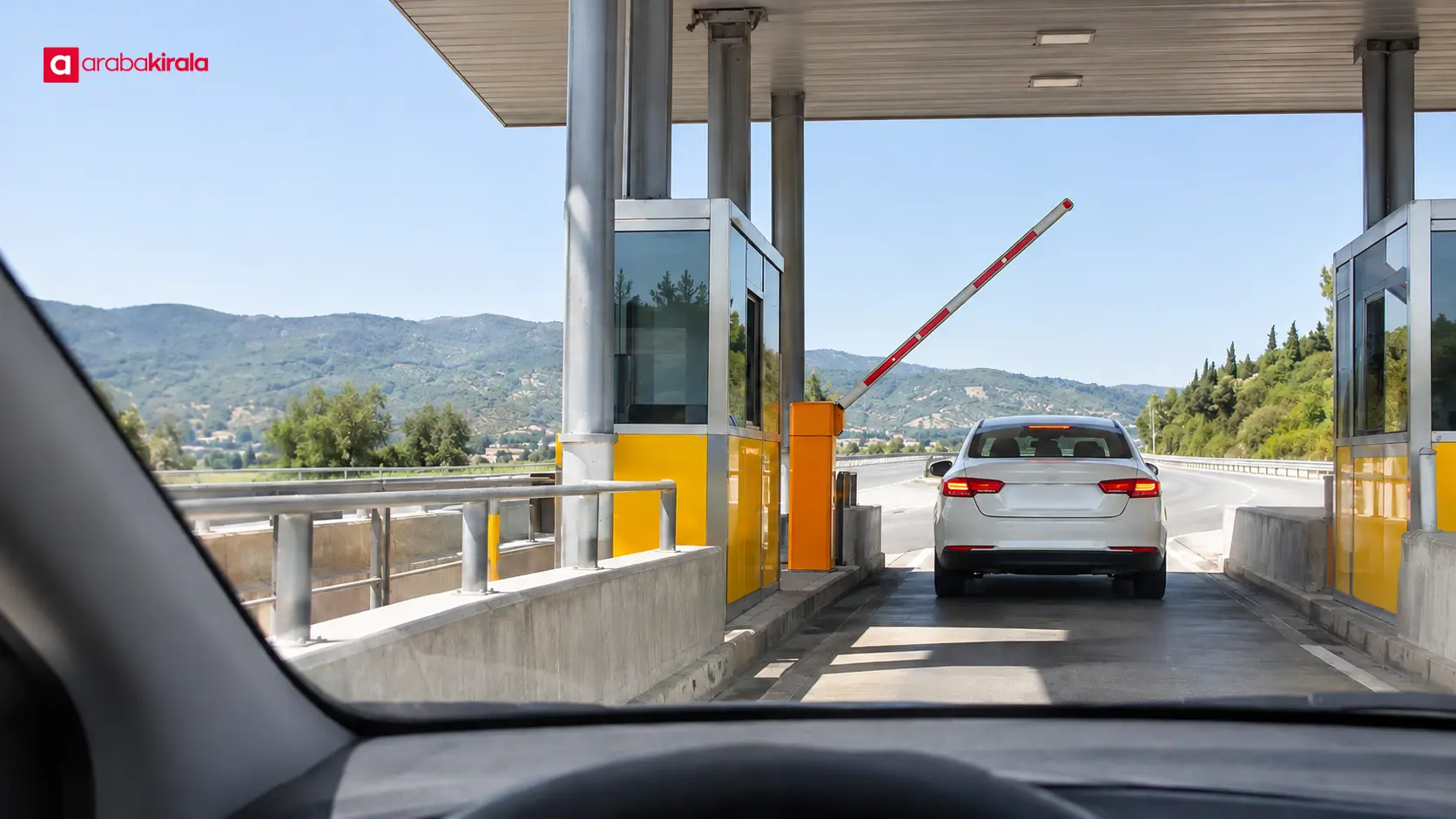
Adjust your speed to road conditions before a toll booth, free-flow point, or barrier, and leave a safe following distance. Choose a lane before approaching the toll point; avoid last-minute lane changes or cutting in. Do not check a phone for toll or balance information while driving. Pull over somewhere safe if you need to review it.
If the toll point has a barrier, watch the vehicle ahead and the signals, and do not proceed before the barrier has fully opened. At free-flow systems, follow posted speed limits and road signs as well. Uncertainty about HGS or a fee is not a reason for a sudden manoeuvre at the toll point; stop in a safe place and seek information.

Reviewing passage records and possible errors
When you receive an HGS passage notice, compare its date, route, and vehicle details with your travel notes. Review each passage separately if several occurred during the same period. If you see the wrong vehicle, an unclear location, or an unexpected transaction, follow the explanation and review steps on the channel that sent the notice. For a rental vehicle, also contact the branch.
Use official channels when looking up toll violations or payment information, and check that you are on the correct site. Do not assume every search result is an authorized source. Before entering personal or payment details, verify which authority or service operates the page. Keeping toll records and rental documents until the matter is resolved can be useful.
A short pre-trip checklist
- Identify tolled bridges, highways, and tunnels on the planned route.
- Check the current tariff and vehicle class through an authorized source.
- Ask the rental branch how passages are recorded and how charges are communicated.
- Note passage dates and routes, then compare later notices with your records.
- Follow road signs, speed guidance, and safe following distances at toll points.
Summary and next step
For bridge and highway tolls, the route, toll point, and vehicle class all matter. HGS passages record a vehicle’s use of a toll point; the record and a payment notice can refer to different stages. In a rental car, the tracking and notification method is specific to the branch, so clarify it before collecting the vehicle.
Before travelling, check your route and the current tariff through an authorized source. Once on the road, focus on safe driving, then compare passage records with your rental-period notes. This makes it easier to include toll roads in your plans and review unexpected entries later.
Frequently Asked Questions
How much are bridge and highway tolls in 2026?
There is no single general amount. Fees can vary by toll point, route, and vehicle class, and tariffs may be updated. Check the official tariff information from the operator or relevant public authority for your travel date.
Does an HGS charge appear immediately after a passage?
The passage record and the timing of collection or notification may differ. Find out which channel your system uses for records and inquiries, and check again later before concluding that a passage did not occur because it is not yet visible.
Who tracks HGS toll fees for a rental car?
The tracking and notification method can vary by rental branch and the arrangement used for the vehicle. When collecting the car, ask where passages will appear, how charge information will be sent, and which channel to contact with questions.
How can I avoid toll roads?
Check whether your route app offers an option to avoid toll roads, then review the alternative route. Consider journey time and driving conditions too, since the alternative may take longer or encounter different traffic.
What should I do if a toll notice does not match my travel records?
Compare the notice date, location, and vehicle details with your route notes. For a rental car, keep the notice and handover documents and ask the rental branch for an explanation; use official channels for any inquiry.