
Planning Motorway Lanes and Junction Exits When Renting a Car in Istanbul
Published: November 1, 2026 • Reading Time: 7 min • Last Updated: November 1, 2026 • Author: Merve B.
A practical guide to checking your route, anticipating junctions and choosing motorway lanes safely before driving a rental car in Istanbul.
Contents
- Plan your route and lane choices before driving in Istanbul
- Why route planning calls for extra attention in Istanbul
- Review the route before setting off
- Check the start and destination points
- Identify the key connections and exits
- Choosing motorway lanes and approaching junctions
- Do not leave a lane change until the last moment
- Read exits from signs and traffic flow
- Complete your plan with rental-car preparations
- Heavy traffic, route changes and missed exits
- A practical route check before departure
- Next step: start with a route you can follow
- Frequently Asked Questions
Plan your route and lane choices before driving in Istanbul
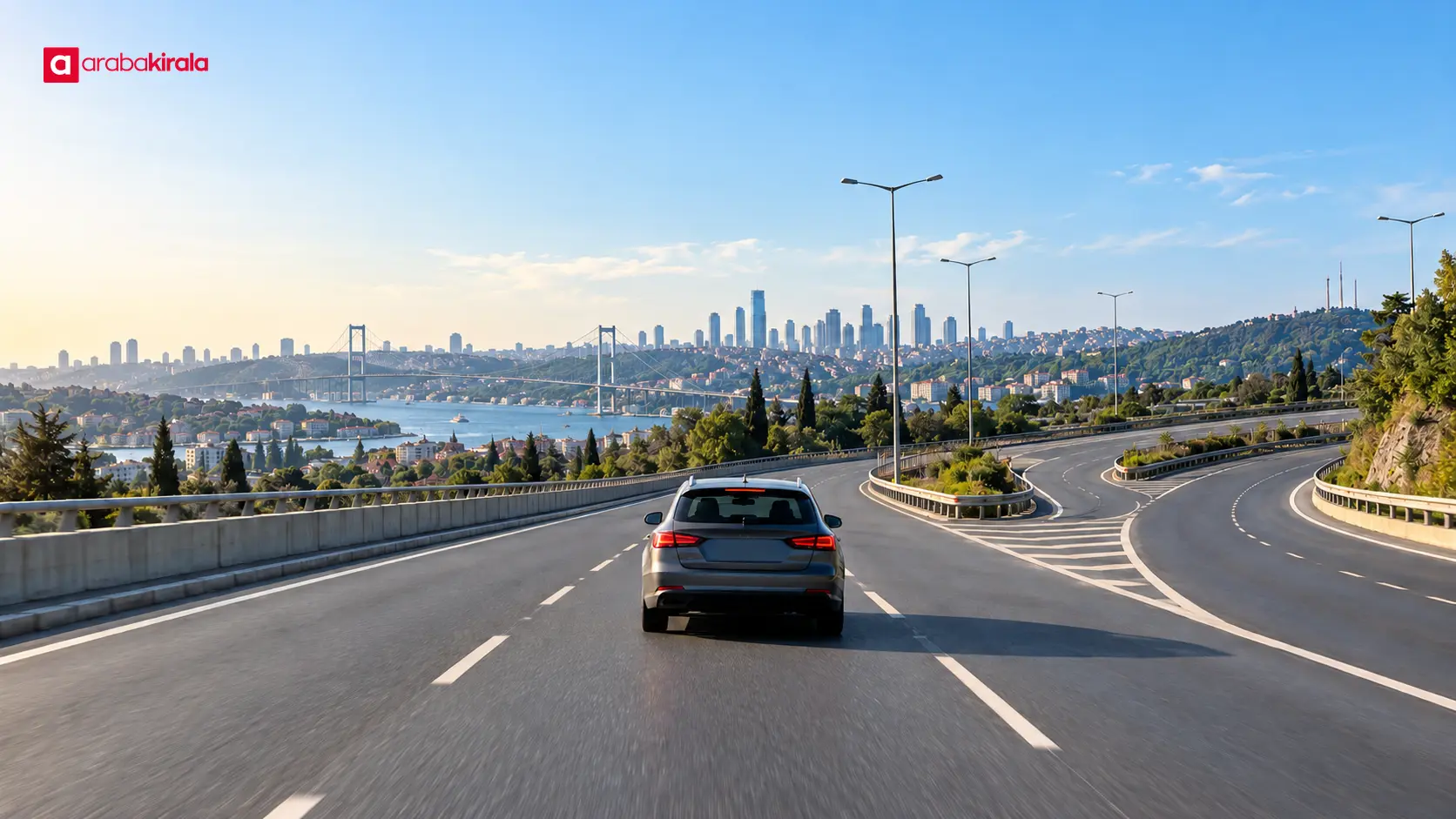
Knowing your destination is only part of driving in Istanbul. It also helps to understand which road you will join, where you need to leave it and which traffic stream leads to that exit. This guide explains how to review a route, anticipate junctions and make lane decisions while preparing an Istanbul car rental route plan. Check the journey before setting off, keep your attention on the road while driving, and make decisions that fit the actual traffic conditions.
Why route planning calls for extra attention in Istanbul
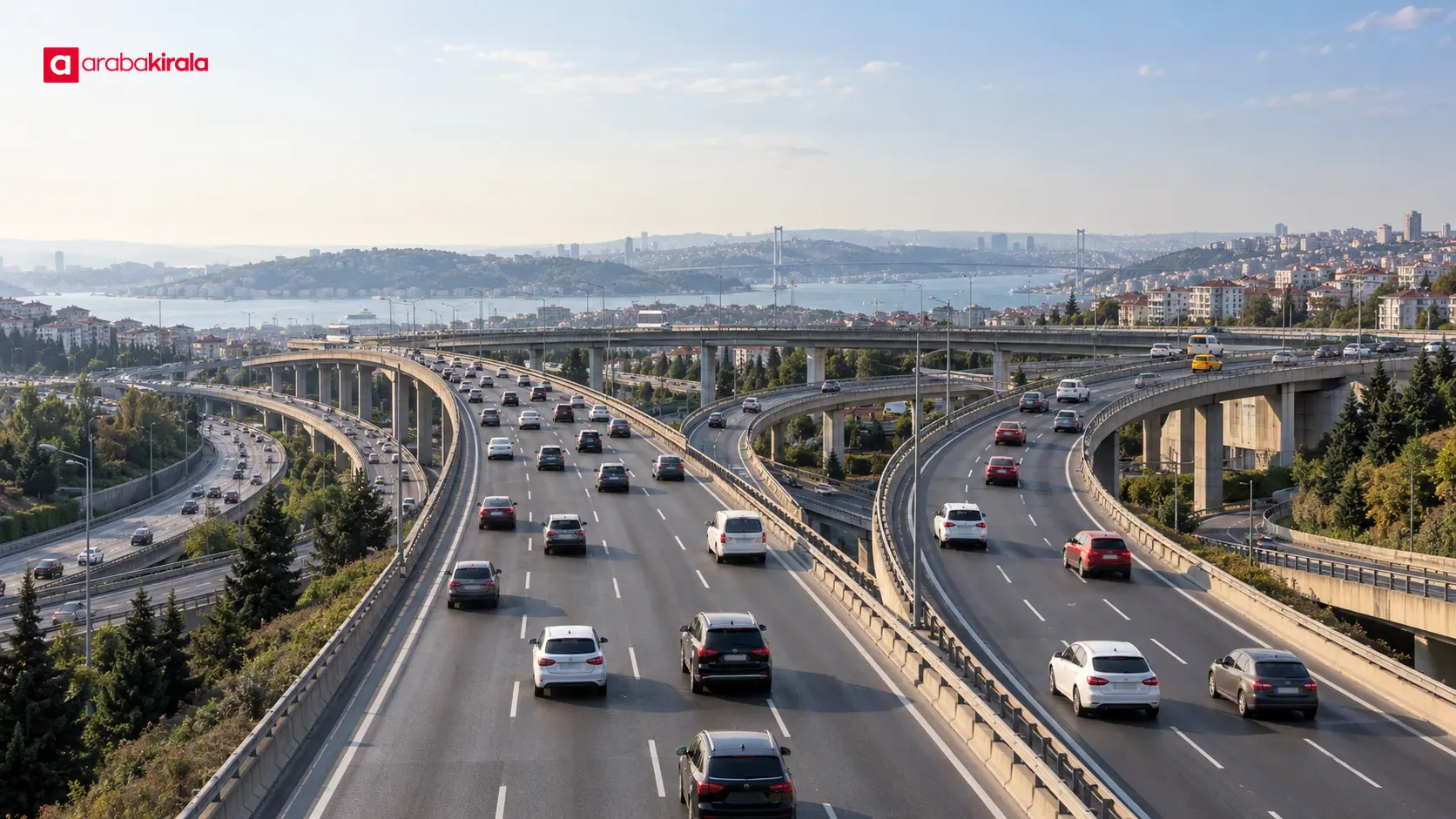
Main roads, connecting roads, tunnels, bridge approaches and multi-arm junctions can link together over short distances. Traffic streams heading in different directions may run side by side, so a driver can find that the desired exit is approaching while the car remains in another stream. The useful question is not just “Where am I going?” but also “Where will I need to decide?”
Congestion and road works can change the expected journey time. A navigation app may use current traffic information, but its recommendation does not replace observing the road and following signs and traffic rules. A route plan is not a script to memorize every turn. It is a way to notice important connections in advance and leave enough time to respond safely.
Review the route before setting off
Check the start and destination points
Make sure the address identifies the right entrance, not just the right neighborhood. A hotel, office complex, hospital or car park may have separate vehicle and pedestrian entrances. The pin on a map can also fall on the wrong side of a large building. When needed, confirm the vehicle entrance using directions provided by the destination itself.
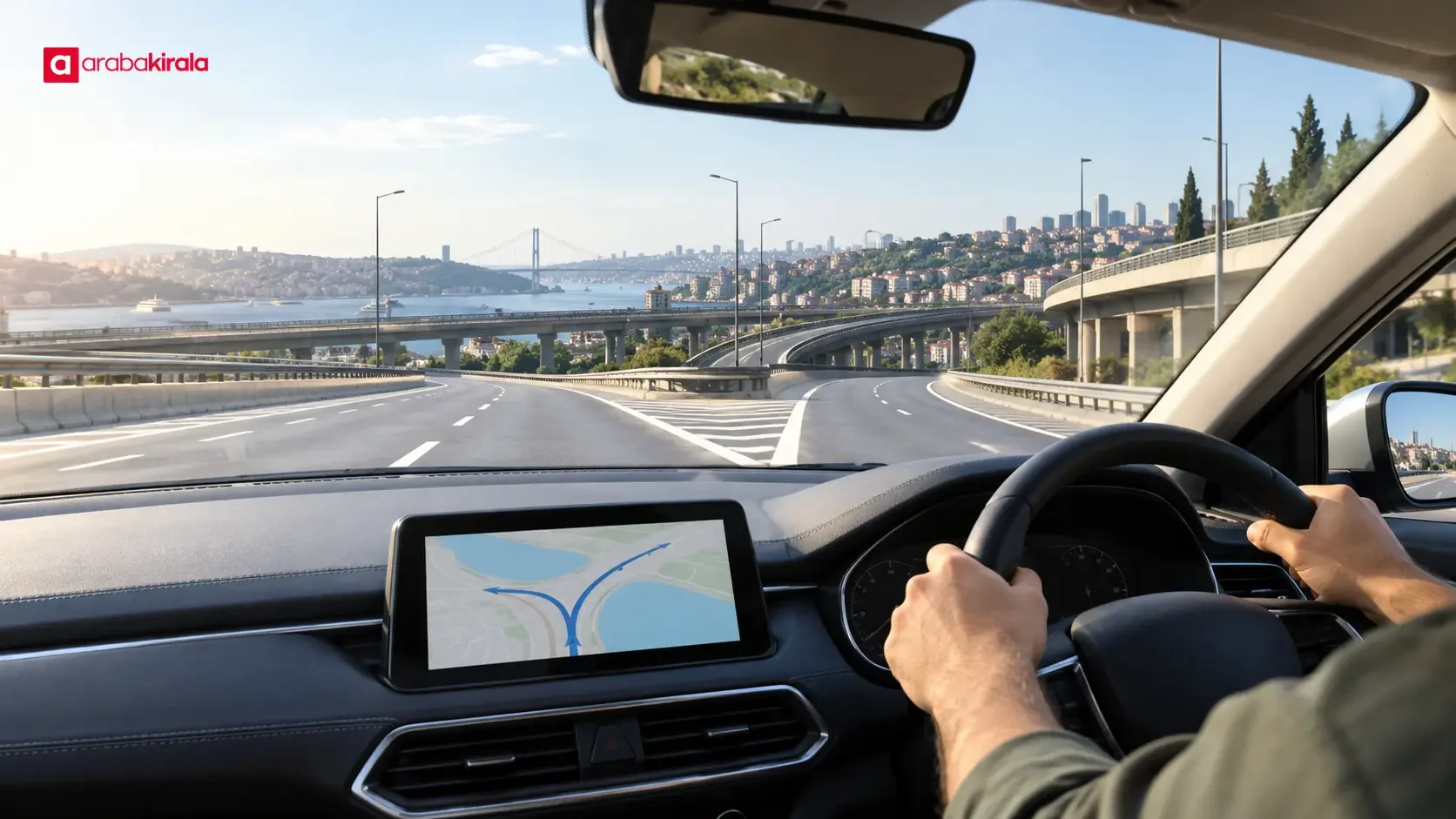
Set up navigation before moving the rental car. Mount the phone so you do not need to hold it, or turn on spoken directions. If you need to change the route during the journey, do that after stopping somewhere safe. Looking at a screen for an extended time reduces awareness of surrounding traffic, especially on a multi-lane approach road.
Identify the key connections and exits
Instead of memorizing every street from beginning to end, pick out the decision points: joining a main road, approaching a bridge or tunnel, a major junction, the motorway exit and the local roads near your destination. Zoom out on the map and review their order. If your navigation app allows it, inspect the route before departure and keep in-car glances brief.
When choosing between routes, do not compare only the estimated minutes. A route with clearer connections, a less complicated junction or roads that suit your driving experience may be easier to follow as traffic changes. An unfamiliar route that looks marginally shorter can make it harder to recognize a connection in time. Choose a route you can understand and follow safely.
Choosing motorway lanes and approaching junctions
Do not leave a lane change until the last moment
As traffic streams begin to divide, work out in advance which one leads to your exit. Consider navigation instructions alongside road signs and the movement of traffic. Signal, check your surroundings and blind spots, and move smoothly only when there is enough space. Keep a suitable speed and following distance; avoid forcing another driver to brake sharply or yield.
If you realize that changing lanes close to the exit would be unsafe, do not force your way in or cross solid lane markings. Stay with the traffic in your lane and continue safely and legally. Navigation can calculate another route. Missing an exit is a better outcome than trying to correct it with a dangerous maneuver.
Read exits from signs and traffic flow
Look for direction and connection signs early as you approach a junction. They can help confirm the instruction shown by navigation. Do not rely on a small arrow on the screen alone: also follow lane markings, the way lanes divide and the flow of vehicles ahead. In darkness, rain or restricted visibility, give yourself more time to notice signs and road markings.
Another connection may follow shortly after an exit. Avoid accelerating immediately through the junction and missing the next decision. Match the traffic flow, then check the next road segment and its signs. Keeping a safe following distance gives you room to see what is ahead and respond appropriately.

Complete your plan with rental-car preparations
Before departure, get familiar with the car’s controls and your field of view. Adjust the mirrors, locate the headlight and wiper controls, and make sure a phone mount does not block your view. If you do not recognize a warning indicator or function, ask the branch where you collect the car to explain it before driving. Check the phone’s charge and navigation volume before setting off.
Ask the branch where you will rent the car whether your planned route uses a toll road, bridge or tunnel, and how any relevant passage is handled for that rental. Details can depend on the route and the arrangements for the specific vehicle. Adjust the paid-road setting in your map app to match your needs; do not assume its default is your preference.
If you are unsure about the car’s fuel or energy type, or how to refuel or recharge it, get that information before leaving. This can help you avoid searching for a suitable stop partway through the journey. These are general preparation steps, not promises about a company’s service or conditions.
Heavy traffic, route changes and missed exits
When traffic builds, navigation may suggest a different connection. Before following it, consider both spoken directions and signs on the road. A temporary slowdown may be easier to manage than unfamiliar local roads. If a route change requires a significant maneuver, make it only when there is sufficient distance and a safe gap.
If you enter the wrong junction, do not stop abruptly, reverse or turn around where it is not permitted. Follow the flow to a safe place and review the route there; navigation can recalculate. If stopping at the roadside would be unsafe, continue until you reach an appropriate parking area or rest stop. The driver should keep their attention on driving; where possible, let a passenger make route adjustments.
A practical route check before departure
- Confirm the start and destination addresses and make sure the map points to a suitable vehicle entrance.
- Review the main connections, junctions, bridge or tunnel approaches and target exit before setting off.
- Mount your phone, set spoken directions and complete screen actions before the car moves.
- Read road signs alongside navigation; change lanes only when there is a safe gap and enough distance.
- Do not try to correct a missed exit with a risky maneuver; continue safely and let the route update.
- Ask the rental branch about toll passages and details specific to the vehicle you will collect.
Next step: start with a route you can follow
A good Istanbul car rental route plan is more than choosing the shortest time shown on a screen. It includes confirming the destination, spotting key junctions, deciding on lanes early and responding safely when conditions change. Review the map before departure, set up the car while parked and keep road signs in view. If your journey includes a particular bridge, tunnel or toll passage, ask the branch where you will rent the car how it applies to your rental so you can set off prepared.
Frequently Asked Questions
When should I check my route before driving a rental car in Istanbul?
Check it before moving, while you have time to confirm addresses and key connections without distraction. This reduces the need to search through the map while driving. If traffic changes, update the route only after stopping somewhere safe.
Should I turn back if I miss a motorway exit?
No. Reversing, stopping abruptly or attempting a turn in an unsuitable place is dangerous. Continue with the traffic in a legal and safe way, then let navigation calculate a new route when appropriate.
Should I follow navigation or road signs when choosing a lane?
Navigation can warn you about an upcoming direction, while signs, lane markings and traffic flow show the conditions on the road. Consider them together and do not make a lane change that is unsafe.
How can I find out whether my route uses a toll bridge or tunnel?
Check whether the selected route includes a paid passage on the map. Ask the branch where you collect the rental about how passages are handled for that vehicle; do not assume a particular company policy.
How should I use phone navigation while driving?
Mount the phone before moving and set spoken directions. If you need to look at the screen or change the route, stop somewhere safe first. Holding and operating a phone takes attention away from the road.
Legal Disclaimer: All content, articles and information on the Araba Kirala website are provided solely to inform users. No information shared on this website constitutes definitive advice or guidance. Araba Kirala Teknoloji A.Ş. and its authors cannot be held responsible for any direct or indirect damages arising from the application of information on the website. For all questions and requests regarding car rental, please contact the office from which you will rent your vehicle.












