
Car A-Pillars and Blind Spots: How to Assess Your View
Published: October 16, 2026 • Reading Time: 8 min • Last Updated: October 16, 2026
Learn how an A-pillar can obstruct your view, why blind spots form, and how to assess visibility with seat and mirror adjustments and deliberate scanning before driving.
Contents
- What is the A-pillar, and why does it affect visibility?
- When does an A-pillar blind spot become more noticeable?
- Set your seat and mirrors before driving
- Adjust the seat and steering wheel first
- Use mirrors to cover different areas
- How to check the forward corners and side blind spots
- Assess visibility before taking a rental car
- Common mistakes when assessing visibility
- Summary: learn the view from each car
- Frequently Asked Questions
A car A-pillar blind spot can occur when the structural post beside the windshield briefly blocks an object from view. Its effect depends on the vehicle, the driver’s seating position, and where another road user is located. This guide explains what the A-pillar is, how it affects sight lines, how mirrors and head movement work together, and how to assess visibility before driving a rental car.
What is the A-pillar, and why does it affect visibility?
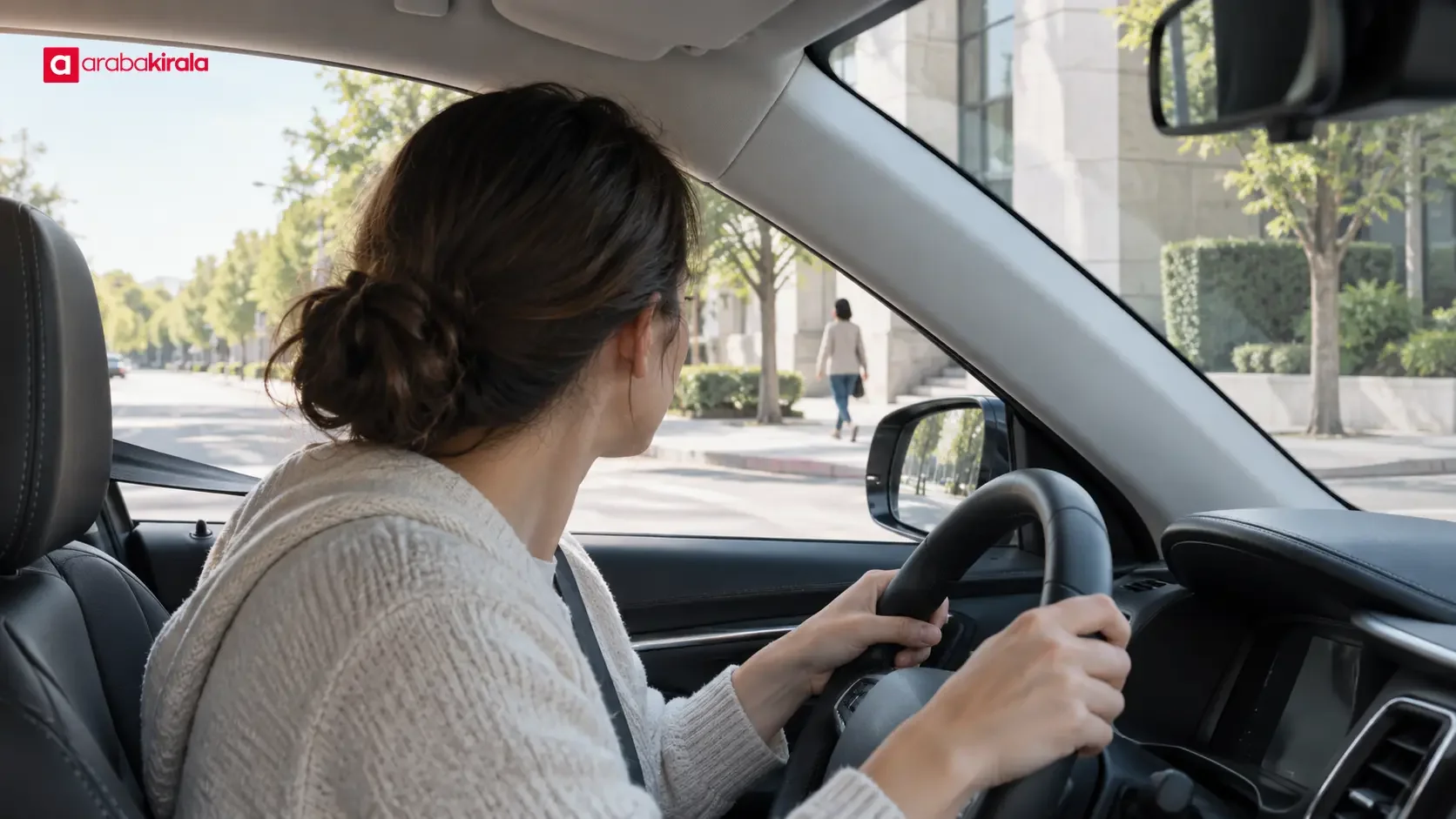
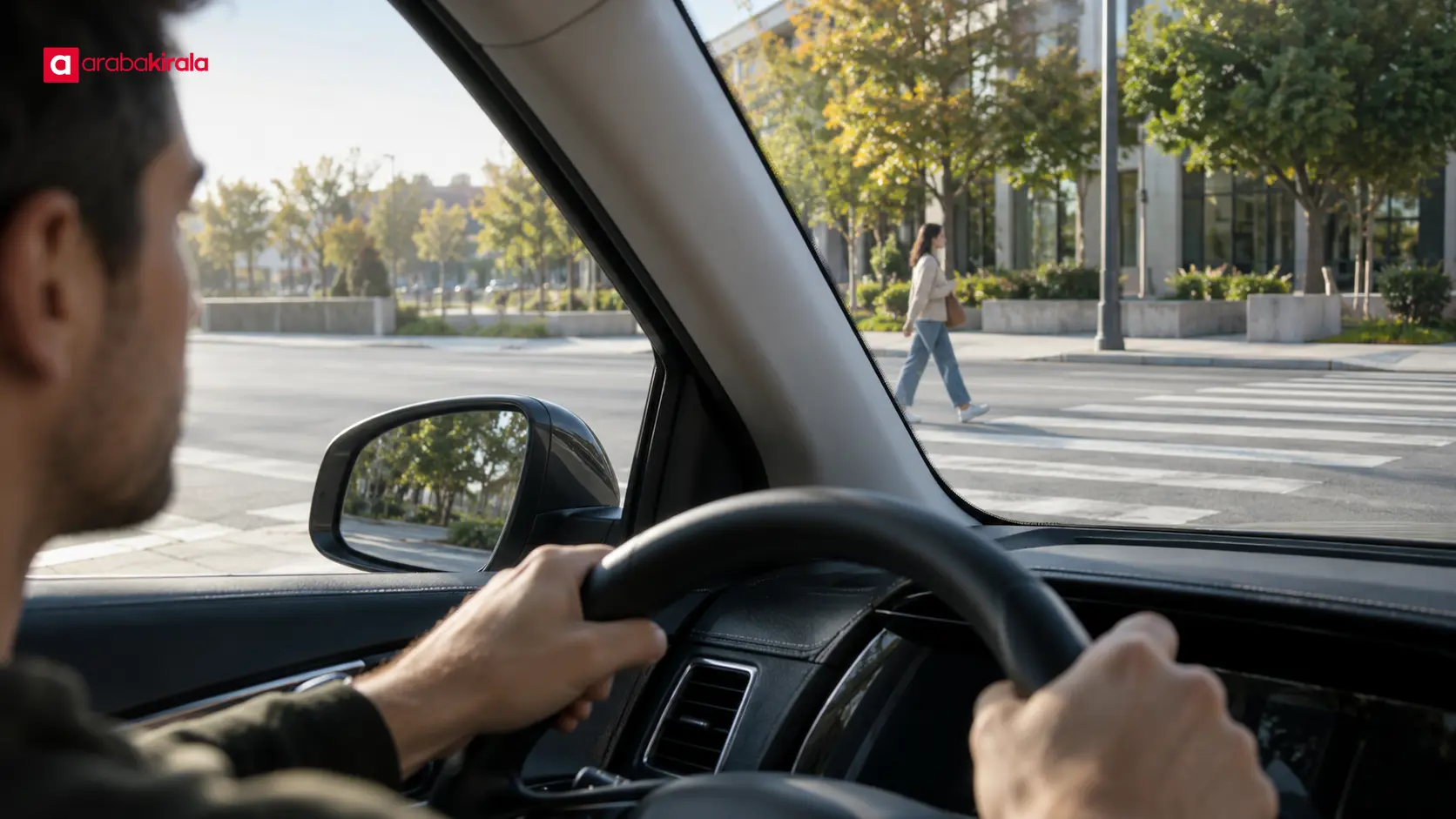
The A-pillar is the structural section on either side of the windshield that connects the roof to the body. It supports the windshield and roof and provides space for components around the door and mirror. From the driver’s seat, it appears as a boundary at the edge of the windshield. A pedestrian, cyclist, or vehicle positioned diagonally ahead can briefly line up behind it from a particular viewing angle.
This overlap is different from the side blind spots commonly associated with mirrors. An A-pillar obstruction occurs toward the front and front corners of the vehicle, while side blind spots are relevant mainly when changing lanes or merging. Since these areas are in different places, they need different checks: scan the forward corners by shifting your view, and use mirrors together with a brief over-the-shoulder check for the adjacent side area.
When does an A-pillar blind spot become more noticeable?
The area hidden by the pillar changes with the position of the driver’s eyes and head. If the seat is too far back or too low, you may find yourself leaning forward to see the surroundings. Seat and steering-wheel adjustment is not only about comfort: you need to reach the pedals and steer with control while keeping a useful view through the windshield. Drivers have different body proportions, so another person’s setup may not suit you.
Road geometry matters as well. At a junction, on a narrow street, during a turn, or where roads meet on a slope, a smaller road user such as a pedestrian or cyclist may align with the pillar. As that person moves, their position relative to the pillar changes. Not seeing them in one fixed glance does not mean they are absent. Scanning the forward corners from changing viewing angles can help reveal a temporary overlap.
Rain, a dirty windshield, fogging, and low light make it harder to judge what is visible. A clean windshield and clear glass make movement outside easier to see. When visibility is reduced, adjust your speed and following distance to the conditions, and take care before entering an area where your view is limited. No seating or mirror setting guarantees an uninterrupted view of every part of the surroundings in all conditions.
Set your seat and mirrors before driving
Adjust the seat and steering wheel first
Before the vehicle moves, set the seat so you can reach the pedals comfortably and steer while keeping your back supported. Check that you can see the road through the top and sides of the windshield while holding your head in a natural, upright position. Reaching forward unnecessarily or lifting yourself from the seat while driving can make vehicle control harder. Recheck the mirrors after changing your seat position, since the view in them may shift.
Use mirrors to cover different areas
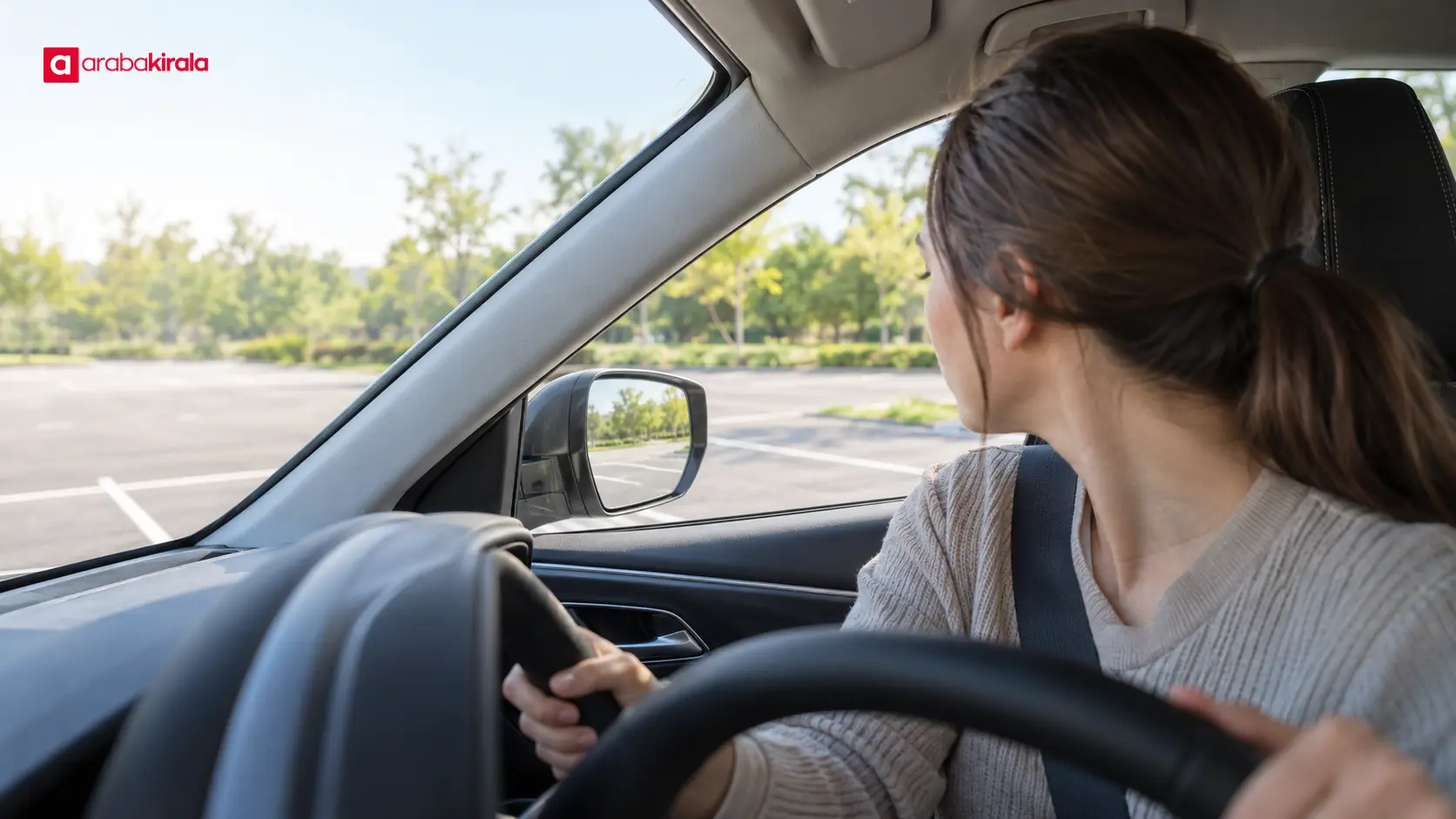
The inside rear-view mirror shows traffic visible through the rear window, while the side mirrors show parts of the areas beside and behind the vehicle. Their purpose is to complement one another rather than display the exact same area. Adjust them while parked, and avoid using so much of the mirror to show the car’s side that the outside view becomes unnecessarily narrow. Mirror adjustment does not remove every area they cannot cover, so a brief over-the-shoulder check is also needed before changing lanes.
How to check the forward corners and side blind spots
- Scan before moving: Check the front, sides, and rear before setting off. Make sure the windows are clean and clear of fog that blocks your view.
- Shift your gaze near junctions: Do not fix your eyes straight ahead. Scan the road and its forward corners, then check again for pedestrians and cyclists who might overlap with an A-pillar.
- Match your speed to your view when turning: Entering an area with limited visibility too quickly leaves less time to check again. Proceed slowly and with control, taking account of right of way and road conditions.
- Sequence checks when changing lanes: Assess the road and traffic, check the relevant mirrors, and make a brief over-the-shoulder check when it is safe. Keep control of the vehicle’s direction and do not look away from the road for long.
- Delay a manoeuvre when the view is unclear: If you are unsure where a pedestrian or vehicle is, do not assume there is a clear gap. Stop safely and reassess the view.
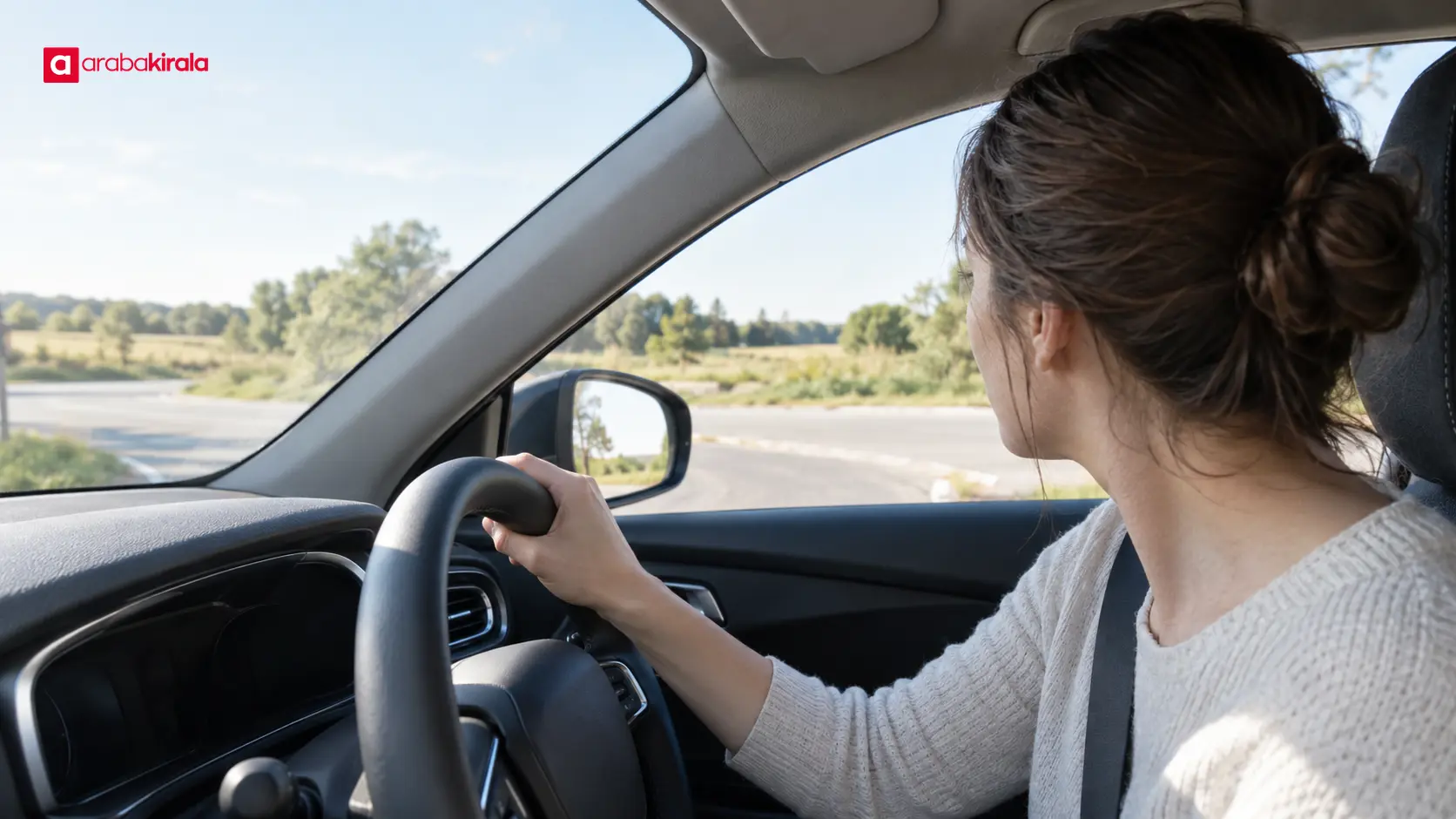
Head movement does not replace mirrors, and it is not a complete solution on its own. Looking sideways for too long while moving can make you miss traffic ahead. Make brief checks deliberately and return your attention to the road in front. Even when a car has a camera or driver-assistance feature, it does not remove the need to check your surroundings or follow the vehicle manual’s instructions.
Assess visibility before taking a rental car
A-pillar width, windshield shape, seating height, and mirror layout vary between vehicles. Being familiar with one car does not mean another will offer the same view. Before driving a rental, adjust the seat and mirrors for your own position and take time to locate the controls while the car is stationary.
In a safe, appropriate place, assess the view on both sides of the windshield without moving the vehicle. From different seated positions, check whether an object in a forward corner is obscured by the pillar. This observation is not a reason to test the view in live traffic. If you cannot get a comfortable view, adjust the mirrors, or identify the controls, ask the branch where you are renting for help before setting off. Confirm any vehicle change, handover preparation, or other branch-specific detail with the location handling your reservation.
Checking the fuel gauge or other vehicle records is separate from assessing the A-pillar, but knowing where the controls and displays are can help you focus on the road once moving. If you notice damage that affects visibility, a cracked windshield, or a mirror that does not work, report it to the branch before driving. Do not attempt to repair it yourself.
Common mistakes when assessing visibility
One mistake is to conclude that an object is absent because it cannot be seen briefly behind the pillar. A blind spot does not make an object disappear; it only blocks the view from a particular angle. Another mistake is assuming that mirror adjustment makes the entire area around the car visible. Mirrors expand the view but do not cover every area. A third mistake is trying to compensate for a poor seating position by leaning forward. That can disrupt a stable, comfortable driving posture.
It is also unhelpful to wait until the last moment to check before a manoeuvre. Scanning ahead of a junction or lane change gives you time to make a decision. Finally, do not rely too heavily on technology: a parking camera or warning system has its own coverage and operating conditions. Read the relevant instructions in the vehicle manual and continue to check visually.
Summary: learn the view from each car
An A-pillar blind spot can occur when the structural post at the edge of the windshield briefly obscures an object in a forward direction. Seating position and road layout affect where that overlap occurs. Adjust your seat and mirrors before driving, scan the forward corners and side areas using the appropriate checks, and delay a manoeuvre if the view is unclear. In a rental car, make these checks before setting off and contact the branch where you are renting if you cannot resolve a visibility or control issue.
Frequently Asked Questions
Can an A-pillar blind spot be eliminated completely?
No. Seat and mirror adjustments can improve visibility, but the pillar’s structural position means that it is not possible to see continuously in every direction. You still need to rescan the forward corners while driving.
Do mirror adjustments solve the A-pillar obstruction?
Mirrors show parts of the areas beside and behind the car. They do not directly show the forward corner hidden by the windshield pillar, so changing your viewing angle and scanning the road remain important.
When should I check over my shoulder before changing lanes?
After assessing the road and mirrors, make a brief check to judge whether the manoeuvre is safe. Avoid looking sideways for an extended period; bring your eyes back to the road and continue monitoring the surroundings.
What should I do if a rental car’s view does not suit me?
Adjust the seat and mirrors while the vehicle is stationary. If you cannot achieve a safe view from a stable seating position, or a vehicle issue blocks your view, contact the branch where you are renting before driving.
Should I lean forward while driving to see around the A-pillar?
Leaning forward or lifting yourself from the seat can make it harder to control the steering wheel and pedals. Set your position while parked, then scan with brief, controlled glances while driving.
Legal Disclaimer: All content, articles and information on the Araba Kirala website are provided solely to inform users. No information shared on this website constitutes definitive advice or guidance. Araba Kirala Teknoloji A.Ş. and its authors cannot be held responsible for any direct or indirect damages arising from the application of information on the website. For all questions and requests regarding car rental, please contact the office from which you will rent your vehicle.












