
How a Car’s Center of Gravity Affects Cornering
Published: October 20, 2026 • Reading Time: 7 min • Last Updated: October 20, 2026
Learn how a car’s center-of-gravity height affects body roll, tire loading, and balance in turns, with practical guidance on luggage placement and safer driving.
Contents
A car’s center of gravity is the point at which its mass can be treated as concentrated for understanding motion. Its height above the road and its position within the car affect how the body moves in a turn and how the tires transmit forces to the pavement. This guide explains what the center of gravity means, why its height influences cornering, how luggage changes the balance, and which practical checks help when preparing to drive a rental car.
What does the center of gravity describe?
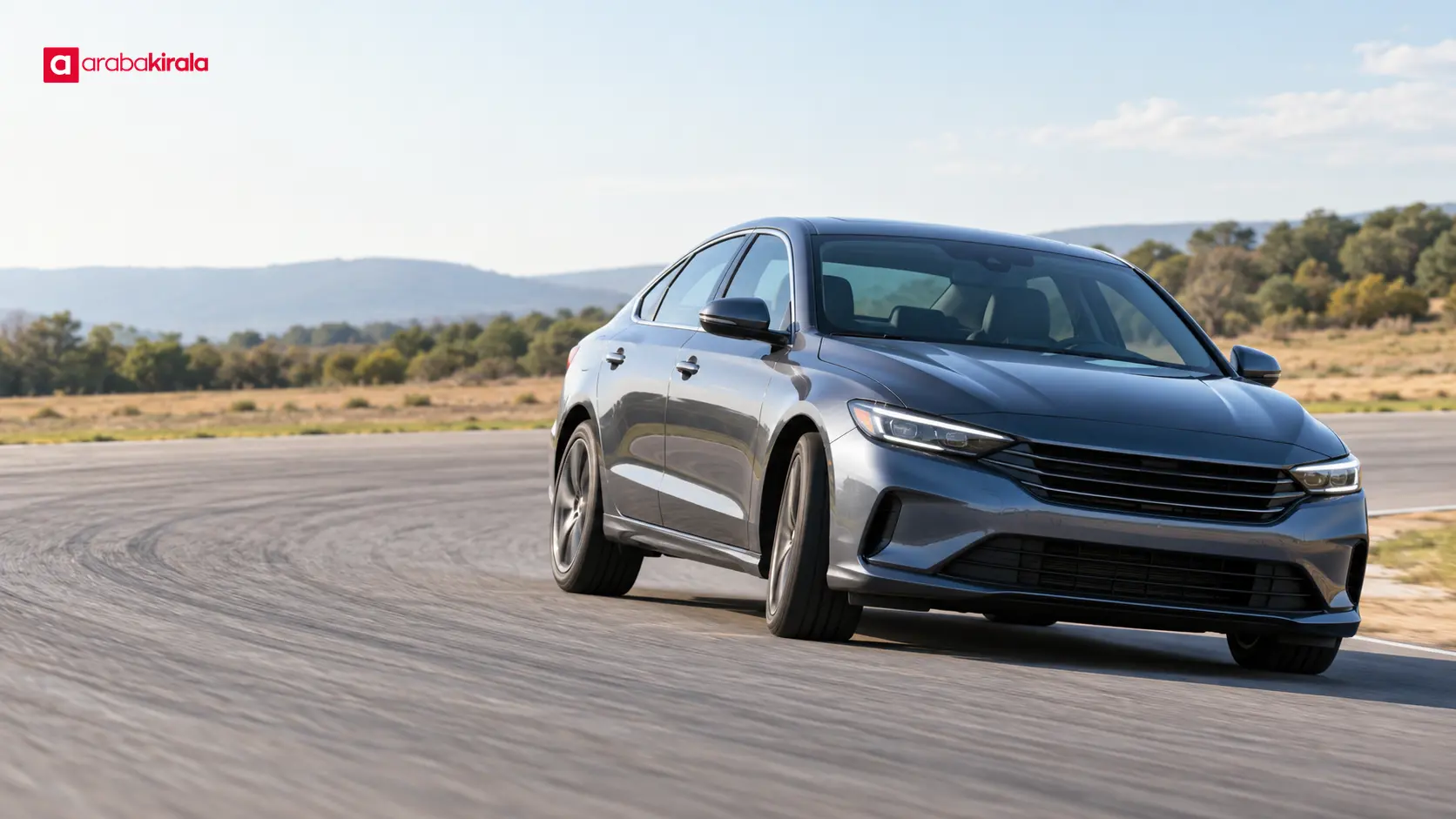
A car consists of many masses: its powertrain, body, occupants, fuel, and any cargo. The center of gravity is a representative point that accounts for the combined effect of those masses. It is not a visible marker in an ordinary car, and its location can shift as passengers and luggage are added or moved. Total vehicle mass and center-of-gravity location are different ideas. Two cars with the same total mass may respond differently in a turn if their mass is distributed at different heights or locations.
Height is only one part of the picture. The front-to-rear and side-to-side distribution also affects how much load each tire carries. A front-heavy vehicle places a different load on its axles than one with a more even distribution. Tire condition, suspension design, wheelbase, track width, speed, and road surface also shape the response, so no single measurement predicts every cornering behavior.
What changes when the center of gravity is higher?
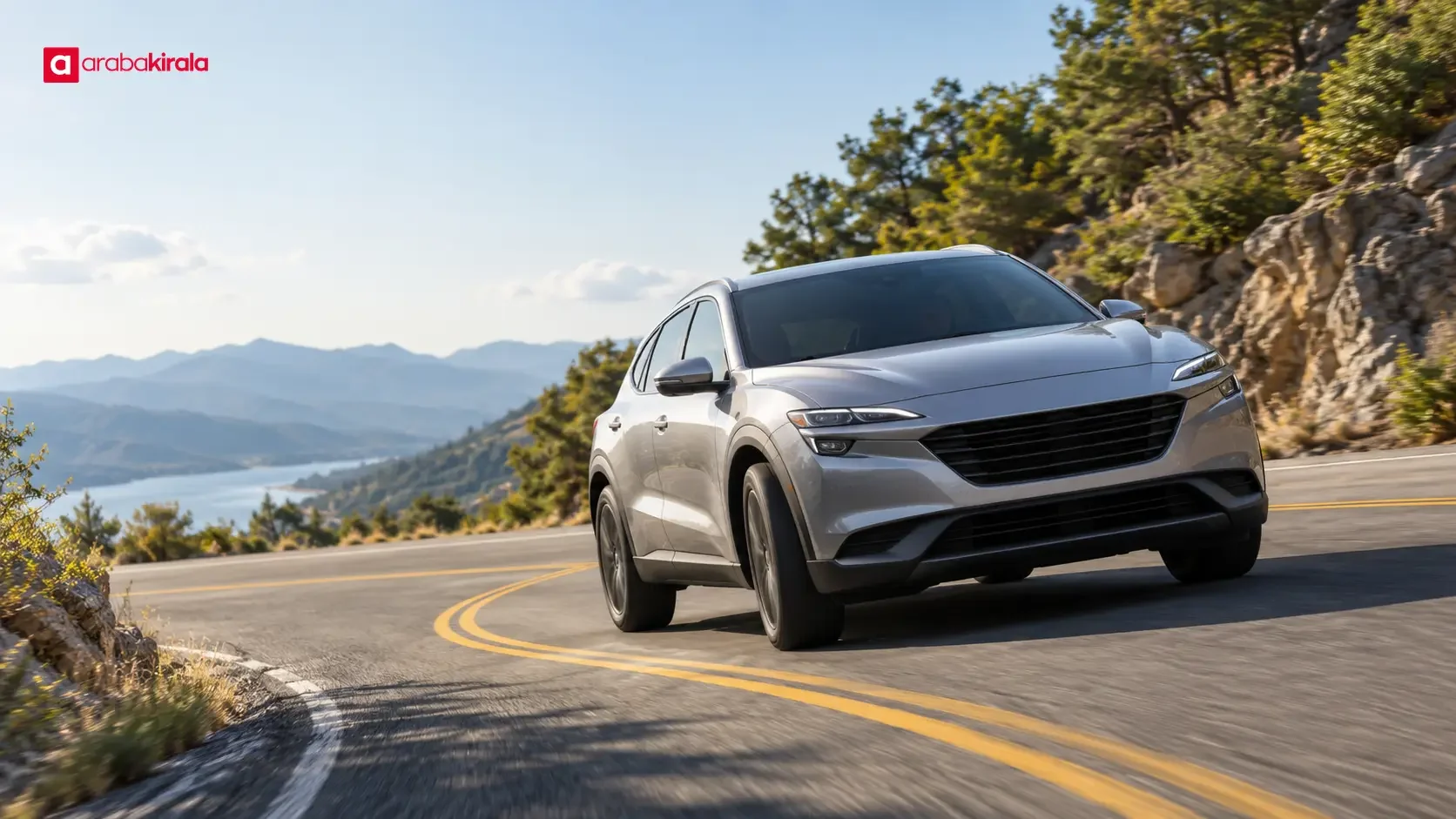
To change direction in a turn, the tires must generate lateral force against the road. The vehicle body and its mass tend to continue along their previous path, while the suspension flexes in response to the forces. This commonly makes the body lean toward the outside of the turn. With a higher center of gravity, the forces generally create a larger rolling moment, so the body movement can be more noticeable. That does not mean the car will automatically lose control; it means the driver should anticipate the response and make smooth inputs.
Lateral load transfer is the redistribution of load from the inside tires toward the outside tires as a car corners. The vehicle’s total weight does not disappear, but the individual tires carry different loads. Tire grip does not increase in direct proportion to vertical load, so the extra load on an outside tire may not fully offset the reduced load on the inside tire. This can affect the total lateral grip available. The size of the effect depends on the vehicle, tires, suspension, and conditions.
Sudden steering, braking, or throttle changes can make these movements sharper. A high center of gravity by itself does not guarantee a skid or rollover; the whole situation matters. Drivers moving from a low car to a taller vehicle may notice more body motion than they expect. Entering bends at a speed suited to visibility and surface conditions, then using the steering wheel and pedals smoothly, helps keep the car’s response more predictable.
Luggage placement and load distribution
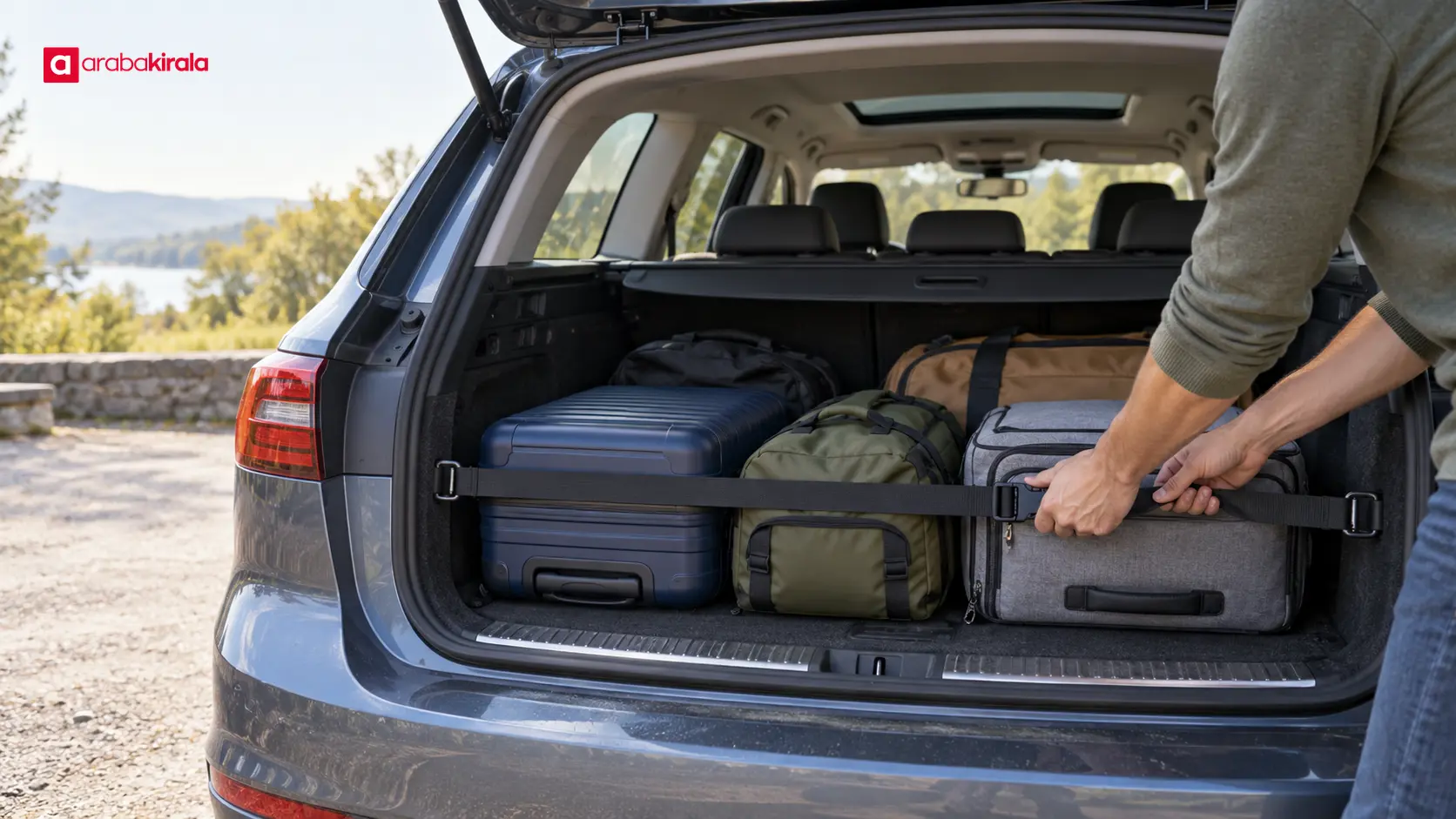
Heavy items in the trunk add mass and can move the center of gravity higher, lower, forward, or rearward depending on where they sit. Keeping heavy luggage low in the cargo area and distributing it sensibly helps limit the effect of a high load. Stacking everything on one side can also create an uneven side-to-side load. Loose objects that sit above the seatback or cargo cover can move during hard braking, so secure items appropriately.
Passengers and their seating positions also change the load distribution. Follow the vehicle maker’s handbook for load limits and loading guidance. Avoid placing heavy objects on seats or arranging cargo so it blocks the driver’s view. Packing well means considering not only whether everything fits, but also whether it can shift and whether rear visibility remains clear.
Center of gravity is only one factor in cornering
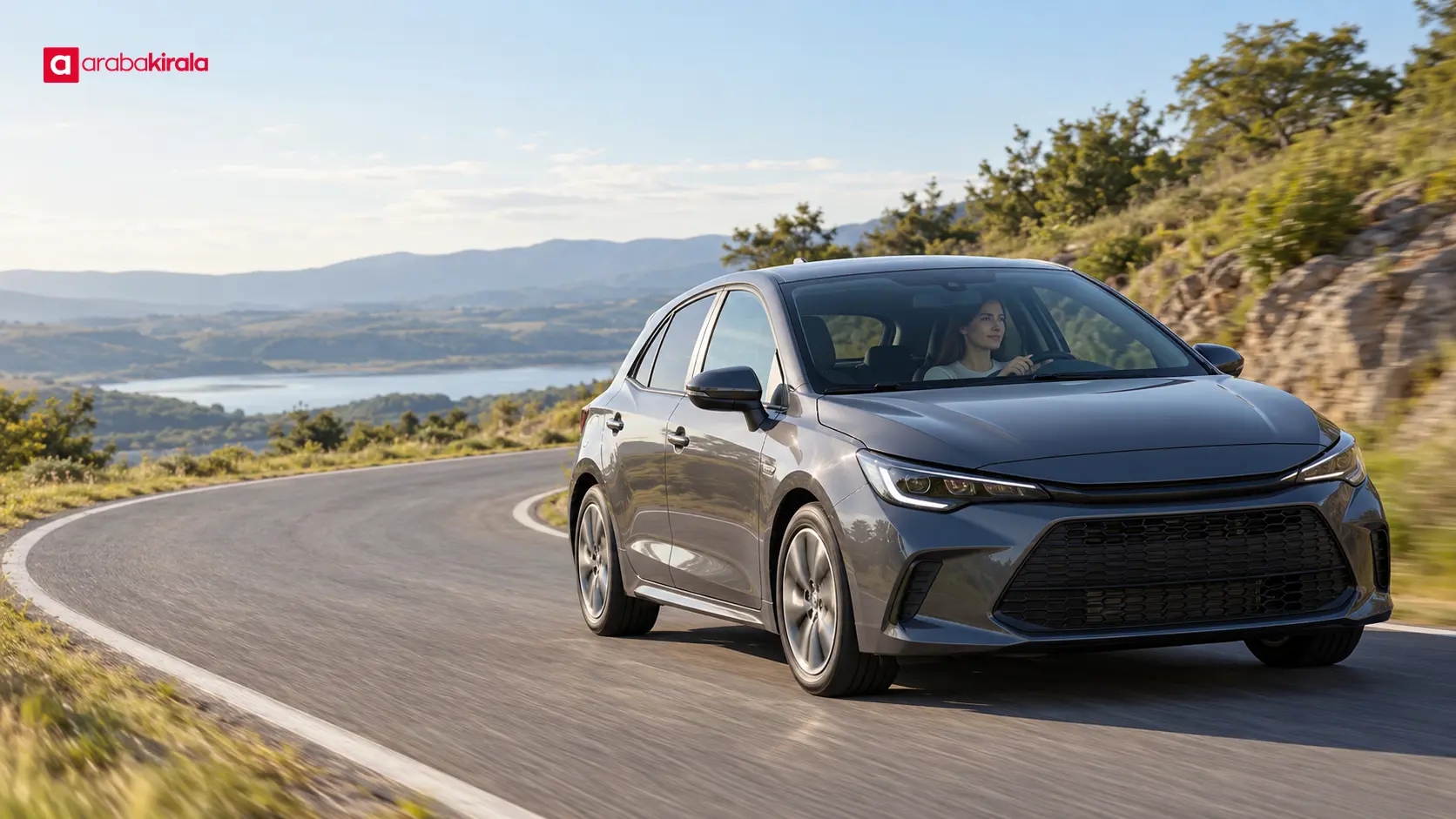
Cornering behavior is not determined by center-of-gravity height alone. Suspension geometry and tuning influence how much and how quickly the body rolls. Less visible body roll does not automatically mean more grip in every situation; vehicle design balances comfort and control in different ways. Tire pressure, tread wear, and temperature also affect grip. A car’s apparent height alone is not enough to draw a firm conclusion about its cornering performance.
Water, loose material, potholes, or a road camber can reduce the grip available to the tires. A safer approach is to select a speed that reflects those conditions, avoid abrupt steering, and avoid hard braking once settled into a bend. Electronic stability systems can assist with control, but they do not remove the limits of tire-road grip. Drivers still need to account for visibility, traffic, and the road surface.
Before driving a rental car
When arranging a rental, consider whether the vehicle type, luggage space, and loading capacity suit the trip. Vehicle availability and pickup details can vary, so confirm a particular body style or equipment need with the location handling the reservation. At pickup, set the seat and mirrors, arrange and secure luggage, and check the dashboard for warning lights. If you see an apparent tire problem, tell the rental location before driving away.
It helps to become familiar with steering response, brake feel, and body movement during the first miles in calm conditions. This is not a reason to test the car near its limits. If the car is taller or larger than the one you usually drive, gentler turn-in and a good following distance can make the adjustment easier. Read the vehicle handbook for its loading and safety information before setting out.
Practical driving and loading checklist
- Keep heavy cargo low: Place heavier bags on the cargo floor and distribute them sensibly across the vehicle.
- Secure loose items: Do not leave objects free to slide forward during a sudden stop or maneuver.
- Prepare for the turn: Reduce speed before entering a bend and avoid sharp steering or braking once in it.
- Read the road: Choose a more cautious speed on wet, damaged, or loose surfaces and leave adequate following distance.
- Check vehicle guidance: Consult the owner’s handbook for load limits and any vehicle-specific safety instructions.
Summary and next step
The height of a car’s center of gravity affects the rolling moment in a turn and the way load is distributed among the tires. Cargo carried high can add to that effect, while low, balanced loading, smooth controls, and a speed suited to conditions support more predictable driving. Decide what passenger and luggage space the trip needs, and use the manufacturer’s guidance for loading. For a rental, ask the location handling the reservation about the vehicle category, cargo space, or pickup details that matter to your trip.
Frequently Asked Questions
Does a car with a higher center of gravity roll more in every turn?
A higher center of gravity can increase the moment that tends to roll the body when other conditions are similar. Actual body movement also depends on suspension, body design, speed, and the road, so height alone cannot provide a definite answer.
Can heavy luggage affect cornering balance?
Yes. Cargo changes both the vehicle’s total mass and its distribution. Carrying heavier items low, balanced, and secured is preferable to leaving them high or piled to one side.
Does body roll mean the car has lost grip?
No. Body roll is a normal response involving the suspension and vehicle body. How much the car leans by itself does not show how much grip the tires have or where the control limit lies.
How should I take bends in a taller vehicle?
Choose an appropriate speed before the bend, use the steering wheel and pedals progressively, and avoid abrupt maneuvers. Visibility and surface conditions should guide speed choice.
How do I assess luggage space in a rental car?
Estimate the number of passengers and items before booking, then confirm with the reservation location that the available cargo space suits the trip. Check the vehicle handbook for its loading limits.
Legal Disclaimer: All content, articles and information on the Araba Kirala website are provided solely to inform users. No information shared on this website constitutes definitive advice or guidance. Araba Kirala Teknoloji A.Ş. and its authors cannot be held responsible for any direct or indirect damages arising from the application of information on the website. For all questions and requests regarding car rental, please contact the office from which you will rent your vehicle.












