
What Does a Car Engine Air Filter Do? A Maintenance Guide
Published: October 28, 2026 • Reading Time: 7 min • Last Updated: October 28, 2026
A practical guide to the engine air filter’s purpose, signs of restricted airflow, how to assess maintenance advice, and safe steps for rental car drivers.
Contents
This guide explains what an engine air filter does, how contamination may affect engine operation, and how to assess maintenance advice. A filter’s appearance alone does not establish the right replacement decision for every vehicle. The manufacturer’s maintenance information, the driving environment, and the condition of the filter housing all matter. In a rental car, follow the vehicle’s instructions before opening the hood; if a warning or unusual symptom appears, stop somewhere safe and contact the branch from which you rented.
What an engine air filter does
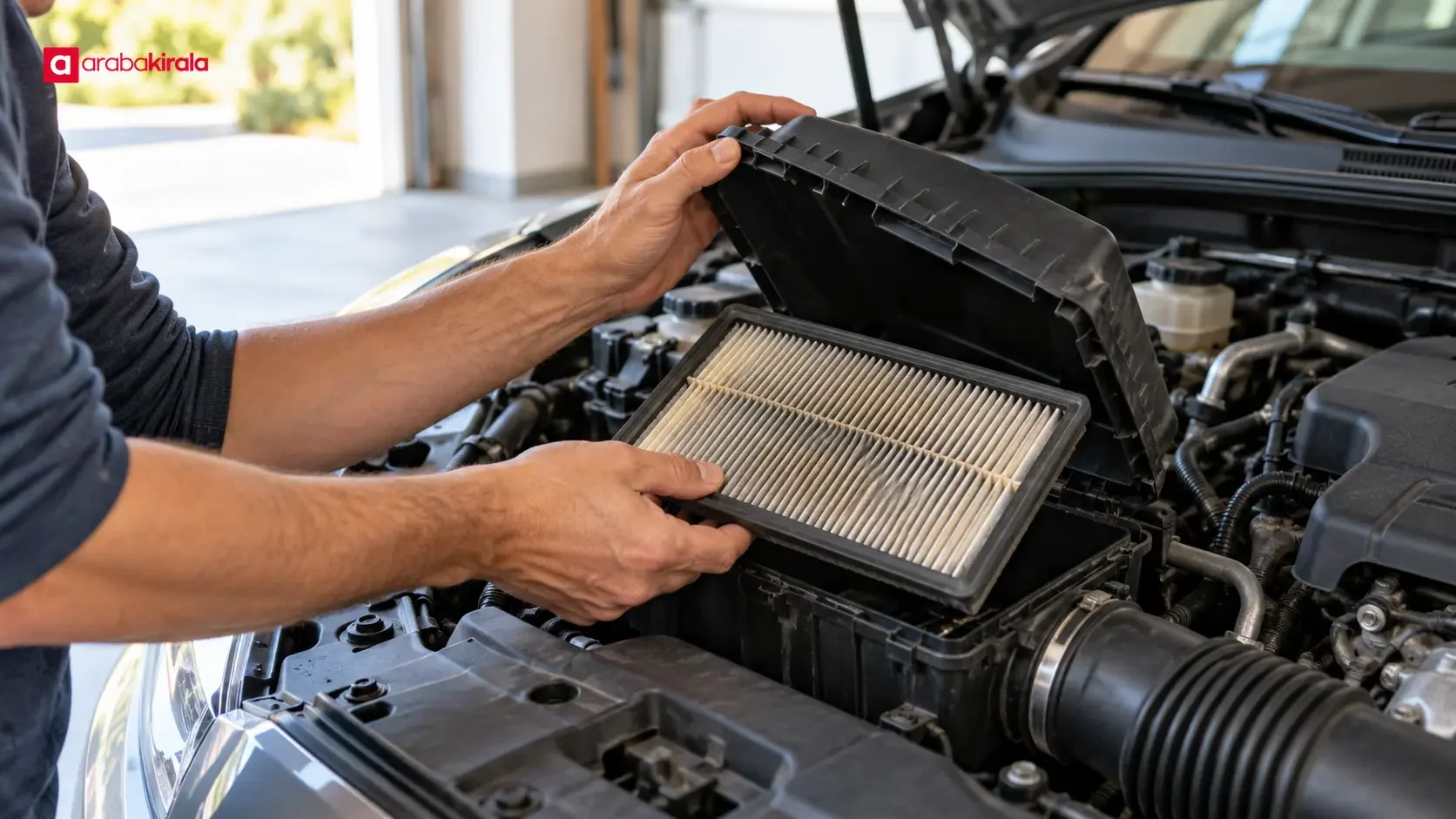
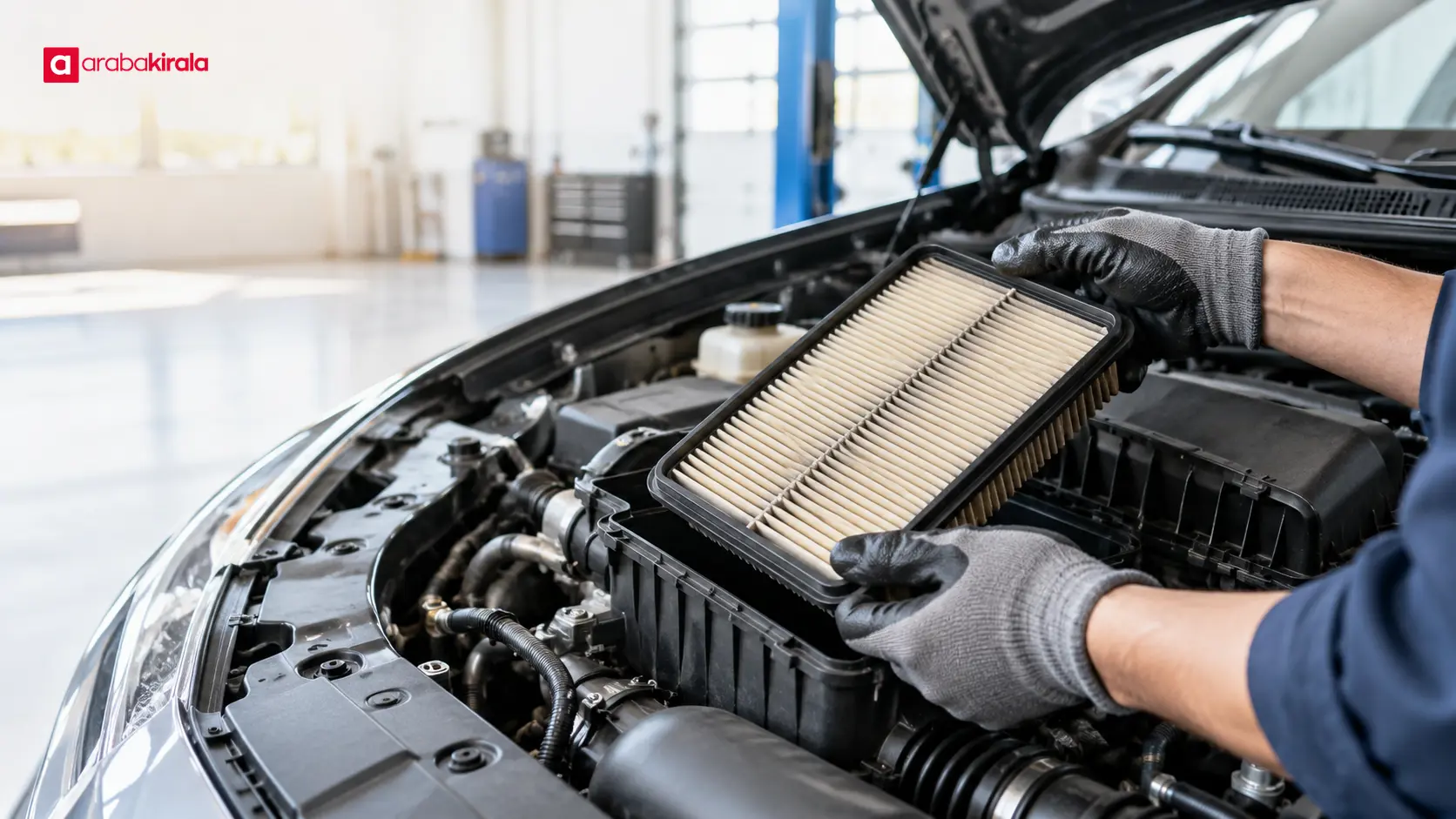
An internal combustion engine draws in air to burn fuel. The engine air filter sits in the intake path and captures much of the dust, grit, and other airborne debris before it reaches the engine. This helps protect the intake system and supports the airflow the engine was designed to receive. Filter elements may use pleated paper, synthetic fibers, or another specified material; the design depends on the vehicle and engine.
The engine air filter is different from the cabin air filter. The engine filter serves the engine’s intake. The cabin filter cleans air entering the passenger compartment through the ventilation and climate control system. They have different locations, functions, and service instructions. Weak airflow from the vents may concern the cabin filter, while a change in engine response does not by itself identify the engine filter as the cause.
Why a dirty or poorly seated filter matters
Dust and debris accumulating on a filter can restrict air passage. The degree of restriction depends on the filter design, how much material has collected, and operating conditions. Severe contamination may affect intake flow, but the symptoms a driver notices vary. Sluggish acceleration, uneven running, or a change in fuel consumption can have many causes. Intake leaks, sensors, ignition or fuel system problems, and other maintenance issues may produce similar complaints.
Incorrect installation can also reduce protection. If the housing cover does not close fully or the element sits crooked, air may pass around the filter instead of through it. A proper inspection therefore considers the element as well as the housing, cover, clips, and surrounding surfaces. Follow the owner’s manual instead of forcing parts or placing objects inside the intake housing.
How to assess the maintenance interval
There is no single universal mileage or time interval for replacement. The manufacturer’s maintenance schedule reflects the vehicle and filter design and may distinguish normal from severe operating conditions. Driving on dusty roads, near construction, over sandy ground, or in other particle-heavy environments can make a filter dirty sooner. Check the manual’s severe-use guidance and discuss the vehicle’s actual use with a service professional when needed.
Inspection and replacement are different instructions. An inspection checks the filter’s condition; replacement means fitting a new element. A schedule that calls for periodic inspection does not mean the filter must be changed at each inspection. Conversely, a filter that looks clean does not automatically cancel a replacement interval specified by the manufacturer. Use maintenance information for the exact model and engine.
What to look for during an inspection
The housing location and opening method vary among vehicles. If the manual does not describe a user inspection, or access requires removing hoses, sensors, or electrical connections, leave the work to a qualified service professional. Hot components and moving parts in the engine bay can cause injury. Do not proceed unless you can follow the manufacturer’s safety instructions.
Where a visual check is permitted, look for heavy dust, leaves or other debris, tears, crushing, moisture, or obvious deformation. Water, oil, or unusual buildup inside the housing should not be dismissed as a reason simply to fit a new filter; the source may need to be identified. Cleaning methods are not suitable for every filter type. Do not use compressed air, wash the element, or apply another cleaning method unless the manufacturer explicitly recommends it for that filter.
If a replacement is needed, the element must match the vehicle and engine. Its orientation and seating surface should be correct, and the cover should close properly. If compatibility is uncertain, have a service professional check the vehicle details or part reference. An improvised or incompatible element may not provide the intended filtration or airflow.

How to interpret symptoms
Loss of power, an engine warning light, uneven idling, or an unusual sound does not prove that the air filter is at fault. If a symptom starts suddenly, the engine runs roughly, or a warning light comes on, follow the vehicle manual’s guidance. If you are unsure whether it is safe to continue, do not push the vehicle; contact the rental branch or the roadside assistance channel provided to you.
When assessing fuel consumption, remember that route, traffic, weather, and driving style can also change the result. Do not blame the filter on the basis of a single measurement. Consider the maintenance history and any accompanying symptoms; diagnosis may require a broader inspection than filter replacement.
A safe, practical approach for rental cars
At pickup, check for dashboard warnings and note the vehicle’s general condition. If you need to open the engine compartment, first read the relevant safety instructions in the owner’s manual. Do not begin maintenance or remove parts from a rental car yourself. If you notice unusual power loss, noise, smell, or a warning while driving, pull over safely and tell the branch where you rented the car. Sharing the vehicle details, warning light, and when the symptom began can help them guide you.
Service history, fault reporting, vehicle replacement, and roadside assistance arrangements for a rental depend on the branch and reservation details. Ask the branch from which you are renting about those specifics. Follow its instructions instead of attempting repairs. This keeps the response safer and helps the issue receive an appropriate assessment.
A short checklist
- Find the engine air filter section in the owner’s manual and distinguish normal-use from severe-use guidance.
- If there is a symptom, note the warning, sound, driving conditions, and maintenance history instead of assuming the filter is responsible.
- Confirm that the manual permits user inspection and keep clear of hot or moving components.
- If replacement is needed, verify the correct element and seating; have moisture or housing damage inspected as well.
- In a rental car, stop safely and contact the rental branch if a warning or symptom appears.
Summary and next step
The engine air filter captures particles from intake air and helps protect the engine’s air intake system. Contamination can affect airflow, but driving symptoms overlap with many other issues. Base maintenance decisions on the vehicle manual, actual driving conditions, and an inspection of the filter and housing. For your own vehicle, start by checking the filter section of the owner’s manual. In a rental, stop safely if a warning appears, avoid dismantling the vehicle, and ask the branch for guidance.

Frequently Asked Questions
Is the engine air filter the same as the cabin air filter?
No. The engine air filter cleans air entering the engine’s intake. The cabin filter cleans air supplied to the passenger compartment through the ventilation and climate control system. Their locations and service instructions differ.
Does a dirty engine air filter always increase fuel consumption?
That cannot be stated as a certainty for every vehicle and situation. Heavy contamination may affect airflow, while fuel consumption also depends on traffic, driving style, weather, and the engine’s overall condition. Do not attribute a change to the filter alone.
How often should I replace the air filter?
Follow the manufacturer’s maintenance schedule and its guidance for normal or severe use. Dusty conditions may affect how often inspection is needed. Consult the manual or a service professional for an interval specific to the vehicle.
Can I clean the filter with compressed air?
That method is not suitable for every filter material and may damage the element. Unless the manufacturer explicitly permits it for the filter in question, do not use compressed air, wash it, or apply another cleaning method. Ask a professional about inspection or replacement.
What should I do if an engine warning appears in a rental car?
Follow the warning guidance and pull over safely if needed; do not strain the vehicle. Note the warning and symptoms, contact the rental branch, and follow its instructions about whether it is safe to continue or assistance is needed.
Legal Disclaimer: All content, articles and information on the Araba Kirala website are provided solely to inform users. No information shared on this website constitutes definitive advice or guidance. Araba Kirala Teknoloji A.Ş. and its authors cannot be held responsible for any direct or indirect damages arising from the application of information on the website. For all questions and requests regarding car rental, please contact the office from which you will rent your vehicle.












