Why Ground Clearance and Approach Angles Matter in a Car
Published: October 30, 2026 • Reading Time: 7 min • Last Updated: October 30, 2026 • Author: Merve B.
Ground clearance, approach angle and underbody shape help explain a car’s contact risk on speed bumps, steep ramps and rough roads. This guide describes what the measurements mean, how to assess them while driving, and what to check when collecting a rental car.
Contents
- What does ground clearance tell you?
- Approach, breakover and departure angles
- What bumps, ramps and rough roads demand
- Speed bumps
- Driveways and steep ramps
- Potholes, uneven ground and roadworks
- Why load and vehicle condition matter
- Choosing and collecting a rental car
- Practical steps before and during a crossing
- Summary and next step
- Frequently Asked Questions
Car ground clearance and approach angles help you understand whether the underside of a vehicle may touch the road or an obstacle on a speed bump, steep driveway, pothole or rough surface. This guide explains what ground clearance measures, why approach and departure angles are different, what to watch for while driving, and which details to check when collecting a rental car.

What does ground clearance tell you?
Ground clearance is the vertical distance between the road and a specified point underneath a vehicle. Manufacturers publish this measurement in technical specifications, but the conditions used for the measurement matter. Tire size, the weight carried in the car, suspension design and the slope of the ground can all affect the actual space between the underbody and the surface. A single figure in a specification sheet therefore does not mean the same clearance will be available in every situation.
The measurement is generally associated with the lowest point, though that point is not in the same place on every model. Underbody protection, parts of the exhaust system and other components may sit at different heights. You cannot reliably judge whether the whole underside will clear a raised surface by looking only at the bumper. The published figure gives a useful general reference, but it cannot guarantee that a specific obstacle is safe to cross.
Approach, breakover and departure angles
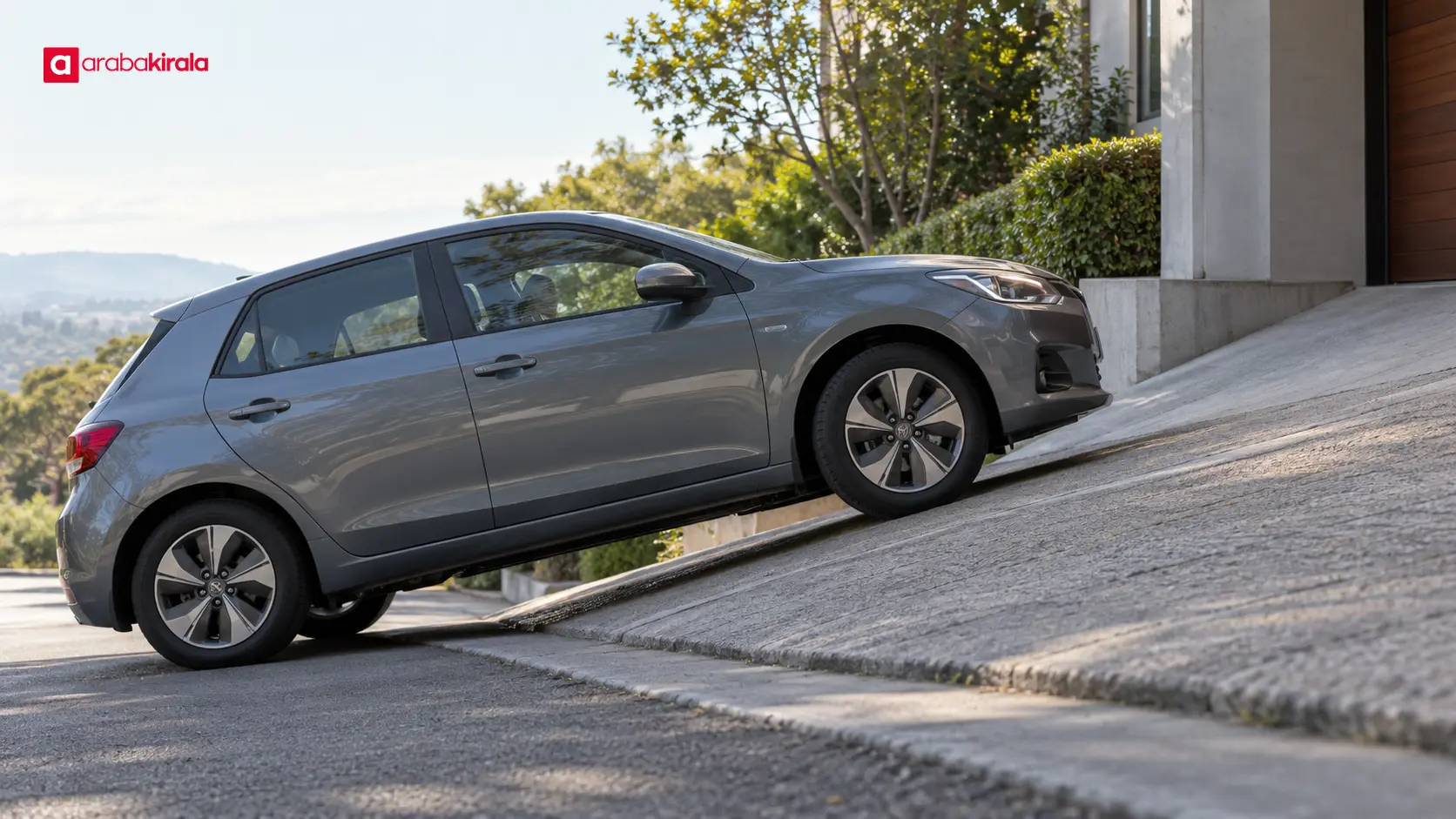
The approach angle describes how steep an upward surface a car can meet from level ground before its front underside makes contact. The lowest point of the front bumper and the position of the front wheels both matter. A car with a long front overhang or a low nose may scrape its bumper when a driveway begins abruptly.
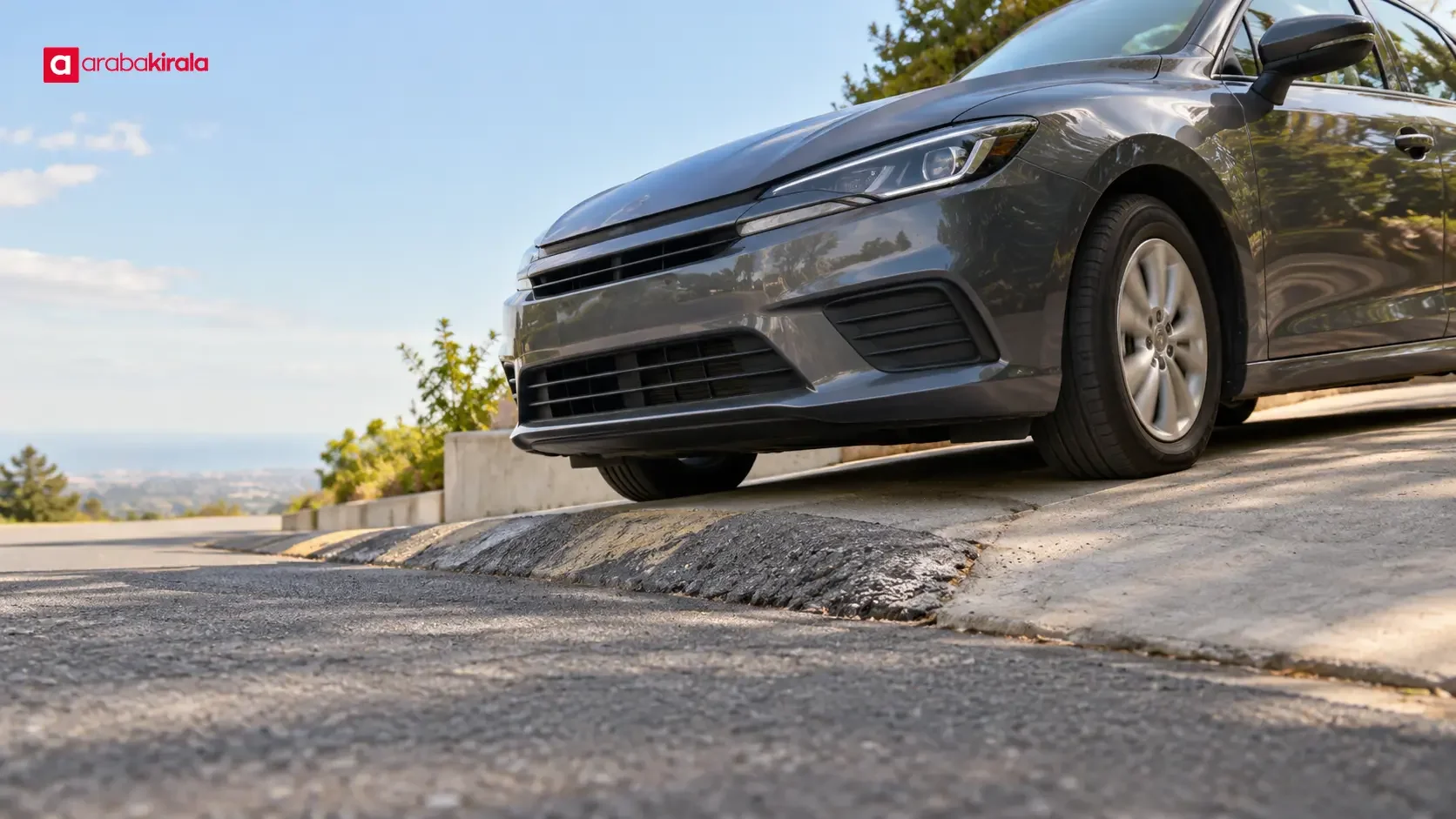
The breakover angle concerns the risk of the middle underside touching the top of a crest-shaped bump as the wheels pass over it. As the axles reach the upper part of the obstacle, the centre of the vehicle may come close to resting on the crest. Ground clearance matters here, along with the distance between the axles and the shape of the underbody. The departure angle describes the corresponding contact risk at the rear as the car comes down from a raised surface.
These measurements are not interchangeable. A car may have relatively generous ground clearance but a long front or rear overhang, leaving it vulnerable at a steep transition. A vehicle with short bumper overhangs may handle a narrow bump better, yet its midsection could still be at risk on a tall crest. Consider the obstacle’s shape, the direction of travel and whether the car is carrying a load.
What bumps, ramps and rough roads demand
Speed bumps
The width and slope on each side of a bump matter as well as its height. A narrow bump with sharp edges can bring a bumper or the centre underside close to the surface quickly. Driving over it too fast can make the suspension compress more sharply and the body move; if contact occurs, the impact may be more severe. Reduce speed in advance when you have a clear view, and approach in a straight, controlled line. Follow applicable road signs and driving instructions; do not try to clear an obstacle at speed or with sudden steering inputs.
Driveways and steep ramps
On a ramp, the transition where level ground meets the slope matters in addition to the gradient itself. A sharp transition can create an approach-angle risk at the front. Reaching the crest or descending the ramp raises different risks for the centre and rear. Where space and traffic conditions allow, a smooth line and very low speed can reduce abrupt body movement. Do not cross diagonally if the road is too narrow or traffic makes it unsafe; a manoeuvre that exposes you to oncoming traffic creates a greater hazard than a possible bumper scrape.
Potholes, uneven ground and roadworks
On rough roads, scraping the underside is only one concern. Sharp stones, pothole edges and loose material can also damage tires or underbody components. Look ahead to choose a visible wheel path, adjust speed to the available visibility and grip, and avoid standing water when you cannot judge its depth. Find a safe alternative route instead of forcing the car across an obstacle. Follow temporary signs and directions around roadworks.
Why load and vehicle condition matter
As passengers and luggage add weight, the suspension carries more load and the body may sit closer to the road. A heavy load at the rear can especially affect clearance near the rear and centre underside. Distributing luggage securely and evenly, staying within the vehicle’s carrying capacity and avoiding careless stacking all help with stability as well as ground clearance.
Correct tire size and pressure also help preserve the vehicle’s designed ride height. Check pressure according to the method specified on the vehicle label or in the owner’s manual. Using an unsuitable tire size, raising the car or altering its suspension can create technical and safety problems; do not make such changes without manufacturer approval and an expert assessment.
Choosing and collecting a rental car
If your route includes tall bumps, steep parking entrances or unpaved sections, consider the vehicle category and intended use before reserving. A higher body may provide more space beneath the car, but that does not mean every high-riding vehicle will clear every obstacle. Passenger numbers and luggage capacity should also inform your choice. Ask the branch where you plan to rent about the exact technical measurement, suitability for a particular route, or the vehicle types it can offer.
At collection, inspect the exterior and any underbody areas that are safely visible. Compare existing marks on the lower bumper, sills and around the wheels with the handover record. Tell staff about anything that needs clarification before leaving, and confirm how it should be recorded. Check the recorded mileage and fuel level as well. These steps do not prevent new damage, but they help establish a clear understanding of the vehicle’s condition at the start of the rental.
Practical steps before and during a crossing
- Account for steep entrances, roadworks and raised bumps on your route; choose a suitable, safe alternative where possible.
- Assess an obstacle’s height, width and approach surface to the extent that it is visible. If you cannot see adequately, stop somewhere safe and check.
- Reduce speed before reaching the obstacle, then avoid sudden braking, acceleration or steering while crossing it.
- Move carefully along a path that avoids letting the underside settle onto the obstacle, provided the road and traffic conditions permit it.
- If you feel contact or an impact, or hear an unusual sound, stop in a safe place. Do not get underneath the car; contact the rental branch about visible damage or a change in how the car drives.
Summary and next step
Ground clearance describes the space between the underbody and the road. Approach angle concerns the front entering an upward surface, breakover angle concerns the centre passing over a crest, and departure angle concerns the rear descending from it. For bumps and ramps, obstacle shape matters; on rough ground, speed, visibility and wheel path matter; load and tire condition affect every situation. Before travelling, consider your route and what you will carry. If you need an exact measurement or branch-specific detail for a rental, ask the location where you plan to book, then compare the vehicle’s visible condition with the handover record at collection.
Frequently Asked Questions
How can I find a car’s ground clearance?
Check the manufacturer’s technical specifications and note the conditions under which the measurement was given. The actual space can change with vehicle load, tire condition and the surface, so the figure alone does not guarantee that a particular bump can be crossed.
Can a high-clearance car cross every speed bump?
No. The bump’s shape and sharpness, the car’s bumper overhang, wheelbase and load all matter. Do not force a crossing if visibility is poor or the obstacle looks too high for the vehicle.
Does crossing a ramp diagonally protect the bumper?
A diagonal line can reduce how quickly the front or rear meets the surface on some vehicles, but it is not safe or possible in every road and traffic situation. Do not try it without enough space and visibility; seek a safe, slow route instead.
Does luggage affect ground clearance?
Yes. Added weight can compress the suspension and reduce the space beneath the body. Stay within the vehicle’s load limit, distribute luggage evenly and avoid concentrating weight in one area.
How do I learn the ground clearance of a rental car?
Technical measurements vary by model and vehicle category. Ask the branch where you plan to reserve about the specifications of the vehicle it can provide and whether it suits the road conditions on your route; do not assume a particular model will be available.
What should I do if I hear scraping underneath?
Stop in a safe place and look for visible damage around the vehicle; do not get underneath it. If the sound repeats or you notice vibration, a fluid leak or a change in handling, contact the rental branch before continuing to drive.
Legal Disclaimer: All content, articles and information on the Araba Kirala website are provided solely to inform users. No information shared on this website constitutes definitive advice or guidance. Araba Kirala Teknoloji A.Ş. and its authors cannot be held responsible for any direct or indirect damages arising from the application of information on the website. For all questions and requests regarding car rental, please contact the office from which you will rent your vehicle.