
How to Review Partner and Non-Partner Repair Terms After an Insurance Claim

Published: October 15, 2026 • Reading Time: 6 min • Last Updated: October 15, 2026
Understand what partner and non-partner repair shop terms generally mean, what to check in a policy, and which questions to ask before repairs begin.
Contents
- What do partner and non-partner repair shops mean?
- Why can shop choice affect the repair process?
- What should you review in the policy and claim records?
- Practical questions to ask before taking the car in
- Keeping track after repairs start
- A clear sequence for making the decision
- Frequently Asked Questions
Car insurance repair shop selection affects where damage is assessed and how the repair process is coordinated. This guide explains what partner and non-partner repair shop terms generally describe, which policy details to review, what records to keep, and what to clarify before authorizing work. The practical effect can depend on the policy and claim, so confirm the process with your insurer and the shop you plan to use.

What do partner and non-partner repair shops mean?
A partner repair shop has an arrangement with an insurer for handling certain parts of the claim or repair process. The arrangement may cover coordination such as claim documents, assessment scheduling, or payment administration. The word “partner” does not by itself mean that every repair will be approved, that every part or labor item will be covered, or that the vehicle owner will have no out-of-pocket cost. The policy terms, the damage, and the claim review all matter.
A non-partner shop is one without that type of working arrangement with the insurer. This label does not mean the shop cannot repair the vehicle or that an insurance claim is automatically unavailable. It does mean that you should clarify who will submit the estimate and records, how the insurer will assess the proposed work, how payment will be handled, and whether you may need to pay any amount before reimbursement or a coverage decision. The label alone says nothing conclusive about repair quality.
Why can shop choice affect the repair process?
The choice may change who coordinates information from damage assessment through completion. At a partner shop, some administrative communication may pass directly between the shop and insurer. At a non-partner shop, you may need to track the estimate and supporting records more closely. These are process points to ask about, not universal rules that apply to every claim.
Consider more than the shop’s network status. Ask whether the shop has the technical capability to work on your vehicle, what the proposed repair includes, what type of parts are proposed, who stands behind the workmanship, and when the insurer’s review is needed. Request clear written details and keep the insurer’s explanation alongside the shop’s estimate so you can resolve differences before work starts.
What should you review in the policy and claim records?
Read the policy and its attachments for the types of damage addressed, exclusions or deductibles, documents requested for a claim, and the stated method for assessing repairs. A deductible generally describes an amount or share that may remain with the policyholder for a particular coverage; its application depends on the policy wording. Do not infer a coverage decision, payment amount, or repair right from a term’s everyday meaning. Ask the insurer to explain any unclear clause and identify the policy section it refers to.
Ask specifically whether shop choice affects parts, labor, payment handling, or the review of the claim. Clarify when an inspection is expected, whether work should wait for that inspection, and what happens if additional damage is found after disassembly. The answers can vary by policy and claim. The purpose is to establish your file’s actual sequence, not to assume a standard rule.
- Keep the policy number and claim-related correspondence together.
- Photograph the damaged area and the vehicle’s overall condition; retain the files with their dates.
- Request an estimate that separates labor, parts, additional work, and the expected timeframe.
- Before authorizing repairs or payment, ask the insurer where the claim review stands.
- Record important phone guidance with the date and the department or person you contacted.
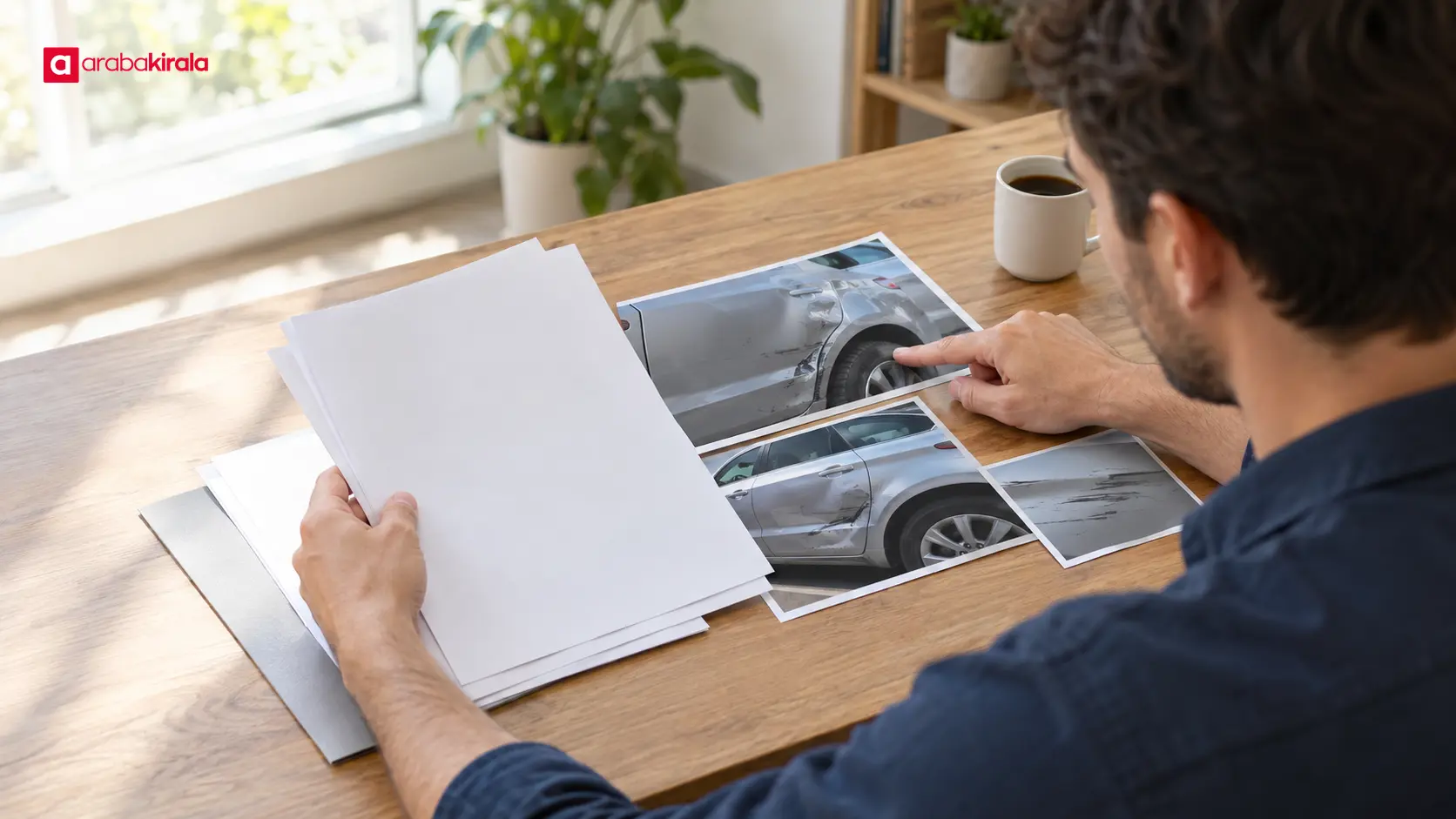
Practical questions to ask before taking the car in
Do not stop at asking whether a shop is in the insurer’s network. If it is, ask which steps that arrangement covers for your policy and damage type. If it is not, ask who will send the estimate and documents to the insurer. A shop’s answer does not establish that the insurer has approved coverage; ask directly which team makes the coverage and payment decision.
Then confirm what documents are needed for intake, when an inspection is expected, which approvals are required before repairs, and how the shop will notify you if it finds additional damage. Ask for the proposed parts, repair method, labor scope, and any amount you may be asked to pay in writing. If a figure is only an estimate, make sure it is identified as such and ask what decision it depends on.
Keeping track after repairs start
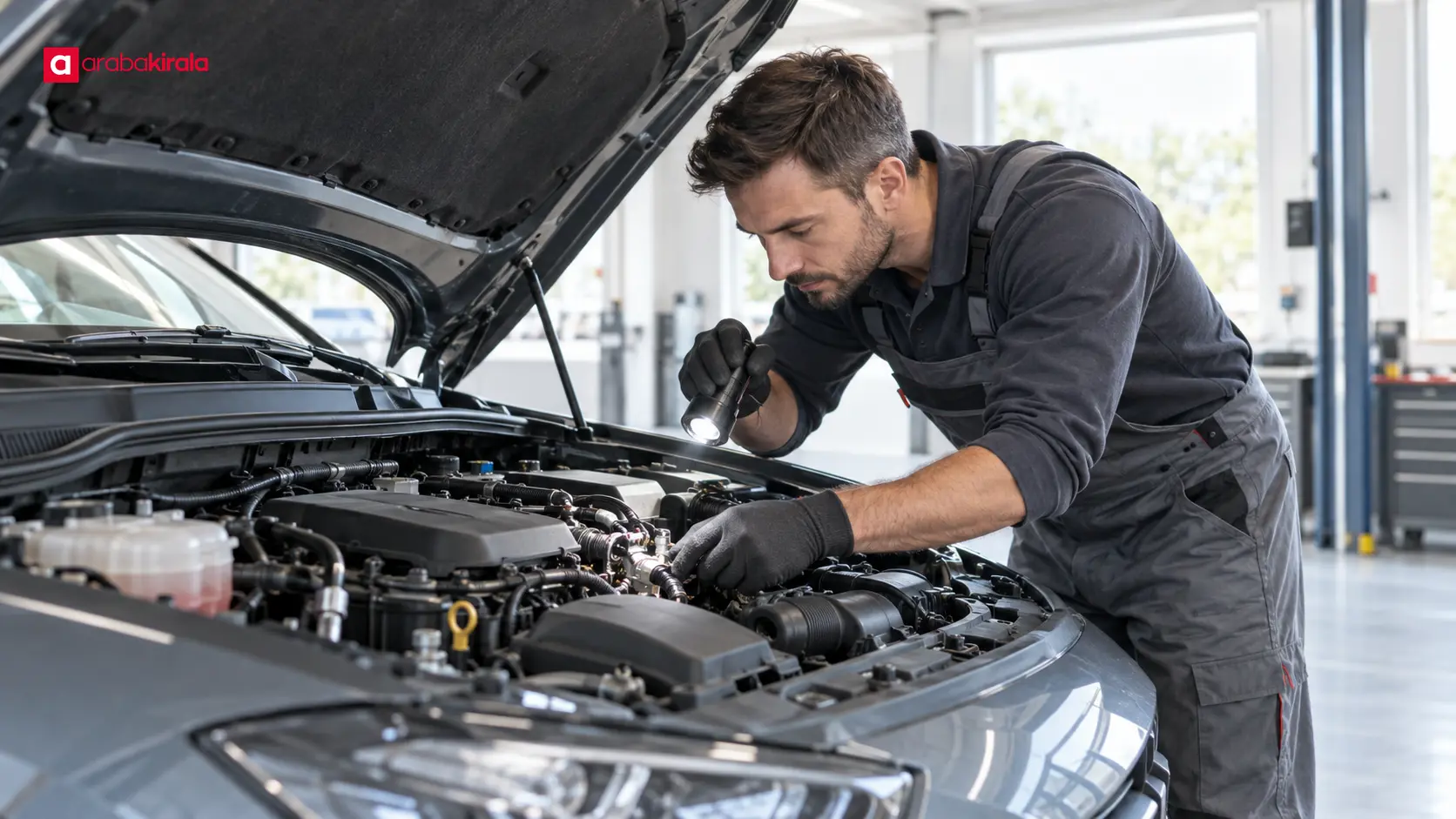
Read the intake form and damage assessment before work begins. Accurate notes about existing damage and items left in the vehicle help avoid confusion later. Keep the work order, descriptions of parts and labor, approval records, and payment documents. If the scope changes, ask why the additional work is needed and how it relates to the claim before agreeing to it.
At handover, check the completed work against the work order, note which parts were repaired or replaced, and look for warning indicators. Ask for an explanation before signing if an item is unclear. If you have a safety concern, request a technical assessment; do not drive a vehicle that is not safe to use, and arrange appropriate assistance. This check helps you understand the vehicle’s condition regardless of the coverage decision.
A clear sequence for making the decision
Start by reviewing the policy and asking where the claim stands. Get a written repair estimate from the shop and a claim-specific explanation from the insurer about how that shop’s workflow will operate. Compare the explanations for coverage, payment, parts, approvals, and timing. If the answers conflict, request written clarification for your claim before authorizing repairs. This makes car insurance repair shop selection a decision based on the file’s facts rather than labels alone.
Frequently Asked Questions
Does choosing a partner shop guarantee that the damage will be covered?
No. A shop’s partner status does not establish that the damage is covered or that all costs will be paid. The damage, policy wording, deductible, and claim assessment matter. Ask the insurer for the coverage position on your file before repairs begin.
Can I use insurance if I choose a non-partner shop?
The answer depends on your policy and claim review. Before booking work, tell the insurer which shop you are considering and ask what documents are needed, how its estimate should be submitted, and how payment will be handled.
Which approval should I wait for before repairs start?
Required review steps can vary. Ask the shop and insurer whether an inspection is complete and which items in the proposed work have been approved. Also find out whether newly discovered damage needs a further assessment.
What should a repair estimate include?
It should clearly describe the damage, proposed work, parts and labor, possible additional work, and expected completion timeframe. Separate amounts that have not been confirmed by the insurer and ask what review they depend on.
How long should I keep claim photos and documents?
It is useful to keep photos, policy correspondence, estimates, approvals, and payment records organized until the claim and any related questions are resolved. Ask the insurer whether your file requires additional records or a specific retention period.
What should I check when collecting the vehicle?
Compare the completed work with the work order, inspect visible repair areas, and note any warning indicators. If an item is unexplained or you have a safety concern, speak with the shop before accepting the vehicle and keep a record of the discussion.
Legal Disclaimer: All content, articles and information on the Araba Kirala website are provided solely to inform users. No information shared on this website constitutes definitive advice or guidance. Araba Kirala Teknoloji A.Ş. and its authors cannot be held responsible for any direct or indirect damages arising from the application of information on the website. For all questions and requests regarding car rental, please contact the office from which you will rent your vehicle.












