
What Is a Car’s Turning Radius? Reading It for Parking and Tight Spaces
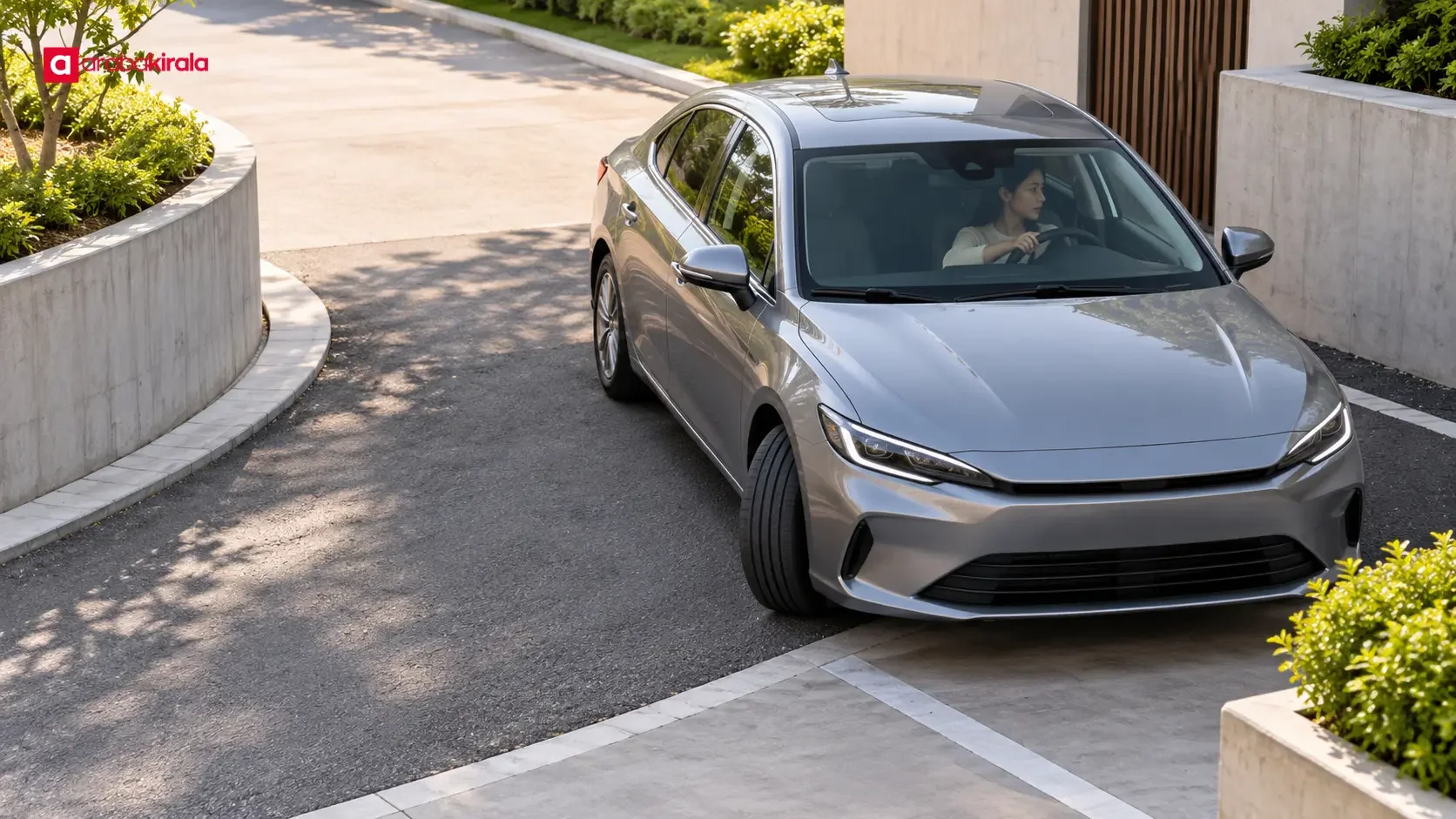
Published: October 18, 2026 • Reading Time: 6 min • Last Updated: October 18, 2026
Learn what turning radius and turning circle mean, how to interpret vehicle specifications, and how to use the information when parking or maneuvering in confined spaces.
Contents
- Turning radius and turning diameter
- Why the figure helps during a maneuver
- How to read the specification correctly
- Radius or diameter?
- Curb to curb and wall to wall
- Comparing vehicles
- Applying the information to parking and tight spaces
- Using this information when choosing a rental car
- Summary and next step
- Frequently Asked Questions
A car’s turning radius describes the radius of the curved path traced as the vehicle turns under a particular steering condition. This guide explains how radius differs from turning diameter, what specification figures can tell you about parking and narrow streets, and how to apply them while driving. The number offers a clue about maneuvering space; on its own, it cannot determine whether a vehicle will fit in a particular parking space.
Turning radius and turning diameter
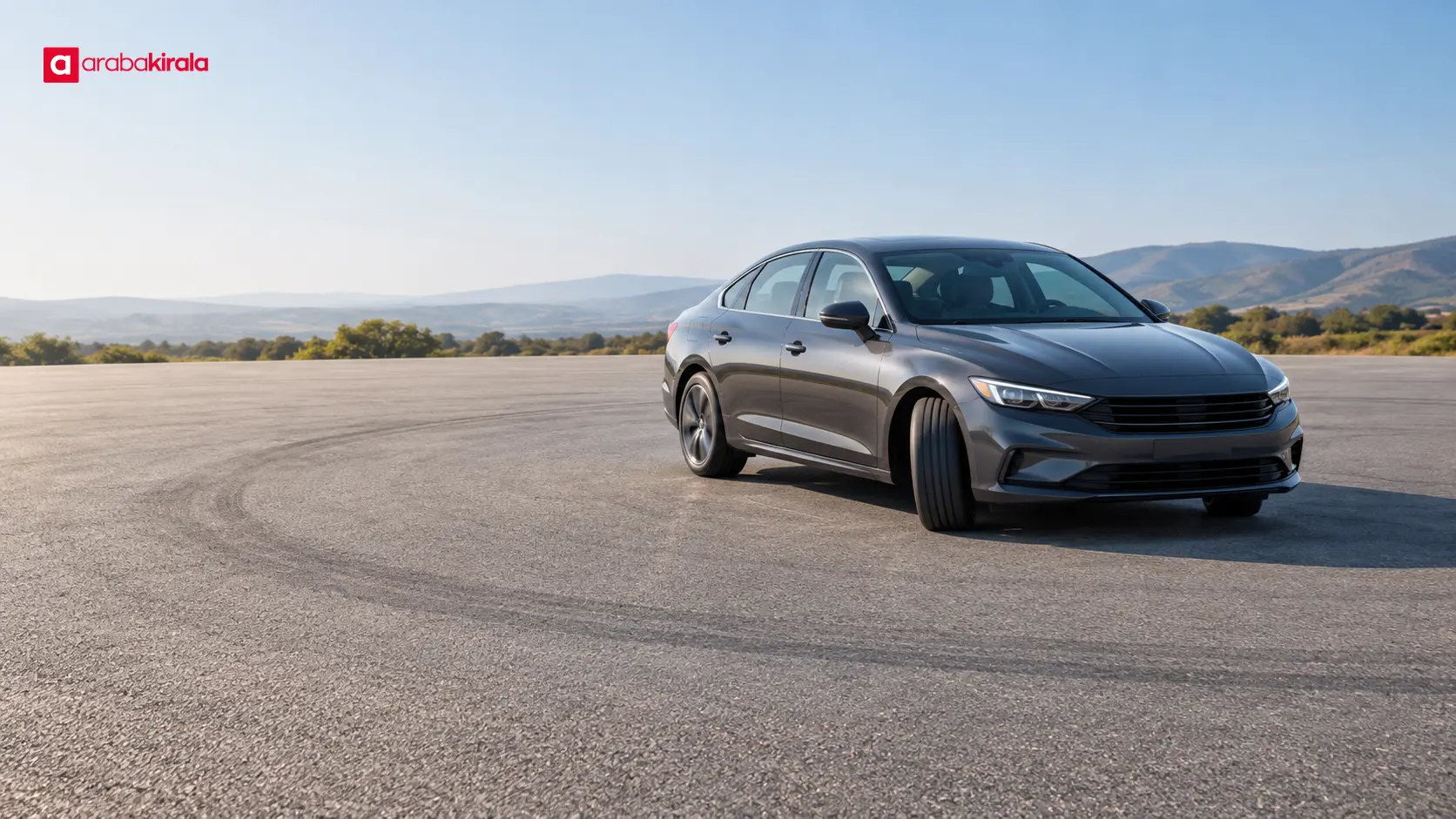
A radius is the distance from the center of a circle to its edge. When a car turns, its wheels and body corners trace different arcs rather than one single line. For that reason, when a specification says “turning radius,” check which point on the vehicle the measurement refers to and how the figure is defined.
The diameter is the distance across the circle through its center. In basic geometry, it is twice the radius. Vehicle specifications may use terms such as turning circle or turning diameter, and the measurement basis matters. Some manufacturer documents specify a curb to curb figure, associated with the path of the tires. The body corners can sweep a wider area than the tire tracks, which is relevant around walls, pillars, or parked cars.
Why the figure helps during a maneuver
A smaller turning circle generally indicates that, under the stated steering condition, the vehicle can follow a tighter arc. This can help when changing direction in a narrow street or entering a parking space. However, turning performance is only one part of maneuverability. Overall length and width, wheelbase, steering response, visibility, the shape of the space, and nearby obstacles all affect how easy a maneuver feels.
The figure is useful as an initial planning reference. It can help you think about whether a turn may require several forward and reverse movements. Real spaces are rarely empty circles: parked vehicles, curb extensions, columns, or walls can restrict the available path. The front and rear corners also move along different arcs from the wheels.
How to read the specification correctly
Radius or diameter?
Check the heading and notes to confirm whether the published number is a radius or a diameter. Units matter too: meters, centimeters, and feet cannot be compared as if they were the same scale. Do not assume that a promotional phrase such as “turning circle” uses the same definition as a technical table unless the document explains it.
Curb to curb and wall to wall
A curb to curb turning measurement is commonly tied to the outer path followed by the tires. A wall to wall figure can account for the vehicle’s outer body boundary and the space swept by its corners. That distinction matters on a narrow ramp or in a garage with pillars. If a source gives only one number, avoid making an exact clearance calculation without its measurement definition.
Comparing vehicles
For a useful comparison, look for figures from the same type of source, in the same units, and based on the same measurement method. The manufacturer’s technical document should match the model year and version under consideration. Equipment or steering differences can affect dimensions, so avoid applying one figure to every version in a model range.
Applying the information to parking and tight spaces
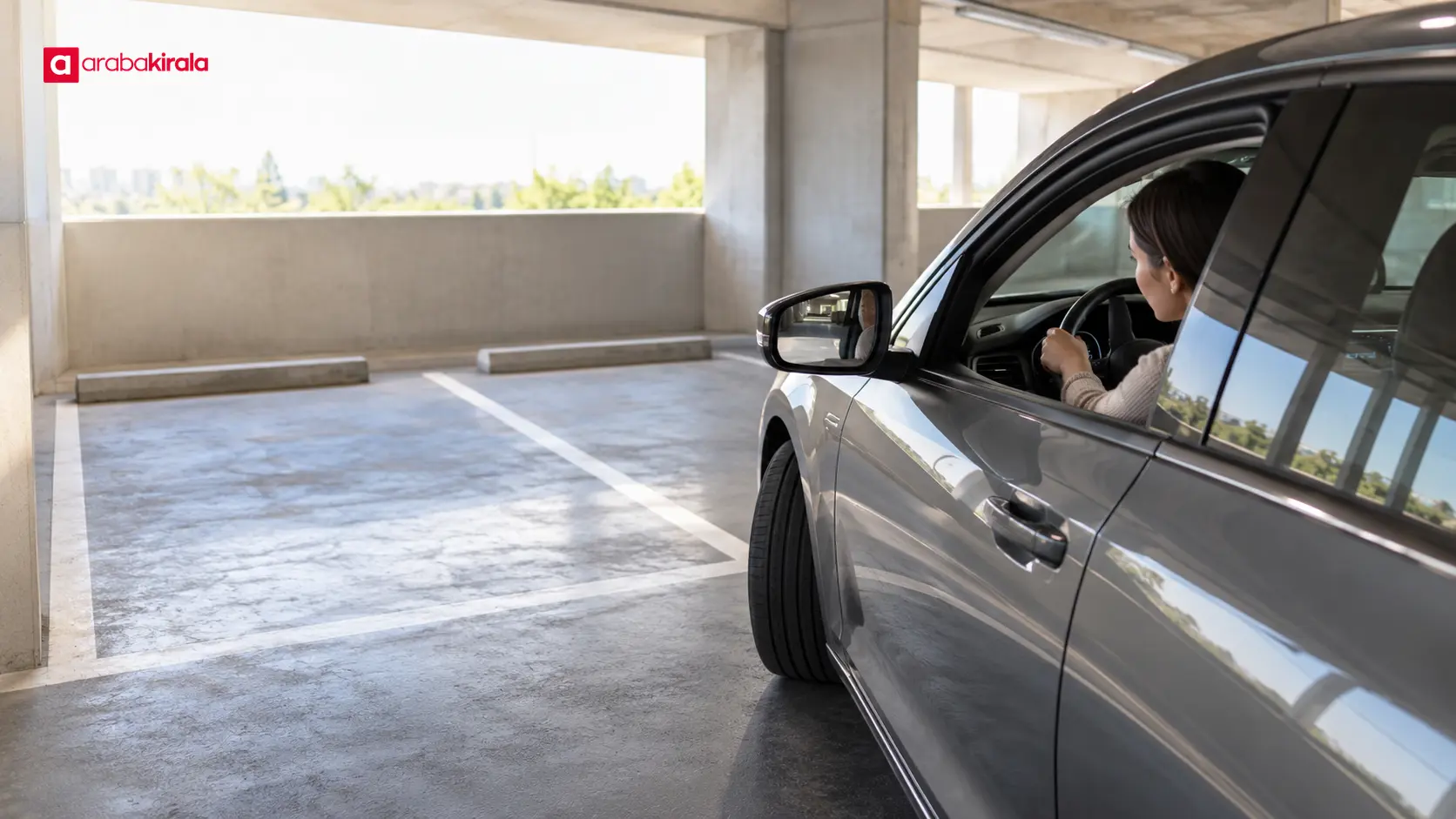
Use the technical figure as an indication of maneuvering capacity, not as a guaranteed answer to “will it fit?” Consider it alongside the vehicle’s dimensions and visibility. When using an unfamiliar vehicle, it can help to learn how its front and rear corners move at low speed in a broad, flat area away from traffic.
- Before moving, check for vehicles, pedestrians, cyclists, low obstacles, and curb edges around the intended path.
- Consider the entrance, pillars or walls, and the space needed to leave the parking area.
- Move slowly and pay attention to steering input and the path of the body corners.
- If visibility is limited, stop and reassess. Cameras and parking sensors assist the driver but do not replace visual checks.
- If there is not enough room, look for a wider area instead of forcing the maneuver.
Do not rely on a reversing camera alone. Low objects or moving people may be outside its field of view. Check around the vehicle before moving, use the mirrors, and stop safely to reassess when needed. Where children or pedestrians may be present, make sure they are away from the vehicle and visible before reversing.
Using this information when choosing a rental car
If your route includes narrow streets or tight parking, consider more than the turning radius. Vehicle length and width, sightlines, and equipment such as a camera or parking sensors can also affect ease of use. Review technical details for the model and version you are considering. If the vehicle version or equipment is unclear, ask the branch you plan to rent from before making a reservation. This does not establish that a particular parking space is suitable or that every vehicle has a specific feature.
At pickup, adjust the seat and mirrors to your driving position. If the vehicle has parking assistance features, learn how they work from the vehicle manual or the information provided at pickup. These systems can have detection limits, so the driver must continue to monitor the surroundings. Basic familiarization with the brakes, gear selection, and visibility also helps before setting off.
Summary and next step
Turning radius is the distance from the center of a turning path to its edge; turning diameter spans the circle through its center. The meaning of a vehicle specification depends on its measurement definition and the exact vehicle version. When planning a parking maneuver, combine the figure with vehicle dimensions, obstacles, and visibility. As a next step, check the technical data for the vehicle you will use, then maneuver slowly and keep checking the area around you.

Frequently Asked Questions
Are turning radius and turning diameter the same?
No. Radius runs from the circle’s center to its edge, while diameter crosses the center from one edge to the other. For a perfect circle, diameter is twice the radius. Vehicle specifications should also state the measurement method.
Does a smaller turning radius always make parking easier?
A tighter arc can help with maneuvering, but ease of parking also depends on vehicle length and width, visibility, and the shape of the space. One figure cannot guarantee that a vehicle will fit.
What does curb to curb turning diameter mean?
It describes the width between curb boundaries associated with the outer path of the tires during a turn. The body corners may occupy a wider swept area, so nearby obstacles still need to be considered.
Can I compare a turning radius directly with a parking space measurement?
It can help with rough planning, but it does not provide a definitive fit calculation. You need to know whether the figure is a radius or diameter, what point was measured, and the vehicle’s overall dimensions.
Is a reversing camera enough when backing up?
No. A camera is a useful aid, but it may not show people or objects outside its view. Check the surroundings, use the mirrors, and stop to reassess if visibility is uncertain.
How can I find the turning figure for a rental vehicle?
Start with the manufacturer’s technical information for the specific model and version. If the version or equipment is uncertain, contact the branch you plan to rent from before booking; vehicles sharing a model name may not have identical specifications.
Legal Disclaimer: All content, articles and information on the Araba Kirala website are provided solely to inform users. No information shared on this website constitutes definitive advice or guidance. Araba Kirala Teknoloji A.Ş. and its authors cannot be held responsible for any direct or indirect damages arising from the application of information on the website. For all questions and requests regarding car rental, please contact the office from which you will rent your vehicle.












