
Driving to Kasaba Village and Mahmut Bey Mosque in Kastamonu
Published: October 26, 2026 • Reading Time: 7 min • Last Updated: October 26, 2026
Plan a practical drive from Kastamonu to Kasaba Village, with route preparation, an architectural visit to Mahmut Bey Mosque, respectful conduct and a safe return plan.
Contents
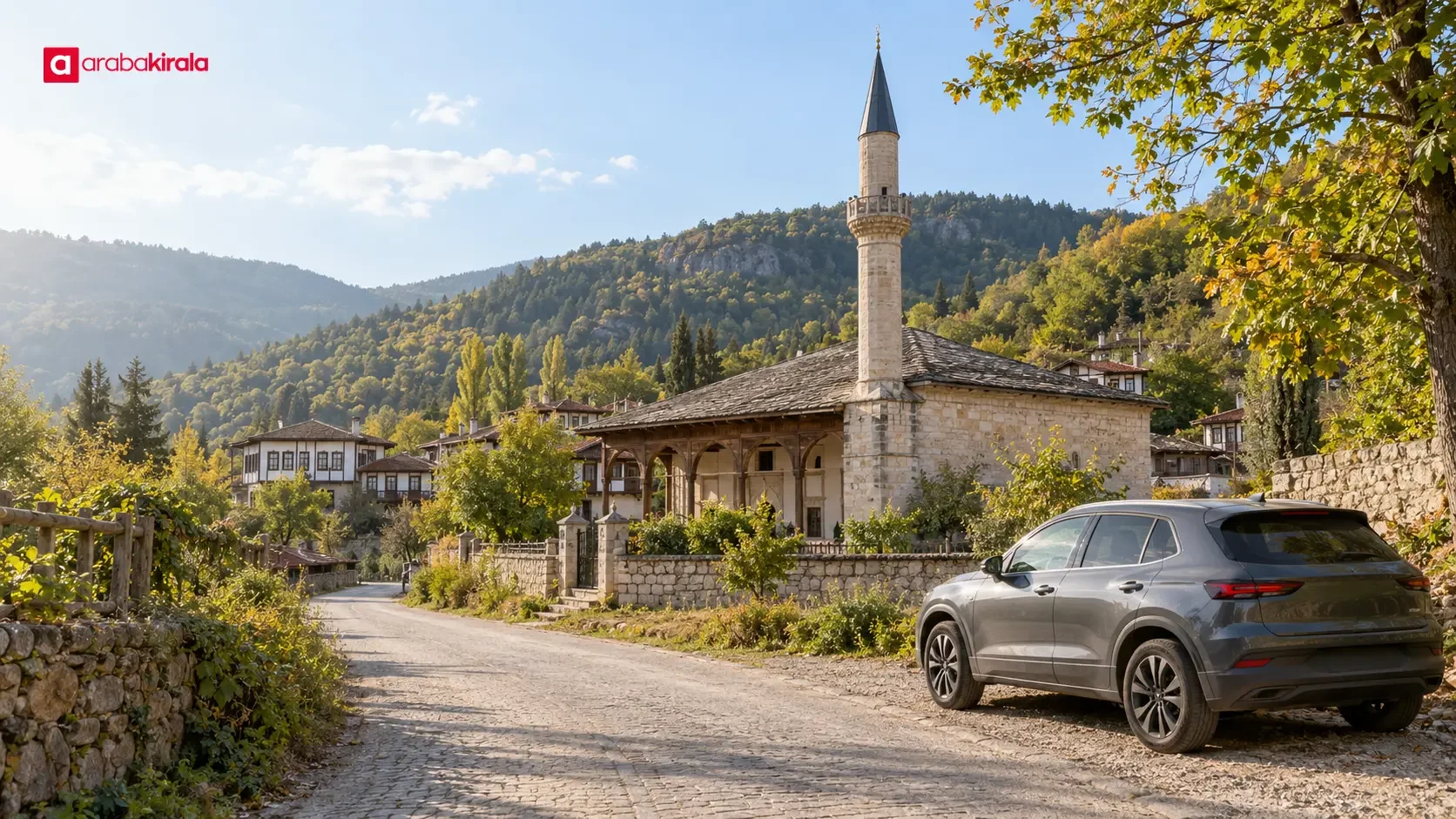
This guide explains how to plan a drive from Kastamonu to Kasaba Village, what to prepare before setting off, how to make time for Mahmut Bey Mosque’s architecture, and how to arrange a comfortable return. The mosque stands outside Kastamonu city centre, in Kasaba Village. Official cultural information places it about 18 kilometres from the city, so it is useful to treat the outing as a rural drive with a destination visit rather than a quick stop in town. Distance does not determine travel time: your starting point, weather, traffic and road conditions all matter.
Planning a visit to Kasaba Village
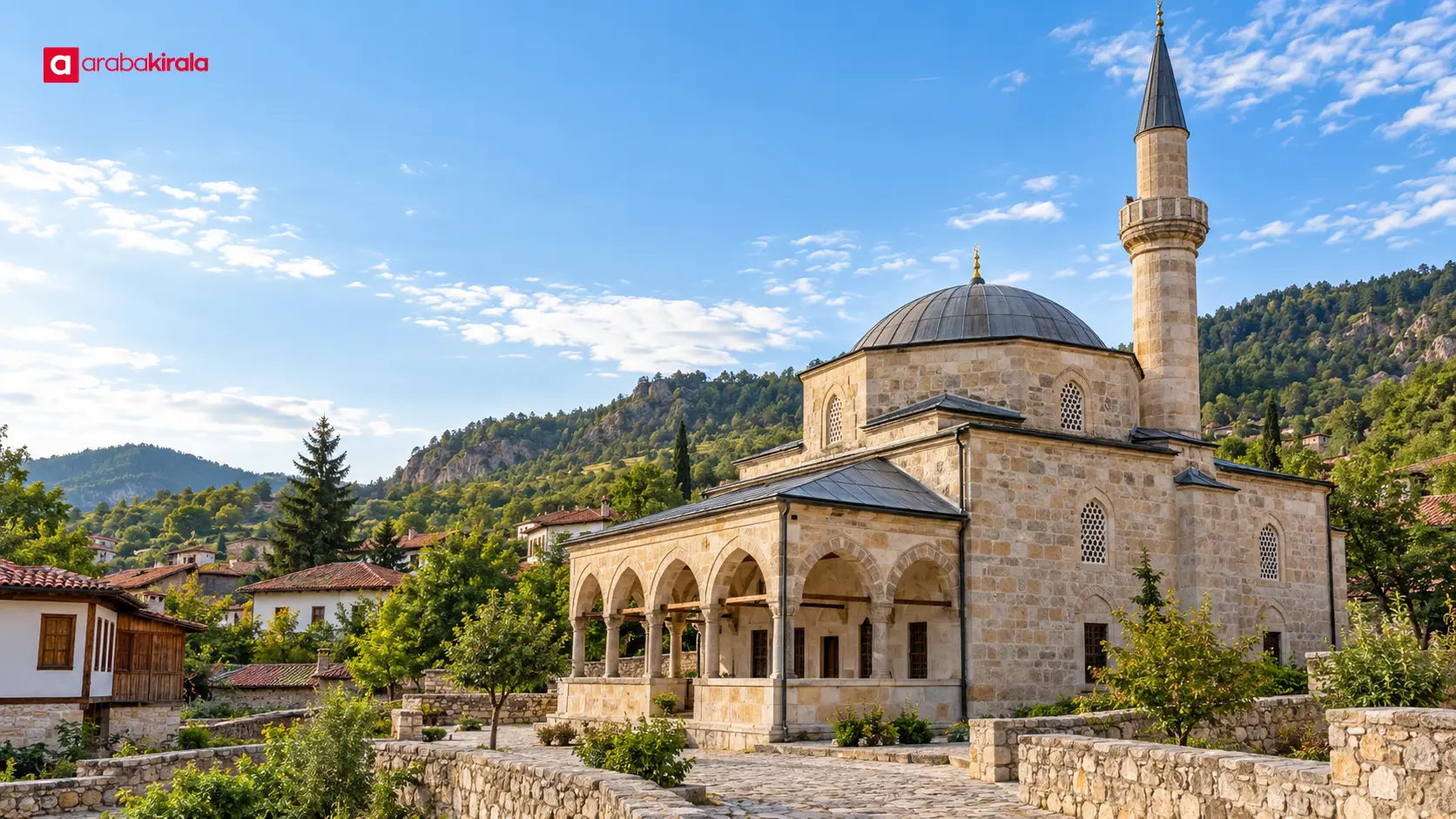
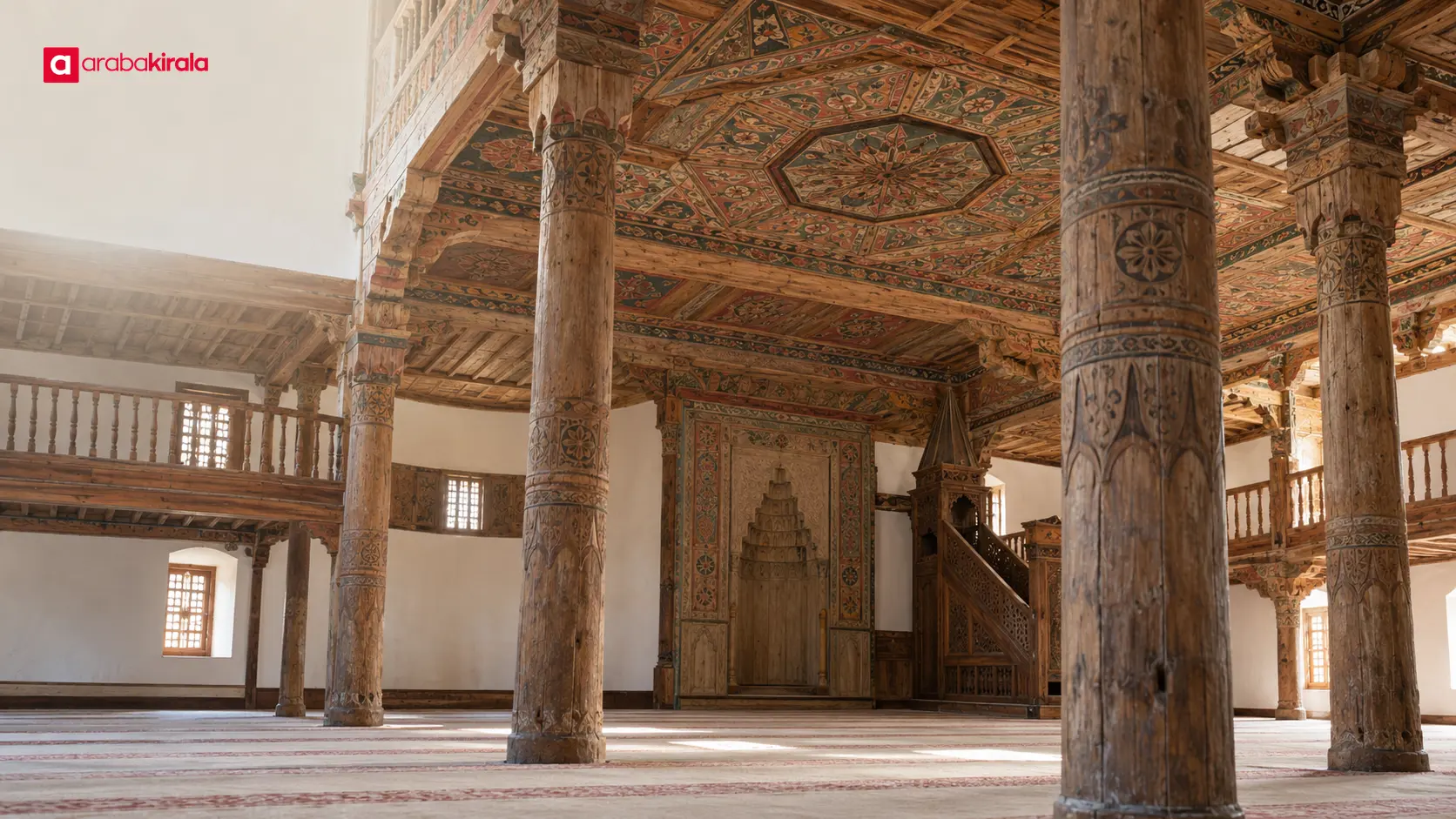
Mahmut Bey Mosque was built in 1366–1367 during the Candarid period. It forms part of the Wooden Hypostyle Mosques of Medieval Anatolia, a serial property inscribed on the UNESCO World Heritage List. “Hypostyle” describes an interior in which rows of columns or posts support the roof or ceiling. At this mosque, the relationship between the stone exterior, timber supports, ceiling and decorative woodwork gives visitors a way to understand the building as a whole, rather than simply stopping for a photograph.
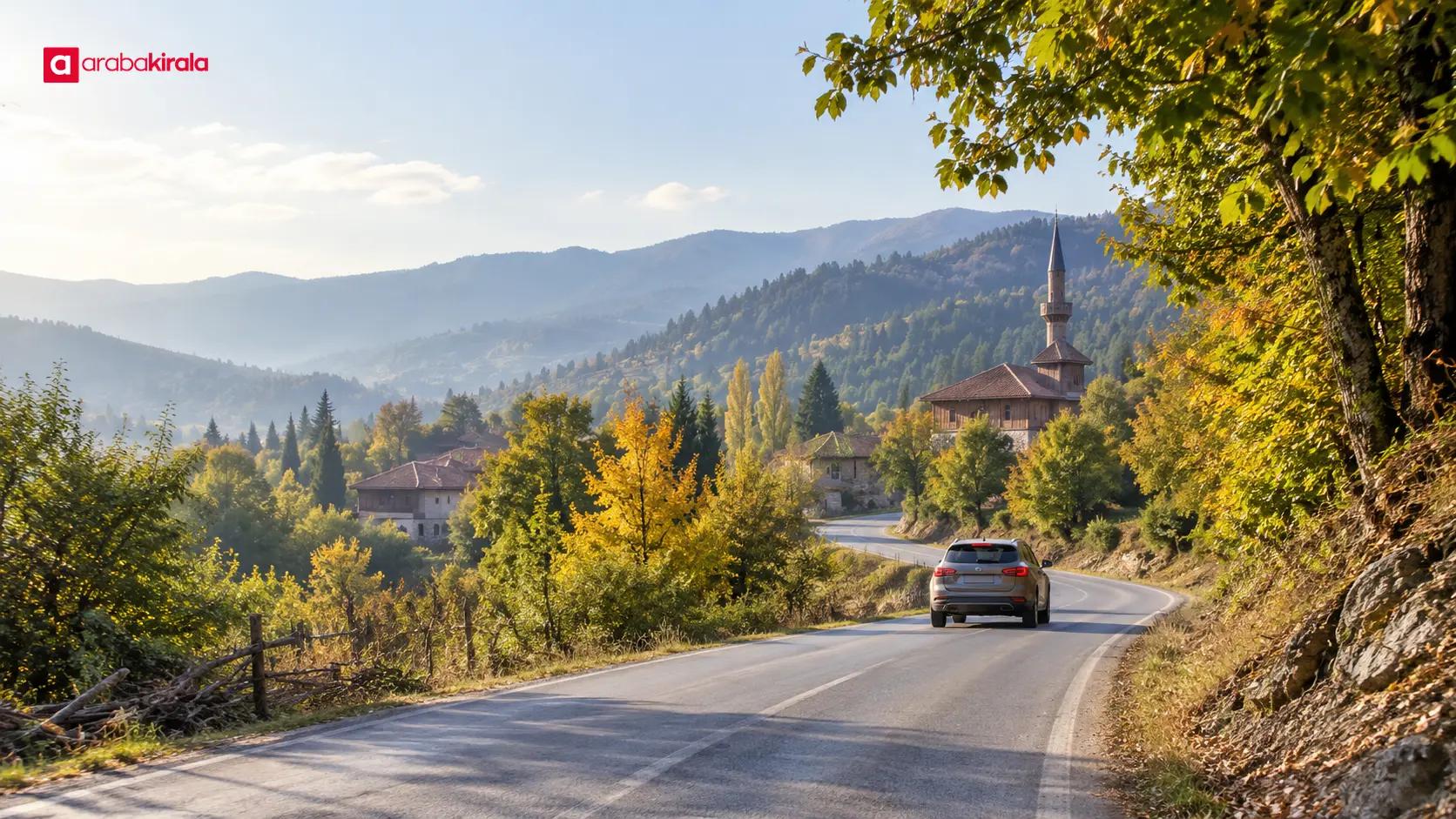
Before leaving your accommodation, search for Kasaba Köyü Mahmutbey Camii in a current map app and review the route. Check that the suggested route reaches the village and that its final section suits the conditions and vehicle you are using. Mapping information on rural roads may not be equally detailed everywhere, so follow safe driving practice and local directions at junctions. The distance given by official sources is a general orientation, not a promise of a door-to-door journey time.
Before you set off
- Check the weather and road conditions for the day. Adjust your departure time and driving pace if rain, fog or snow is expected.
- Look over the vehicle’s fuel or charge level, visible tyre condition, lights and washer fluid before the drive. Arrange professional assistance before setting off if you notice a fault.
- Charge your phone and consider downloading an offline map. Set up navigation while parked; the driver should not handle the screen while moving.
- If you are using a rental vehicle, ask the branch you will rent from how vehicle condition and fuel or charge levels are recorded, and what contact channel to use for roadside assistance. These details can depend on the reservation and vehicle.
- Bring water, clothing appropriate to the season and personal essentials. Do not assume every service will be open or readily available around the village.
The drive and arrival
Reviewing the route once before leaving Kastamonu city centre can reduce rushed decisions at junctions. A passenger can follow navigation while the driver concentrates on the road. On rural roads, avoid overtaking where visibility is limited, and choose a speed suited to the surface and what you can see ahead. If you need to stop, choose a safe place with clear visibility that does not obstruct traffic. Do not leave the vehicle on the carriageway or where it blocks sightlines to take a photograph or check a map.
On arrival, observe vehicle and pedestrian movement around the mosque. Use a designated parking area if one is available; otherwise, avoid blocking access routes, entrances or neighbouring property. Take care if a narrow village road requires reversing, and check the area before moving. If there is not enough room for another vehicle to pass, wait at a suitable place. Follow any local directions about parking for visitors and residents.
How to look at the mosque’s architecture
The exterior is notable for its stonework, while the interior is largely defined by timber elements. Wooden posts support the ceiling, and geometric and plant-inspired motifs appear across decorated surfaces. Official cultural sources also describe the wooden roof’s corbelled construction and traditional painted decoration. These features suggest a useful order for looking: first notice the supporting structure, then take in the ceiling and the craft on the wooden surfaces. Observe without touching, and respect both the building’s conservation needs and its use as a place of worship.
When interior access is available, spend a few quiet minutes noticing how light enters and how the timber elements shape the space. Permission to take photographs, visitor access and worship arrangements may vary, so follow posted guidance and ask a site attendant briefly if one is present. Keep voices low, avoid photographing people at prayer, and leave passageways clear. Avoid leaning on historic surfaces or touching furnishings; keeping food and drink out of unsuitable areas also helps protect the site.
What to know about the historic door
The official Culture Portal says that the mosque’s historic wooden entrance door is preserved at the Kastamonu Ethnography Museum. The entrance door seen at the mosque is therefore not the original object. This context is useful when considering the craftsmanship at the site. If a museum visit fits your itinerary, check its current opening and visitor information through its official page. Seeing a conserved element in a museum and visiting the mosque are different experiences; one does not replace the other.
Allow time for the visit and return
Include time at the mosque as well as the drive, and account for prayer times and any visitor-access arrangements. These details can change, so check current official local tourism information close to the day of your visit or ask at the relevant site. If you cannot verify opening arrangements, avoid building the entire day around a narrow time window. Leave some room for daylight, weather and driver fatigue on the return to town.
You do not have to take the same road back, but assess any alternative route for road quality and navigation coverage before choosing it. Do not select an unfamiliar rural road just because it appears shorter. If you notice fatigue, distraction or worsening weather, take a break in a safe and suitable place. Avoid stopping at a roadside spot that limits visibility. If a warning light or unusual vehicle behaviour appears after the outing, seek assistance rather than continuing to place demands on the vehicle.
A practical visit checklist
- Search the destination by its correct name and review the route before departure.
- Check weather, road conditions and current visitor information close to the visit.
- Prepare the vehicle for safe use and leave navigation tasks to a passenger or handle them while parked.
- Park in a way that respects village access and daily life.
- Treat the mosque as both a place of worship and a historic structure that needs protection.
- Allow time for the return, breaks and changing road conditions.
In brief: a calm, prepared route
A visit to Mahmut Bey Mosque in Kasaba Village involves driving beyond Kastamonu’s centre and setting aside time to appreciate its timber architecture. Start by checking the route and current visitor information, then follow local parking and access guidance in the village. At the mosque, notice the stone exterior, wooden supports and decorative scheme, and respect local directions about photography and access. Your next step is to choose a visit date, check official cultural information, and leave enough time for the drive from your accommodation and the return.
Frequently Asked Questions
How far is Mahmut Bey Mosque from central Kastamonu?
The Ministry of Culture and Tourism’s Culture Portal places the mosque about 18 kilometres from Kastamonu. This approximate distance does not specify a driving time, which depends on your starting point, route and current road conditions. Check a current map before setting off.
When was Mahmut Bey Mosque built?
Official sources date the mosque to 1366 or 1366–1367. It dates from the Candarid period and is known for its timber-post and timber-ceiling construction.
Is the mosque on the UNESCO World Heritage List?
Yes. Mahmut Bey Mosque is one of five components of the Wooden Hypostyle Mosques of Medieval Anatolia, a serial property inscribed on the World Heritage List in 2023.
What are the opening hours and can visitors enter?
Visitor access, opening arrangements and worship schedules can depend on current conditions. Check official local tourism information before your trip and follow directions at the mosque or from site staff.
Can I see the mosque’s historic wooden door during my visit?
The Culture Portal says the historic door is preserved at the Kastamonu Ethnography Museum. The door at the mosque is a later counterpart. Verify the museum’s current display and visitor information separately.
What should I confirm before visiting in a rental car?
In addition to the route, weather and visitor arrangements, ask the branch you will rent from about vehicle handover and return records, roadside-assistance contact details and vehicle-specific instructions. These details can vary by branch and reservation.
Legal Disclaimer: All content, articles and information on the Araba Kirala website are provided solely to inform users. No information shared on this website constitutes definitive advice or guidance. Araba Kirala Teknoloji A.Ş. and its authors cannot be held responsible for any direct or indirect damages arising from the application of information on the website. For all questions and requests regarding car rental, please contact the office from which you will rent your vehicle.












