
How Battery Preconditioning Affects Cell Temperature in Electric Cars
Published: October 27, 2026 • Reading Time: 7 min • Last Updated: October 27, 2026
Learn how battery preconditioning affects cell temperature, charging, and energy use, and what to check when driving an electric car in winter.
Contents
- Why battery cell temperature matters
- How preconditioning warms the cells
- Effects on charging and driving in cold weather
- Charging power and waiting time
- Range and cabin comfort
- When is preconditioning useful?
- Collecting and using a rental electric car
- Practical winter driving checklist
- Summary and next step
- Frequently Asked Questions
Electric car battery preconditioning is a thermal management process that aims to bring battery cells closer to a temperature range suited to charging or driving. This guide explains why cell temperature matters, how preconditioning can affect charging and range, when the function may operate, and what to check before driving in cold weather.
Why battery cell temperature matters
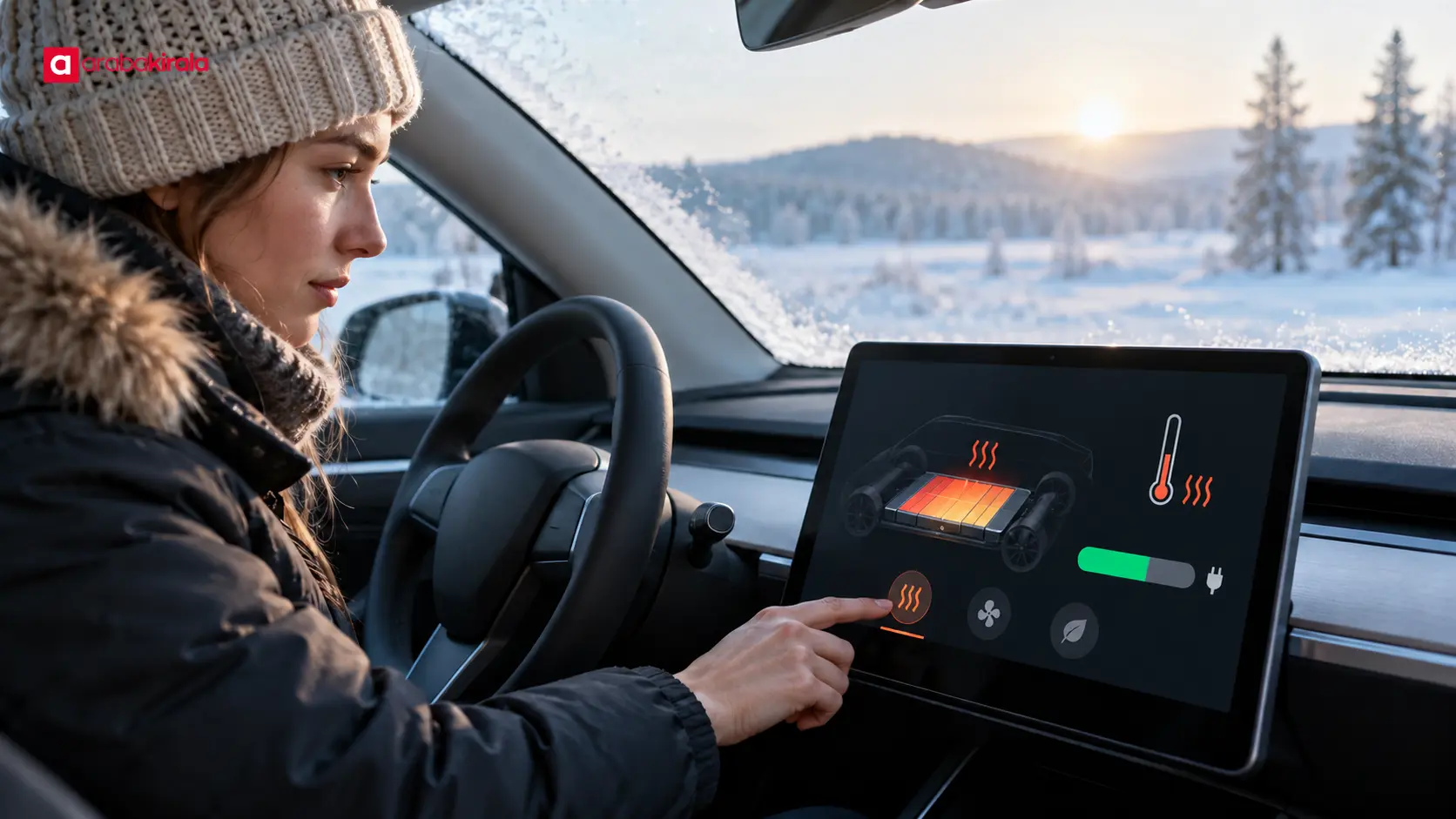
A battery pack contains many cells that store electrical energy, along with control systems that monitor them. Cell temperature affects how readily the battery can accept or deliver energy, the charging power it can support, and whether thermal management needs to run. Temperature alone does not describe the battery’s full condition: chemistry, charge level, use history, and vehicle design also matter.
In cold conditions, electrochemical processes inside cells can slow down. To protect the battery and manage its operating conditions, a vehicle may limit charging power or energy output. The way this appears differs between models. A driver might see lower power on the charging screen or notice that cabin heating draws on available energy.
High temperatures are not desirable either. Thermal management is meant to keep cells within the operating conditions set by the manufacturer, not to heat them as much as possible. Preconditioning is one part of that balancing process.
How preconditioning warms the cells
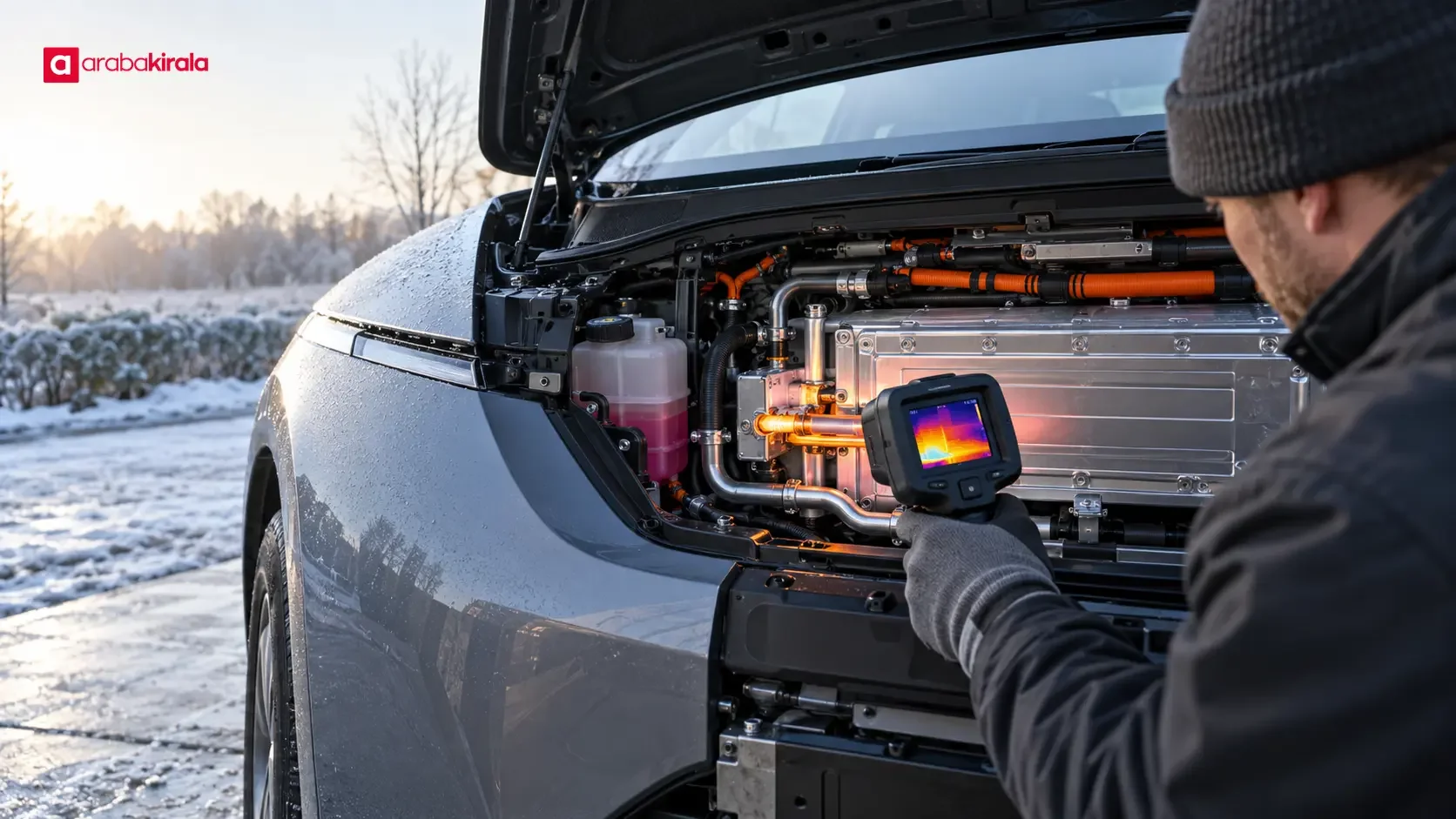
The vehicle monitors battery temperature through sensors and control software. When needed, it may use electrical energy from the battery to generate heat, circulate coolant, or run another thermal management arrangement. In some vehicles, selecting a fast charging point in navigation can start battery preparation automatically. Others let the driver select preconditioning from the vehicle screen or an app. The function’s name, scope, and triggers vary by model.
Preconditioning does not bring every cell to the same temperature instantly. The system measures battery pack conditions and adjusts gradually toward its operating targets. Ambient temperature, how long the car has been parked, the drive duration, and the battery’s current state can all affect the time and energy involved. A single temperature reading on the screen may not mean that every cell has warmed evenly.
Effects on charging and driving in cold weather
Charging power and waiting time
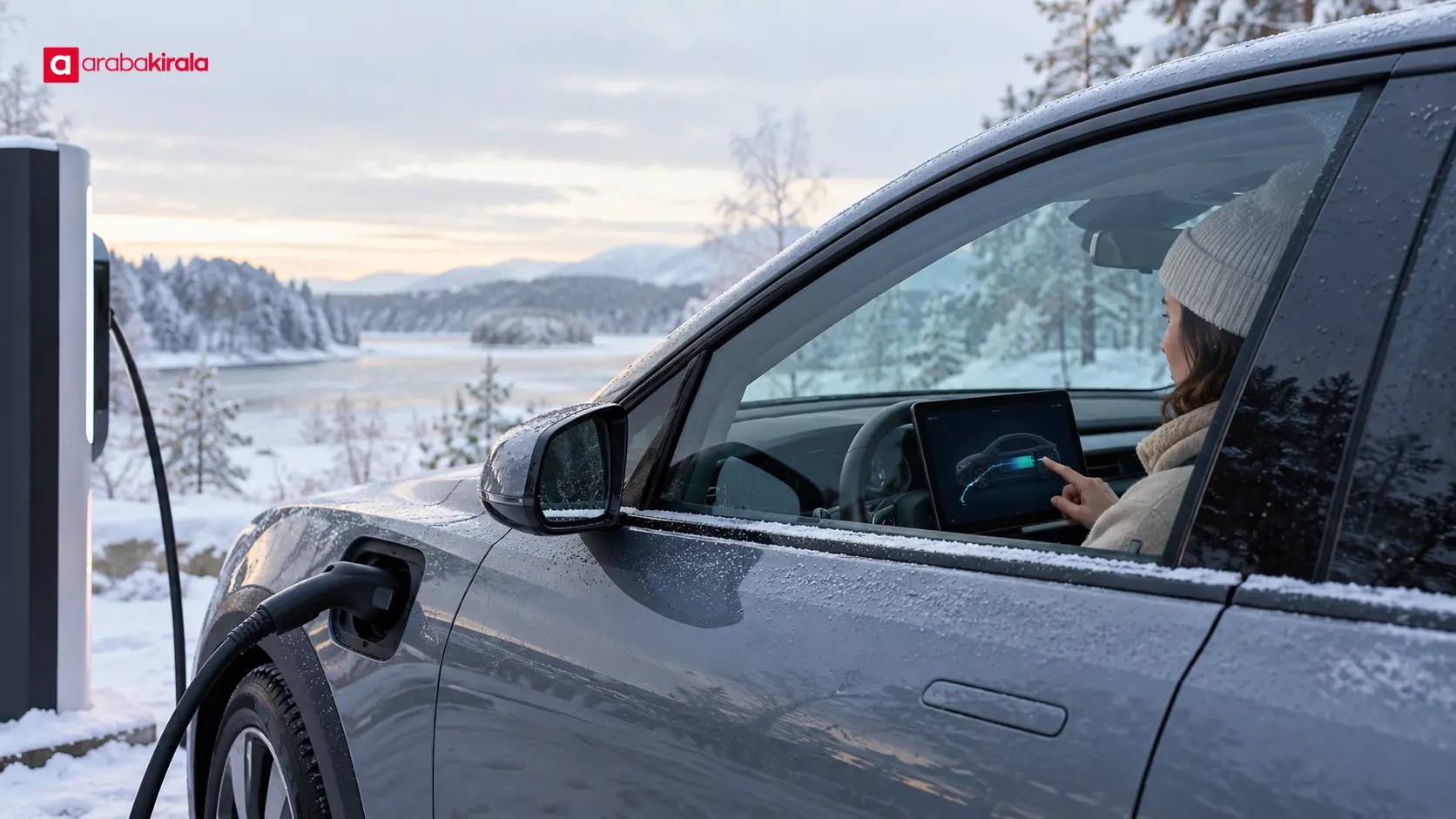
A cold battery may limit how quickly it accepts energy, especially during high-power DC charging. Bringing the battery closer to a suitable temperature beforehand can help the system raise charging power, but it does not guarantee a particular speed or duration. Charging power also depends on battery state of charge, the power available from the charger, the vehicle’s thermal management, and other conditions. A drop in power as the battery fills is also part of the normal charging curve in many vehicles.
If you plan to use fast charging, check the owner’s manual for how battery preconditioning works in that vehicle. Find out whether entering a charging point in navigation activates the system, whether you need to start it in advance, and which indicators appear on screen. For a rental vehicle, ask the branch you are collecting it from about the controls on that specific car; operation can vary from one vehicle to another.
Range and cabin comfort
Energy used to warm the battery contributes to the vehicle’s overall consumption. Heating the cabin, clearing fogged windows, and keeping the battery in suitable conditions can all draw on the same energy supply. It would be inaccurate to attribute a winter range reduction to preconditioning alone. Low air temperature, short trips, speed, road gradient, tire pressure, and heater use can also affect consumption.
If the vehicle supports it, scheduling cabin preconditioning while the car is plugged in can improve comfort at departure and may reduce the energy drawn from the battery. The feature is not presented or operated the same way in every vehicle, so follow the owner’s manual. Before driving, make sure ice and fog are not blocking your view through the windows.
When is preconditioning useful?
Preconditioning can be particularly useful when the battery is cold and you plan to use a high-power charger during a trip. If the vehicle has been parked in the cold for a long time and a fast charge is coming up, check the navigation or vehicle settings for battery preparation. On a short city trip, the battery may already be approaching its operating temperature, so starting a separate process may not be necessary. The vehicle manages this using its own temperature and use data.
Before setting out, consider the battery’s state of charge, estimated range, and charging options along the route together. An estimated range is a calculation that can change with conditions, not a promise. Leave a reasonable energy margin for a winter journey, and check current sources for the availability and access of charging points before travelling. If the vehicle displays a warning about charging or preconditioning, follow the guidance in its manual.
Collecting and using a rental electric car
When collecting the vehicle, locate the battery temperature display, preconditioning settings, and the controls for opening and closing the charging port. Review the manual sections on driving, charging, and warning indicators. Ask the branch where you are collecting the vehicle how battery preparation is activated on that car and how its charge level is recorded at handover. These are vehicle-specific operating details, so do not assume a single process applies across a whole company.
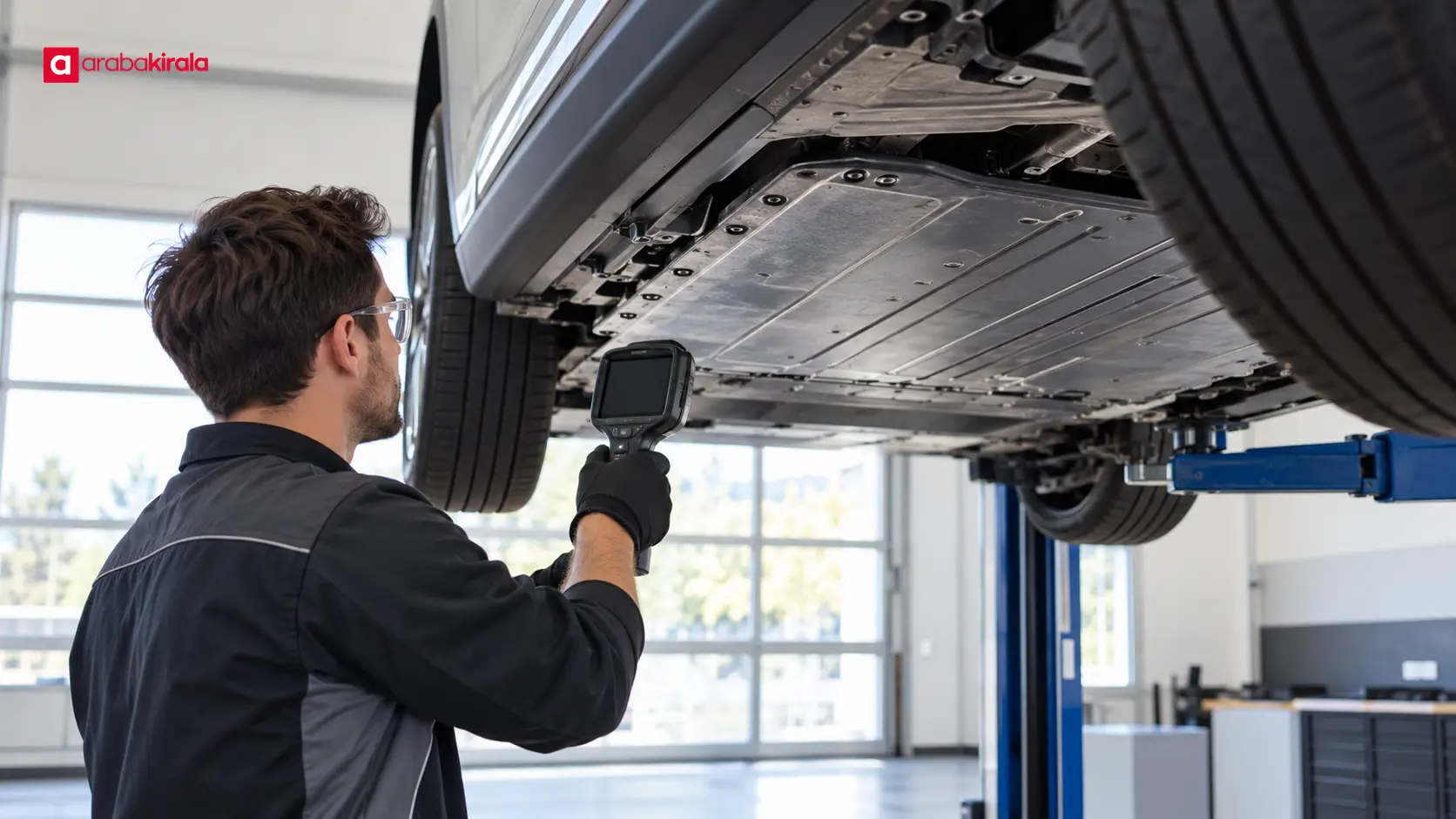
Before charging, check that the cable and connector have no visible damage. Follow the vehicle screen and manufacturer’s instructions when connecting and disconnecting the cable. If a warning about battery temperature, charging power, or system malfunction appears, do not ignore it; take the step recommended in the manual. Do not try to open or work on a high-voltage battery compartment.
Practical winter driving checklist
- Consider expected weather, route, and charging needs together before setting out.
- Learn how to activate battery preconditioning in the vehicle settings or owner’s manual.
- If you are planning a fast charge and the car supports it, use navigation to select the charging point and enable battery preparation.
- Monitor charging power and temperature indicators; do not treat momentary readings as a fixed performance promise.
- Keep windows clear, check that tire pressures meet the vehicle manufacturer’s guidance, and adapt speed to road conditions.
- Follow the manufacturer’s instructions if a battery or charging system warning appears; do not continue if it is unsafe.
Summary and next step
Electric car battery preconditioning helps manage the charging and energy-delivery conditions of cold cells. Moving toward a suitable temperature can support a more effective start to fast charging, but the result depends on vehicle design, battery condition, and the surrounding environment. Preconditioning uses energy and does not guarantee a particular range or charging speed. Before driving, review the relevant vehicle settings and manual; for a rental, ask the collection branch about the functions on that specific car.
Frequently Asked Questions
Is battery preconditioning the same as cabin preconditioning?
No. Cabin preconditioning prepares the passenger area for comfort, while battery preconditioning manages cell operating temperature. Some vehicles offer these functions together or separately. Check the function descriptions in the vehicle settings and owner’s manual.
Does battery preconditioning always make fast charging quicker?
It can help a cold battery accept a charge more effectively, but it does not guarantee higher power in every situation. State of charge, charger capacity, vehicle design, and thermal management also affect the result.
How long before charging should I start preconditioning?
The time depends on the vehicle model, the battery’s starting temperature, and weather conditions. Instead of assuming a fixed number of minutes, follow the vehicle’s readiness information and manufacturer guidance.
Does a lower estimated range in cold weather mean the battery is faulty?
A lower range estimate alone does not diagnose a fault; cold weather and cabin heating can increase energy use. If a warning persists, performance loss seems unusual, or charging is not working properly, consult the owner’s manual and seek support when needed.
Does the vehicle need to be plugged in during preconditioning?
That depends on the vehicle design and the preconditioning function being used. Check the owner’s manual to see whether a charging connection is required, and do not assume the same procedure applies to every model.
Legal Disclaimer: All content, articles and information on the Araba Kirala website are provided solely to inform users. No information shared on this website constitutes definitive advice or guidance. Araba Kirala Teknoloji A.Ş. and its authors cannot be held responsible for any direct or indirect damages arising from the application of information on the website. For all questions and requests regarding car rental, please contact the office from which you will rent your vehicle.












