
What Affects Electric Car Energy Use in Cold and Wet Weather?

Published: October 18, 2026 • Reading Time: 7 min • Last Updated: October 18, 2026
Learn how cold, rain, heating, tires, speed and route conditions affect electric car energy use, and how to plan winter journeys with a realistic view of range.
Contents
- Why cold weather can affect electric car consumption
- Cabin heating and clearing fogged windows
- Rain, wet roads and tires
- Speed, wind, traffic and route profile
- How to read the range estimate and consumption data
- Practical planning for a cold, wet journey
- Plan around conditions, not one number
- Frequently Asked Questions
Electric car cold weather consumption depends on several factors working together: battery temperature, cabin heating, speed, rainfall, tires and the route itself. This guide explains why energy use can change in winter, how to read the range estimate on the dashboard, and how to plan a wet-weather journey. There is no single consumption figure that applies to every vehicle or trip; conditions and vehicle design matter.
Why cold weather can affect electric car consumption
Lithium-ion batteries continue to operate in cold conditions, but temperature affects how their cells exchange energy. The battery management system may use energy to keep the battery within an appropriate operating range or to manage charging safely. If a car has been parked in the cold, the battery and other components may be below their preferred operating temperature at the start of a trip. As a result, the first part of a short journey can use more energy than a longer, steady drive.
This does not mean the battery is damaged or that range will fall by the same amount on every cold day. The effect depends on temperature, the vehicle’s thermal management, where it was parked, trip length and driving speed. When comparing readings from different days, consider the route, traffic and cabin temperature as well.
Cabin heating and clearing fogged windows
Unlike a combustion-engine car, an electric vehicle does not have engine waste heat available to warm the cabin. It uses electricity for cabin heating and, where needed, to manage battery temperature. Heating systems differ by model: some vehicles use a heat pump and others use a different design. The vehicle category alone cannot tell you exactly how much energy heating will use.
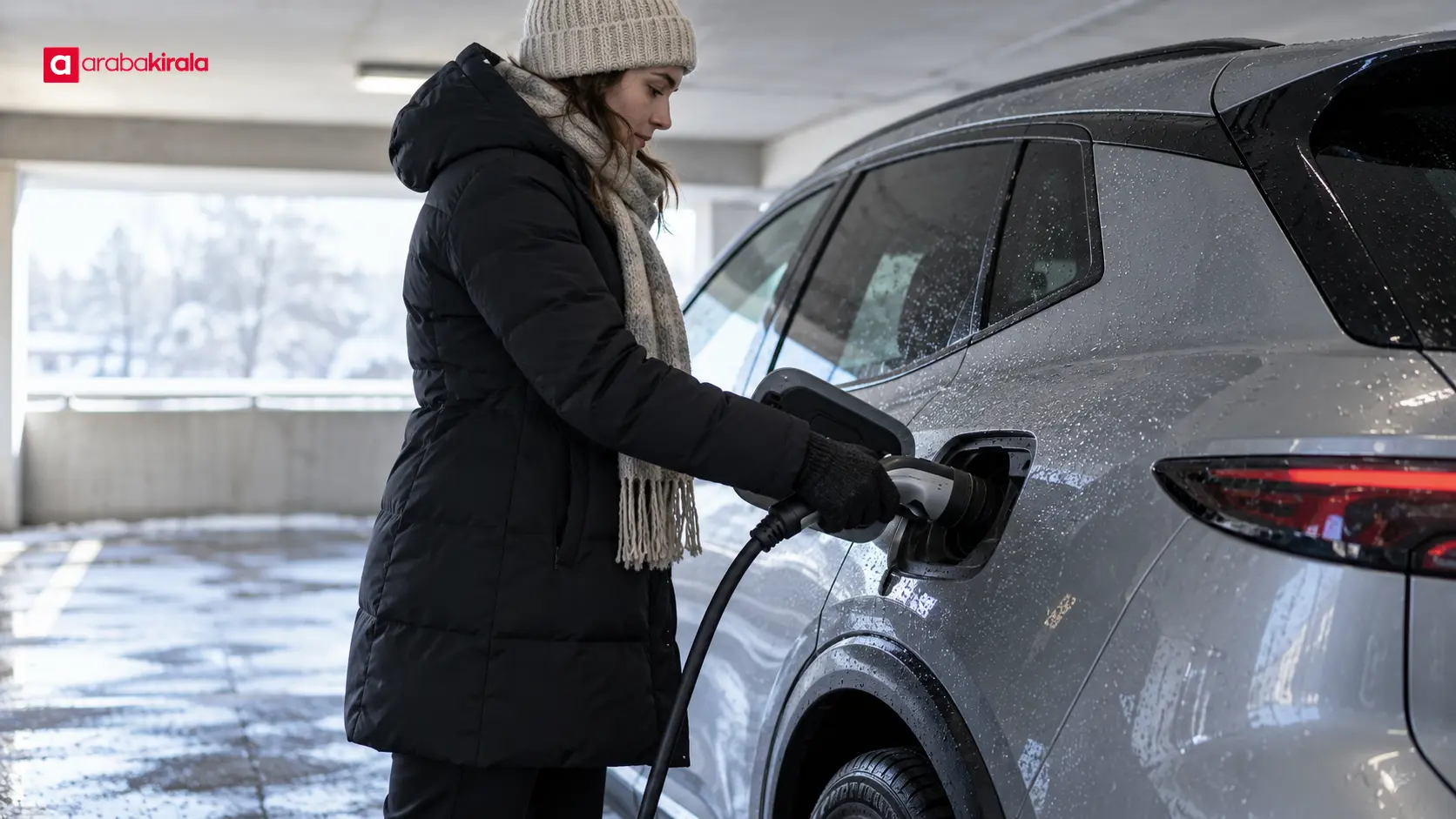
Bringing a cold cabin quickly to a high temperature can make the heating system work harder. If the vehicle offers scheduled climate control and supports using it while connected to a charger, preparing the cabin before departure may reduce the energy drawn from the battery during the drive. Check the owner’s manual for how the feature works. Seat or steering-wheel heating, if fitted, warms occupants through direct contact and may reduce the need to set the cabin to a very high temperature.
Clearing fog from the windows is essential for visibility. Do not reduce energy use by compromising a clear view or switching off ventilation needed to keep the windscreen clear. Set the climate system to maintain safe visibility. Clean windows and a dry cabin can also help limit fogging.
Rain, wet roads and tires
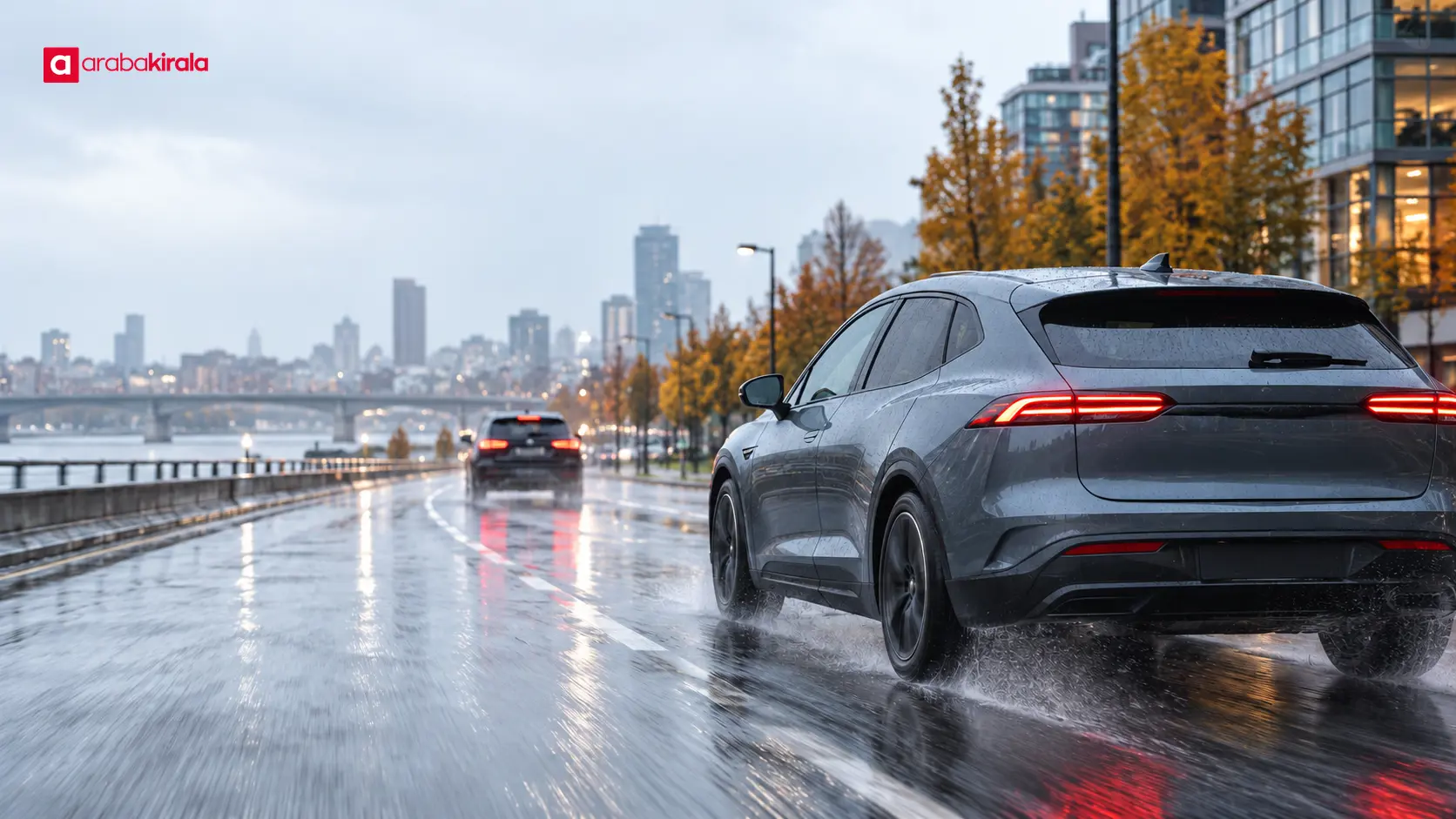
In rain, tires move through water and their contact with the road changes. Water, standing puddles and the texture of the surface can increase resistance against the wheels. The car may therefore need more energy than it would on a dry, smooth road. Heavy rain, standing water and wind can make the difference more noticeable, but the effect varies with the route and speed.
Tire pressure matters too. Pressure can drop in cold conditions, and tires outside the manufacturer’s recommended pressure can affect rolling resistance and energy use. Do not raise pressure arbitrarily: use the vehicle maker’s specified values and check pressure when the tires are cold. Tires that suit the season and have no damage or excessive wear support both grip and safety.
Wet roads can increase stopping distance and the risk of losing grip, so adjust speed and following distance to conditions. Saving energy should never take priority over safe driving. Avoid driving quickly through puddles; if water depth or road conditions are unclear, choose a safer route.
Speed, wind, traffic and route profile
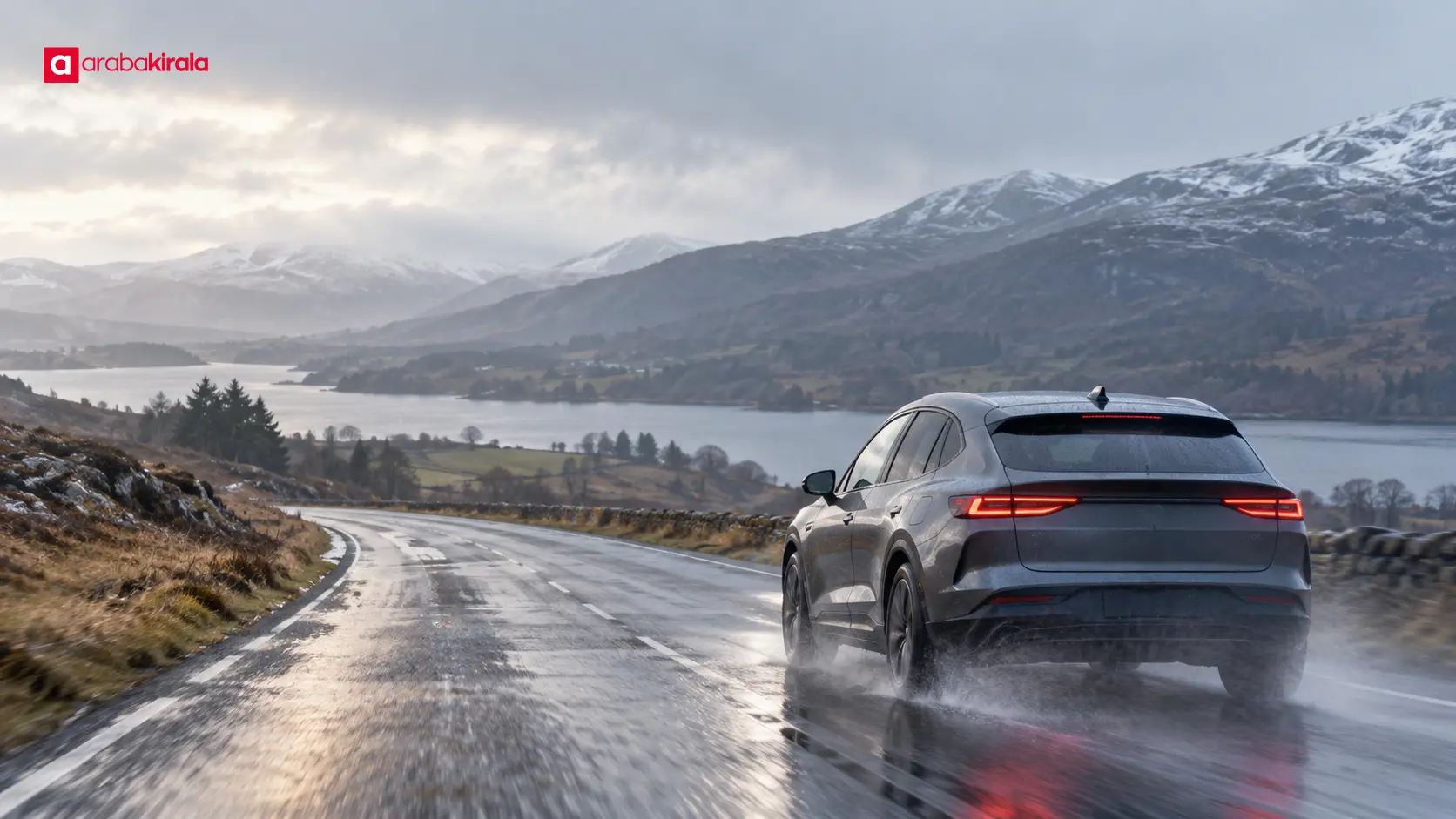
The effect of aerodynamic drag grows as speed increases. In cold weather, a headwind can raise the vehicle’s speed relative to the air even when the windows are closed, increasing the energy required to move forward. Lower speeds are already important for safety in wet conditions. A steady, anticipatory pace can also reduce abrupt acceleration and braking.
Stop-and-go traffic, short trips and hills can also change consumption. Regenerative braking can return some energy to the battery as the vehicle slows, but the amount depends on conditions and system limits. It does not recover all the energy used, and on slippery roads controlled driving matters more than aggressive deceleration. Climbing uses energy, while descending may recover some; considering the whole route is more useful than judging a single section.
How to read the range estimate and consumption data
The range shown on the dashboard is an estimate that relates usable battery energy to recent or expected consumption. Some systems may account for recent driving, temperature, climate control and route information. The displayed number is not a guaranteed distance for every condition. A cold morning, higher speed or intensive heating can lower the estimate; it may change again with milder weather or steadier driving.
To compare consumption, look beyond the starting and ending range numbers. If available, review the vehicle’s energy-use display alongside the conditions of the trip. Route length, average speed, outside temperature, rain, cabin settings and cargo all help explain what you see. When conditions differ, do not treat the readings as a definitive efficiency ranking between vehicles or days.
Practical planning for a cold, wet journey
- Check the destination, charging options along the route and alternatives before setting off. Charging locations and access details can change, so verify current information before the journey.
- Read the vehicle’s range estimate in light of the weather and route. Allow a reasonable energy margin for cold, rain, headwinds, higher speeds or hilly roads.
- Before driving, check tire pressure when the tires are cold and follow the vehicle maker’s guidance. Make sure the windows, headlights and wipers support clear visibility.
- Avoid unnecessary hard acceleration and drive in a way that anticipates traffic. Set speed and following distance for safe visibility and grip on wet roads.
- For a rental vehicle, ask the branch where the charging port is, whether a cable or adapter is supplied, how to view consumption data and how any climate preconditioning feature works. Equipment can differ between vehicles.
Plan around conditions, not one number
Cold and wet weather consumption reflects battery temperature, cabin heating, tire pressure, resistance from water, speed, wind and route profile. Treat the range estimate as a helpful value that can change with conditions, plan around charging options, and keep safe driving ahead of energy saving. If you need details about a particular rental vehicle’s equipment or operation, ask the branch where you will collect it.
Frequently Asked Questions
Why can an electric car have less range in cold weather?
The battery may need energy management when cold, and cabin heating draws electricity. Higher speeds, headwinds, short trips and road conditions can also increase consumption. The size of the effect depends on the vehicle and the journey.
Does rain increase electric car consumption?
Wet surfaces and standing water can increase resistance as the vehicle moves. Wind, low temperatures and slower or stop-and-go traffic that accompany rain can also affect total consumption. The effect is not identical in every rainfall.
Will using less cabin heat preserve range?
A lower cabin setting may reduce energy use, but do not compromise visibility or safe, comfortable driving. Keep the climate controls needed to clear the windscreen operating. If fitted, seat heating can be used according to your comfort.
Can I warm the car before setting off?
If the vehicle has scheduled climate control and supports using it while connected to a charger, preparing the cabin before departure may improve comfort and reduce heating energy drawn from the battery while driving. Operation varies by model, so check the manual.
Can I rely on the range shown on the dashboard?
It is an estimate, not a promise. Recent driving and current conditions may influence it, while weather, speed, load and heating can change during the trip. Consider route charging options as well as the displayed value.
What should I learn about a rented electric car?
Ask about the vehicle’s charging connector, included cable or adapter, range and consumption displays, and any climate preconditioning feature. Equipment and operation vary by vehicle, so the branch where you collect it can provide the relevant details.
Legal Disclaimer: All content, articles and information on the Araba Kirala website are provided solely to inform users. No information shared on this website constitutes definitive advice or guidance. Araba Kirala Teknoloji A.Ş. and its authors cannot be held responsible for any direct or indirect damages arising from the application of information on the website. For all questions and requests regarding car rental, please contact the office from which you will rent your vehicle.












