
How Does an Electric Car Slow Down When You Release the Accelerator in One-Pedal Driving?
Published: October 15, 2026 • Reading Time: 6 min • Last Updated: October 15, 2026
Learn how an electric car slows when you lift off the accelerator, how regenerative braking works, and how to use one-pedal driving safely.
Contents
- What does one-pedal driving mean?
- What happens when you lift off the accelerator?
- The electric motor helps slow the car
- Regeneration and the friction brakes are different
- Why can the deceleration feel different?
- Getting used to one-pedal driving
- What to check before collecting a rented electric car
- Summary and next step
- Frequently Asked Questions
One-pedal driving in an electric car lets the driver accelerate with the accelerator and begin slowing by easing off that same pedal. This guide explains what happens when you lift your foot, how regenerative braking contributes, why the response can vary, and when to use the brake pedal.
What does one-pedal driving mean?
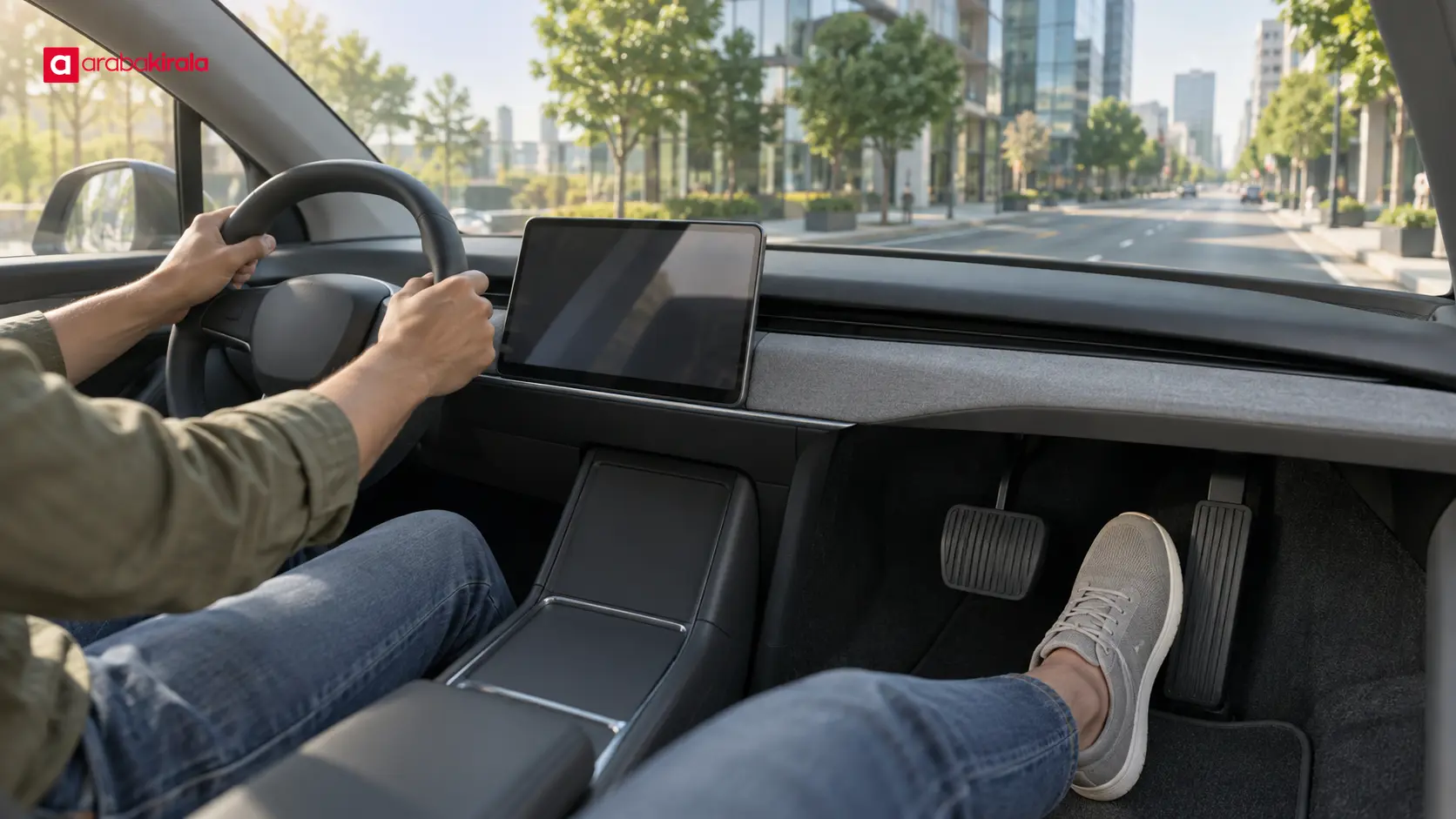
The term does not mean that the car has only one pedal. It still has an accelerator and a brake. In a one-pedal setting, the accelerator’s travel provides a broader way to control speed: pressing it requests more drive power, while lifting off requests deceleration. Depending on the vehicle, selected setting, and conditions, the car may slow to a complete stop or continue creeping at very low speed. The owner’s manual explains the behavior for a specific model.
This driving mode can reduce how often a driver moves a foot between pedals when traffic repeatedly speeds up and slows down. It does not reduce the need to pay attention. Keep watching the road, leave adequate space from other vehicles, and be ready to use the brake pedal when the situation calls for it.
What happens when you lift off the accelerator?
The electric motor helps slow the car
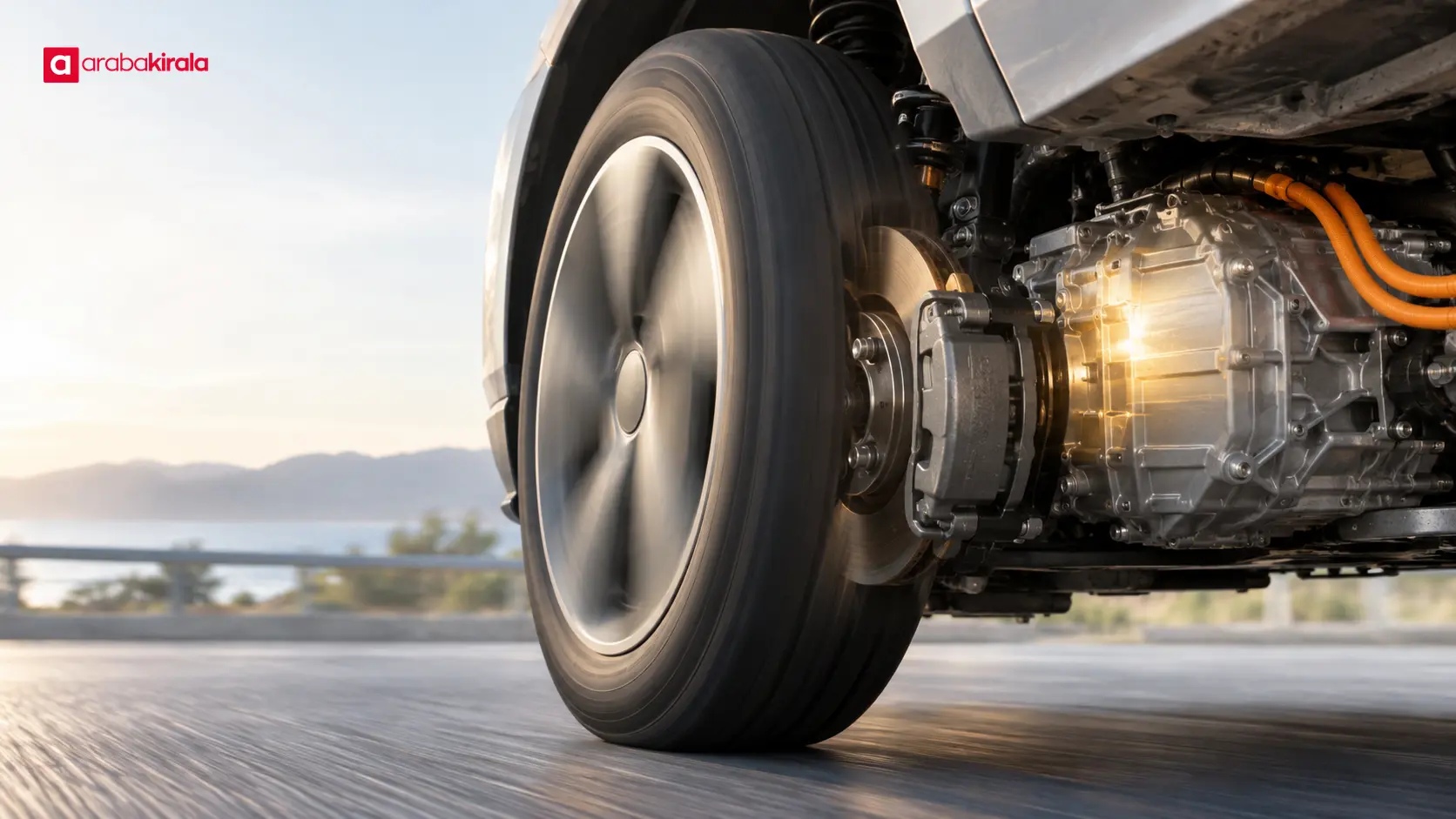
Many electric cars can use their drive motor to recover some energy during deceleration. When the accelerator is released, the car reduces drive power according to its setting. It may then use the motor like a generator: the moving wheels turn the motor, which produces electrical energy that can be directed back to the battery. This process is called regenerative braking, or simply regeneration.
As the motor generates electricity, it resists the wheels’ rotation. That resistance helps reduce the car’s speed. The amount of deceleration the driver feels depends on the vehicle and the accelerator position. Some cars allow fine speed adjustment through small pedal movements, while lifting fully may request stronger deceleration.
Regeneration and the friction brakes are different
Regenerative braking slows the car through the motor while recovering energy. Friction braking uses the braking system to slow wheel rotation. In everyday driving, the vehicle may coordinate both methods depending on the brake pedal input and system conditions. The practical point is simple: do not rely exclusively on energy recovery. Use the brake pedal normally whenever more deceleration or a controlled stop is needed.
The amount of energy recovered is not constant. Battery state of charge and temperature, the condition of the motor and battery systems, road slope, and vehicle settings can all affect regeneration. If the battery is close to full, the car may limit regeneration, and releasing the accelerator may produce less deceleration than expected. An energy-flow or power display can help show what the system is doing at that moment, but the indicators vary by model, so check the manual.
Why can the deceleration feel different?
One-pedal response depends on the car’s software and the regeneration level selected by the driver. Some vehicles let the driver change deceleration with a drive mode or steering-wheel controls. Others put the setting in a menu or manage it automatically. When you first use a car, learn its response in a calm, safe setting while following traffic rules.
Road and weather conditions also affect how the car feels. Sudden speed changes can reduce tire grip on wet, icy, or loose surfaces. On a downhill, the car may tend to gain speed; do not assume that lifting off alone will maintain the speed you want. Use the brake pedal as needed for the slope and traffic. Adjust speed to visibility and road conditions, and leave enough space ahead.
If regeneration is limited, the car may not slow as much as you expect in the selected setting. Notice the change early, lift off sooner, and use the brake pedal smoothly if needed. Do not treat one-pedal driving as a feature that shortens stopping distance or guarantees an emergency stop.
Getting used to one-pedal driving
- Read the vehicle manual first: Find out how the setting is activated, how deceleration responds, and whether the car can come to a standstill.
- Use gradual pedal movements: When appropriate, reduce accelerator input smoothly instead of lifting abruptly. This makes the car’s response easier to judge.
- Leave a safe gap: Keep a distance suited to speed and road conditions. Do not assume regenerative deceleration alone will bring the car to a stop.
- Keep using the brake pedal: Press it when you need stronger or more controlled deceleration. Do not rest your foot on the brake while the car is moving.
- Learn low-speed and parking behavior: Auto-hold, hill behavior, and creeping can differ by model. Check the manual before relying on these functions.
What to check before collecting a rented electric car
At pickup, ask for a brief explanation of whether one-pedal driving is enabled and how the driving settings are changed. Find out where to select the regeneration level, what the car does when it comes to a stop, and what the relevant dashboard indicators mean. Pedal response differs from one vehicle to another, so do not assume it will feel like an electric car you have driven before.
Menus, drive modes, and the information available at handover can depend on the vehicle and branch. Ask the branch you are renting from about the controls and features of the car in your reservation, and what you can check during pickup. Before setting off, adjust the seat, mirrors, and driving settings. Avoid changing menus while driving if doing so would distract you.
Summary and next step
In one-pedal driving, lifting off the accelerator reduces drive power and, in many electric cars, regenerative braking helps slow the vehicle. Both the energy recovered and the deceleration felt can change with battery conditions, road conditions, and the selected setting. Learn the vehicle’s behavior from its manual, leave a safe following distance, and use the brake pedal when needed. If you are renting an electric car, ask the pickup branch to explain its pedal response and relevant controls before you set off.
Frequently Asked Questions
Does one-pedal driving bring the car to a complete stop?
Some vehicles can stop fully when the accelerator is released, depending on the setting and conditions. Others may continue to creep at very low speed. Check the manual for the car you will use.
Do the brake lights come on when I lift off?
Brake-light behavior depends on the vehicle’s deceleration level and design. Do not assume every model responds the same way; consult the manual’s explanation of brake lights and regenerative deceleration.
Does regenerative braking always charge the battery?
Energy recovery may occur during deceleration, but the amount varies and does not mean the battery’s charge will always increase. Battery charge, temperature, and system limits can reduce or temporarily restrict regeneration.
Do I still need the brake pedal in one-pedal mode?
Yes. Use the brake pedal when stronger deceleration, a controlled stop, or emergency braking is required. One-pedal driving does not fully replace the brake pedal or guarantee a stopping distance.
How do I turn off one-pedal driving?
The control varies by model and may be in a drive-mode menu, vehicle settings, or a separate control. Follow the manual and make sure the car is safely stopped before changing a setting.
Legal Disclaimer: All content, articles and information on the Araba Kirala website are provided solely to inform users. No information shared on this website constitutes definitive advice or guidance. Araba Kirala Teknoloji A.Ş. and its authors cannot be held responsible for any direct or indirect damages arising from the application of information on the website. For all questions and requests regarding car rental, please contact the office from which you will rent your vehicle.












