
Electric Vehicle Battery Recycling: Collection, Dismantling and Material Sorting
Published: October 30, 2026 • Reading Time: 7 min • Last Updated: October 30, 2026 • Author: Merve B.
Learn how end-of-life electric vehicle batteries are collected, safely removed, dismantled and separated into material streams. Understand why the process requires specialist facilities and careful handling.
Contents
- Why does battery recycling need a specialist process?
- 1. Collection and facility intake
- 2. Removing the pack and managing electrical hazards
- 3. Dismantling the pack into components
- 4. Processing cells and sorting materials
- 5. What happens to recovered materials?
- What should vehicle users and battery owners do?
- Summary and next step
- Frequently Asked Questions
Electric vehicle battery recycling is the process of collecting battery packs that have reached the end of their useful life or are unsuitable for further use, removing them from vehicles safely and separating their materials for further processing. This guide explains the main stages, from intake at a facility through dismantling and the sorting of materials recovered from cells. It also explains why these packs require different handling from ordinary scrap metal and what vehicle owners should keep in mind.
Why does battery recycling need a specialist process?
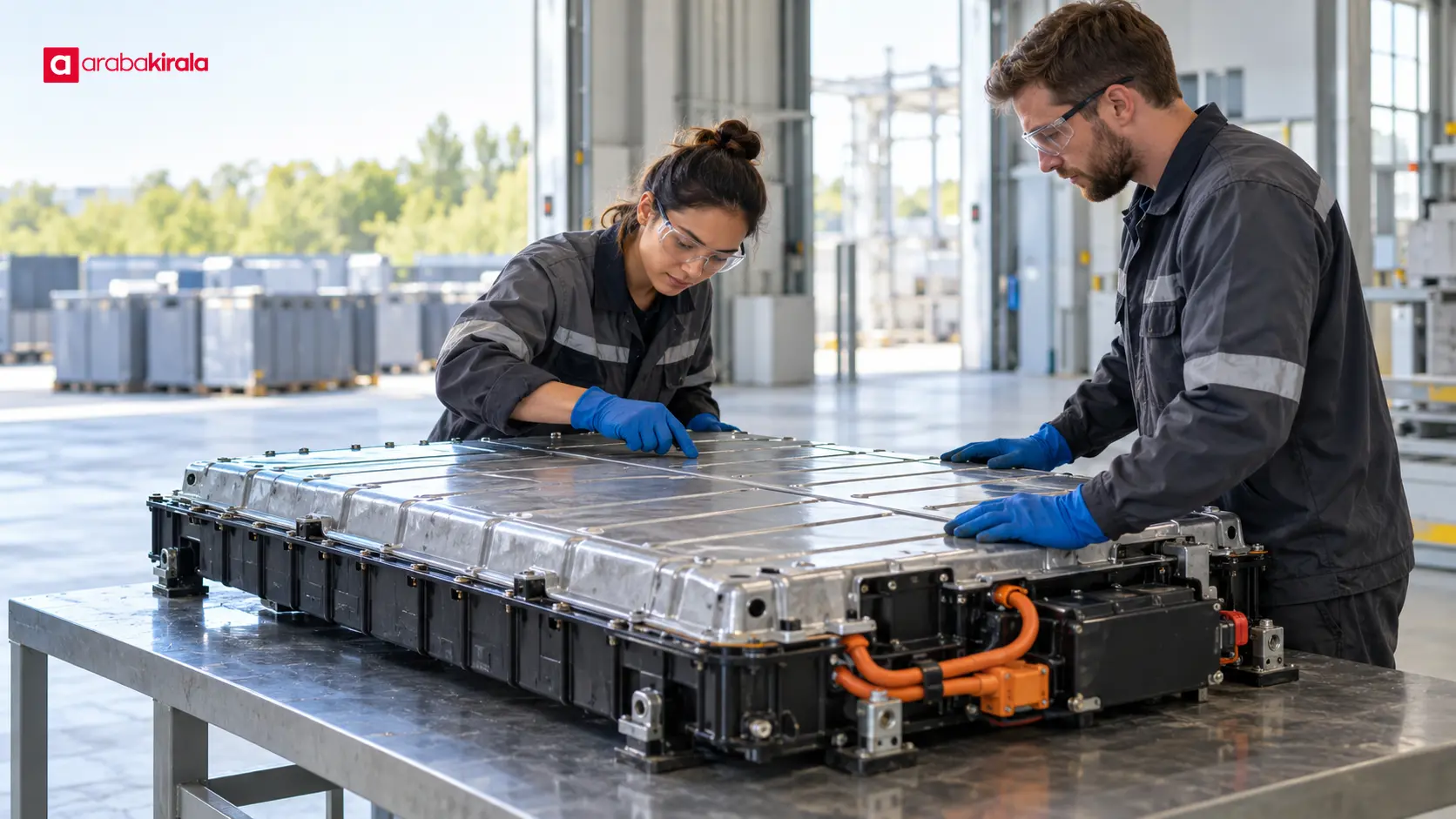
An electric vehicle battery pack brings together many cells, electrical connections, a protective enclosure and components that monitor or manage temperature. Because the cells store energy, removing a pack from a vehicle does not automatically eliminate electrical hazards. A pack that has been damaged, exposed to water or overheated may need a different assessment from one that appears intact. Collection and processing therefore require suitable facility controls, trained personnel and safe working procedures.
The goal is not simply to crush a battery. The process must also separate different components and material types in a controlled way, prepare recoverable resources for the next stage and manage potential hazards. Battery chemistry, design and condition can affect the process plan, so one method should not be assumed to fit every pack.
1. Collection and facility intake
The process begins when an end-of-life battery, or a vehicle containing one, is brought to an appropriate collection and processing point. If the pack is still in the vehicle, transport is planned according to the vehicle and battery condition. A loose pack also should not be moved casually. If there are signs of damage, deformation, leakage, unusual odor, smoke or heat, do not attempt to handle it. Follow emergency procedures and seek qualified assistance.
At intake, a facility may record identifying information and inspect the pack’s exterior. Visible impact damage, damaged connections or known fault history can help inform the assessment. This initial review helps determine how the pack should be handled in later stages. Intake and recordkeeping procedures vary by facility and applicable workflow. Owners should check with the relevant authorized service or local waste-management authority about where and how to hand over a battery.
2. Removing the pack and managing electrical hazards
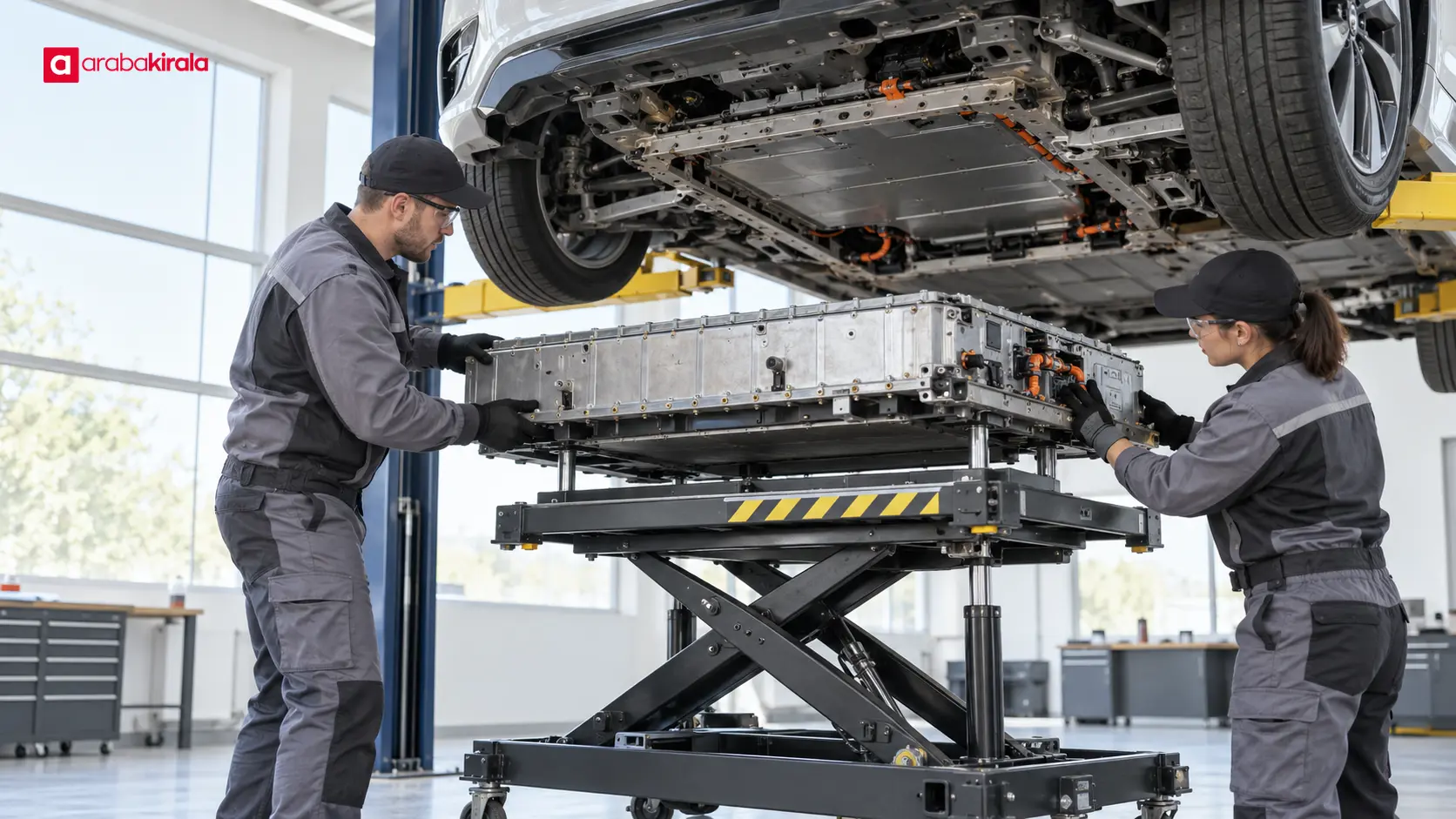
In most vehicles, the battery pack is connected to a high-voltage electrical system. People trained to understand that system carry out removal using appropriate protective equipment and tools. They assess the vehicle and battery condition, then follow a safe working method based on the manufacturer’s technical documentation. Cutting connections without a plan, ignoring the designated lifting points or moving the pack with unsuitable equipment can create risks of electric shock, short circuit, fire or physical injury.
After removal, the pack is secured for transport or temporary storage and monitored as appropriate to its condition. A battery that looks intact may still have internal damage that cannot be judged from the outside. Owners and drivers should not try to remove a pack, open its enclosure or reach its cells themselves. For a battery that needs recycling, ask an authorized vehicle service channel or local waste-management authority how to arrange appropriate delivery.
3. Dismantling the pack into components
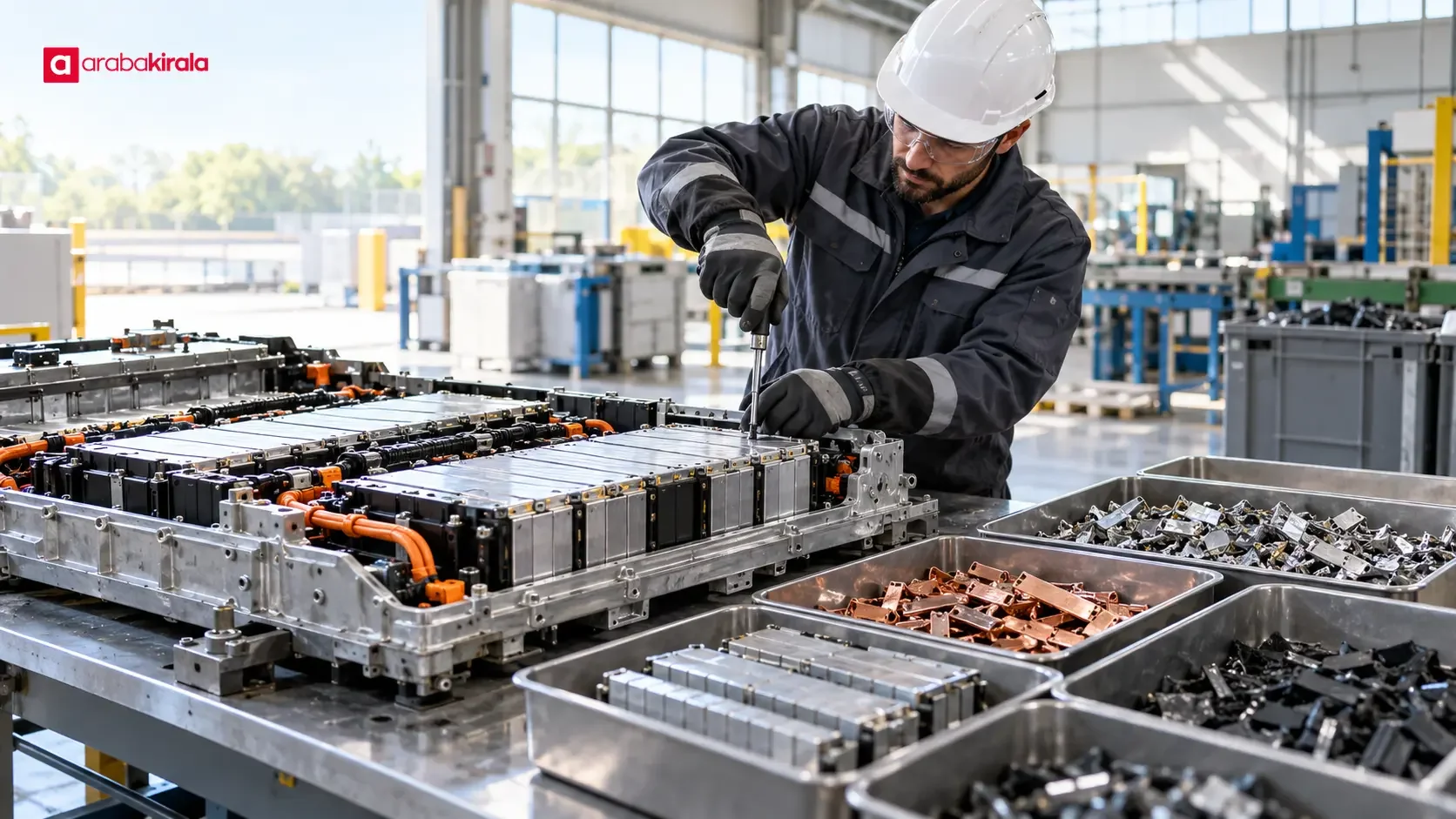
Once the pack has been assessed and prepared for safe processing, facility staff separate components such as the enclosure, cooling system, cables, control units and cell modules. The sequence depends on the pack’s design. Some systems use modules arranged as separate units; others may use adhesives or different fastening methods that make separation more complex. Design variation means there is no single dismantling sequence that applies to all batteries.
During this stage, components that may be suitable for separate reuse or further assessment are kept distinct from material streams intended for recycling. Reuse or repair is not automatic: each component must be assessed for safety and suitability. Dismantling aims to direct materials to appropriate streams while managing the risk of damaging cells during handling.
4. Processing cells and sorting materials
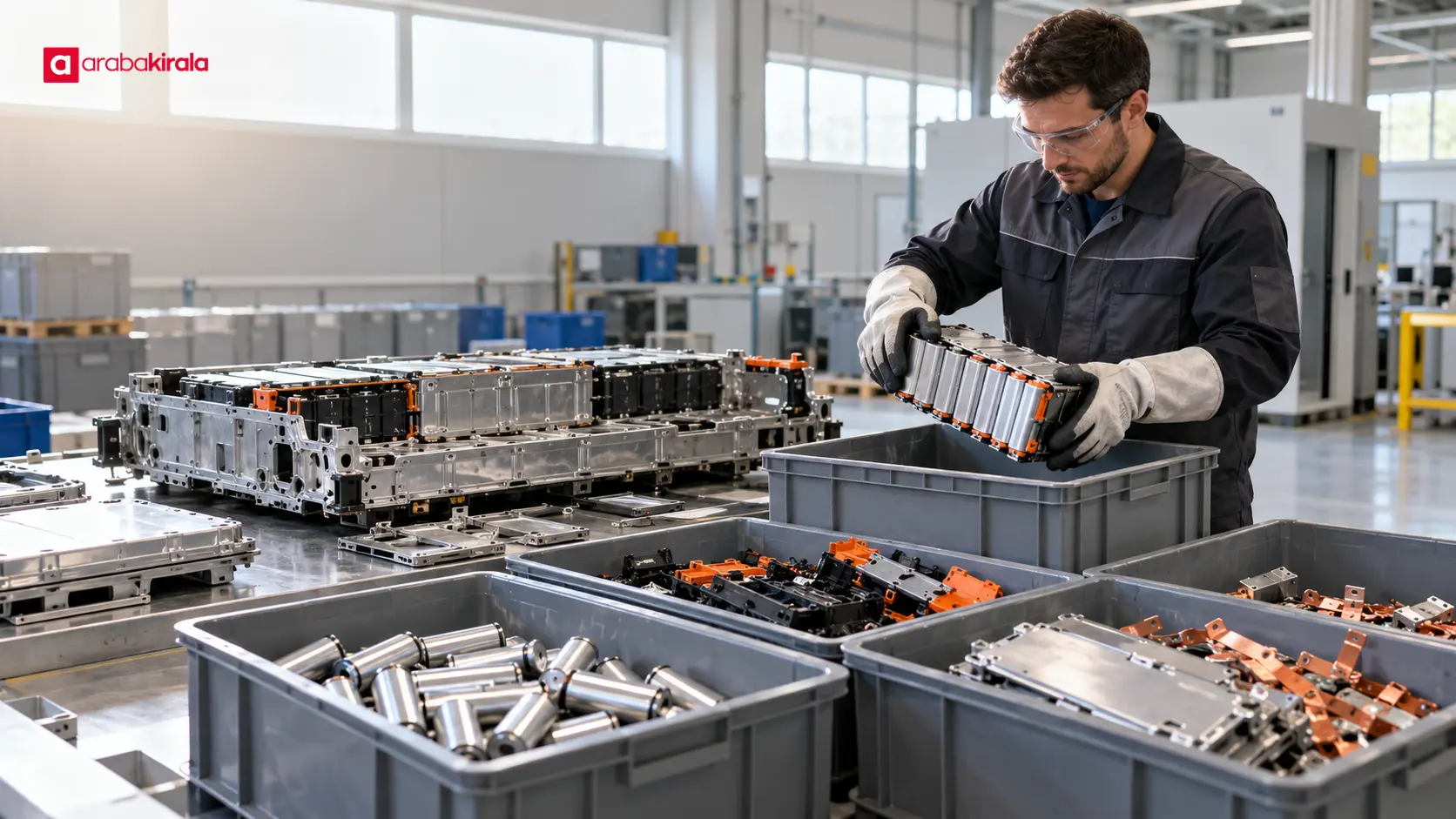
Cell processing is prepared according to the facility’s technology and the battery chemistry. Some processes mechanically reduce cells or modules into smaller pieces under controlled conditions. Screening, differences in density, magnetic properties and other physical or chemical methods may then help separate the resulting fractions. The exact processing line depends on the technology, safety design and recovery products the facility is equipped to produce.
Material groups may include metals such as copper and aluminum, steel parts, plastics and mixtures containing active electrode materials. A fine mixture of active materials is sometimes called “black mass.” The term refers to a material mixture from which valuable constituents may be recovered in later processes; it does not mean one pure substance. Elements such as lithium, nickel, cobalt or manganese may be recovered depending on the chemistry and process. It is not accurate to assume that every battery contains all of these elements or yields the same amounts.
5. What happens to recovered materials?
Separated material fractions move to further processes suited to their properties. Some metals can be reprocessed as industrial inputs, while active-material mixtures may need additional treatment to recover their constituents. These steps may take place at the recycling facility or continue at other specialist facilities. A separated material is not automatically ready for use in a new vehicle battery; it must meet relevant quality, purity and application requirements.
Recycling can support resource efficiency by allowing materials in used batteries to enter new production cycles. The extent of that contribution depends on battery type, recovery technology, material quality and the next application. It would therefore be misleading to promise a particular quantity of recovered material from every pack or a specific end product.
What should vehicle users and battery owners do?
- Do not leave a battery in household waste, an ordinary scrap collection area or a location whose suitability you have not confirmed. Ask an authorized vehicle service channel or local waste-management authority where it can be accepted.
- If the battery is damaged, heating up, smoking or producing an unusual odor, do not touch it or continue driving the vehicle. Move to a safe distance and contact emergency services or qualified technical support.
- Do not open the enclosure, disconnect wiring or improvise a transport method. Ask the relevant authorized contact about handling and the appropriate collection point.
- When arranging handover, share known information about damage, water exposure or previous faults. That history can help the receiving facility assess the pack and plan safe handling.
Summary and next step
Electric vehicle battery recycling involves collection and intake, safe removal, dismantling into components, controlled cell processing and separation into material fractions. Throughout the process, workers account for stored energy and differences in pack design; recovery results depend on chemistry and technology. If you have a battery to hand over or need one removed from a vehicle, contact an authorized service channel or local waste-management authority first to learn the safe delivery and transport route.
Frequently Asked Questions
Is an electric vehicle battery ready for recycling once it is fully discharged?
A low energy reading on a dashboard does not mean the battery pack is electrically hazard-free. Dangerous voltage may remain, and internal damage may not be visible from the outside. Assessment and dismantling should be handled by qualified personnel.
Are lithium, nickel and cobalt always recovered from a battery?
No. Battery chemistries differ, and not every type contains the same elements. Which materials can be separated depends on the pack and the recovery methods used at the facility.
Is a battery pack broken down as soon as it is removed from a vehicle?
No. Its condition and safety are assessed first, and a suitable dismantling and processing plan is established. Damage, design and facility procedures can affect the order of work.
Can an old battery be reused in another vehicle?
Some batteries or components may be suitable for another use after safety and performance assessment. This is not an automatic outcome; batteries that are not suitable may be directed to material recovery instead.
Can I transport a damaged electric vehicle battery myself?
Do not dismantle or try to move a damaged or unusually hot battery yourself. Move to a safe distance and seek direction from emergency services or qualified technical support. For a battery in normal condition, follow the receiving facility’s instructions as well.
Legal Disclaimer: All content, articles and information on the Araba Kirala website are provided solely to inform users. No information shared on this website constitutes definitive advice or guidance. Araba Kirala Teknoloji A.Ş. and its authors cannot be held responsible for any direct or indirect damages arising from the application of information on the website. For all questions and requests regarding car rental, please contact the office from which you will rent your vehicle.












