
Electric Vehicle Battery Second Life: What Happens After the Car?
Published: October 14, 2026 • Reading Time: 6 min • Last Updated: October 14, 2026
Learn how retired EV batteries are assessed, repurposed for stationary energy storage, and directed to recycling when reuse is unsuitable.
Contents
- Why can a battery outlive its usefulness in a car?
- How is a second-life decision made?
- Review the battery’s history and physical condition
- Measure capacity, power, and variation between cells
- Where can repurposed batteries be used?
- Second life and recycling serve different purposes
- Safety and responsible assessment
- A practical assessment sequence
- Conclusion: Evidence should guide a battery’s next use
- Frequently Asked Questions
An electric vehicle battery may leave automotive service when its range or power no longer meets vehicle needs, yet it may still perform a different task. If testing shows that it is suitable and safe, the battery can be repurposed for stationary energy storage. This guide explains why a retired vehicle battery may retain useful function, what assessment comes before reuse, where second-life systems can fit, and how recycling completes the picture.
Why can a battery outlive its usefulness in a car?
A battery changes over time. Its available capacity and power performance can decline, and vehicle use places specific demands on range, acceleration, reliability, thermal control, and communication with the battery management system. A battery that no longer meets those automotive expectations may be removed from vehicle service. That does not automatically mean it has lost every ability to store and deliver energy.
Stationary storage asks for a different kind of performance. The battery remains in one place, stores electricity, and releases it under a controlled system; it does not have to meet a car’s driving range or acceleration demands. A battery unsuitable for a particular vehicle task may therefore be useful in another application if its condition and safety support that role. Reuse is never automatic: each battery must be assessed on its actual technical condition.
How is a second-life decision made?
Review the battery’s history and physical condition
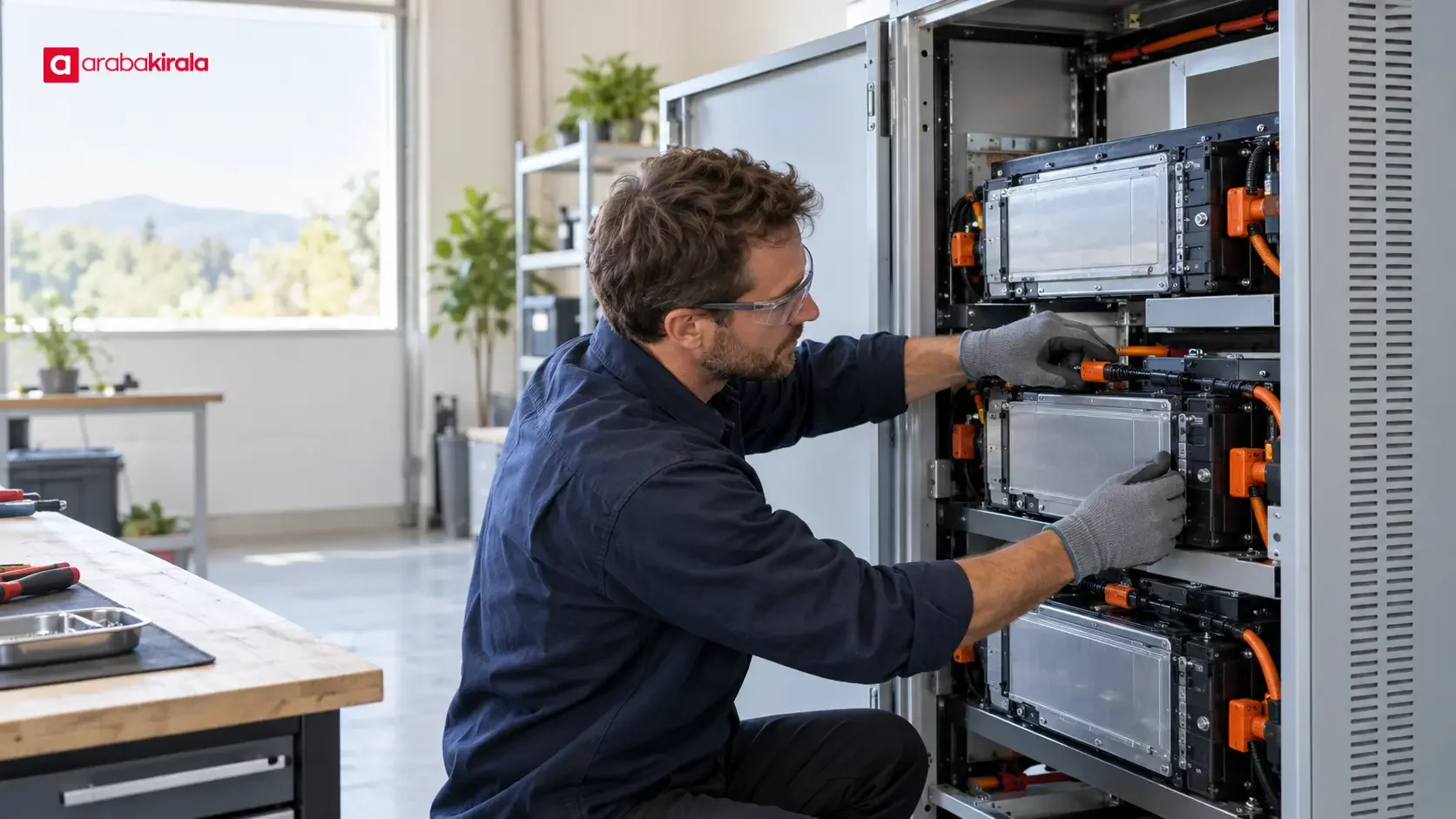
Assessment begins with available information about the battery’s identity, construction, use, and present condition. Manufacturer information, service records, and other traceable history can help specialists understand what they are examining. They also check for signs such as casing damage, deformation, fluid exposure, or unusual heat. Lithium-ion batteries store substantial energy, so a casing that looks intact does not by itself prove that a pack is safe.
Measure capacity, power, and variation between cells
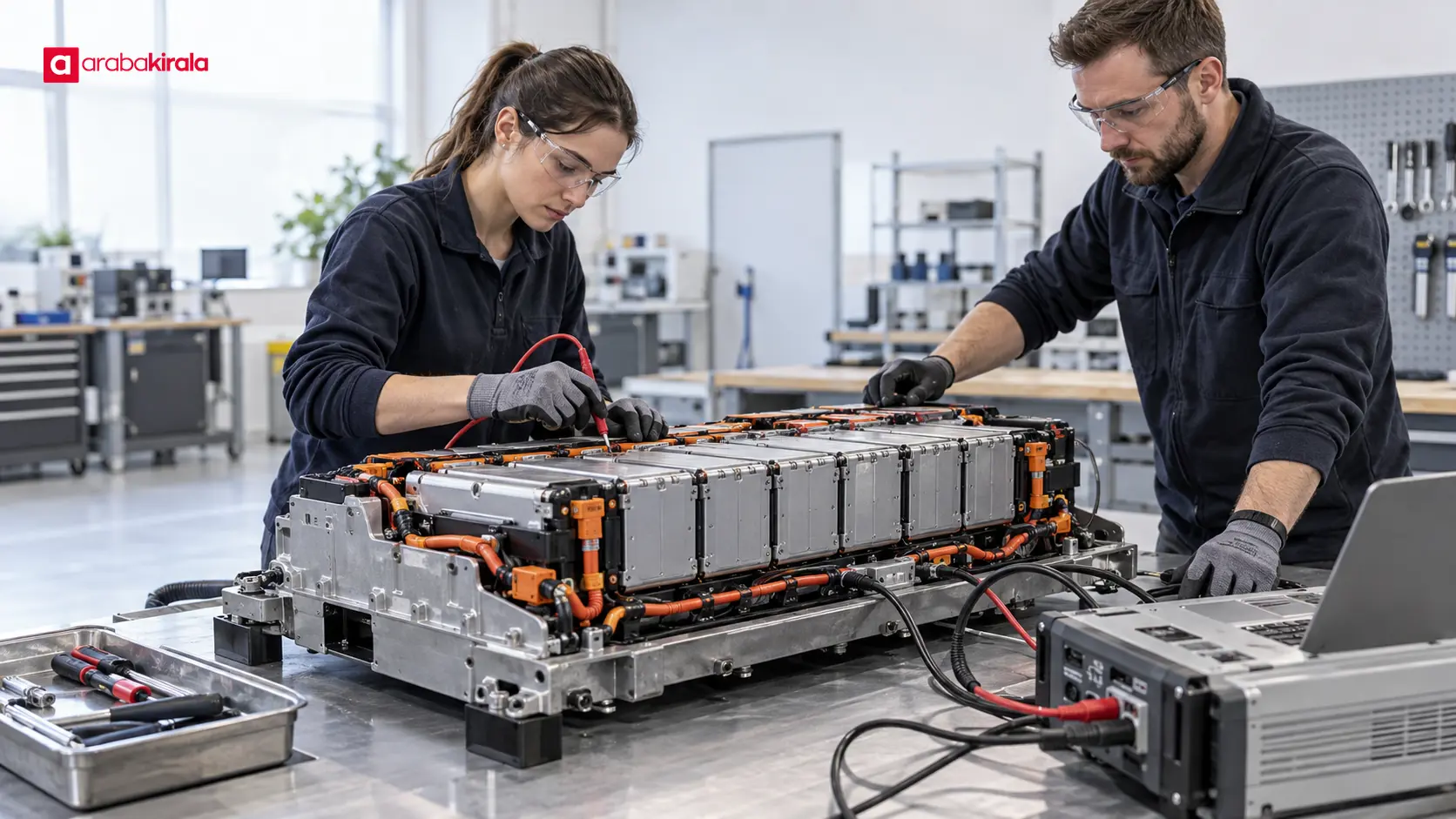
Specialist testing helps establish how much energy a battery can store and how it behaves under load. Performance differences between modules or cells can affect usable energy and the work required to balance a system. A single capacity figure is not enough: power delivery, temperature behavior, fault records, and the state of protective components all inform the design decision.
Measured performance must then be compared with the intended job. A short backup task and a longer energy-shifting task place different demands on a storage system. Usable energy, required power, operating frequency, ambient conditions, and maintenance planning all matter. Matching the battery to its task helps avoid using it in a role that could strain components beyond their suitable limits.
Where can repurposed batteries be used?
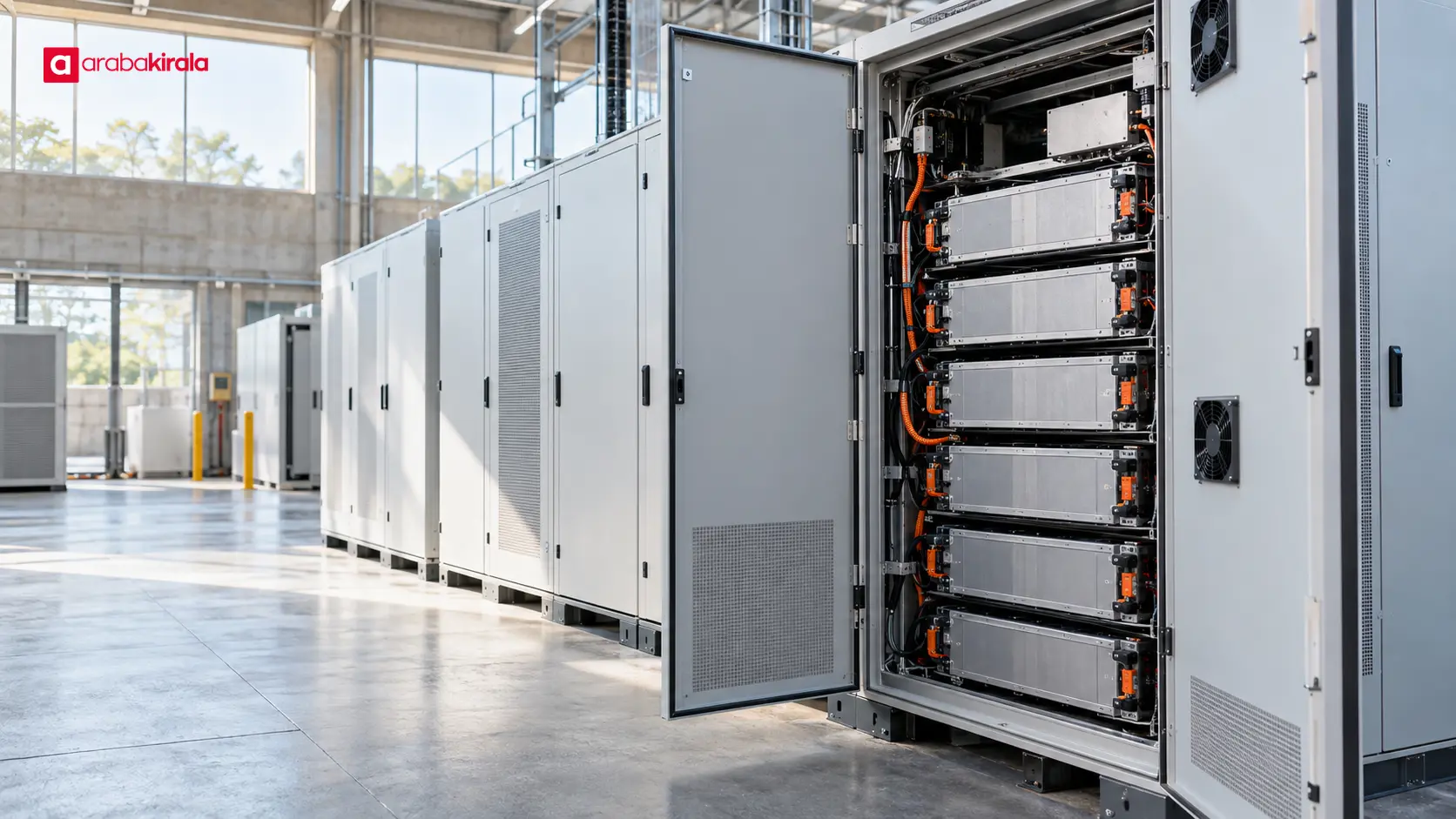
Stationary energy storage is a prominent option. A battery can be integrated into a system that works with the electrical grid or local generation. In a suitable design, it stores electricity when available and releases it later according to the system’s purpose. Applications can include support for EV charging infrastructure, energy management at commercial sites, or backup for a defined load.
This does not mean simply installing the old pack in a stationary setting. Depending on the design, packs or modules may need to be separated, matched, and reconfigured. Electrical connections, controls, protective devices, and thermal management must suit the new operating conditions. A system’s reliability depends on traceable battery history and engineering that meets the needs of the integration.
Second life is not the best route for every project. Collection, transport, safe evaluation, module selection, and integration all take work and resources. New battery costs and the project’s operating needs also affect the economics. If a battery cannot be reused safely or cannot perform efficiently in the intended role, recycling may be the more suitable route for recovering its materials.
Second life and recycling serve different purposes
Second life aims to keep a battery, or suitable components, functioning in another application. Recycling focuses on processing a battery at the end of its useful service to recover valuable materials and return them to the materials cycle. Reuse can extend the useful function of a battery; recycling helps retain material value when it is no longer suitable to operate safely or technically.
The two approaches can work in sequence. A battery or some of its modules may qualify for reuse while other components go to recycling. Once the second-use stage ends, the battery should enter an appropriate collection and recycling process. In this way, energy storage and material recovery can occupy different stages of the battery’s life.
Safety and responsible assessment
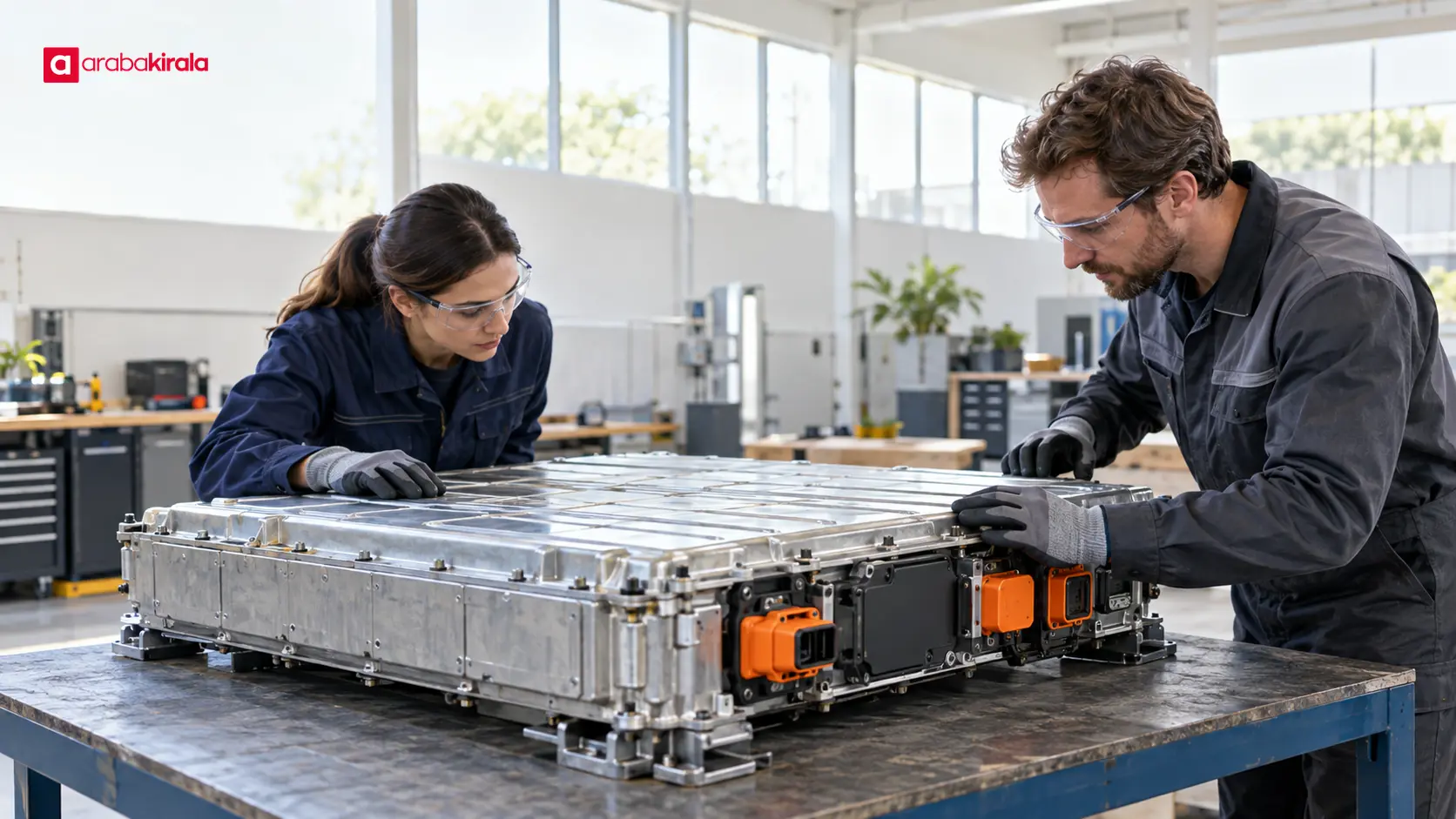
Opening a high-voltage battery pack, removing cells, or changing connections requires specialist knowledge, suitable equipment, and defined safety procedures. Puncturing a case, crushing cells, cutting cables, or moving a damaged pack casually can create serious hazards. Do not handle or dismantle a used or damaged battery yourself; contact a qualified service provider or specialist organization for safe assessment and handling.
When reviewing a second-life system, useful technical topics include battery traceability, the scope of testing, protection and thermal management, control-system compatibility, the installation environment, and the response to a fault. These are engineering considerations for designing a safe, functioning project, not fixed terms from any particular company. Conditions for battery supply or services should be confirmed with the relevant specialist provider.
A practical assessment sequence
- Document the battery’s source and history: Gather available identity, service, and usage information.
- Arrange a safe physical inspection: If damage or an abnormal condition is suspected, do not try to open the pack.
- Choose tests for the intended task: Have qualified specialists evaluate capacity, power behavior, cell balance, and protective systems.
- Define the need: Specify required energy and power, operating frequency, and environmental conditions.
- Consider reuse and recycling together: Direct suitable modules to reuse and unsuitable components to an appropriate recovery process.
Conclusion: Evidence should guide a battery’s next use
Removal from an electric vehicle does not automatically make a battery waste, but reuse should not be decided from a capacity estimate alone. History, physical condition, measured performance, safety components, and the intended application all need to be considered together. Suitable batteries can gain another role in stationary storage; those that are unsuitable should be directed to a process that recovers their materials. For a real project, start by defining the energy need and arranging a competent technical assessment.
Frequently Asked Questions
Can a second-life battery still be used in a vehicle?
The term second life usually describes adapting a battery for a different role, such as stationary storage, after automotive use. Whether a battery can be installed in a vehicle again depends on the vehicle design, battery condition, and manufacturer’s technical requirements; it should not be assumed to be suitable in general.
Can every EV battery with reduced capacity be reused?
No. Assessment also considers damage, variation between cells, fault records, temperature behavior, and protective systems. A battery with a safety or technical suitability issue should not be selected for a second-use system.
Are second-life batteries used for home energy storage?
Stationary storage is one application being considered for these batteries. A system for a home or other site must be designed by specialists around electrical compatibility, protection, thermal management, the installation environment, and applicable technical requirements. Not every battery is suitable for every building.
Is second use the same as battery recycling?
No. Second use aims to keep a battery functioning in another application. Recycling recovers materials after useful service has ended. Batteries that are unsuitable for reuse, or have completed their second-use stage, should enter an appropriate recycling stream.
Can I open and test a used battery pack myself?
No. Vehicle batteries contain high voltage and stored energy; opening the pack or interfering with its connections can cause electric shock, fire, or injury. Inspection and testing should be handled by specialists with appropriate training and equipment.
Legal Disclaimer: All content, articles and information on the Araba Kirala website are provided solely to inform users. No information shared on this website constitutes definitive advice or guidance. Araba Kirala Teknoloji A.Ş. and its authors cannot be held responsible for any direct or indirect damages arising from the application of information on the website. For all questions and requests regarding car rental, please contact the office from which you will rent your vehicle.












