
How Electric Vehicle Charging Power Sharing Works
Published: October 29, 2026 • Reading Time: 6 min • Last Updated: October 29, 2026
A charging station’s capacity is not the same as the power your car receives. Learn how shared capacity, vehicle limits, and battery conditions affect charging speed.
Contents
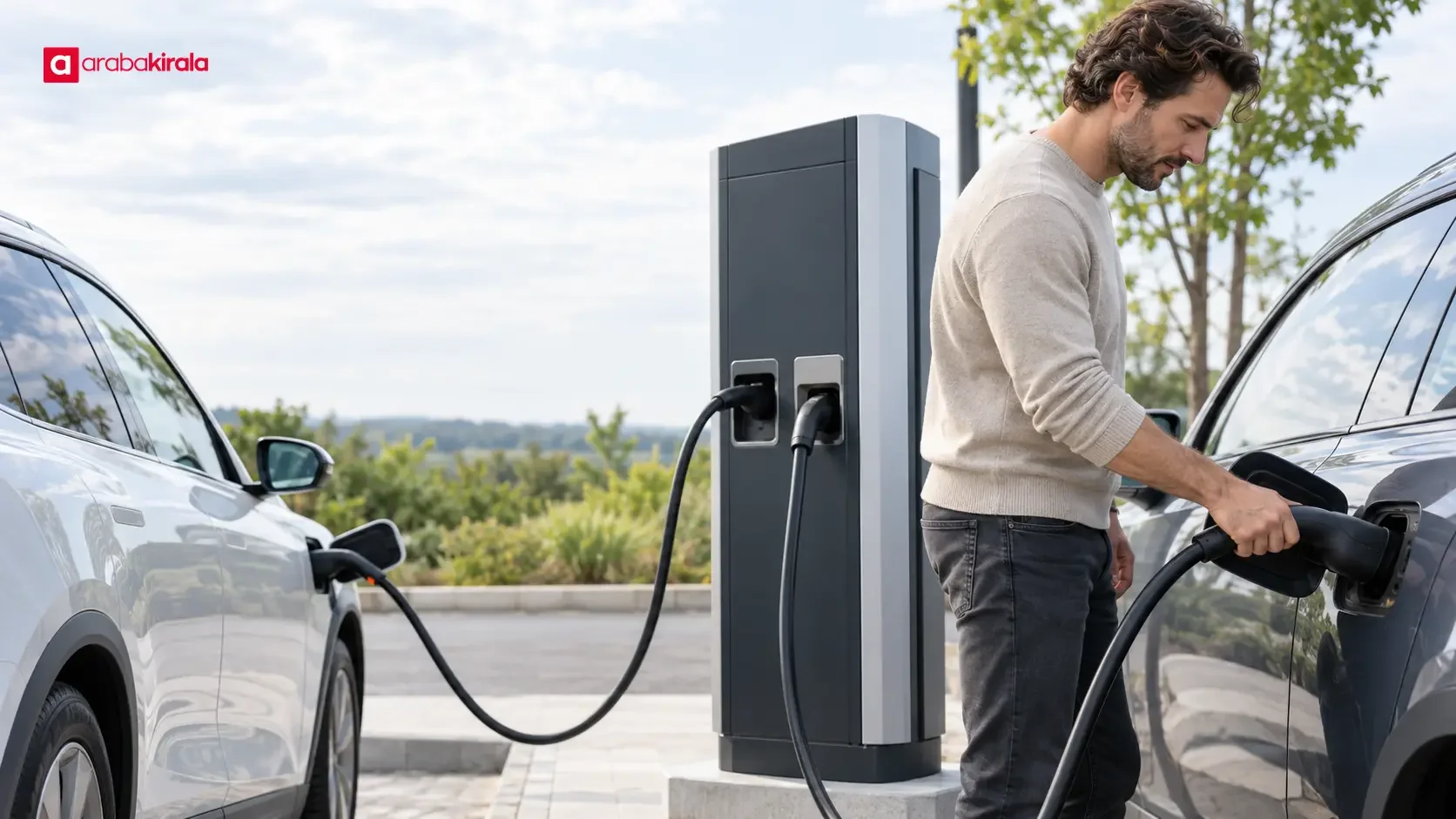
Electric vehicle charging power sharing describes how a charger or shared electrical connection distributes its available capacity among multiple vehicles. This guide explains the difference between a station’s advertised maximum and the power delivered to a car, how simultaneous charging can affect speed, and how to interpret charger displays. The goal is to help you plan charging around the combined limits of the car and station rather than a single number printed on a unit.
Station capacity and delivered power are different
Charging power is the rate at which electrical energy is transferred and is usually shown in kilowatts (kW). A value printed on a charger does not necessarily mean every vehicle will receive that amount in every situation. It may represent the equipment’s upper limit or the total capacity available to the unit. The instantaneous power reaching a vehicle depends on the connection, the vehicle’s charging capability, battery conditions, and how the station is operating at that moment.
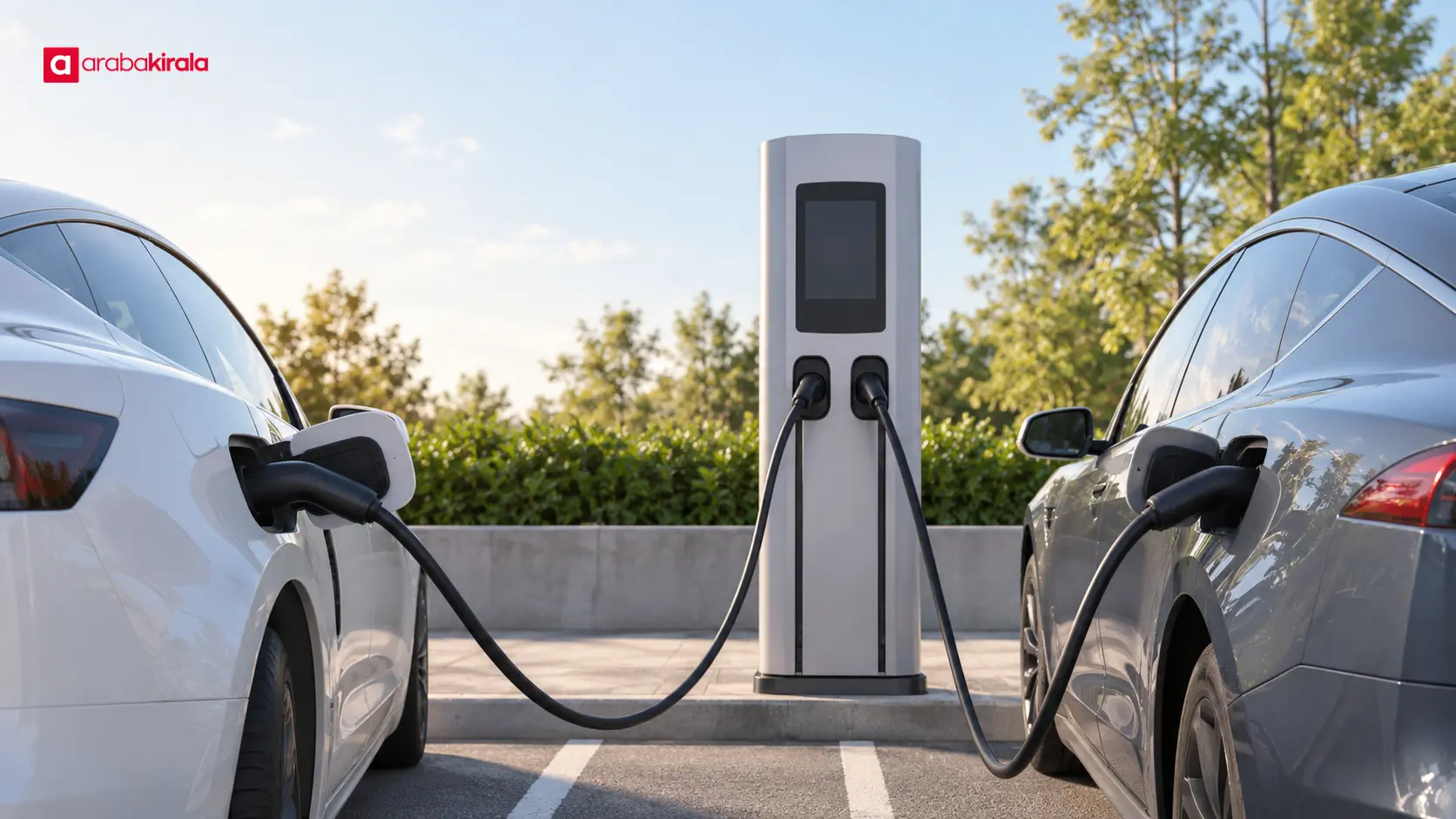
A unit with multiple outlets may share its total capacity when more than one outlet is in use. The allocation depends on the system design: power may be divided evenly, adjusted to each vehicle’s request, or directed more heavily to one outlet. Several nearby units may also draw on a common electrical supply. For that reason, the rating of one connector may not tell you how other connectors at the site will behave when used at the same time.
How sharing can affect charging speed
When two vehicles use a shared capacity, connecting one may change the power available to the other. Some systems keep total output within a fixed limit and redistribute it when a second vehicle plugs in. Other systems respond to changing capacity or demand. The power shown on a display can therefore vary throughout a session.
Power and energy added to the battery are not the same measurement. Kilowatts describe the rate of transfer; kilowatt-hours (kWh) describe the amount of energy transferred over time. A vehicle display may show a momentary power reading, while a session summary reports total energy. To understand how much charging took place, consider the energy added over the full session and the change in battery charge, rather than relying on one brief peak.
Vehicle limits and battery conditions
A vehicle may not accept all the power a station can provide. Manufacturer technical documentation may list separate maximum values for AC and DC charging, and the connector and vehicle equipment determine which value applies. A higher-capacity charger cannot make a car draw more than its own technical limit. If you are driving a rental, consult the vehicle’s manual for its charging specifications so that you can set realistic expectations.
Battery state of charge and temperature can also influence charging control. During fast charging, power may taper as the battery becomes fuller; that alone does not indicate a fault with the station. In cold or hot conditions, a vehicle may adjust power to stay within its battery operating limits. The value shown at the start of a session is not a promise that the same rate will continue throughout.
Reading charger displays accurately
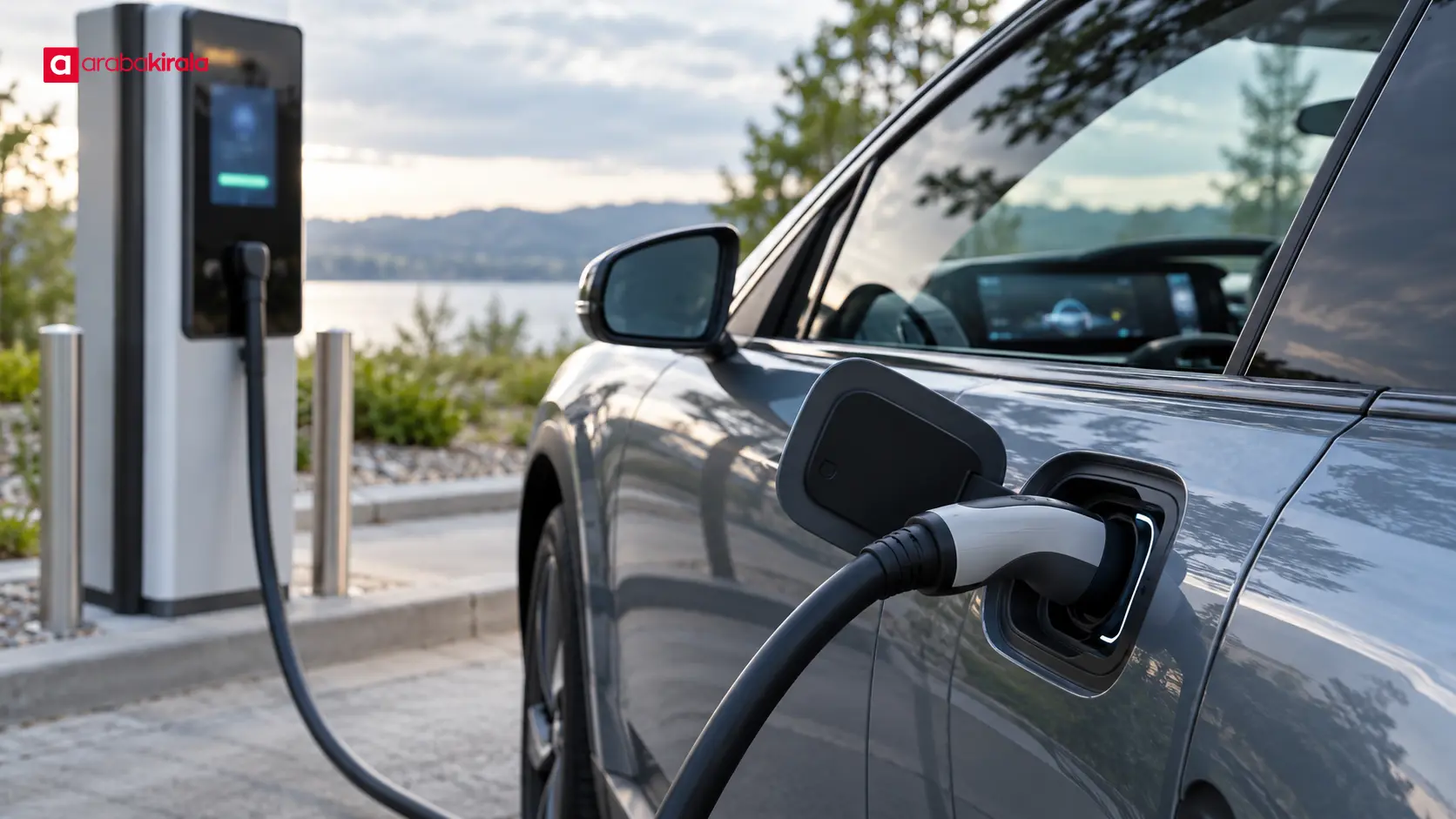
The charger, vehicle dashboard, and mobile app may show different measurements or readings taken at different times. Update intervals, rounding, and transfer losses can create small differences. A charger may display power leaving the station, while the car may show power reaching its battery system or an estimated driving range. Those readings are not necessarily directly comparable if they use different definitions or timestamps.
- Check whether the unit is kW or kWh. The first indicates transfer rate; the second indicates an amount of energy.
- Look at how power changes over several minutes rather than judging the session from one instant.
- Keep the session duration and total energy from the end-of-session summary; together they help describe the actual charging experience.
- Treat estimated range as an estimate affected by driving conditions, not as a direct measurement of energy.
Practical checks at a charging site
First identify an outlet compatible with the vehicle’s charging inlet and the connection type it supports. Check whether the charger indicates that the outlet is available and whether multiple outlets belong to the same unit. If the display does not explain how simultaneous use affects capacity, ask the station operator. Before starting, make sure the connector is seated properly at both the vehicle and the outlet, then confirm the connection and session start on the display.
Once charging begins, compare the vehicle and charger readings while allowing for small or short-lived differences. If power remains unexpectedly low, check the connection, station messages, and vehicle charging settings. Follow only the safe actions described in the manual; do not force a cable or interfere with electrical equipment. If the issue continues, contact the station attendant or operator support.
Planning charging in a rental EV
Before setting out in a rental electric vehicle, review the manual and the markings near the charge port for its AC/DC charging information. The car’s acceptance limit may differ from a station’s capacity, so include connector compatibility and that difference in route planning. Checking station availability before the trip can help you choose a usable stop.
At booking or pickup, ask the branch where you will rent the vehicle about model-specific details such as the charging connector, whether cables or adapters are supplied with that vehicle, and any expected charge level at return. These details may vary by car or location. Keep the charging session receipt or summary if you need to track energy and costs during the trip.
Takeaway: treat power as more than one number
A station’s maximum capacity, the power delivered at a particular moment, and the energy added over a session are distinct concepts. Power sharing can change instantaneous charging speed when multiple outlets draw on a common supply, while vehicle limits, battery conditions, and the connection also affect delivery. For your next session, consider the outlet rating, the vehicle manual, and the session summary together. If you are renting an EV, confirm model-specific charging details with the branch and plan stops that suit the route.

Frequently Asked Questions
Will my car always receive the kW value printed on a charger?
No. That figure may describe the station’s maximum capacity or an outlet limit. The car’s acceptance capability, battery conditions, and other vehicles sharing capacity can all affect the power actually delivered.
Will my charging slow down when another car plugs in?
At units with shared capacity, power allocation may change according to the number of vehicles or their demand. The outcome depends on the station’s power management system. If the display does not explain it, ask the operator how that unit handles simultaneous charging.
Why does charging power drop during a session?
Battery charge level and temperature, vehicle charging controls, and the station’s available capacity can all reduce the rate. If the change persists and an alert appears, check the connection and vehicle settings, then contact the operator for help.
What is the difference between kW and kWh?
kW measures the rate of energy transfer, while kWh measures an amount of energy transferred over time. Checking which unit is displayed helps distinguish a momentary power reading from the total energy added.
How can I check charging compatibility for a rental EV?
Review the manual for the specific vehicle’s connector and AC/DC charging details. Ask the branch where you will rent it about location-specific details, such as whether cables are supplied and any return charge expectations.
Legal Disclaimer: All content, articles and information on the Araba Kirala website are provided solely to inform users. No information shared on this website constitutes definitive advice or guidance. Araba Kirala Teknoloji A.Ş. and its authors cannot be held responsible for any direct or indirect damages arising from the application of information on the website. For all questions and requests regarding car rental, please contact the office from which you will rent your vehicle.












