
Battery Cell, Module and Pack: How EV Battery Structure Differs
Published: October 17, 2026 • Reading Time: 8 min • Last Updated: October 17, 2026
Learn how electric vehicle battery cells, modules and packs differ, how they fit together, and what the structure means for charging, range and everyday use.
Contents
- How to read the three layers
- The battery cell: the basic energy storage unit
- The module: an organized group of cells
- The battery pack: an integrated system in the vehicle
- Cell, module and pack: the key differences
- What does the structure mean for charging and range?
- What drivers should know in everyday use
- How to assess technical and service information
- Summary: follow the structure from cell to system
- Frequently Asked Questions
To understand an electric vehicle battery, it helps to distinguish three layers: the cell, the module and the pack. A cell stores energy; a module is a grouped assembly of cells; and the battery pack brings cells or modules together with the components needed to monitor, protect and connect them to the vehicle. This guide explains how the layers fit together, why their roles differ, and what battery structure can and cannot tell you about charging, range, safety and service.
How to read the three layers
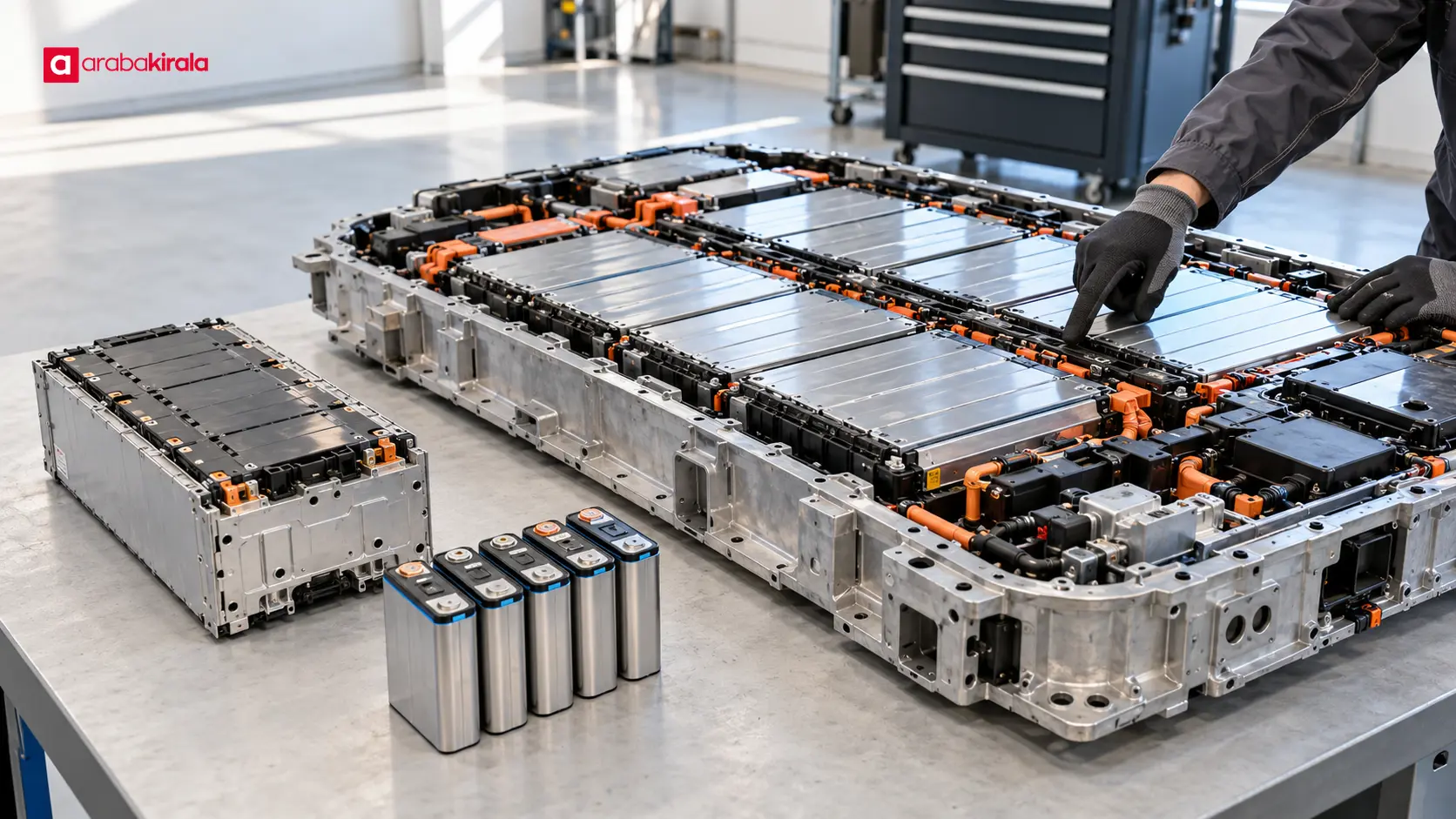
These terms do not refer to the same part under different names. The cell is the basic electrochemical energy storage unit. A module, where the design uses one, groups cells into an intermediate assembly. The pack is the larger vehicle level system. Its layout and number of layers vary by vehicle: some designs place cells directly into the pack without a separate module stage. It is therefore inaccurate to assume that every EV battery has the same number of modules or follows one universal arrangement.
The battery cell: the basic energy storage unit
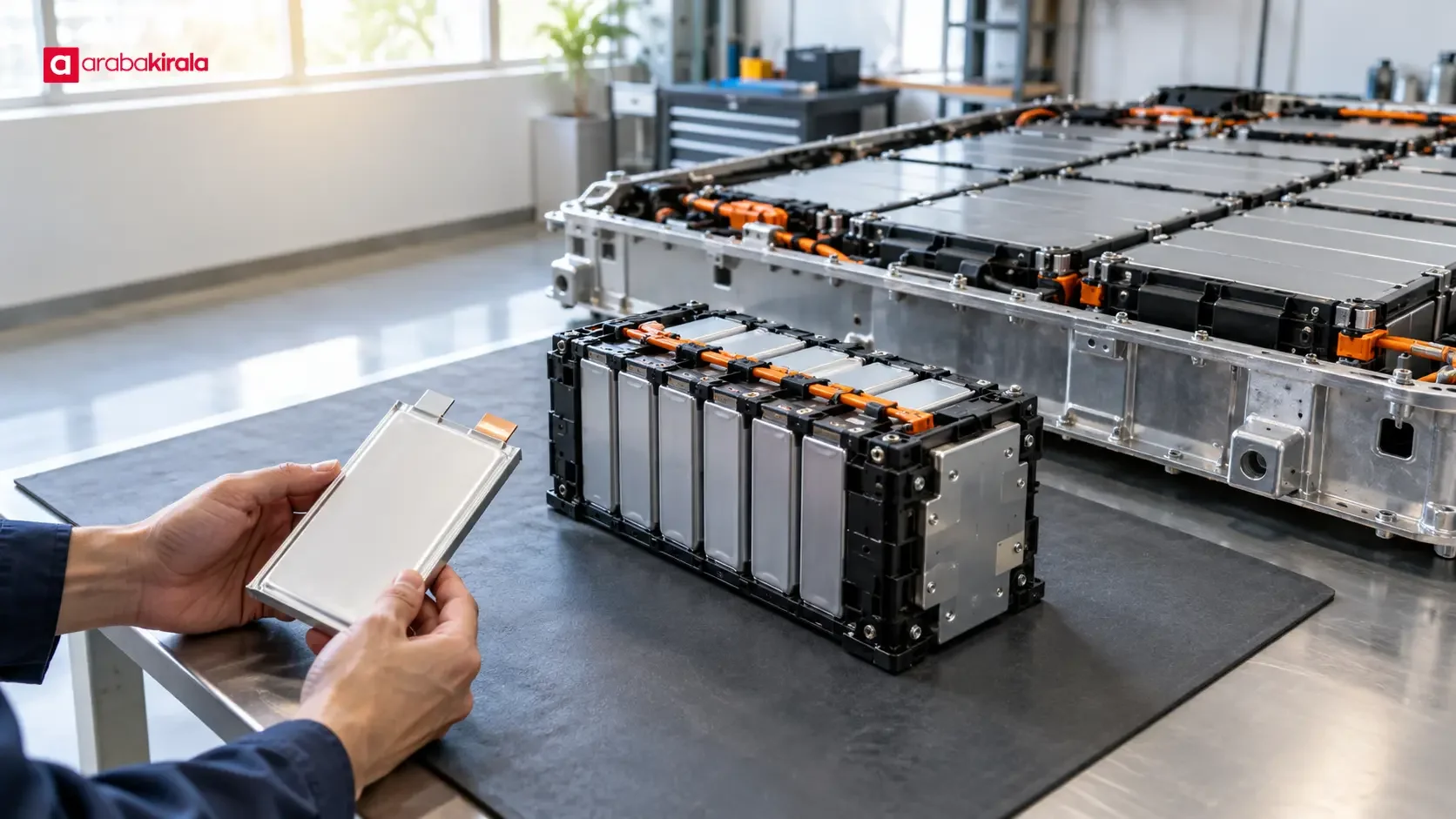
A cell converts stored chemical energy into electrical energy that can be supplied to the vehicle. Its voltage and energy capacity depend on its chemistry, design and operating conditions. One cell does not provide the total energy and voltage required by most passenger cars, so many cells are electrically connected. Series connections raise the combined voltage, while parallel connections can increase capacity and the system's ability to supply current. The actual arrangement is selected to suit the cells and the vehicle design.
Cells are commonly packaged in cylindrical, prismatic or pouch shaped forms. Their shape affects how they can be arranged inside a battery, but it does not by itself prove that a vehicle is safer, has more range or charges faster. Those outcomes depend on chemistry, thermal management, electrical design, control software and operating conditions together. Knowing a cell's form is useful for understanding the building block, but it is not enough to make a firm claim about a particular car's performance.
The module: an organized group of cells
A module is an assembly in which multiple cells are held together mechanically and connected electrically. Depending on the design, it may include a frame, interconnections, insulation and temperature sensing points. Modules can make it easier to assemble cells into a pack and organize electrical connections into groups. They can also provide manageable subassemblies during manufacturing or service. The hardware inside a module, and whether it can be replaced separately, are specific to the manufacturer's design.
Not every EV uses a distinct module layer. Some manufacturers install cells directly into the pack's structural design. That can remove or integrate the module stage; it does not mean the battery has no cells. As a result, module count alone does not reveal the pack's total energy, accessibility or repair procedure. Those details should be checked in the vehicle's technical documentation and applicable service information.
The battery pack: an integrated system in the vehicle
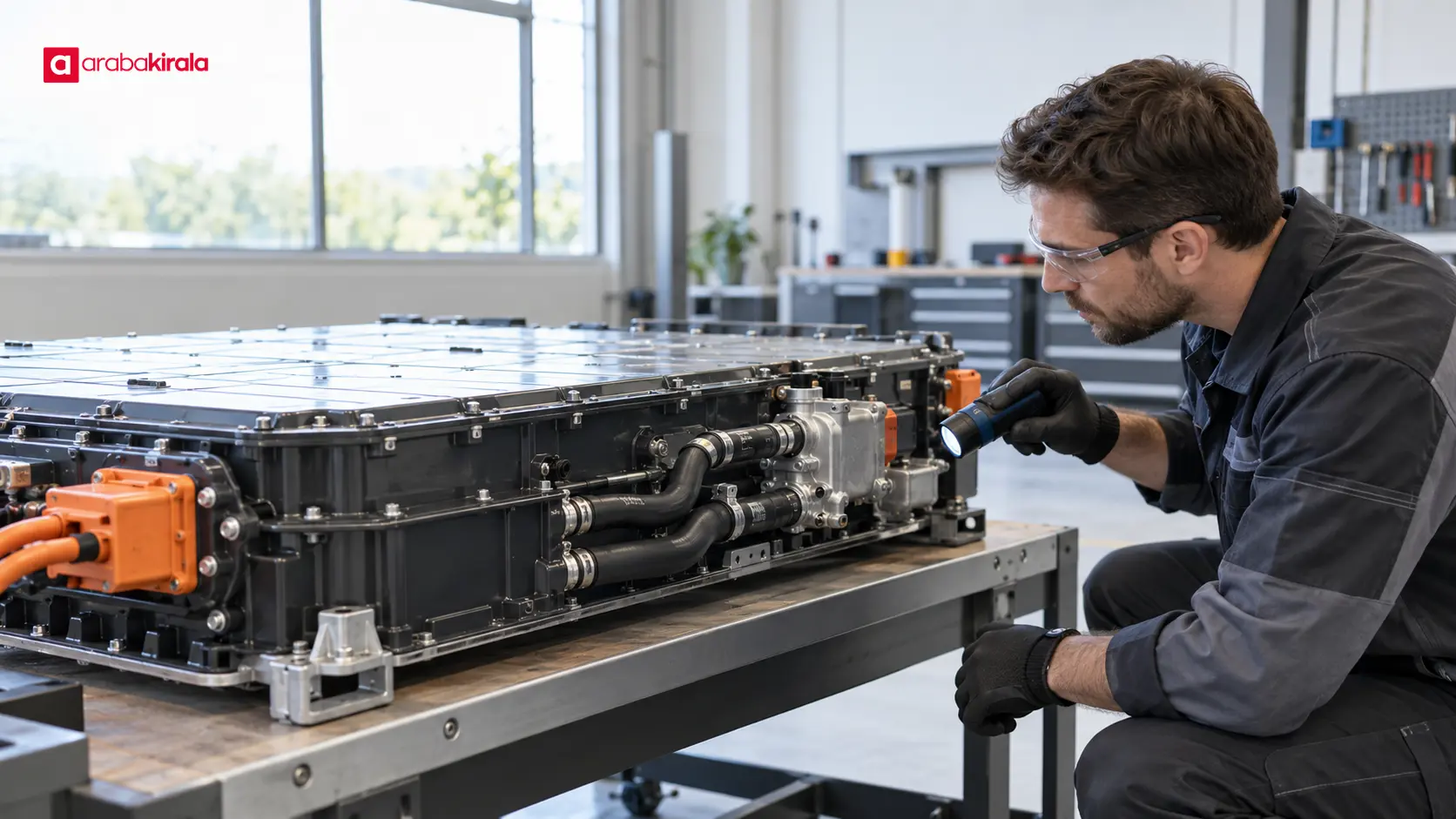
The battery pack is more than a container for cells or modules. It includes components that allow high voltage energy to be used in a controlled way within the vehicle. Depending on the design, these may include an enclosure, electrical connections, monitoring and control hardware, protective components, and heating or cooling equipment. Cell temperatures and electrical conditions are monitored. A control layer known as the battery management system helps observe operating limits and exchange information with the vehicle.
The enclosure is designed to protect the cells from environmental effects and to attach the battery to the vehicle. However, packs should not be assumed to have identical protection or cooling arrangements. Designs may use liquid cooling, airflow or other thermal solutions. The cooling method, serviceable parts and inspection needs can only be established from documentation for the particular model. Opening or working on a high voltage pack is not a driver's task. If there is a fault or suspected physical damage, contact a qualified service provider.
Cell, module and pack: the key differences
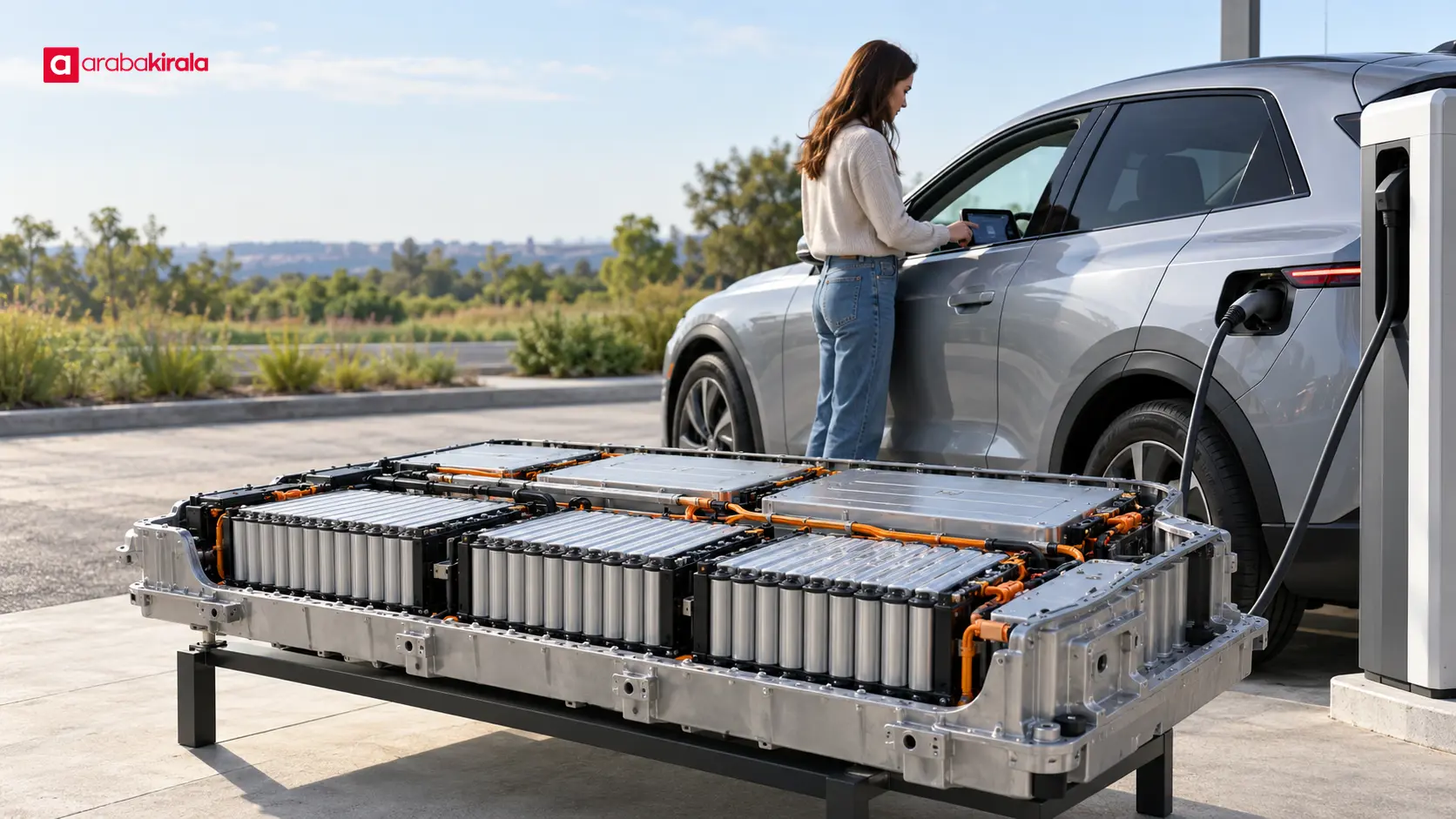
- Cell: The basic electrochemical unit that stores energy.
- Module: An intermediate assembly of cells, which may not be present as a distinct layer in every design.
- Pack: The vehicle level battery system, including cells or modules and the components for control, protection, connection and thermal management.
This distinction helps clarify what a technical specification is describing. A statement about cell format, for instance, is not enough to establish the energy capacity or range of the entire pack. Pack level performance also depends on usable energy, mass, cooling and integration with the vehicle. Gross capacity and the energy available to the driver may also differ: a system may manage part of its operating range to protect the battery. Check how the manufacturer defines and reports a value for the specific model in an official technical source.
What does the structure mean for charging and range?
Knowing the battery layers is not enough to calculate charging time. Charging power can vary with the vehicle and charger limits, battery temperature, state of charge and charging method. A charging curve shows why high power may not continue at the same rate across the full charge range. For planning a charge, the vehicle's published charging information, route conditions and the technical capability of the intended charging point matter more than the cell or module count.
Range is not determined by the pack's nominal energy alone. Speed, ambient temperature, road gradient, heating or air conditioning, payload and driving style all affect consumption. Two vehicles with similar battery architectures can have different ranges, while different architectures may deliver similar range in use. When choosing a vehicle, compare its technical figures with your actual needs and check the test conditions behind any official range figure. For a rental vehicle, its current charge level and available charging points also matter for the particular trip.
What drivers should know in everyday use
In normal use, drivers do not open the battery pack or work on cells and modules. The charge percentage, estimated remaining range and warning messages on the vehicle display are driver information; they should not be confused with service measurements of individual cells. If an unexpected warning appears, charging stops, the vehicle is struck, or unusual heat or odor is noticed around the battery, stop in a safe place, follow the vehicle manual and seek qualified support. Do not touch high voltage components.
When renting an EV, it is useful to learn the vehicle specific operating details before setting off. The charge port location and type, whether a cable is supplied with that vehicle, charging schedule functions and the response to alerts can vary by model. Ask the branch handling your reservation to confirm the charging equipment and current operating guidance for the vehicle being handed over. That practical briefing complements general information about battery construction and helps you use the particular car correctly.
How to assess technical and service information
When reading a specification, first check which level the value describes: cell, module or full pack. The unit, whether a capacity is nominal or usable, the conditions of measurement and the model year all affect how useful a comparison is. If a document only states the cell chemistry or module layout, do not infer range or charging time from it. It is better to leave an undocumented design detail unknown than to fill it in with a guess.
A single indicator also cannot establish a battery fault or loss of capacity. The range estimate displayed by a vehicle is affected by recent driving and environmental conditions; assessing battery health requires the model's diagnostic system and suitable service checks. At rental handover, checking the displayed charge level and any existing vehicle alerts helps establish the starting condition. That observation is not a technical battery health report.
Summary: follow the structure from cell to system
An EV battery cell is the basic energy storage unit, a module is a possible intermediate grouping of cells, and the battery pack is the vehicle system that connects and manages cells or modules with protection and control hardware. A module is not used in every design, and cell shape or module count alone cannot establish range, charging speed or service method. When evaluating a technical claim, identify the layer it concerns and the conditions behind it. If you rent an electric car, learn the delivered model's connector, cable and basic charging procedure from the branch, then plan compatible charging stops for your route.
Frequently Asked Questions
Does every electric vehicle battery have modules?
No. Some designs group cells into separate modules, while others place cells directly into the pack structure. The manufacturer's technical information for the vehicle is the right place to check whether it has a distinct module layer.
Does the number of cells alone determine an EV's range?
No. Cell capacity and connections, usable pack energy, vehicle efficiency and driving conditions also matter. Cell count on its own is not enough to calculate range.
Are a battery cell and a battery pack the same thing?
No. A cell is the basic energy storage unit. A pack is a larger system that contains cells or modules and the components needed to monitor, protect and connect them to the vehicle.
Can a battery module always be replaced if it fails?
That depends on the vehicle design and the manufacturer's service procedure. A modular layout does not mean every module can be replaced separately by a driver or at every service location. Follow the model's service information.
Why does a battery pack need thermal management?
Managing cell temperature within the range specified by the design matters for performance and reliability. Thermal systems differ among vehicles, and drivers should not work on high voltage battery components.
What should I learn about the battery before renting an electric car?
Ask about the delivered model's charge connector, whether a cable is included, charging schedule functions and the basic warnings in its manual. Confirm vehicle specific details with the rental branch and plan compatible charging stops along your route.
Legal Disclaimer: All content, articles and information on the Araba Kirala website are provided solely to inform users. No information shared on this website constitutes definitive advice or guidance. Araba Kirala Teknoloji A.Ş. and its authors cannot be held responsible for any direct or indirect damages arising from the application of information on the website. For all questions and requests regarding car rental, please contact the office from which you will rent your vehicle.












