
What Do Series and Parallel Battery Cell Connections Do in Electric Vehicles?
Published: October 26, 2026 • Reading Time: 7 min • Last Updated: October 26, 2026
Learn how series and parallel cell arrangements affect voltage, capacity, and energy in an electric vehicle battery, and why these figures alone do not determine range or charging time.
Contents
- Cell, module, and pack: the basic building blocks
- What does a series connection provide?
- What does a parallel connection provide?
- How are series and parallel arrangements combined?
- Volts, amp-hours, and kilowatt-hours
- How can the layout affect charging and driving?
- What should you check in technical specifications?
- Battery safety in everyday use
- In summary: what the connection layout tells you
- Frequently Asked Questions
Electric vehicle battery cell connections combine individual cells to provide the voltage and energy needed by the vehicle. This guide explains what series and parallel arrangements do, how they affect voltage and capacity, what kilowatt-hours tell you, and why a battery layout alone cannot guarantee a particular range or charging experience.
Cell, module, and pack: the basic building blocks
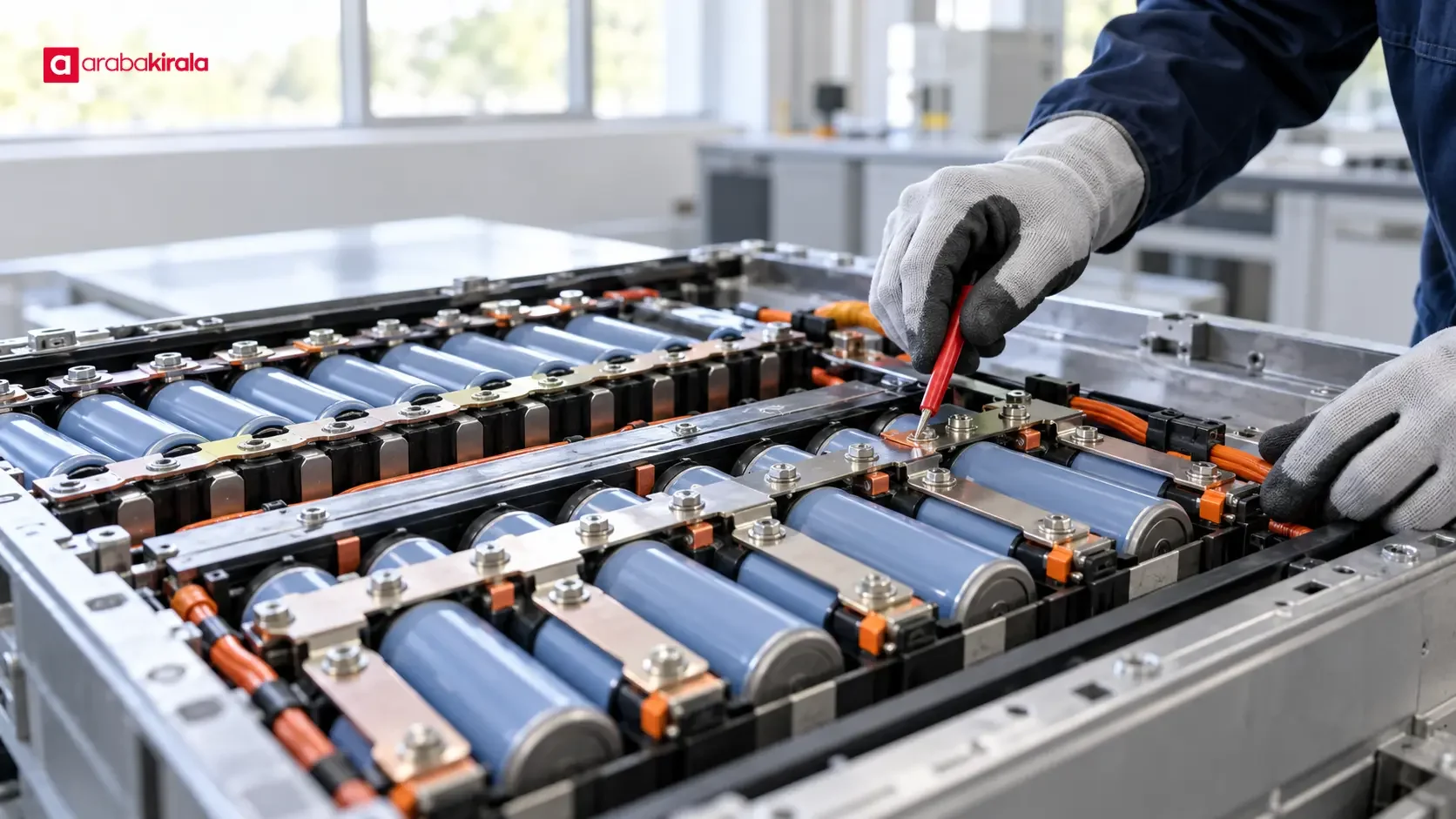
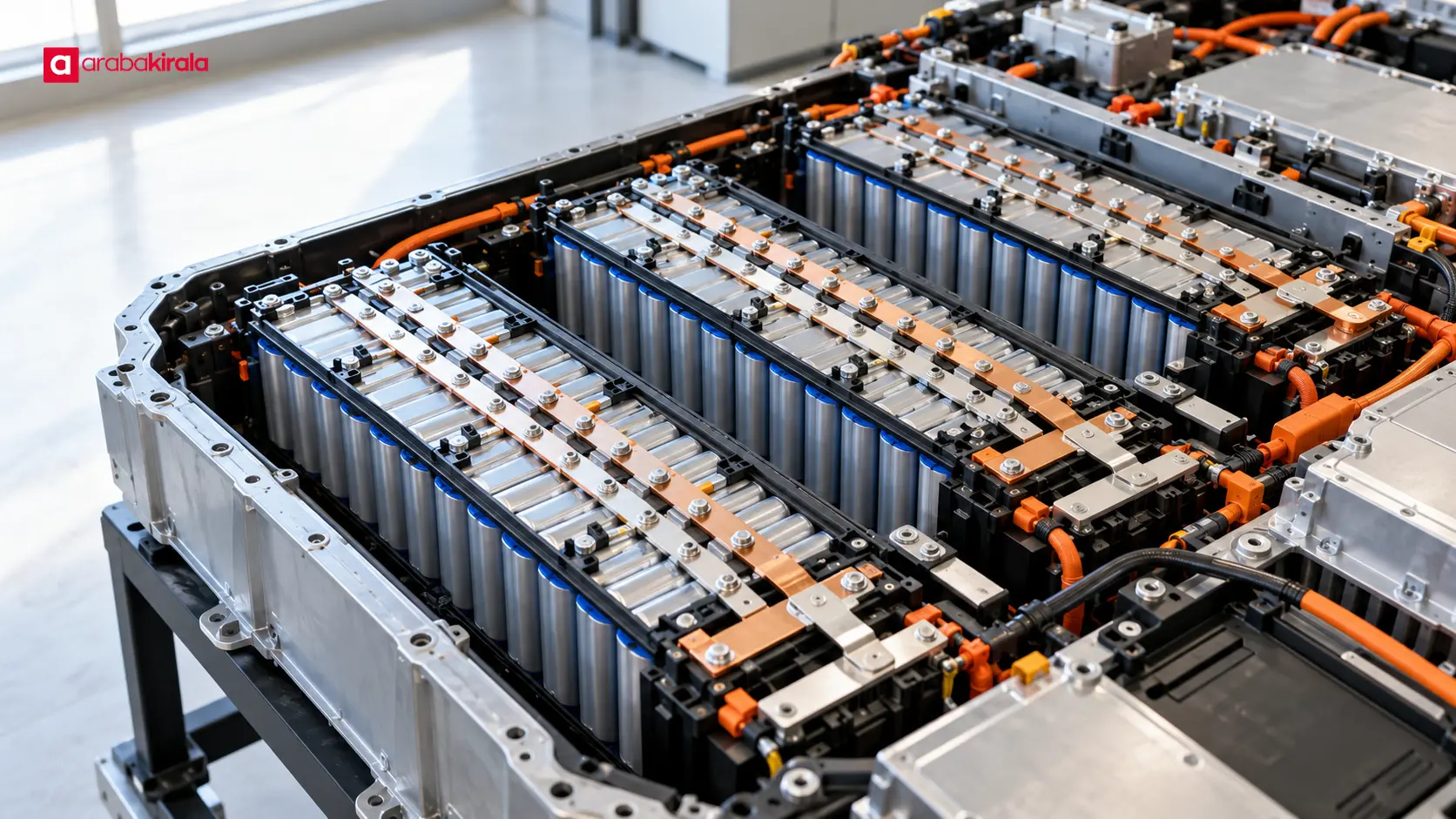
A cell is the smallest unit that stores electrical energy chemically. Cells can be electrically joined into groups, arranged into modules, and assembled into a battery pack. Vehicles do not all use the same physical layout: cell shape, module count, connections, cooling design, and electronic controls vary with the vehicle and battery design.
A pack is more than a collection of cells. It includes electrical connections, a protective structure, temperature management, and controls that monitor the cells. The battery management system helps track electrical and thermal conditions. Cell connections therefore form one part of a larger system rather than a complete description of the battery.
What does a series connection provide?
In a series connection, the positive terminal of one cell connects to the negative terminal of the next. Their voltages add, so a series string of similar cells has a higher voltage than one cell by itself. Electric vehicles can use many cells in series to reach the voltage level required by the traction system and other high-voltage components.
The key distinction is that adding cells in series primarily raises pack voltage; under comparable conditions, it does not directly raise amp-hour capacity. The same current passes through every cell in a series string. A cell that behaves differently or performs poorly can therefore limit the usable performance of that string. Monitoring cells and managing manufacturing variation are among the reasons electronic controls matter.
What does a parallel connection provide?
In a parallel connection, positive terminals share one electrical path and negative terminals share another. Ideally, this keeps voltage at the level of one cell while increasing total capacity and the ability to supply current. Several parallel cell paths can store more energy and provide more current to the system.
Cells in parallel need to operate at compatible voltage levels. If their characteristics or connection conditions differ, current may not be shared evenly. Designers account for cell matching, connection resistance, temperature, and control strategy—not just the number of cells. This does not mean cells can be added casually to a vehicle battery: high-voltage packs require specialist design and safeguards.
How are series and parallel arrangements combined?
A vehicle battery commonly combines both arrangements. Parallel groups contribute capacity and current capability, while connecting groups in series raises pack voltage. The result can meet the electrical needs of the vehicle’s powertrain. The same total number of cells can produce different voltage and capacity values when arranged differently.
In a simplified calculation using similar cells, the amp-hour capacity of a parallel group rises with the number of cells in that group; the voltage of a series group rises with the number of cells in its string. Multiplying voltage by amp-hour capacity gives an approximate energy value. This relationship helps explain why volts (V), amp-hours (Ah), and kilowatt-hours (kWh) describe different things and cannot be used interchangeably.
Volts, amp-hours, and kilowatt-hours
- Volts (V): Describe electrical voltage. Series connections primarily change this quantity.
- Amp-hours (Ah): Describe electric charge capacity under specified conditions. With similar cells, parallel connections can increase this capacity.
- Kilowatt-hours (kWh): Describe energy. Energy relates to both voltage and amp-hour capacity, and EV battery energy is commonly stated in kWh.
A higher kWh figure does not by itself guarantee longer range in every condition. Vehicle weight, speed, temperature, road gradient, tires, and driving style all affect energy use. Usable energy may also differ from a pack’s full nominal energy. Battery capacity is an important input to a range estimate, but it is not a complete prediction on its own.
How can the layout affect charging and driving?
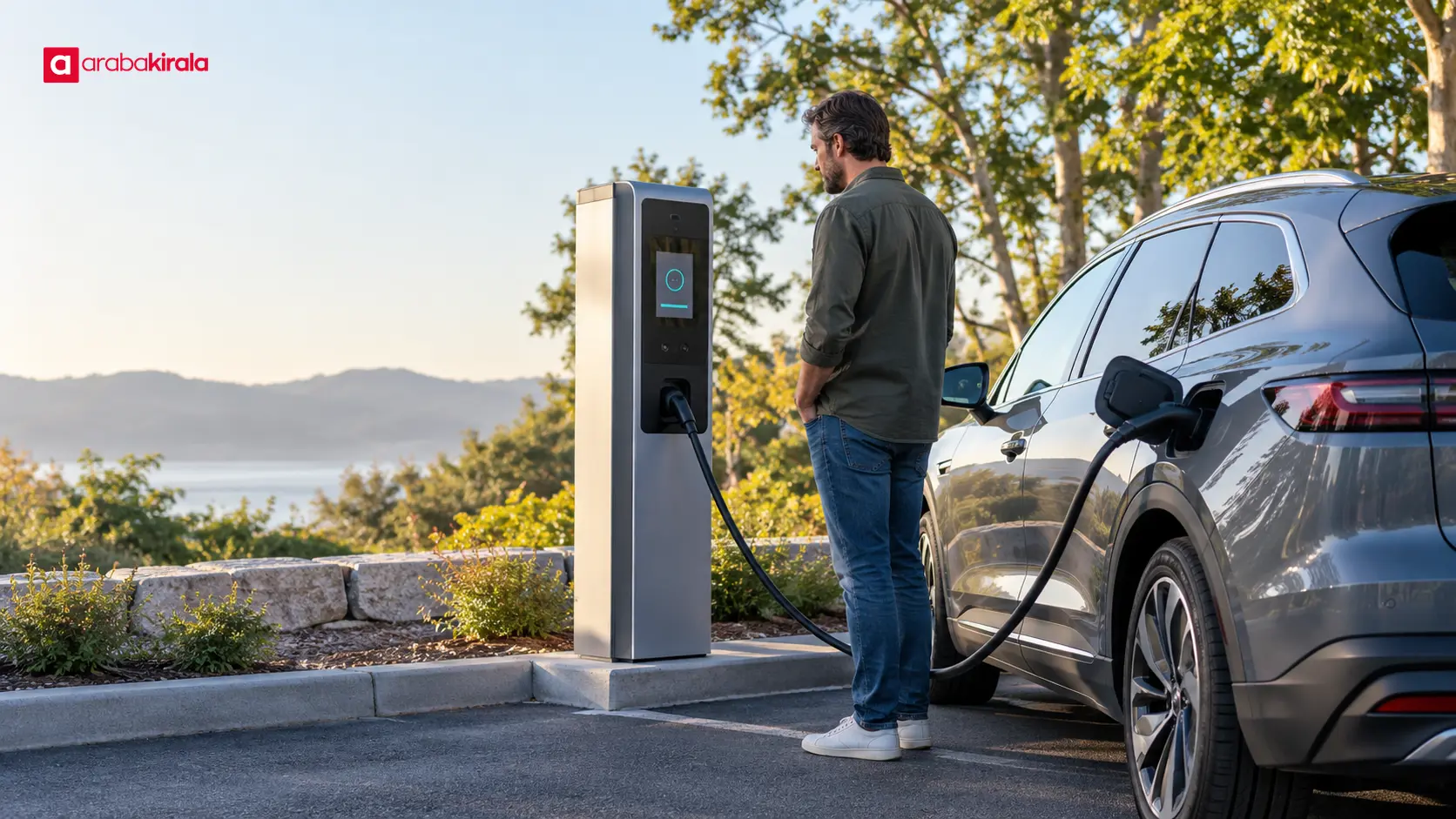
Cell connections help determine the voltage range and energy capacity available to the vehicle’s electrical system. Charging speed, however, cannot be read from the series and parallel counts alone. The vehicle and charger limits, battery temperature and state of charge, the battery management system’s decisions at that moment, and the charging equipment all influence the process. Two vehicles with similar kWh ratings can have different charging times or driving ranges.
Energy transfers involve losses, and real cells do not behave as perfectly identical components. Temperature management, monitoring differences between cells, and protective controls are part of sustained pack operation. For drivers, the useful approach is to rely on the vehicle manual, published technical specifications, and current display information rather than infer range or charging time from a connection diagram.
What should you check in technical specifications?
- Check whether battery energy is stated in kWh and whether the figure is nominal or usable.
- Keep voltage and capacity units distinct. Higher voltage alone does not mean more stored energy.
- Look at the measurement procedure and conditions behind a manufacturer’s range figure; actual use can differ.
- Consider charging power, the power the battery accepts at a given moment, and estimated charging time as separate concepts.
- Interpret claims about chemistry or cell layout only as far as the manufacturer’s technical documentation supports them.
If you are renting an electric vehicle, consider its stated range alongside your route, road conditions, and access to charging. At booking or pickup, ask the branch you will rent from about the vehicle’s battery capacity, how to interpret its range estimate, connector compatibility, and model-specific points to know while charging. Details may vary with the vehicle and its equipment.
Battery safety in everyday use
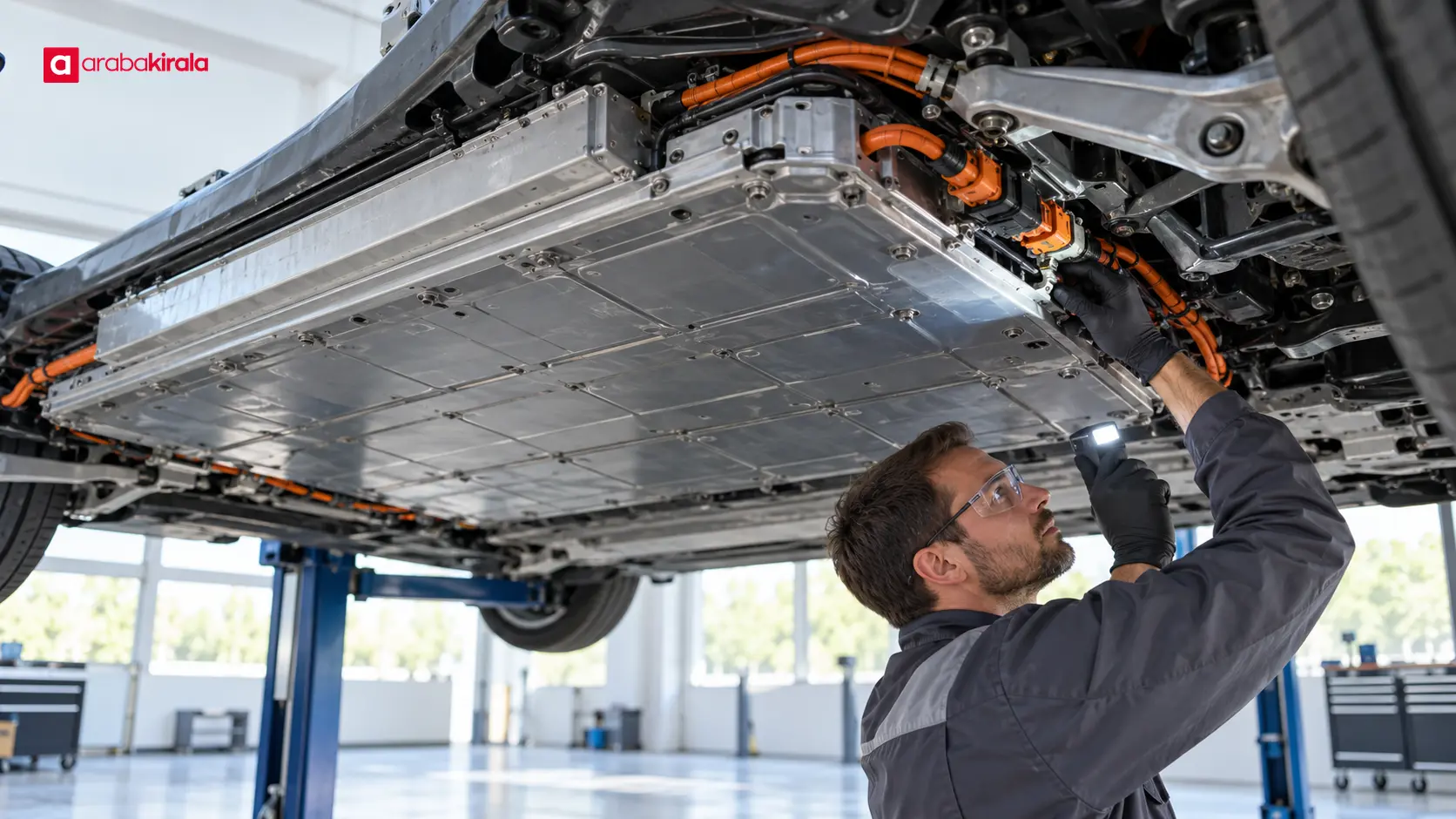
Do not work on battery cells or high-voltage connections yourself. If the battery enclosure appears damaged, or you notice unusual heat, odor, sound, or a warning, follow the vehicle manufacturer’s instructions and seek qualified support instead of continuing to use the vehicle. Opening, measuring, or repairing a battery system is work for trained technicians with suitable equipment.
During charging, follow the vehicle’s displayed warnings and manual. Do not use a cable or connector that is visibly damaged. These precautions apply regardless of whether you understand the series-parallel calculation: an EV battery stores substantial energy, so safe handling comes first.
In summary: what the connection layout tells you
Series connections raise voltage; parallel connections increase capacity and current capability. Electric vehicles can combine both to reach a suitable voltage and energy level. Volts, amp-hours, and kilowatt-hours describe different quantities, while range and charging experience depend on the battery as well as the vehicle, conditions, and charging system.
When choosing a vehicle, look beyond the cell layout to usable energy and range information, charging compatibility, and your planned route. For a rental, confirm model-specific operating and charging details with the branch where you will collect the vehicle.
Frequently Asked Questions
Does adding more cells in series increase battery capacity?
Series connections primarily increase total voltage. In a single series string of similar cells, amp-hour capacity does not rise in the same way as cell count. Total energy is understood by considering voltage and capacity together.
Does a parallel connection extend an EV’s range?
Parallel groups can contribute to greater capacity and stored energy. Range also depends on usable energy, vehicle efficiency, speed, temperature, roads, and driving style, so the number of parallel cells alone does not determine range.
Do kWh and Ah measure the same thing?
No. Amp-hours relate to electric charge capacity, while kilowatt-hours describe energy. Voltage also matters when understanding energy, so Ah alone is not enough to compare batteries at different voltages.
Does a higher battery voltage mean faster charging?
Not on its own. Charging power and time depend on the vehicle and charger limits, battery temperature and state of charge, and control-system decisions. Voltage is an important system characteristic but does not determine charging time by itself.
Can I inspect the cell arrangement in my vehicle?
Cells are inside the vehicle’s high-voltage battery pack and should not be opened or inspected by users. Refer to manufacturer documentation for technical information, and follow the manual’s guidance if you suspect a fault or damage.
What battery details should I ask about when renting an EV?
You can ask about usable battery energy, how to read the vehicle’s range estimate, compatible charging connections, and model-specific details that matter for route planning. The branch handling your reservation or pickup can provide current information about the vehicle available to you.
Legal Disclaimer: All content, articles and information on the Araba Kirala website are provided solely to inform users. No information shared on this website constitutes definitive advice or guidance. Araba Kirala Teknoloji A.Ş. and its authors cannot be held responsible for any direct or indirect damages arising from the application of information on the website. For all questions and requests regarding car rental, please contact the office from which you will rent your vehicle.












