
F1 DRS Detection Point vs Activation Zone: What’s the Difference?
Published: October 30, 2026 • Reading Time: 7 min • Last Updated: October 30, 2026
The detection point is where the gap between cars was assessed; the activation zone is where DRS could be used. Learn how the two differed and what changed in 2026.
Contents
The search phrase “F1 DRS detection point activation zone” is really about two separate track references. A detection point was where the gap between cars was assessed; an activation zone was the section where DRS could be used. This guide explains their different roles, how they related during a race, and an essential update: DRS was removed from Formula 1 for 2026 and replaced by a different active-aerodynamics system. DRS markers therefore matter when reading older races or circuit maps from earlier seasons.
What DRS did
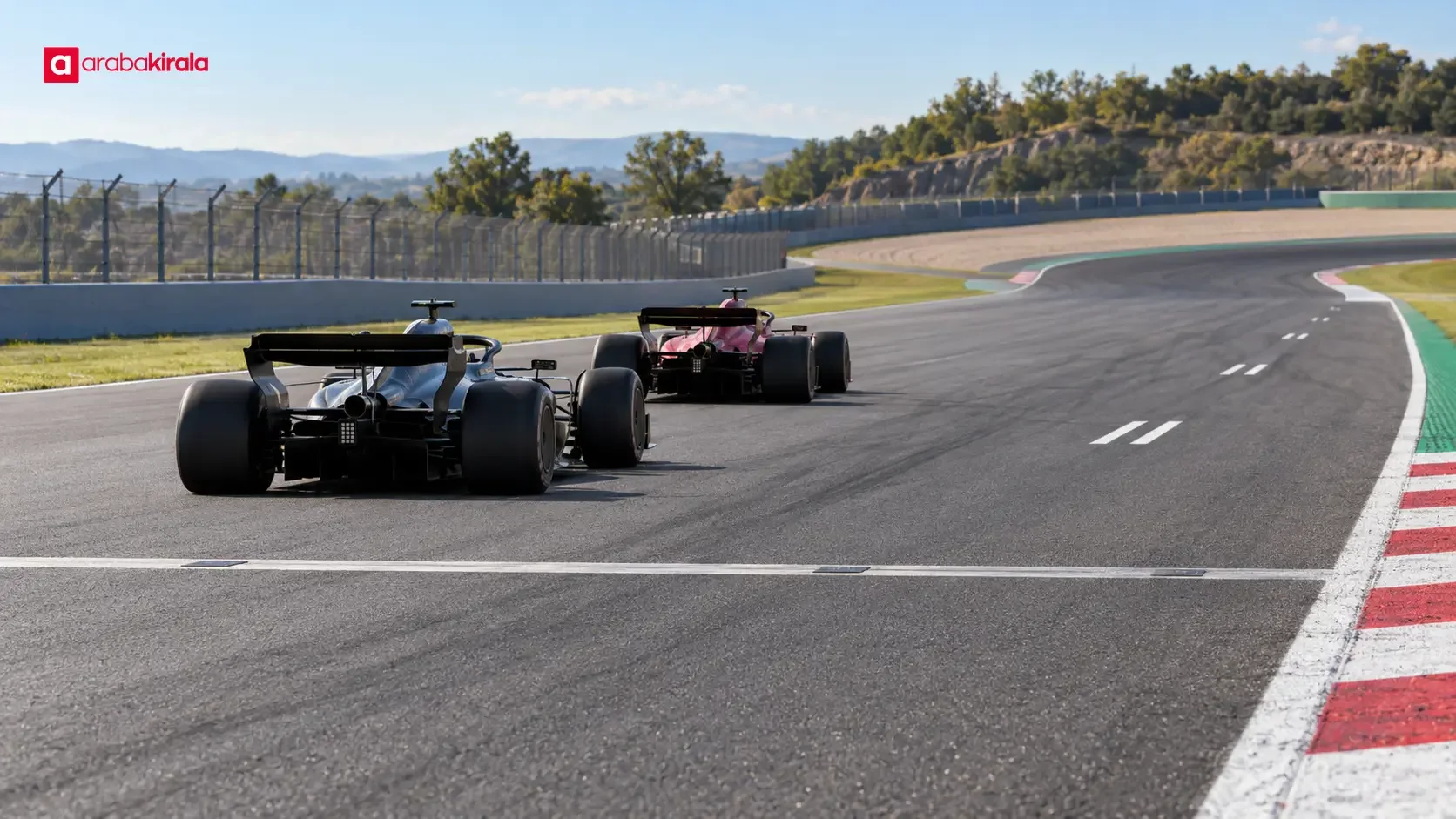
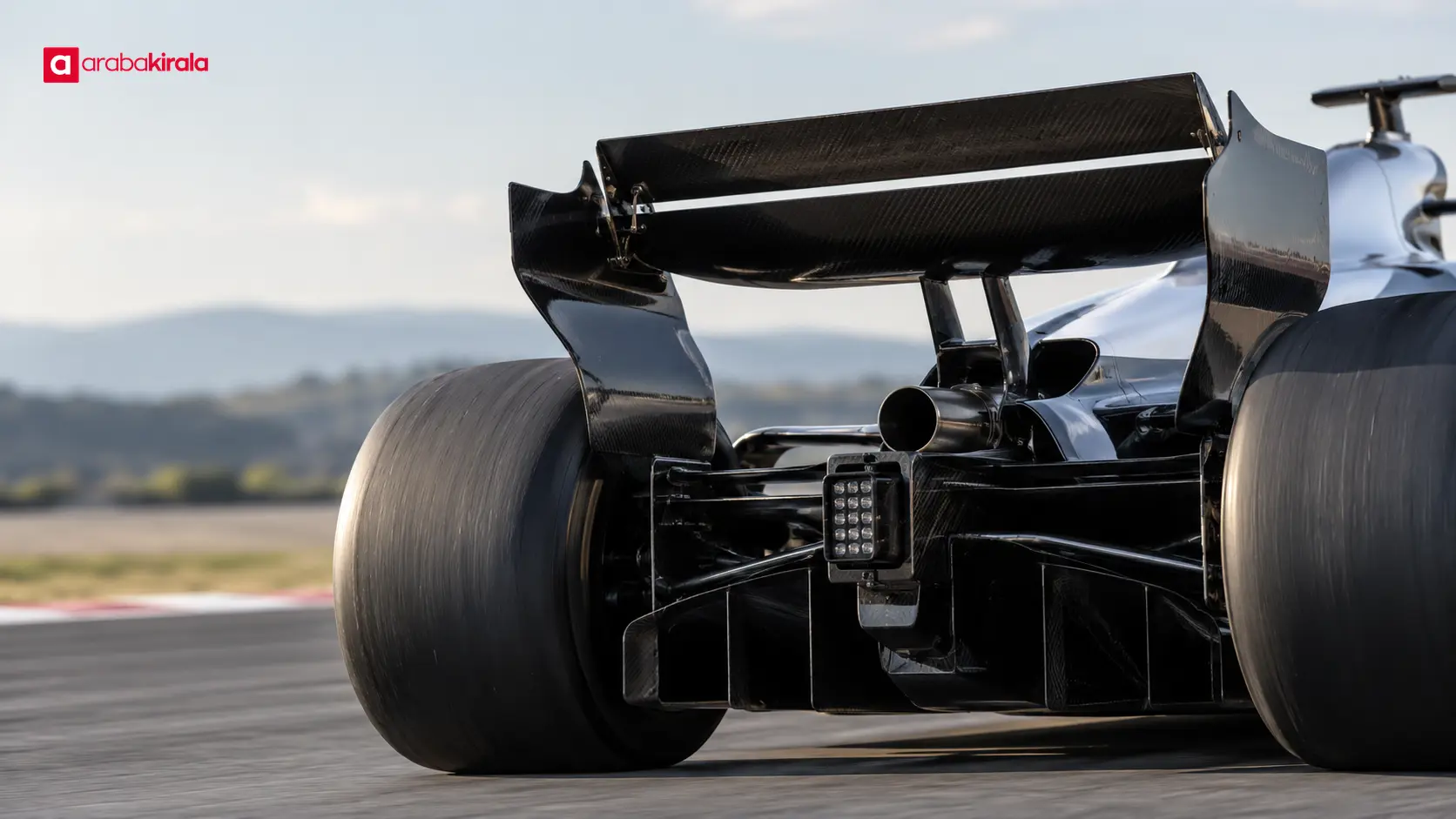
DRS stands for Drag Reduction System. Under the previous F1 rules, a driver could open a movable section of the rear wing in designated parts of the circuit. This reduced aerodynamic drag and could help the car accelerate on a straight. DRS was intended to create an overtaking opportunity for a following car; it did not guarantee a pass. Speed difference, the exit from the preceding corner, tyre condition, energy use and the drivers’ positions all affected what happened next.
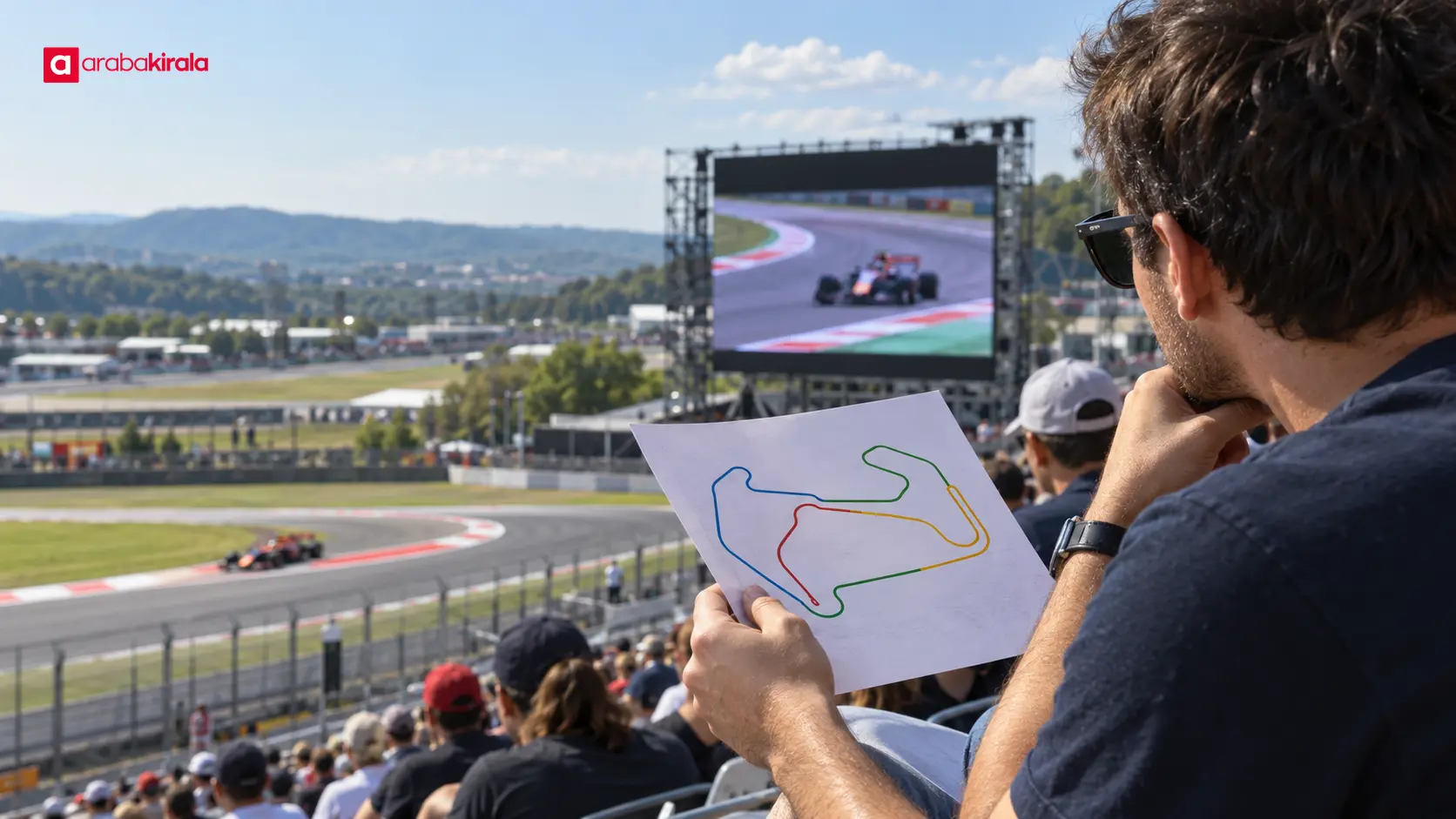
The marks shown for DRS on a circuit map did not all mean the same thing. A detection line was a reference for comparing the cars’ gaps. An activation line indicated where the DRS zone began. The two were often separated by some distance, with a corner, a short link or another part of the circuit between them.
The detection point: where the gap was measured
The detection point was a defined place on the track where timing and race-control systems could compare the positions of cars. In the previous DRS race format, a following car had to be within one second of the car ahead at the detection point to meet the main eligibility test. That did not mean the gap had to remain unchanged until the activation zone. The decision was based on the measurement at the designated point.
This distinction helps explain why the visible gap between cars could change as they approached the activation line. If the following car met the threshold at detection, it could qualify to use DRS even if the gap later grew before the zone. Conversely, two cars might look close near the activation line, but that alone would not establish eligibility if the required condition was not met at the detection point. The rules for the relevant season and race-control decisions also mattered.
There was no single universal location for detection. FIA circuit maps issued for each Grand Prix weekend could show one or more detection points and their positions on that particular layout. A detection point might come before a corner and lead to a DRS zone on the following straight; another circuit could use a different arrangement. Read “DRS Detection” as a measurement reference, not as the point where the wing opens.
The activation zone: where the system could be used
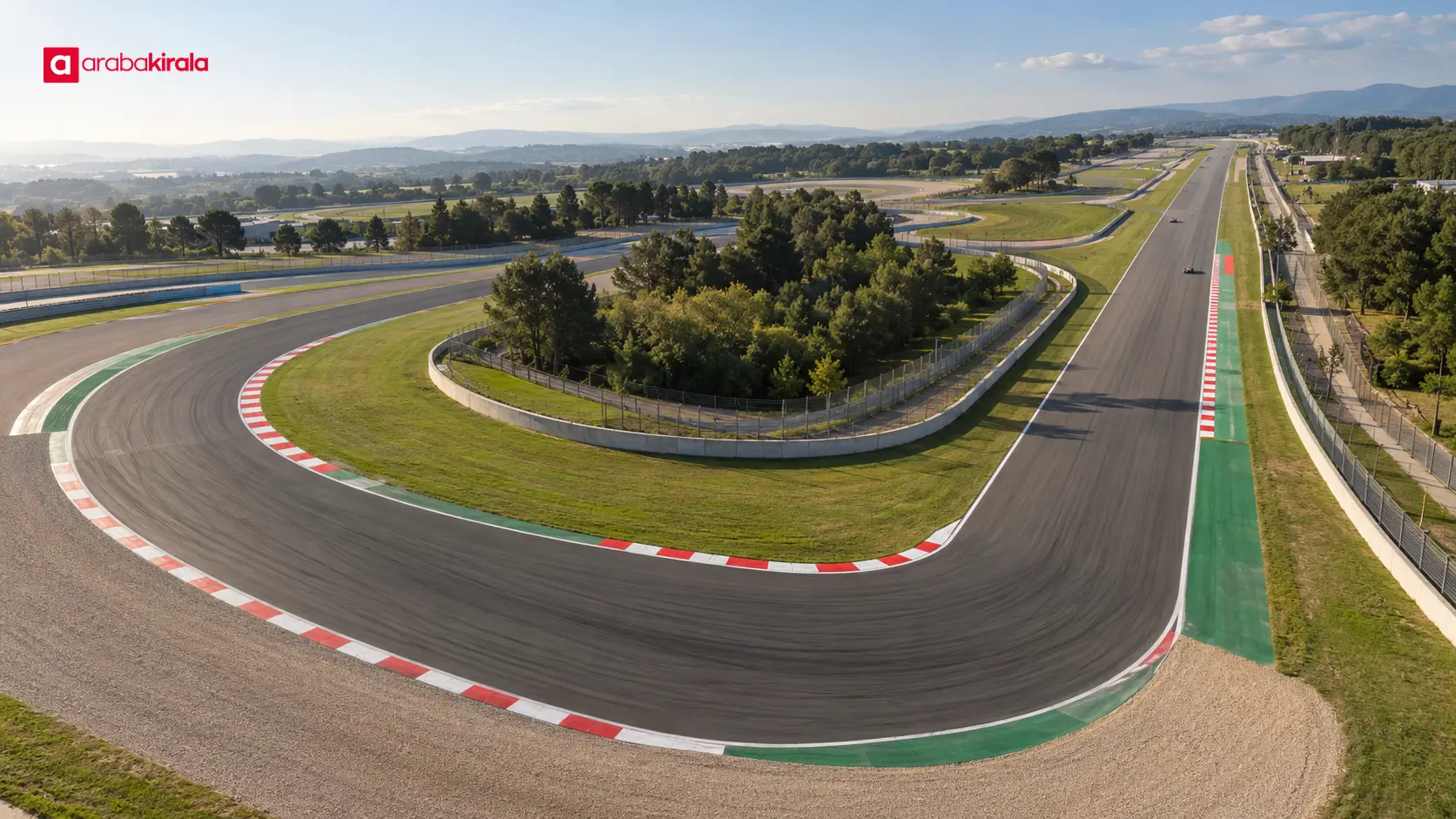
In the earlier DRS format, the activation zone was the section of track where opening the movable rear wing was permitted. If the driver met the eligibility conditions, DRS could be used after reaching the start of that zone. Zones were commonly placed on straights, but their position and length depended on the circuit. A zone could begin some distance after its detection point, and a track could have several DRS zones.
In casual explanations, “activation point” often means the line marking the start of a zone. “Activation zone” means the permitted section that follows. The distinction is practical: a line marks a boundary, while the zone is the stretch of track beyond it. The event’s FIA map is the clearest reference for the layout. Do not assume that a location from one circuit applies to another.
Opening DRS moved the rear wing into a lower-drag position. Because cars need aerodynamic grip in corners, limiting its use to designated sections served a different purpose from changing the wing anywhere on the lap. Drivers also had to manage the system’s deployment and return to its normal position. The activation line alone did not mean DRS would be available in every circumstance: race control could restrict use for safety or track conditions.
How to tell the two apart on a map
- Detection point: the reference where the gap between cars was assessed.
- Activation line: the boundary marking the start of the DRS zone.
- Activation zone: the section where DRS use was permitted under the former system.
- Distance between them: the intervening stretch of track, showing that detection and activation were not interchangeable terms.
When reading a circuit map, find the detection mark first, then identify the associated activation zone. Check the map legend and the date or season of the event. An old map may not describe the current format, and the markings for the same circuit can change between years. The time between a driver qualifying for DRS and reaching the point where the wing could open may simply reflect the placement of those two references.
Why DRS and active aerodynamics must be separated in 2026
Formula 1 no longer uses DRS under its 2026 regulations. The FIA describes the new active-aerodynamics system as using movable front and rear wings, with a low-drag Straight Mode and a Corner Mode. Straight Mode also reduces drag, but it is not the same system as DRS and does not copy DRS’s former eligibility rule based on the gap to a car ahead. The straight-line mode can be used at designated points regardless of a car’s position relative to others.
For overtaking assistance, the 2026 framework has a separate Overtake Mode. The FIA says that at activation points, a driver within one second of the car ahead can receive additional electrical energy through this mode. So a 2026 reference to a detection point does not mean the old DRS activation zone has simply been renamed. Check the season and the current event information to understand which mode is being discussed.
This date distinction matters because search results and archived videos still contain explanations of earlier DRS rules. Seeing “DRS” on a track map or hearing a commentator use the term does not mean the event followed the 2026 format. Checking the season and publication date prevents older rules from being confused with the current system.
A quick viewing checklist
- Identify the season first; DRS descriptions apply to the former format, through 2025.
- Check whether the official circuit map shows detection and activation marks separately.
- Read detection as the measurement location and the activation line as the entrance to the use area.
- A car closing in is not enough on its own to establish DRS eligibility; the relevant measurement point and season rules matter.
- For 2026 races, follow explanations of active-aero modes and Overtake Mode instead.
In short: two marks with two jobs
In the former F1 DRS format, the detection point was where the gap between cars was assessed. The activation line marked the start of the area where DRS could be used, and the activation zone was the permitted section beyond it. Knowing the difference makes circuit maps and race decisions easier to follow. Since DRS was removed in 2026, use the FIA map for the relevant season when watching past races, and distinguish current active aerodynamics from Overtake Mode when following races under the new rules.
Frequently Asked Questions
Were the DRS detection point and activation line in the same place?
Not necessarily. Detection was where the gap was measured; the activation line marked the start of the DRS zone. The official map for that event shows their locations.
What did being within one second at detection mean?
Under the previous DRS race format, the gap at the designated point was a key eligibility measure. The relevant comparison was made there, rather than by judging the gap only as cars reached the zone.
Could a circuit have more than one DRS zone?
Yes. A circuit layout could include several detection and activation arrangements. Check the FIA map for the specific event to see which marks correspond to each zone.
Is DRS still used in Formula 1 in 2026?
No. DRS was removed for 2026. Cars use active-aerodynamics modes for straights and corners, while Overtake Mode serves a separate overtaking-assistance role.
Did reaching the activation zone guarantee that a driver could use DRS?
No. Reaching the line alone did not establish eligibility. The applicable conditions and race-control safety decisions also mattered, so the season’s rules and official event information are the right references.
Legal Disclaimer: All content, articles and information on the Araba Kirala website are provided solely to inform users. No information shared on this website constitutes definitive advice or guidance. Araba Kirala Teknoloji A.Ş. and its authors cannot be held responsible for any direct or indirect damages arising from the application of information on the website. For all questions and requests regarding car rental, please contact the office from which you will rent your vehicle.












