How Does an F1 Race Restart After a Safety Car Period?
Published: October 27, 2026 • Reading Time: 6 min • Last Updated: October 27, 2026
Learn how a Formula 1 safety car period ends, how the field is managed, and what signals mark the return to racing.
Contents
- What happens during an F1 safety car restart?
- Why does the safety car come out?
- How is the restart decision made?
- Does racing resume as soon as the safety car enters the pits?
- What do drivers manage during the restart?
- Spacing and position
- Tyre and brake condition
- Visibility and track surface
- How can viewers follow the restart?
- In brief: what to watch next
- Frequently Asked Questions
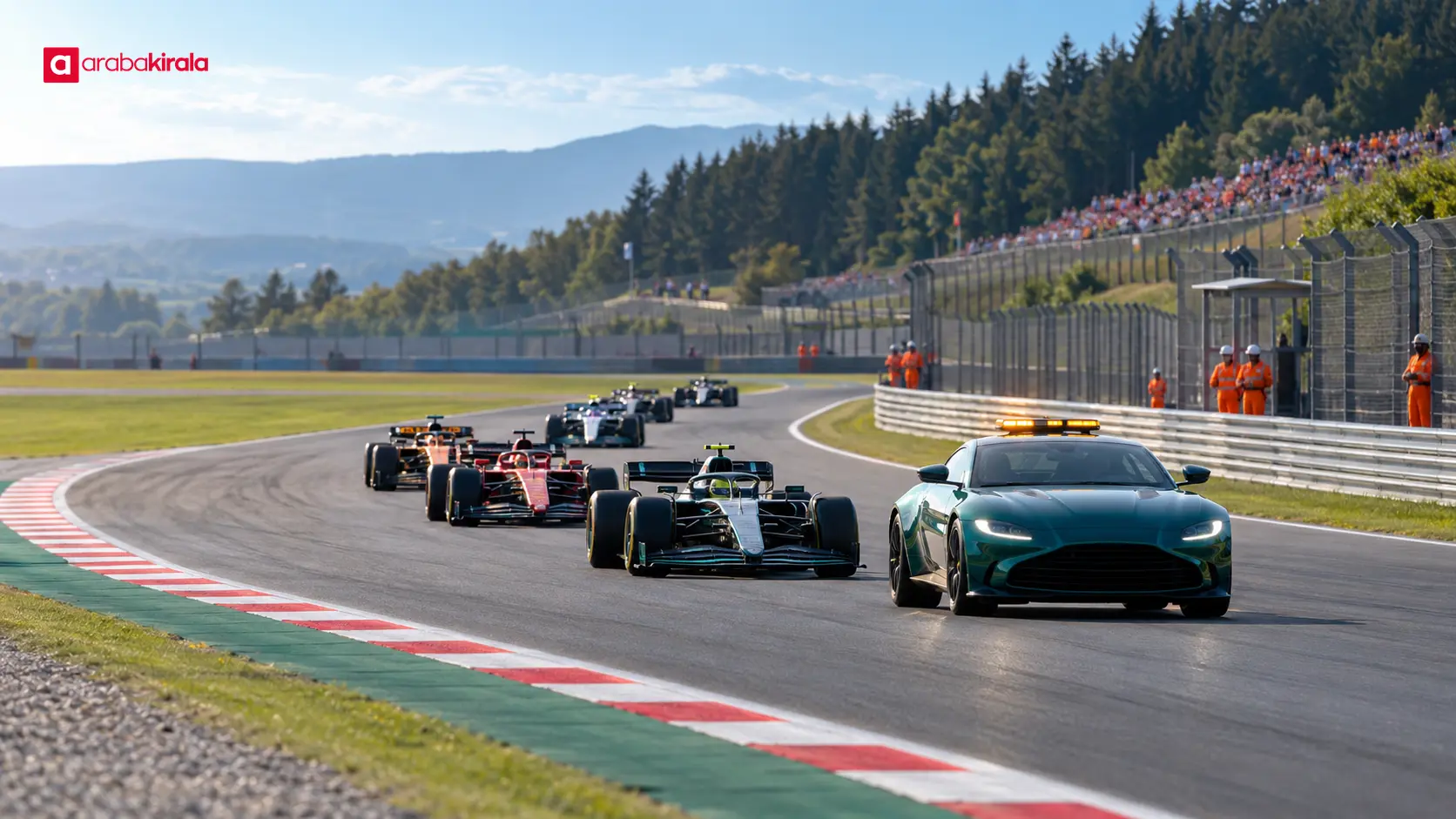
What happens during an F1 safety car restart?
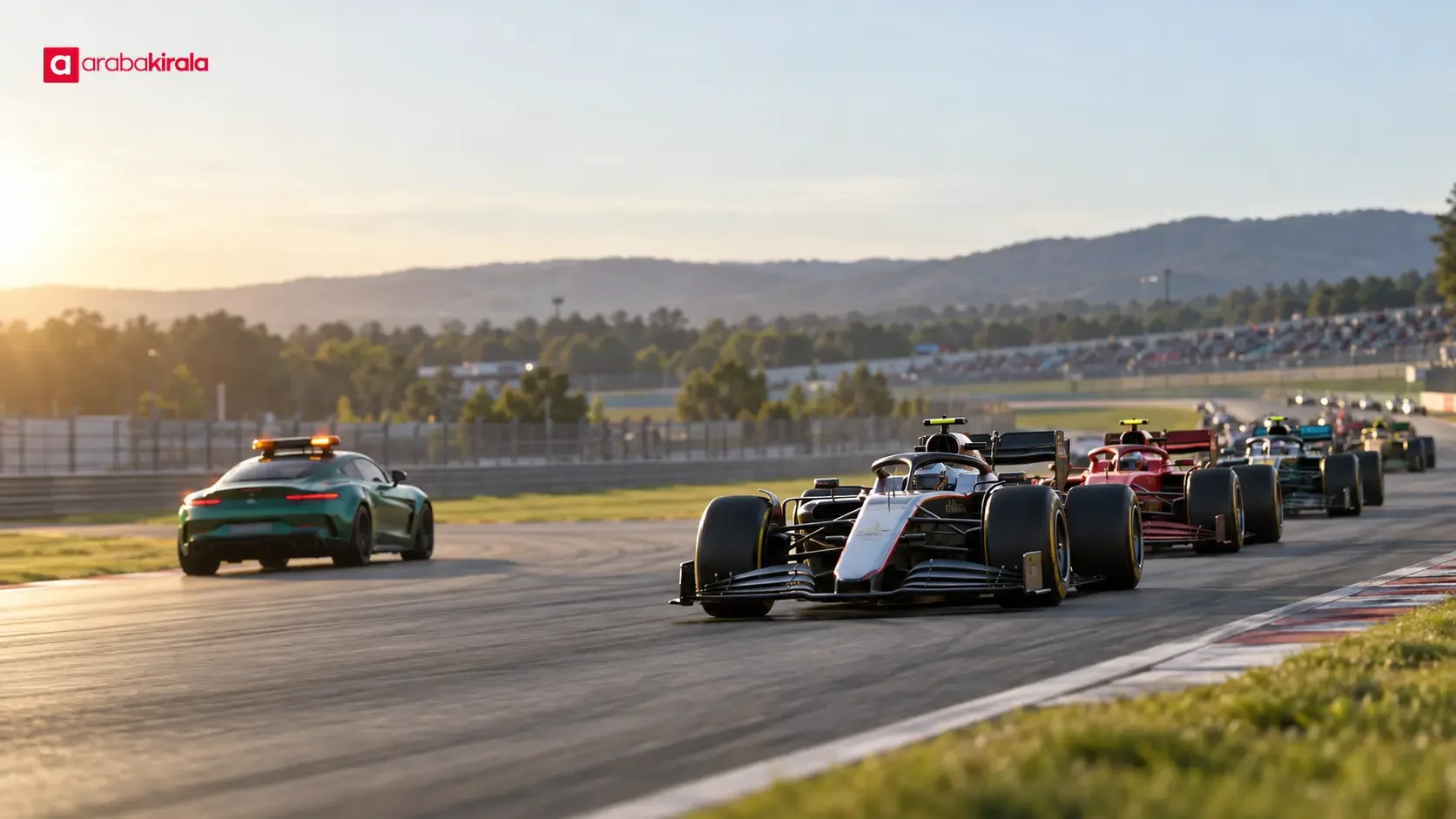
A Formula 1 safety car restart is the controlled transition from a caution period back to racing conditions. This guide explains why the safety car is deployed, how the field is managed, what it means when the car heads for the pit lane, and how viewers can recognize the actual restart. The essential sequence is straightforward: race control manages speed and position while a hazard is addressed, then communicates when normal racing can resume.
Why does the safety car come out?
A crash, a stranded car, debris, or another hazard may make a section of track unsafe for normal racing speed. Race control can deploy the physical safety car to lead the field at a reduced pace while marshals work or the track is cleared. Drivers follow the safety car and maintain the required order and spacing according to the applicable instructions. This reduces the chance that cars arrive at a work area at full speed.
A safety car period differs from a red flag. Under a safety car, cars generally continue circulating on track in a controlled line. A red flag stops the session or race, and drivers follow the instructions for returning to the pit lane or another designated place. A virtual safety car is different again: there is no physical car leading the field, and drivers must observe the prescribed speed reduction procedure. The race director determines which procedure applies to the circumstances.
How is the restart decision made?
Once race control assesses that the hazard has been dealt with and the circuit can be used safely, it begins the process of ending the safety car period. The decision is not inferred just from seeing the safety car leave the track. Drivers and teams receive official messages, and trackside light panels and flags communicate instructions. Those official signals govern the procedure.
During the period, cars form up behind the safety car and seek to preserve their positions. In some circumstances, lapped cars may be instructed to pass the safety car and rejoin the queue. That can clarify the order before the restart, but the procedure depends on the instructions for that particular situation. Viewers should use the official messages and timing information rather than assume that every event follows an identical sequence.
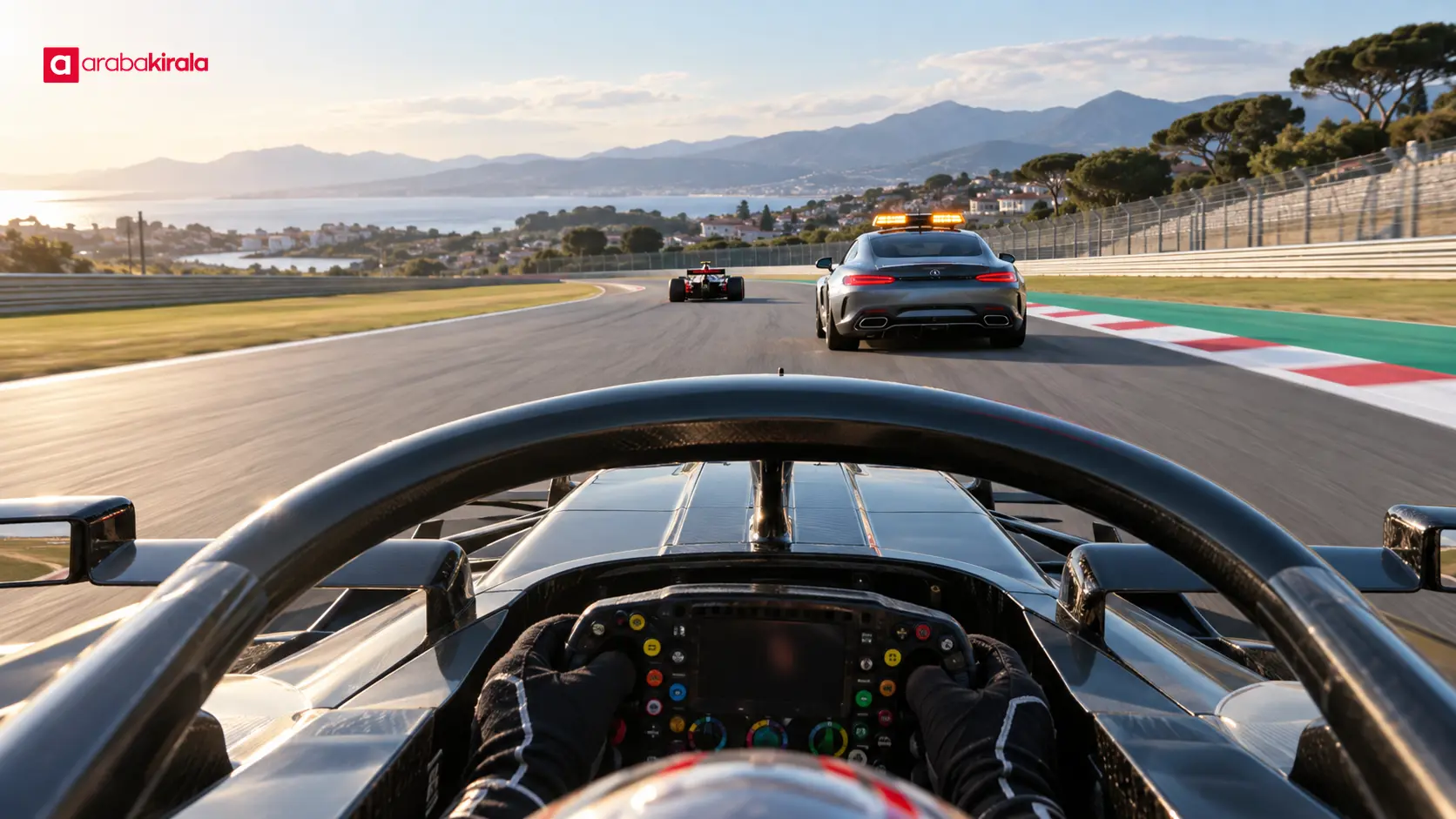
Does racing resume as soon as the safety car enters the pits?
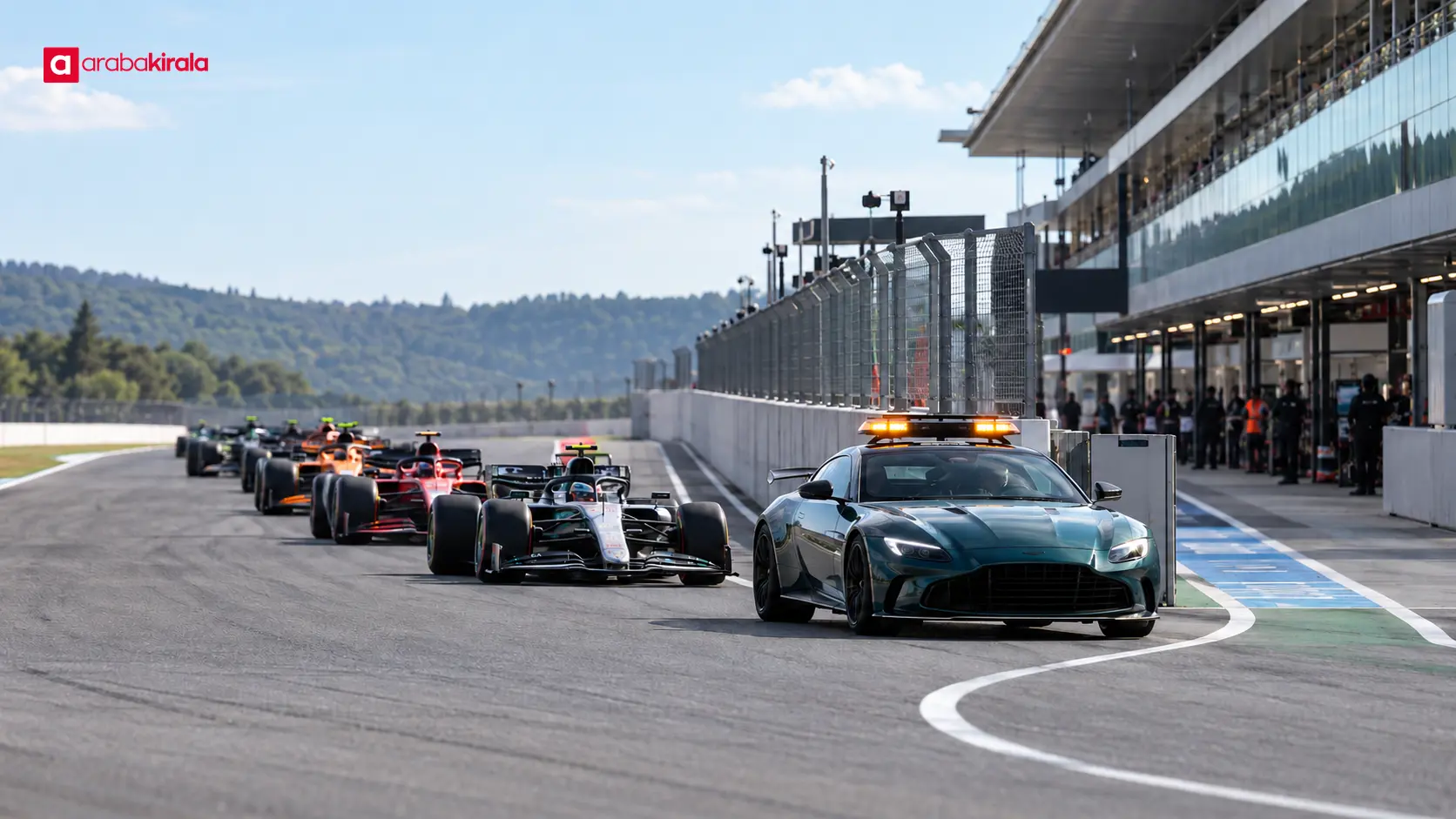
No single visual cue should be treated as the whole procedure. The safety car turning into pit entry marks a late stage, but drivers still follow race control’s restart instructions and the relevant track signals. The return to racing pace is tied to the prescribed signal and line, not simply to the moment the safety car is no longer visible.
Drivers may accelerate and prepare their tyres as the field approaches the restart. That does not mean they can accelerate without limit or attack whenever they choose. The rules govern how cars maintain position and when racing resumes. For the exact procedure in a particular season or event, consult current FIA regulations and official Formula 1 race communications, since technical and sporting details can change.
What do drivers manage during the restart?
Spacing and position
Cars are close together, so even a modest difference in braking or acceleration can affect the driver behind. Each driver monitors the car ahead as well as cars alongside. The order formed during the safety car period matters, and sudden, unpredictable movement can create a collision risk when visibility and reaction time are limited.
Tyre and brake condition
Circulating slowly changes the operating conditions of tyres and brakes. Drivers may use controlled movements to prepare the car for the return to speed and seek a useful operating range for the tyres. The purpose is to help the car respond predictably under acceleration and braking. Because the cars are close, aggressive weaving or abrupt braking can endanger nearby competitors; any preparation must remain within the rules and the conditions.
Visibility and track surface
The original hazard may have involved rain, poor visibility, debris, or a problem with the surface. Even after the immediate issue is resolved, grip can vary around the circuit. Drivers pay attention to wet patches, loose rubber, and warnings about marshal activity. A restart is a transition back to competition, not a guarantee that every part of the track has identical conditions.
How can viewers follow the restart?
Watch the safety car indicator, lap information, and official race-control messages on the broadcast. Graphics provide a helpful summary, but race control and trackside signals are authoritative. When the safety car turns off its lights or heads into the pit lane, the procedure is approaching its final stage. To identify when racing pace truly returns, follow the official restart signal and the cars crossing the relevant line.
Cars running side by side after the restart do not mean that the previous order has automatically been erased. Race control evaluates whether overtakes and incidents complied with the rules. Replays, timing screens, and official notices can help explain what happened. Keeping the safety car period, the restart signal, and subsequent passing separate in your mind makes the sequence easier to understand.
In brief: what to watch next
The safety car keeps the field under control while a hazard is cleared. When race control considers the track safe, it announces the end-of-period procedure; drivers retain the required order and follow restart instructions. The safety car leaving the circuit alone does not mean unrestricted racing has begun. Look for the official signal and the line that marks the return to racing. For a specific event, follow the race-control messages and current FIA documents to understand how the physical safety car, virtual safety car, and red flag differ.
Frequently Asked Questions
Can drivers overtake as soon as the safety car enters the pits?
The safety car entering the pit lane is not by itself the signal that overtaking is unrestricted. Drivers follow race control’s instructions and the restart signal; racing resumes under the defined procedure.
Why do cars slow down behind the safety car?
Reduced speed helps drivers pass a hazard area under control and gives marshals room to work. Keeping the field together also allows the order to be managed while the circuit is cleared.
What is the difference between a safety car and a virtual safety car?
A physical safety car leads the cars around the circuit. Under a virtual safety car, no physical car leads the field; drivers instead follow the race-control speed reduction procedure.
Why do drivers try to prepare their tyres before a restart?
Slow running can affect tyre operating temperature. Drivers use controlled preparation to help the car respond when acceleration and braking resume, while accounting for nearby cars and the rules.
Does every safety car period last the same number of laps?
No. Its duration depends on the hazard, track conditions, and race control’s safety assessment. There is no universal lap count to assume, so follow official race messages.
Legal Disclaimer: All content, articles and information on the Araba Kirala website are provided solely to inform users. No information shared on this website constitutes definitive advice or guidance. Araba Kirala Teknoloji A.Ş. and its authors cannot be held responsible for any direct or indirect damages arising from the application of information on the website. For all questions and requests regarding car rental, please contact the office from which you will rent your vehicle.