F1 Sprint vs Grand Prix: Points and Distance Explained
Published: November 21, 2026 • Reading Time: 5 min • Last Updated: November 21, 2026 • Author: Merve B.
Contents
F1 sprint vs Grand Prix describes differences in a race weekend’s format, points and target distance. This guide explains what the Sprint adds to selected weekends, how its points differ from the main race, and why lap count alone does not tell you the full distance. You will also learn how to read the schedule and results without treating the two races as one event.
What are the Sprint and Grand Prix?
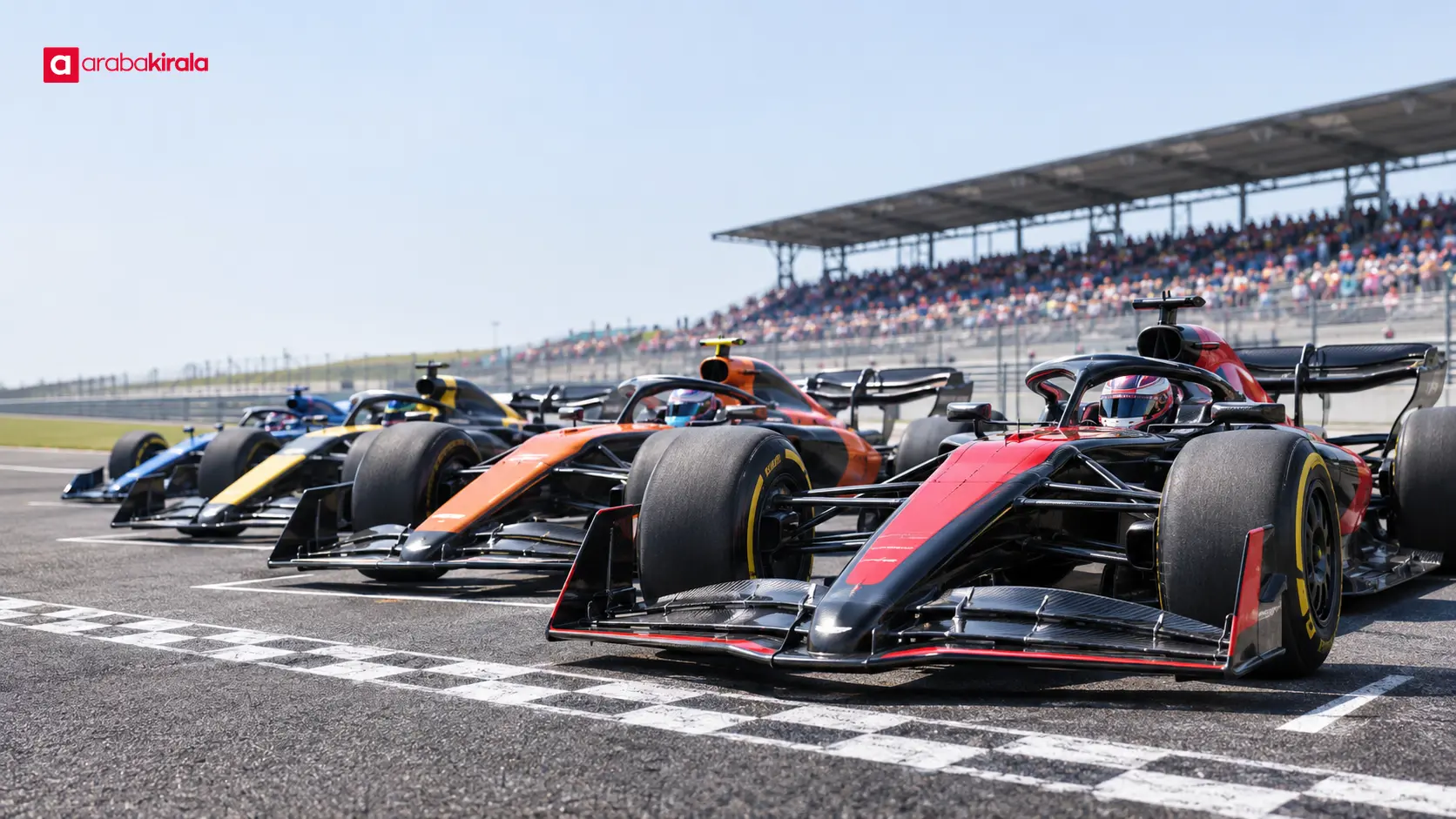
The Grand Prix is the weekend’s main race. It is the longer contest that usually anchors the event and determines its primary race classification. A Sprint is a separate, shorter race added to selected weekends. It has its own start, finish and result, even when it takes place on the same circuit as the Grand Prix.
A Sprint weekend uses a different session sequence from a standard weekend. The official schedule may list Sprint qualifying, the Sprint, Grand Prix qualifying and the Grand Prix as distinct sessions. The exact sequence can be updated by sporting regulations, so check the schedule for the specific event and season rather than assuming every weekend follows the same pattern.
How the points differ
The two races award points through separate classifications. Under the current scale, the top eight finishers in the Sprint score points: 8 for first, then 7, 6, 5, 4, 3, 2 and 1. In a Grand Prix, the top ten score points. The first three places receive 25, 18 and 15 points respectively, with the remaining positions set out in the official points table.
This means a Sprint win does not carry the same points value as a Grand Prix win. A driver adds points earned in each race to their championship total, while the Sprint result does not automatically set the Grand Prix starting grid. The main race’s grid is determined through the applicable qualifying session and sporting decisions.
When reading the standings, distinguish the drivers’ championship from the teams’ championship. Results from both races contribute to season totals, but a result in one race does not change the points scale or classification of the other. Provisional or later amended results can appear after an event, so use the official classification when checking a final total.
Distance: laps, circuit length and race target
Race distance is more than a lap count. It depends on the length of each circuit lap, the number of laps and the applicable race rules. A Sprint is designed to cover substantially less distance than a Grand Prix, so it normally has fewer laps. Circuits vary in length, however, so there is no single kilometre figure that describes every Sprint.
A Grand Prix is generally set around a target distance of 305 kilometres, with a shorter special target for Monaco. Sprint races have a substantially shorter target. The actual laps completed can differ from the expected running because of safety car periods, red flags, weather or sporting regulations. The official classification records the completed laps and elapsed time for the event.
This distinction helps with planning how to watch a weekend. The Sprint adds an earlier, shorter points contest. The Grand Prix provides a longer race context in which pit timing, tyre use and strategy unfold over more laps. Distance alone does not determine a team’s strategy; circuit layout and conditions also matter.
Do not confuse the Sprint result with the Grand Prix grid
The finishing order in the Sprint and the starting order for the Grand Prix are separate things. The Sprint is a race with its own grid and classification. The Grand Prix grid follows the qualifying process specified for that weekend, along with any applicable sporting decisions. A Sprint finishing position should not be read as the Grand Prix grid position.
Pay attention to the session names in the schedule. Sprint qualifying and Grand Prix qualifying may sound similar, but they produce different session results. The official event program lists the session names and times. If you are watching from another time zone, local event times may differ from your own clock.
A practical way to follow a race weekend
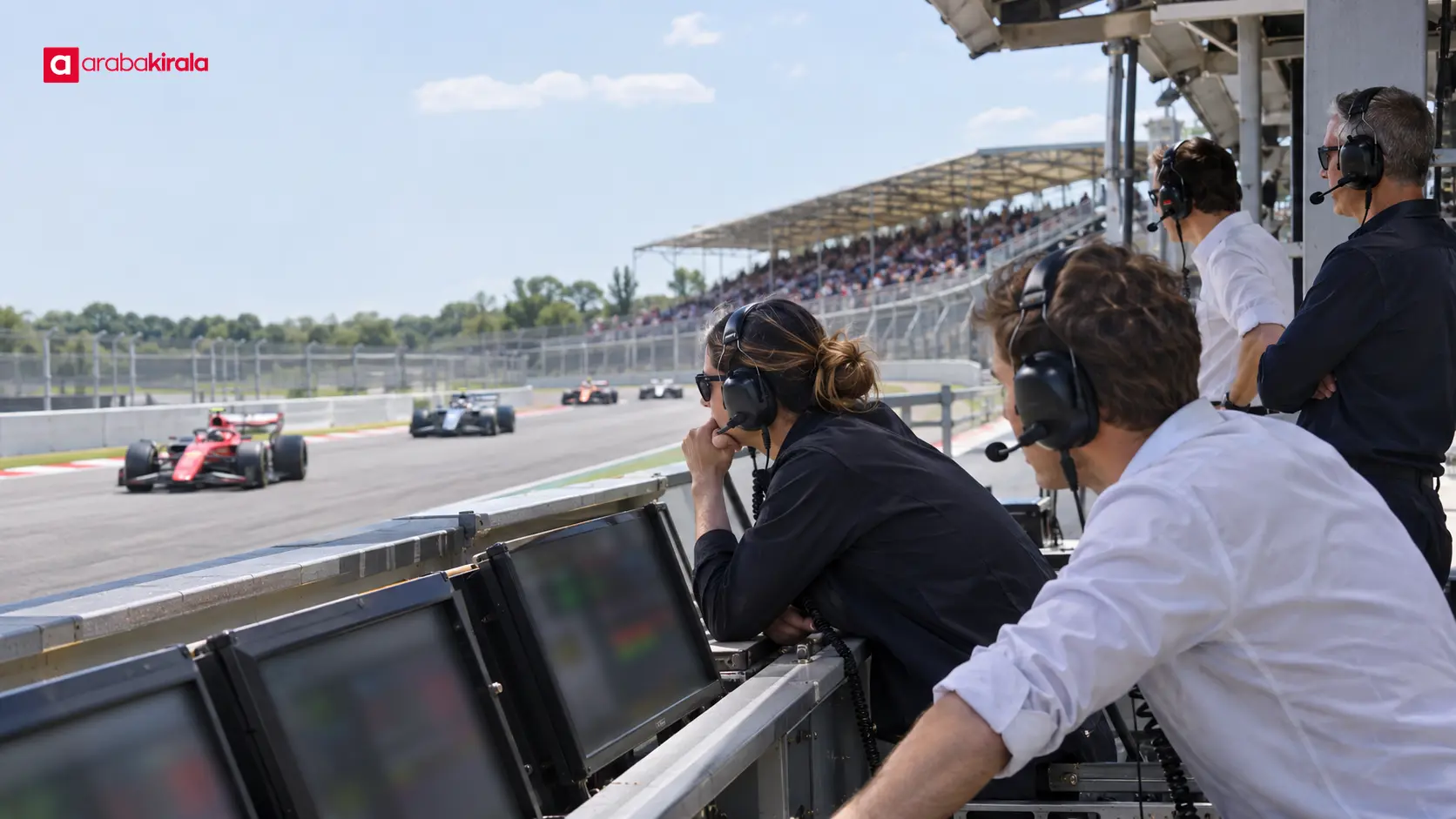
- Check whether the event uses the Sprint format; not every Grand Prix weekend includes a Sprint.
- Follow the session labels separately: Sprint qualifying, Sprint, Grand Prix qualifying and Grand Prix refer to different sessions.
- Read the Sprint and Grand Prix classifications separately, then check how each affects driver and team totals.
- Use circuit lap length and completed laps together when considering distance; lap count by itself can mislead.
- For points or result questions, consult the official classification and the current sporting regulations.
This sequence makes it easier to see where a driver’s points came from. Keeping Sprint and Grand Prix results separate also helps when comparing a driver’s performance across the different parts of the weekend.
In brief: what to check next
F1 sprint vs Grand Prix can be understood through three differences: the Sprint is a separate, shorter race; the points scales differ; and the Grand Prix remains the weekend’s main race. Lap count and actual distance depend on the circuit and race conditions, so do not apply one distance or duration to every event.
For the next race weekend, start with the official session schedule, read the Sprint and Grand Prix classifications independently, and then check the latest championship standings. These steps put the result and its points impact in the right context.
Frequently Asked Questions
Does the Sprint winner also win the Grand Prix?
No. They are separate races with separate classifications. The Sprint winner wins that Sprint; the Grand Prix winner is determined by the main race’s finishing order.
How many drivers score points in a Sprint?
Under the current scale, the top eight Sprint finishers score points, from 8 for first down to 1 for eighth. Check the season’s official regulations for the applicable rules.
How many drivers score points in a Grand Prix?
The top ten finishers score points in a Grand Prix. The first three receive 25, 18 and 15 points respectively; the remaining positions follow the official points table.
Are Sprint and Grand Prix races the same distance?
No. A Sprint is substantially shorter than a Grand Prix. Circuit length and the completed-lap count both matter when comparing actual distance.
Does the Sprint result set the Grand Prix starting grid?
The Sprint finishing order does not, by itself, set the Grand Prix grid. The grid follows the qualifying session and sporting decisions specified for that weekend.
Related Articles
- What Is an F1 Sprint Race? Its Place in the Grand Prix Weekend
- F1 Sprint Points: Scoring and the Grand Prix Connection
- Formula 1 Aerodynamic Drag and Straight-Line Speed Balance