Formula 1 Aerodynamic Drag and Straight-Line Speed Balance

Published: November 19, 2026 • Reading Time: 6 min • Last Updated: November 19, 2026 • Author: Merve B.
Contents
This guide explains Formula 1 aerodynamic drag, how it relates to downforce, and why teams balance straight-line speed against cornering performance. The key is that airflow forces influence more than a car’s peak speed: they also affect control, acceleration and the time a car can gain across a complete lap.
What is aerodynamic drag?
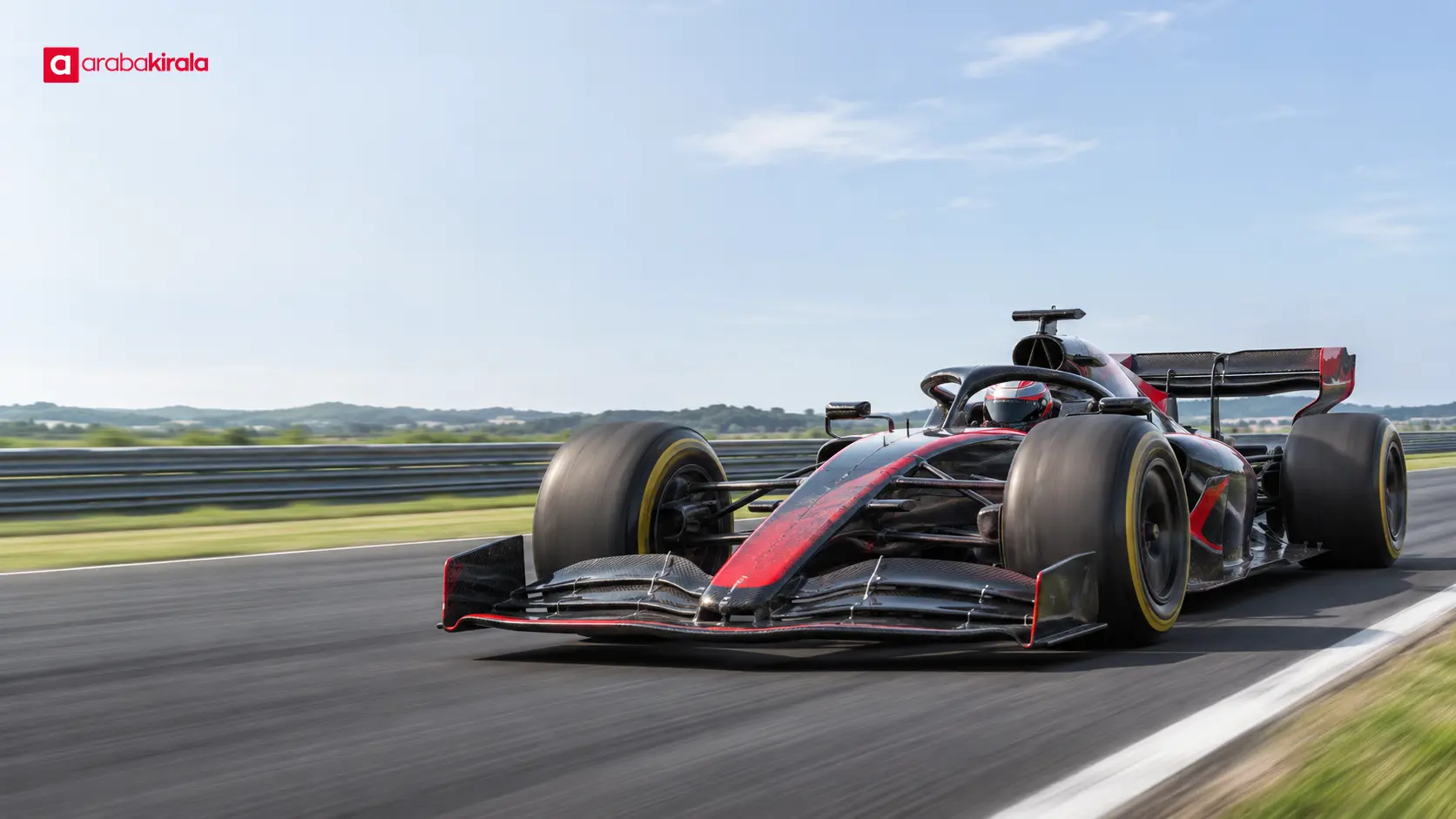
As a car moves through air, it displaces the airflow and encounters resistance. That resistance is aerodynamic drag. Its effect becomes more pronounced as speed rises, so a larger share of the power available at high speed goes toward overcoming the air. Acceleration on a straight and the speed a car can reach therefore depend on its shape in the airflow as well as its powertrain.
Drag is not simply a defect to remove. Aerodynamic parts guide the air and can help a car maintain grip, while also creating resistance. The aim is not always to minimize drag at any cost. It is to produce useful aerodynamic forces and support performance across the whole lap.
How downforce and speed interact
The airflow around the wings and body can generate a force that presses the car toward the track. Downforce supports the tyres’ contact with the surface and helps the car change direction at speed, particularly in corners. Yet wing angles and body configurations that increase this force can also increase drag in many conditions.
The front wing manages airflow around the front of the car and influences the air near the front tyres. The rear wing contributes downforce at the back and affects both balance and resistance on a straight. Neither part works in isolation: the relationship between front and rear aerodynamic load helps determine the car’s response at corner entry and through the turn.
More downforce can support cornering, while costing speed on a straight. A lower-drag configuration may help the car accelerate or reach a higher speed along a straight, while making it harder to use the available grip in corners. Teams consider the complete aerodynamic balance and the distribution of lap time, rather than judging a single component on its own.
Why circuit characteristics matter
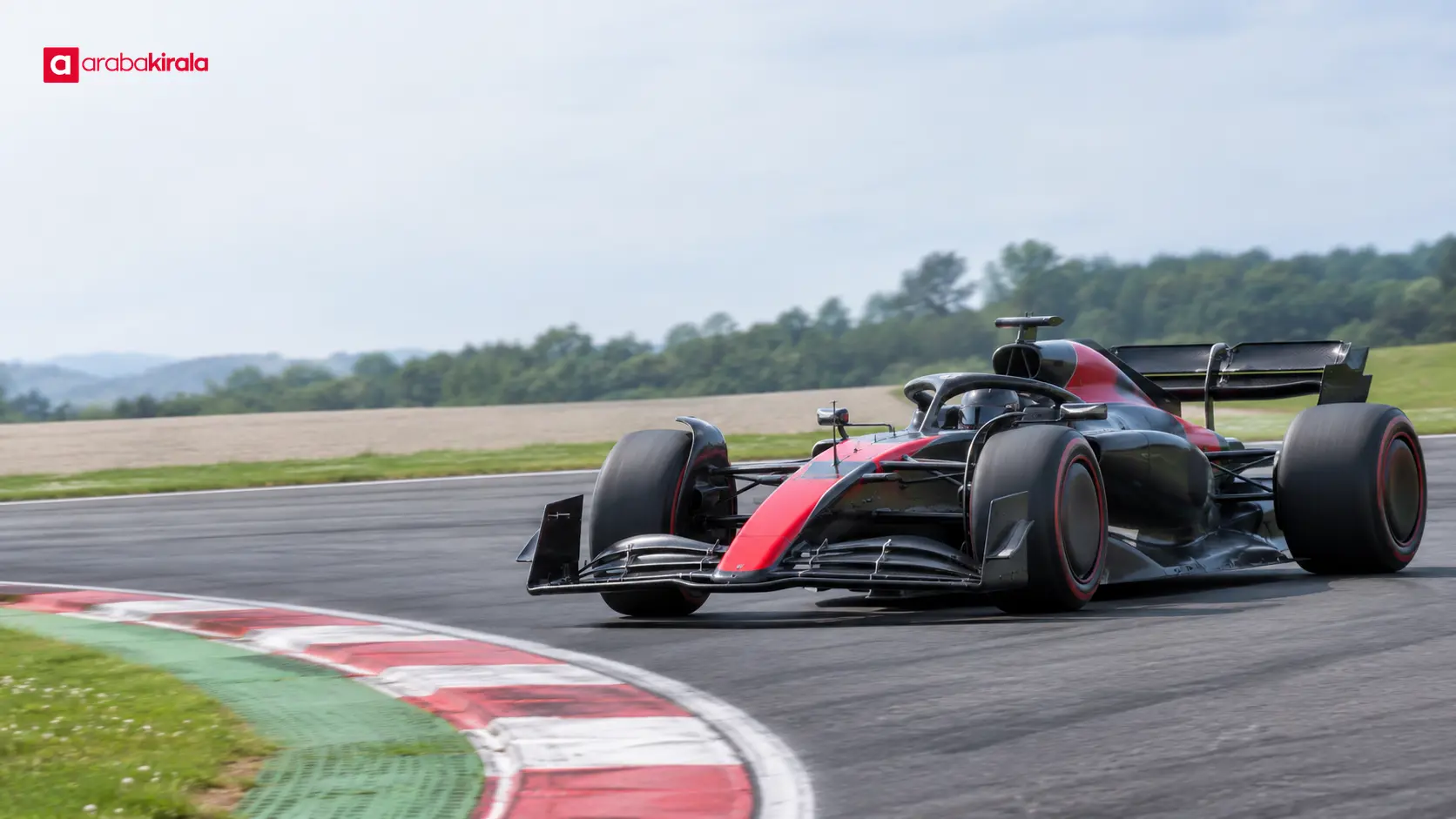
Long straights and fast corners create different setup priorities. Where straights occupy a significant part of a circuit, reducing air resistance can be attractive. On a layout with many fast turns, downforce and predictable balance may contribute more to lap time. Even one long straight does not determine the entire setup: braking zones, corner shapes and the acceleration sections after corners also matter.
The link between a corner exit and the following straight is especially important. A car that leaves a corner slowly starts the straight at a disadvantage. That means a high speed at the end of the straight may not recover the time lost earlier. In the same way, extra corner speed from greater downforce may be worth more than the speed lost later. Teams assess the combined time gained or surrendered in different parts of the lap.
How teams evaluate the balance
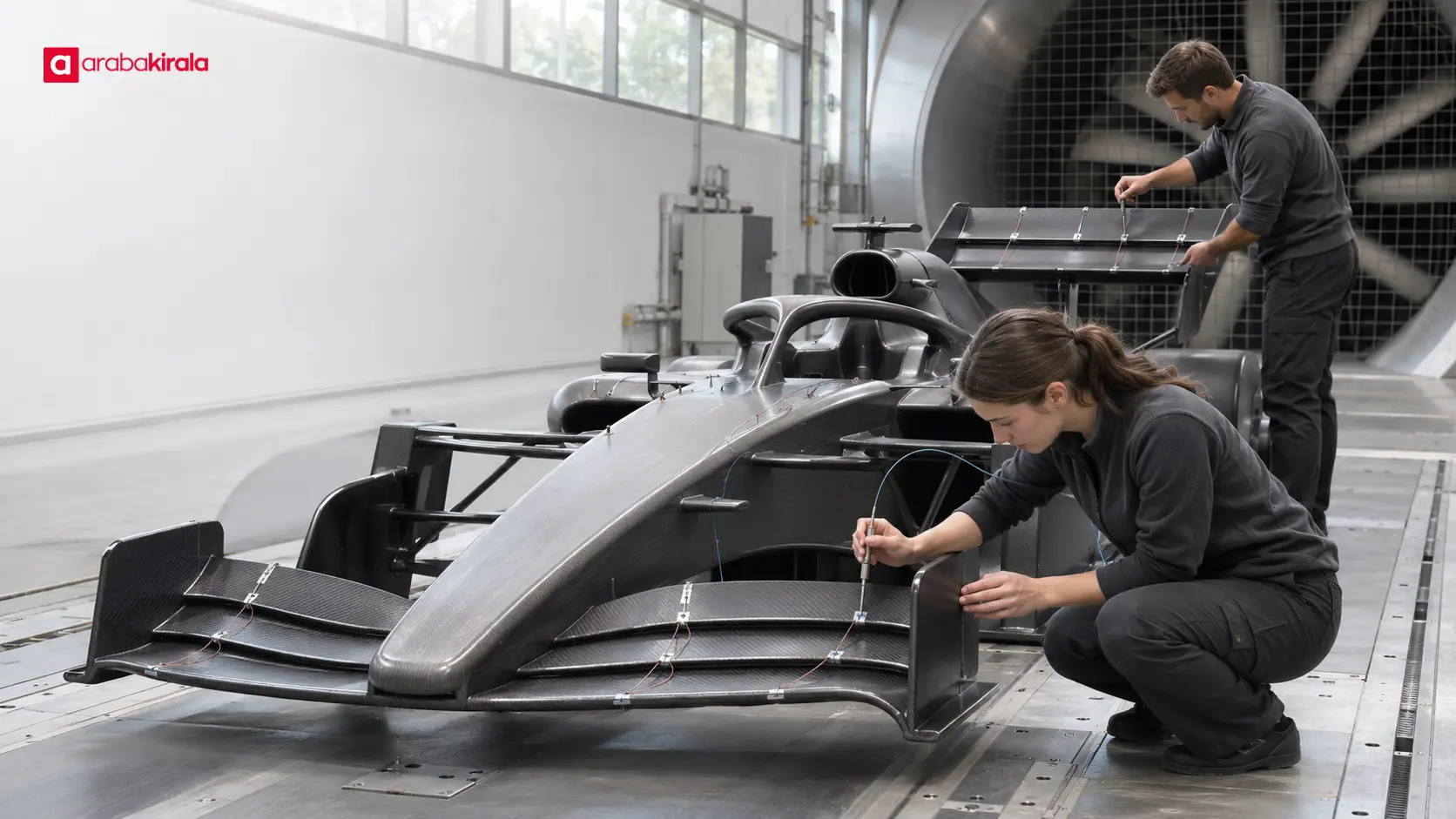
Setup work involves examining aerodynamic options on track or in simulation. Teams consider driver feedback, the car’s response on corner entry, its consistency mid-corner and the way it accelerates onto a straight. One speed reading cannot explain why a car is fast or slow; where and under what conditions the reading was taken also matters.
Wind direction and strength can change the airflow the car encounters. Track surface, tyre condition and vehicle balance also affect the grip the driver can use. Because of these variables, a configuration expected to reduce drag is not automatically quicker on every lap or at every circuit. Teams interpret measurements alongside what the driver feels and search for a useful compromise.
Wing adjustment is one visible part of this work, but a simple instruction such as “reduce the wing” does not describe the whole car. The front-to-rear distribution of aerodynamic load must be considered alongside airflow under and around the body. Since the effects depend on the circuit and conditions, a race setup is best understood as a set of linked choices.
Why the balance matters to viewers
How two cars look on a straight does not reveal which one is faster over a lap. One car may reach a higher speed there but lose time in corners; another may gain through turns and give some of that advantage back before the straight ends. Race situations such as following another car and positioning for an overtake also add context beyond a basic speed difference.
Understanding drag and downforce helps explain why cars can look different from one circuit to another. A car that appears quick on a straight may struggle more in corners, while a strong car through a twisty section may give up ground on a long straight. These are possible effects of an aerodynamic compromise, but a single onboard view is not enough to establish a car’s exact technical setup.
Summary and a viewing checklist
Formula 1 aerodynamic drag is the resistance air creates against a car’s motion; downforce is an aerodynamic effect that supports grip, especially in corners. The balance between them shapes straight-line speed, cornering capability and performance across different sections of a lap. The value of a setup depends on the circuit and the behaviour of the car as a whole.
- When watching straight-line speed, also notice how the car accelerates out of the preceding corner.
- Through cornering sections, observe whether the car holds a stable balance and line.
- Avoid drawing a conclusion about overall pace from one speed reading.
At the next race, follow how cars transition from a corner onto a straight as well as the speeds they reach. That makes the trade-off between aerodynamic drag and downforce easier to understand.
Frequently Asked Questions
How does aerodynamic drag slow a car?
Air resists the car’s forward motion. Some of the available power goes toward overcoming that resistance, and the effect of the airflow becomes more pronounced as the car travels faster.
Does less drag always mean a faster lap?
No. Lower drag can help straight-line speed, but if it comes with less downforce or a less stable cornering balance, the car may lose more time elsewhere. The outcome depends on the full circuit.
Why is downforce useful in corners?
Aerodynamic load helps the tyres stay supported against the track, allowing the car to change direction. The amount of load and how it is distributed between front and rear also affect balance.
Do the front and rear wings do the same job?
Both influence airflow and aerodynamic load, but their positions mean they affect different parts of the car and its balance. Their settings are considered together.
How can viewers tell if a car is faster onto a straight?
Look at acceleration from the corner exit, speed early on the straight and speed at its end. A single point or display cannot describe the car’s overall lap performance.