
How Speed, Roads, and Tires Affect Braking Distance
Published: November 1, 2026 • Reading Time: 7 min • Last Updated: November 1, 2026 • Author: Merve B.
Learn the difference between braking distance and total stopping distance, and how speed, driver reaction, road conditions, tires, and vehicle load affect a stop. Practical guidance for safer driving.
Contents
- Braking distance and stopping distance are different
- Why speed has such a strong effect
- Reaction time adds distance before braking begins
- How road and weather conditions matter
- Slopes and bends
- Tires and vehicle condition
- Load, passengers, and braking technique
- A short check for safer driving
- In summary: leave room to stop
- Frequently Asked Questions
The factors that affect braking distance include speed, the driver’s reaction time, road grip, tire condition, and the vehicle’s load. This guide explains the difference between braking distance and total stopping distance, how weather and tires change braking, and which everyday habits help you leave enough room to stop safely.
Braking distance and stopping distance are different
Braking distance is the distance a vehicle travels after braking begins until it comes to a stop. Before that, the driver has to notice a hazard, decide to respond, and move a foot to the brake pedal. The distance covered during that interval is reaction distance. Add reaction distance to braking distance and you get total stopping distance: the road covered from noticing a hazard to coming to a complete stop.
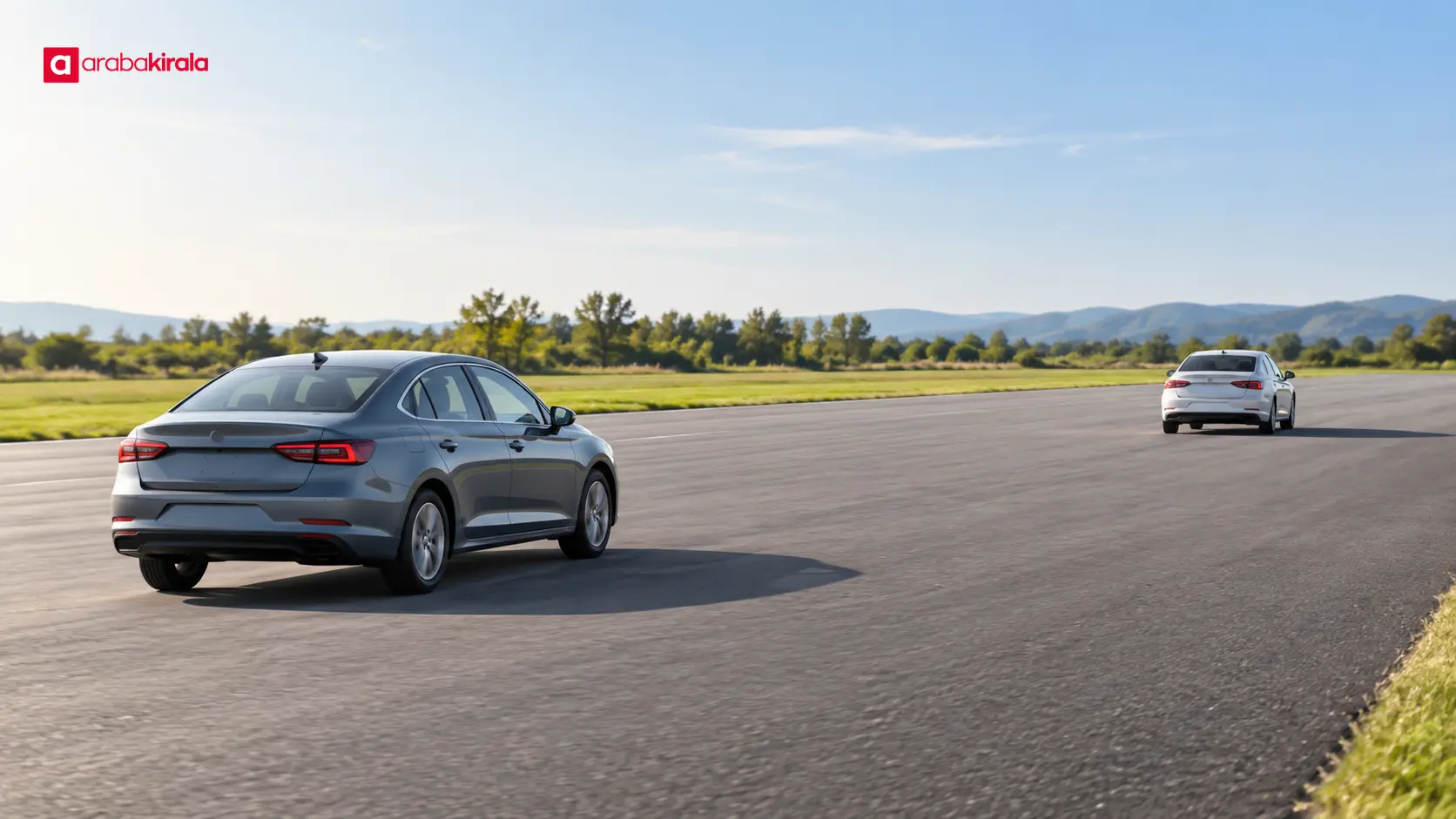
The distinction matters because a discussion focused only on brakes overlooks the time a driver needs to respond. As speed rises, the vehicle covers more ground while the driver reacts, and more distance may be needed to slow the vehicle down. A safe following gap should leave time to notice changes ahead and respond, as well as room for the vehicle to stop.
Why speed has such a strong effect
A faster vehicle travels farther in the same amount of time. Its motion also involves more energy that the tires and braking system must help reduce. It is unsafe to assume that a small increase in speed will cause only a similarly small increase in the distance needed to stop. Braking distance varies with conditions and can grow substantially as speed increases.
A posted speed limit does not mean that the same speed is safe in every situation. Reduce speed when visibility is limited, the road is wet, traffic is building, or a bend is approaching. Set speed according to how much road you can see and the room available to slow down smoothly, rather than following closely behind another vehicle.
Reaction time adds distance before braking begins
Distraction, fatigue, and poor visibility can delay the moment a driver recognizes a hazard. Even with a well maintained braking system, a vehicle keeps moving until the driver presses the pedal. Keep your attention on the road, avoid handling a phone, and reduce sources of visual obstruction. If you feel drowsy, the safest choice is to stop driving and rest.
How road and weather conditions matter
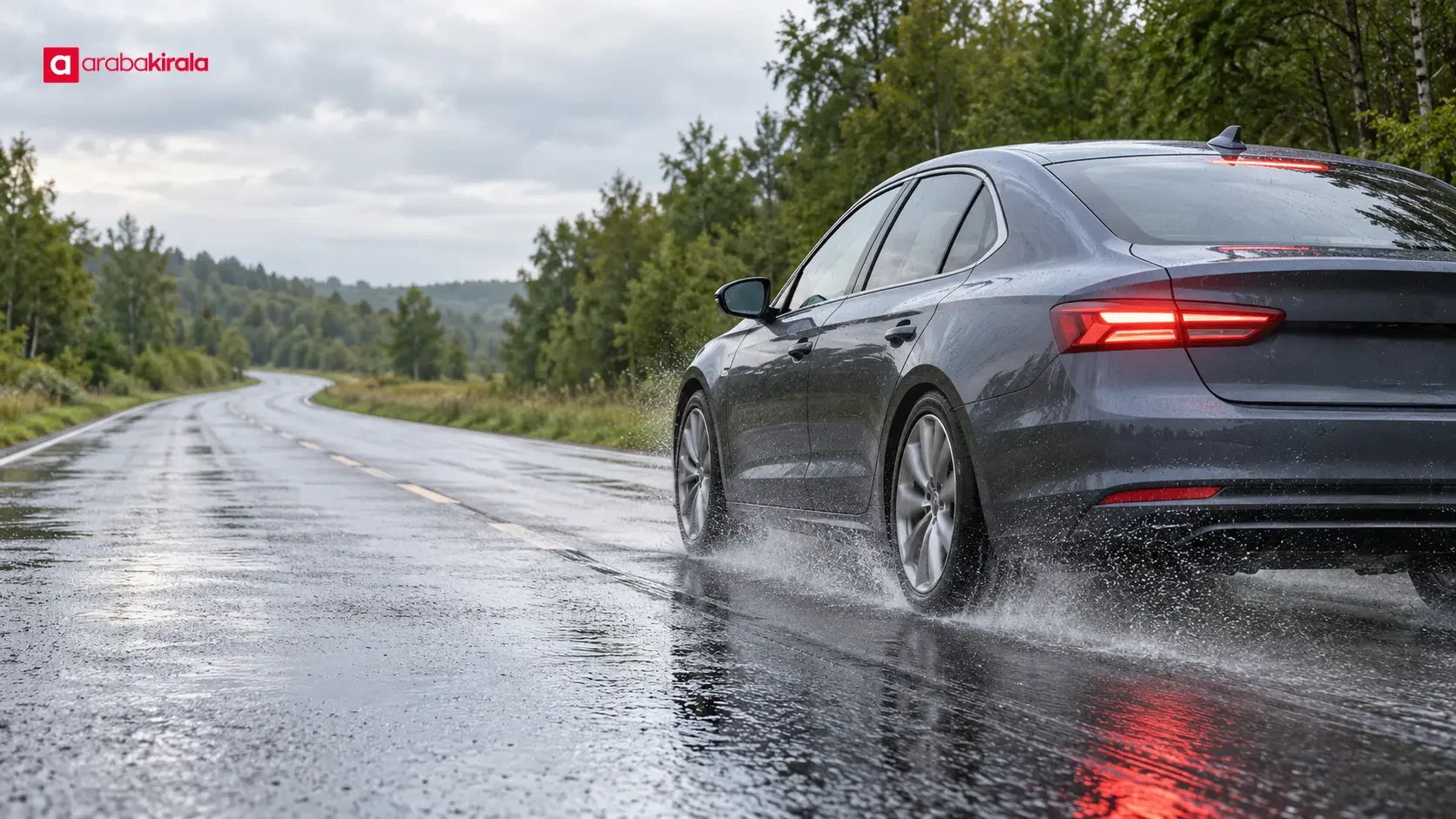
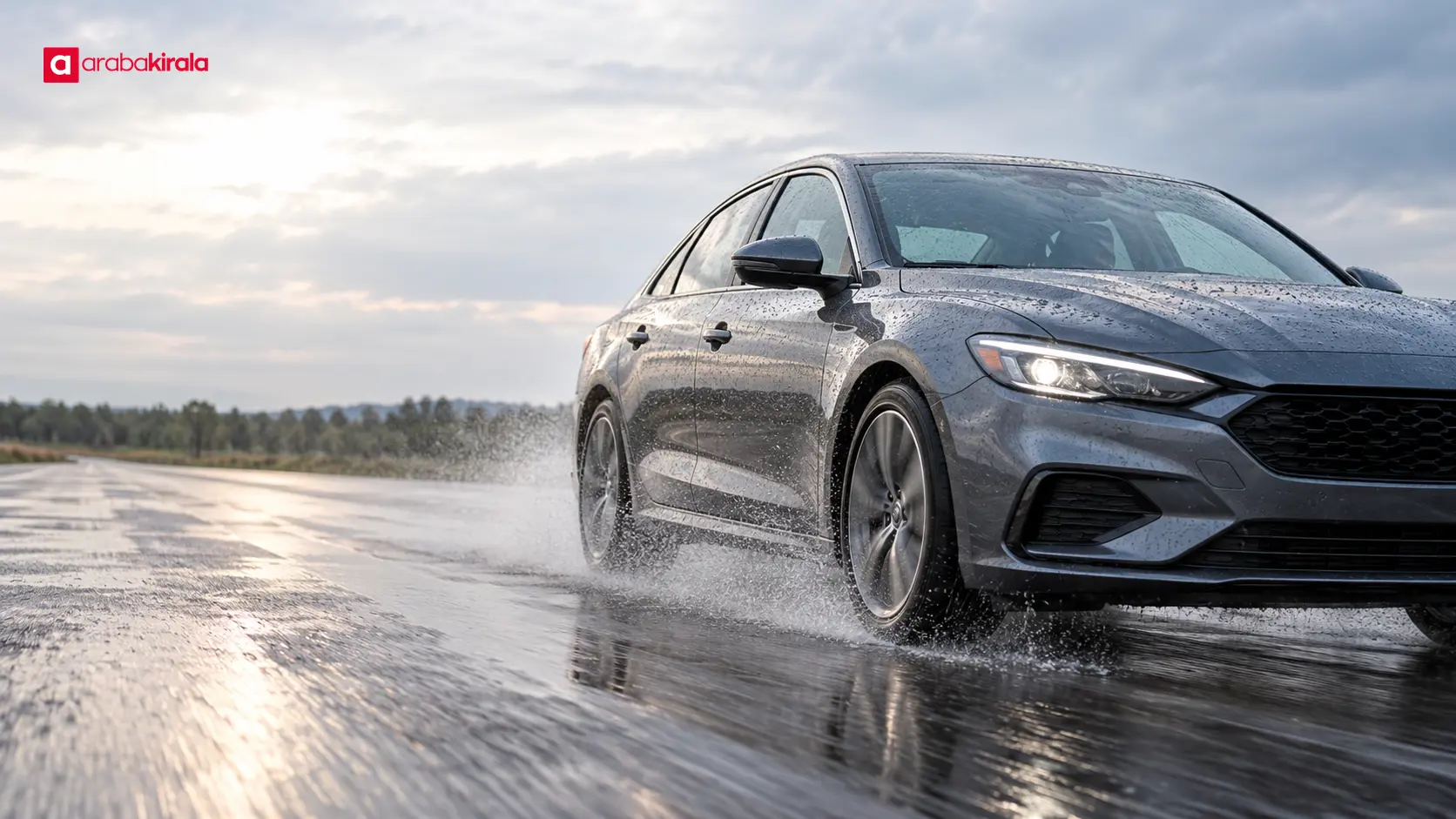
The grip between tires and the road affects how quickly a vehicle can slow down. Clean, dry pavement does not provide the same conditions as a surface covered with water, loose gravel, mud, or ice. Water can reduce direct tire contact with the road; standing water and worn pavement can make control more difficult. Allow for a potentially longer stop by reducing speed and increasing the gap ahead.
When rain first begins, dirt and oily residue on the road can make the surface especially slippery. As rain continues, visibility may also fall, affecting reaction time and the room available for a safe maneuver. Fog, darkness, and spray from other vehicles can make a hazard harder to see. Use headlights and wipers appropriately, and do not compensate for reduced visibility by moving closer to the vehicle ahead.
Slopes and bends
On a downhill slope, gravity tends to increase the vehicle’s speed. Reduce speed before beginning the descent and use an appropriate gear. In a bend, tires need grip both to change direction and to slow down. Hard braking or a sudden steering input can upset the vehicle’s balance. Slow before entering the bend and make smooth steering and pedal inputs.
Tires and vehicle condition
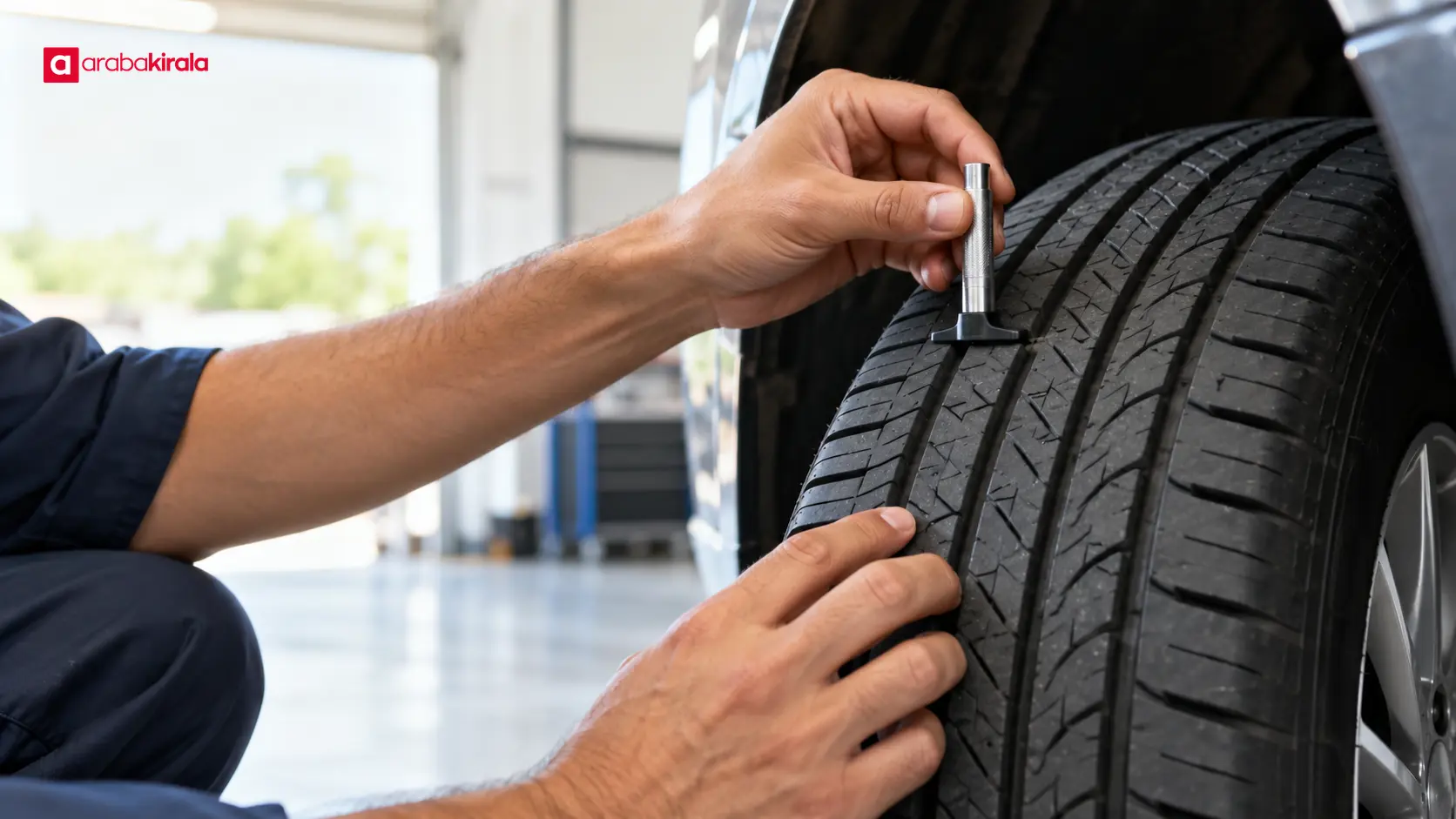
Tire tread, inflation pressure, and overall condition all contribute to road grip. Tread helps channel water away from the contact area; worn tread can reduce wet-road grip and water evacuation. If a tire has visible cuts, bulges, or unusual wear, have a qualified professional assess it.
Check tire pressure against the vehicle maker’s specified values; the correct figures can vary with the vehicle, tire, and load. Use an appropriate gauge and follow the maker’s instructions. When collecting a rental car, report visible tire damage or a tire warning light to the branch before setting off, and ask what steps to follow.
The braking system, suspension, and driver assistance systems also contribute to controlled slowing. If a brake or tire warning appears, or the pedal feels unusually soft, vibrates, or makes an unfamiliar noise, stop somewhere safe and request assistance rather than continuing as normal. Use the vehicle manual and qualified technical support for diagnosis or repair.
Load, passengers, and braking technique
A heavier load changes the vehicle’s mass and can affect braking conditions. Place luggage securely and distribute it sensibly; do not leave items in the cabin where they can obstruct your view or move during braking. Consult the owner’s manual for the vehicle’s load limits and instructions.
Looking ahead helps reduce the need for sudden braking. Notice traffic lights, junctions, and slowing vehicles early; ease off the accelerator and reduce speed progressively. In an emergency, follow the vehicle manual’s guidance. ABS helps prevent the wheels from locking during braking, but it does not guarantee a shorter stopping distance on every surface and cannot replace a safe following gap. If you are unsure how the system or brake pedal behaves, read the manual before driving.
A short check for safer driving
- Adjust speed to visibility, traffic, road surface, and weather.
- Leave a sufficient gap; increase it in rain, darkness, or limited visibility.
- Pay attention to visible tire damage, wear, or warning indicators.
- Use smooth, predictable braking and steering; slow down before a bend.
- If a warning light appears or the brakes behave unusually, stop safely and get help.
- Tell the rental branch about a technical concern you notice before driving away.
In summary: leave room to stop
Knowing the factors that affect braking distance helps you leave more time and space on the road. Consider speed, reaction time, tire condition, road grip, slope, and load together. When conditions change, reduce speed and increase your following gap. If a warning or fault appears, stop safely and seek assistance. If you have a technical question or notice something during rental pickup, clarify it with the branch you are collecting from, then plan your route and speed for the road conditions you actually face.
Frequently Asked Questions
What is the difference between braking distance and stopping distance?
Braking distance starts when braking begins and ends when the vehicle stops. Total stopping distance also includes the reaction distance traveled while the driver notices a hazard and responds.
Does doubling speed double braking distance?
It is not safe to treat that as a fixed rule for every vehicle and road. As speed increases, the distance needed to stop can grow considerably; the result depends on the road, tires, vehicle, and braking conditions. Leave more room as speed rises.
Why can braking distance increase on a wet road?
Water can reduce grip between the tires and the surface, and worn tires or standing water can add risk. Rain can also reduce visibility, so slow earlier and leave a larger gap.
Why does tire tread matter when braking?
Tread helps move water away from the contact area, particularly on wet roads. Wear or damage can affect grip, so check tire condition and use the inflation pressure specified by the vehicle maker.
Can I follow more closely if the car has ABS?
No. ABS helps prevent wheel lock during braking, but it does not create unlimited grip or guarantee a shorter stop in every condition. Keep a safe following gap.
What should I do if a rental car shows a brake or tire warning?
Stop in a safe place and tell the branch where you rented the car, describing the warning, your location, and how the vehicle is behaving. Ask the branch how to proceed and whether assistance is needed; do not try to repair a technical fault yourself.
Legal Disclaimer: All content, articles and information on the Araba Kirala website are provided solely to inform users. No information shared on this website constitutes definitive advice or guidance. Araba Kirala Teknoloji A.Ş. and its authors cannot be held responsible for any direct or indirect damages arising from the application of information on the website. For all questions and requests regarding car rental, please contact the office from which you will rent your vehicle.












