
How Do Formula 1 Motor Generator Units Recover Energy?
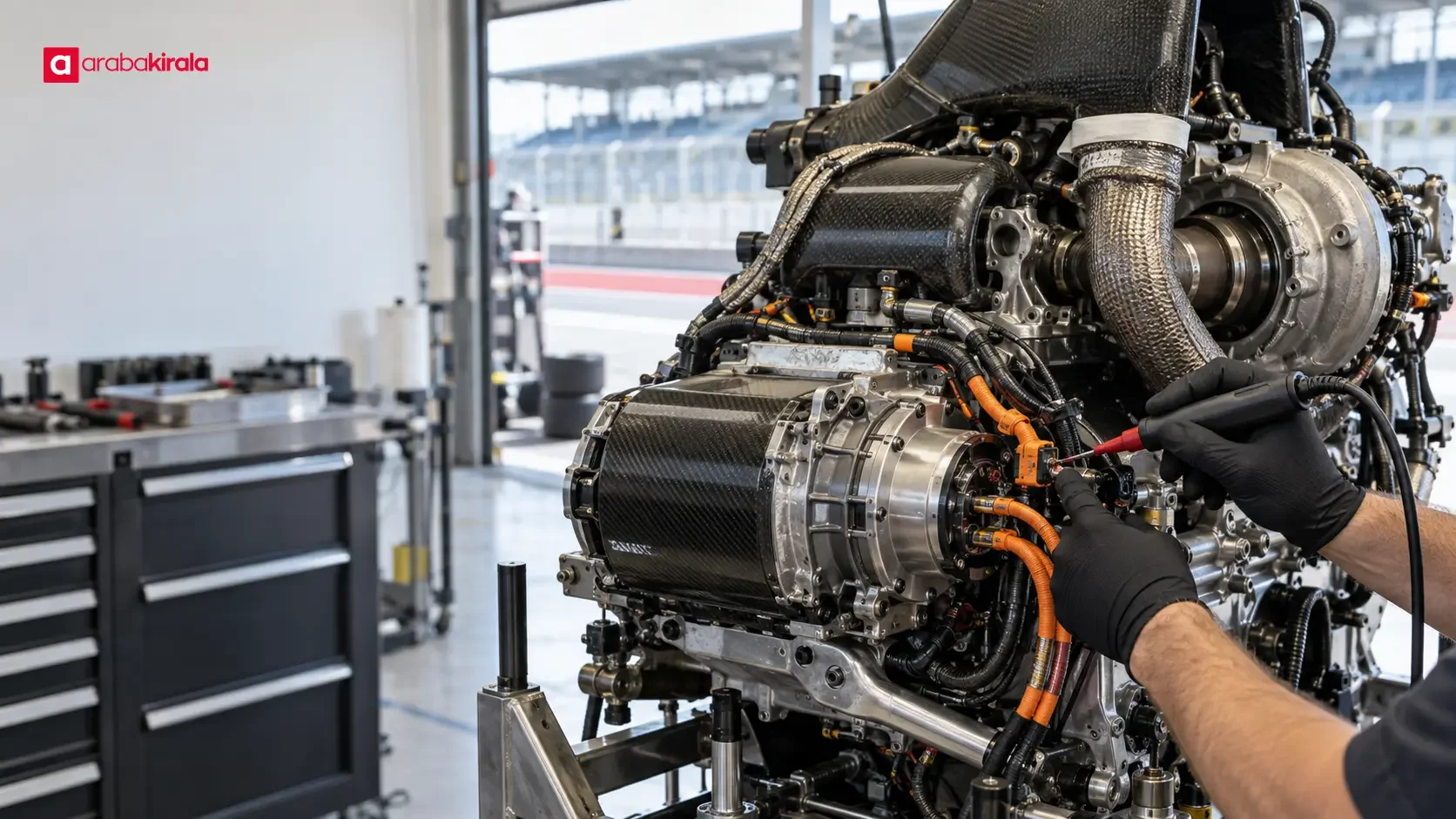
Published: October 14, 2026 • Reading Time: 8 min • Last Updated: October 14, 2026
Learn how the MGU-K and MGU-H move energy through a Formula 1 hybrid power unit, from braking and exhaust flow to storage and power delivery.
Contents
- What is a motor generator unit?
- MGU-K: turning braking energy into electricity
- How does the energy flow?
- MGU-H: drawing energy from exhaust flow
- How the MGU-K and MGU-H differ
- Why do the battery and power electronics matter?
- How do the driver and circuit affect energy use?
- Why can energy recovery improve efficiency?
- The role of regulations and technical generations
- What to watch for during a race
- Summary and next step
- Frequently Asked Questions
Formula 1 energy recovery converts part of the energy associated with slowing the car and moving exhaust gases into electrical energy that can be used later. This guide explains the jobs of the MGU-K and MGU-H, how electricity can flow through the hybrid power unit, and why the two machines do not by themselves describe the car’s total performance.
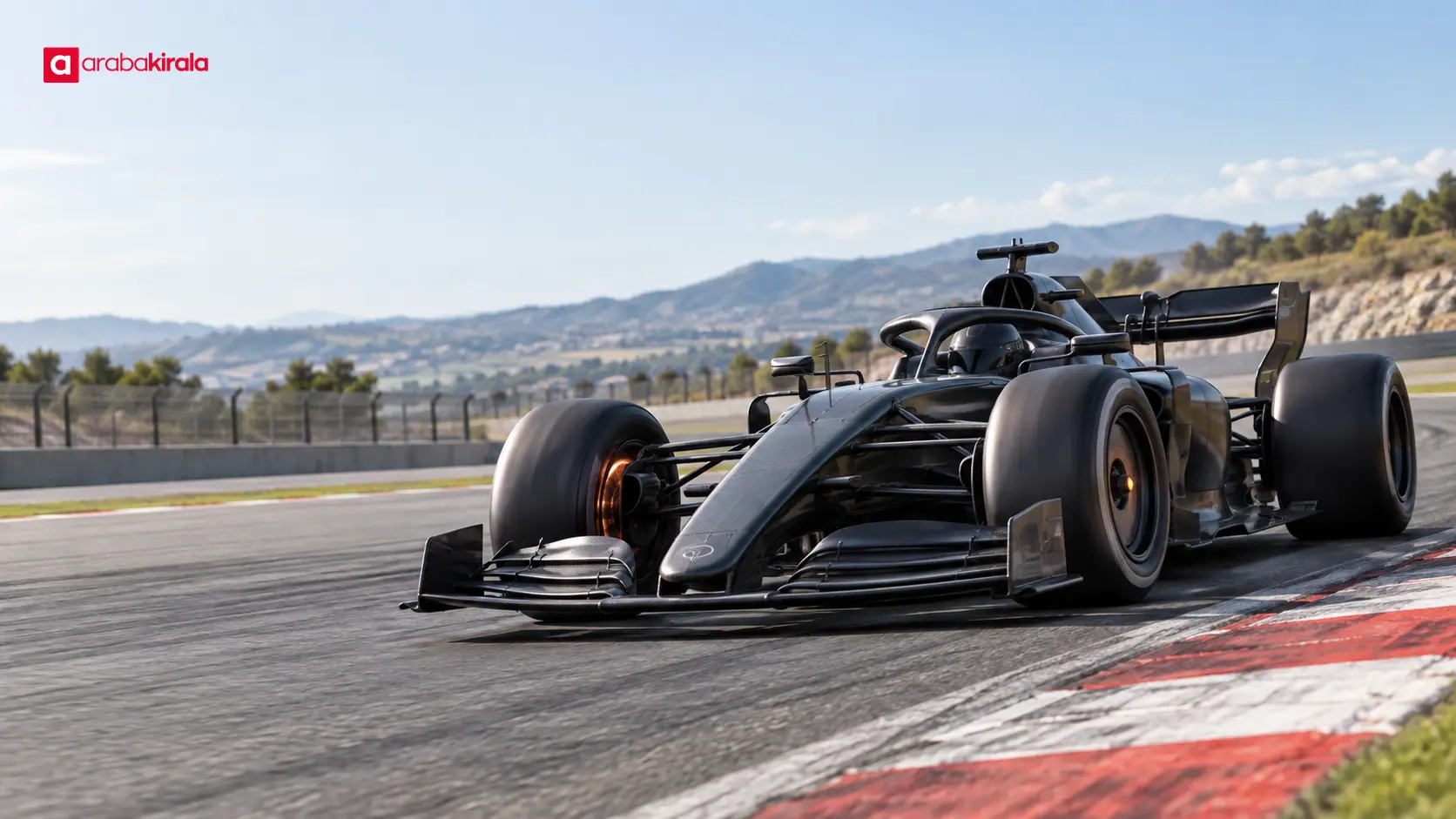
What is a motor generator unit?
A motor generator unit is an electrical machine that can work in two directions. Supplied with electrical energy, it can produce rotation and torque. Driven by a rotating shaft, it can generate electricity. This ability to switch between motor and generator operation is central to the energy exchange in a hybrid power unit.
The machine does not create energy. It converts energy already present in another form, and conversion brings losses. Electricity may be stored in a battery or, under suitable operating conditions, sent to an electric machine for power delivery. Recovery therefore means reusing part of energy that would otherwise be largely dissipated as heat or carried away in exhaust flow, not multiplying energy without cost.
MGU-K: turning braking energy into electricity
The MGU-K is the kinetic energy recovery machine connected to the powertrain. During acceleration it can operate as an electric motor and add torque to the power unit. When the driver brakes, its operating direction can change: it takes energy from the rotating drivetrain and generates electricity. That process also contributes to slowing the car.
Conventional brakes remain essential. Friction brakes slow and stop the car, while MGU-K generation can take on part of the braking work. The requested deceleration, circuit conditions, and the system’s ability to accept energy all matter. The generated electricity cannot be stored without limit: the battery, power electronics, and control system need to remain within their operating ranges.
How does the energy flow?
- During braking, the wheels and drivetrain keep turning while the MGU-K operates as a generator.
- Power electronics manage the transfer of generated electricity into the battery system.
- Later, stored energy may be returned to the MGU-K within the applicable rules and system controls.
- The MGU-K then operates as a motor and helps accelerate the car.
This cycle explains how some braking energy can be reused on a straight or during acceleration. Not every braking event generates the same amount of electricity. Speed, braking intensity, circuit layout, battery state of charge, and energy management all affect the result.
MGU-H: drawing energy from exhaust flow
The MGU-H is an electrical machine associated with the turbocharger turbine. Hot, fast exhaust gas from combustion spins the turbine, and the MGU-H can generate electricity from movement at the turbine shaft. It can therefore transfer some energy associated with exhaust flow into the electrical system. Depending on operating conditions, its direction can also change: in motor operation it can help influence turbo shaft speed and support management of turbocharger response.
A turbocharger uses a compressor to send more air into the engine. The MGU-H’s ability to generate electricity and influence shaft movement creates a control relationship that cannot be reduced to “getting power from the exhaust.” The balance among turbine, compressor, engine, electrical machine, and battery shapes how the power unit behaves.
How the MGU-K and MGU-H differ
- Energy source: The MGU-K mainly uses the car’s kinetic energy; the MGU-H is associated with exhaust-driven movement at the turbocharger turbine.
- Connection: The MGU-K connects to the drivetrain, while the MGU-H connects to the turbocharger shaft.
- Role: The MGU-K relates more directly to braking and torque assistance; the MGU-H links exhaust energy, turbo response, and electrical energy flow.
The fact that both units can generate electricity does not make them interchangeable. One works with the car’s kinetic energy and the other with movement created by exhaust flow through the turbocharger. That distinction makes it easier to trace where energy comes from in the hybrid power unit.
Why do the battery and power electronics matter?
The battery is an energy store; it does not produce energy. Electricity from the motor generator units can pass through power electronics into the battery and can later be sent back into the system when needed. Power electronics control the flow of electrical energy and the operating mode of electrical machines so the components can work together.
Storage capacity and energy flow are different ideas. At a particular moment, the battery may not be able to accept or deliver energy in the same way. Energy management therefore coordinates when energy is generated and used. A racing car cannot necessarily store all the energy captured at every braking point; technical limits and sporting regulations affect how much can be stored, where, and when it can be used.
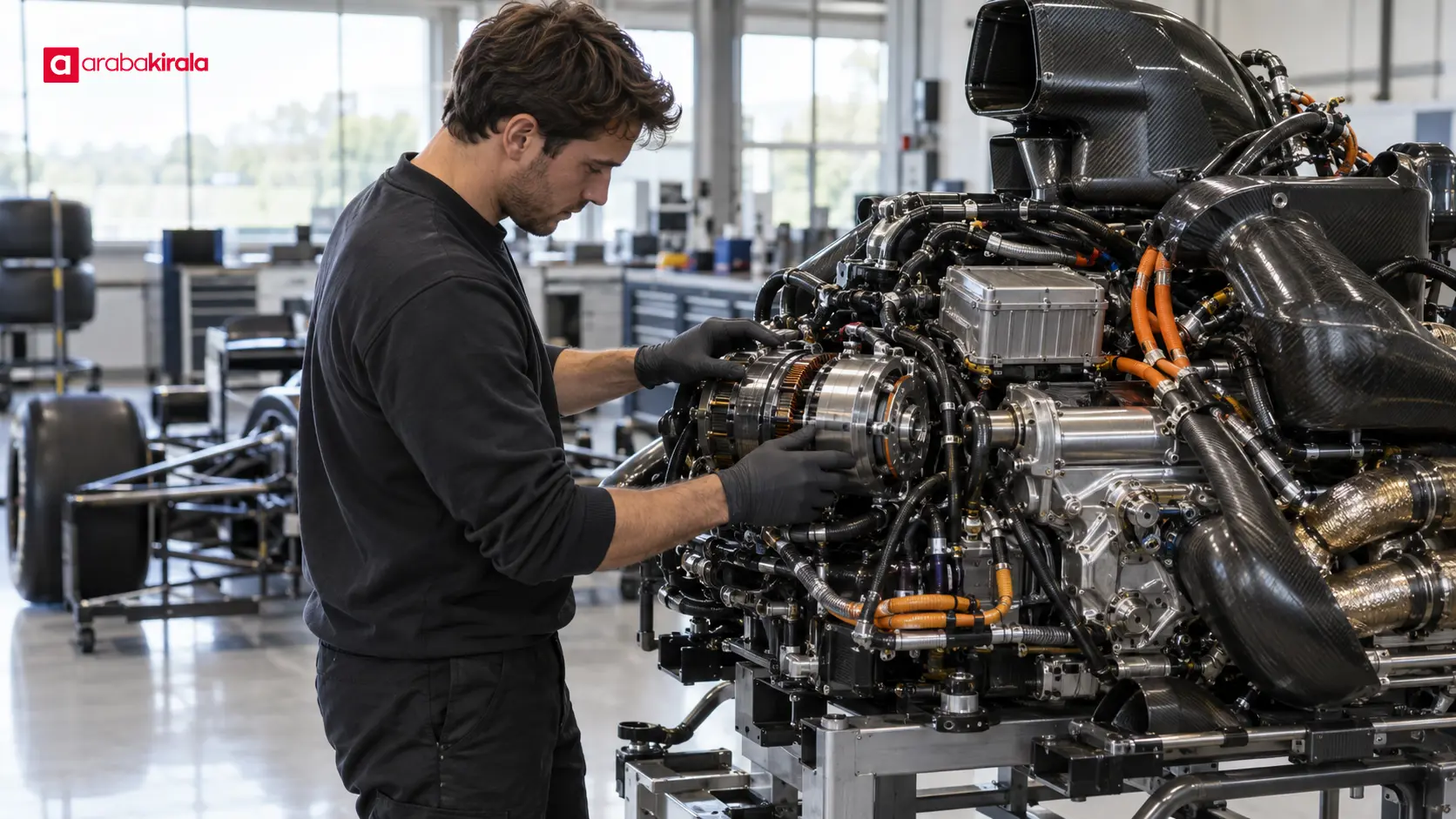
How do the driver and circuit affect energy use?
A circuit with repeated heavy braking zones offers opportunities for MGU-K recovery. Long straights and different speed profiles affect when using stored energy may be valuable. Even on one circuit, corner entries, exits, and driving lines can change the energy flow. The team manages the car’s need for acceleration alongside its storage and recovery capacity.
Braking and throttle use are also connected to how the system works. Braking is not only a moment of reducing speed; it can be a phase in which energy is recovered. Acceleration is a phase in which stored electrical energy may provide support. Energy management, however, is a complex process involving control systems as well as driver inputs; a single pedal movement does not explain the whole system.
Why can energy recovery improve efficiency?
The benefit is that part of energy that would otherwise go unused can be put to work again. The MGU-K can generate electricity from motion during deceleration, while the MGU-H can use energy associated with exhaust flow through the turbocharger. That electricity may become power assistance at a suitable time. The system aims to obtain more useful work from the energy supplied to the power unit.
Efficiency cannot be reduced to the quantity of electricity recovered. The combustion engine, turbocharger, battery, electrical machines, cooling, and power electronics work together. One component’s performance affects the operating range of others. The power unit must balance generating, storing, and using energy at the right time, so it is useful to consider the whole system.
The role of regulations and technical generations
Formula 1 power unit regulations can change from one period to another. The permitted use of the MGU-K and MGU-H, power limits, and system design are governed by technical rules. It is therefore inaccurate to generalize a system from one season across the entire history of Formula 1. For a precise limit or regulatory detail in a current season, consult the official FIA technical documents for that period.
This article is a general guide to the physical roles of motor generator units. Rather than assigning exact power distributions, energy limits, or team practices to a particular year, it is more reliable to begin by distinguishing the MGU-K’s relationship to kinetic energy from the MGU-H’s relationship to the turbocharger and exhaust flow.
What to watch for during a race
- A car slowing for a braking zone may coincide with the MGU-K generating electricity.
- Electrical assistance during acceleration may reflect energy stored in the battery.
- To understand the MGU-H, follow the link between the turbocharger and its exhaust turbine.
- Do not attribute acceleration to engine output alone; electrical assistance, gearing, and grip also affect the result.
- For a specific season or technical rule, use the FIA documents dated for that period.
Summary and next step
In Formula 1 energy recovery, the MGU-K generates electricity from the car’s motion as it slows and can provide torque assistance when appropriate. The MGU-H can draw energy from the turbocharger turbine driven by exhaust flow and can contribute to managing turbo response. The battery and power electronics coordinate the storage and use of electricity. During your next race, watch the braking zones, acceleration phases, and the turbocharger’s place in the power unit; following those three elements together makes the hybrid system easier to understand.

Frequently Asked Questions
What exactly does the MGU-K do?
The MGU-K is a machine that can operate as an electric motor or a generator. It takes energy from the drivetrain and generates electricity during braking, then can turn electrical power into torque assistance under suitable conditions.
What is the main difference between the MGU-H and MGU-K?
The MGU-K is associated with the car’s kinetic energy, especially during deceleration. The MGU-H is connected to the turbocharger shaft driven by exhaust gas and relates to both electricity generation and management of turbo speed.
Does all braking energy go into the battery?
No. Energy conversion involves losses, and storage and power delivery have technical limits. The recoverable and storable amount depends on the car’s conditions and energy management at the time.
Does the battery generate energy?
No. The battery stores electrical energy and supplies it to the system when needed. The electricity may come from components such as the MGU-K or MGU-H operating as generators.
Does the MGU-H send exhaust gas directly into the battery?
No. Exhaust gas spins a turbine; the MGU-H can generate electricity from that mechanical movement. The electrical system then manages the flow of that power.
Have these systems been the same in every Formula 1 era?
No. Technical regulations and power unit designs change over time. Consult the official technical rules for the relevant season when you need its specific details.
Legal Disclaimer: All content, articles and information on the Araba Kirala website are provided solely to inform users. No information shared on this website constitutes definitive advice or guidance. Araba Kirala Teknoloji A.Ş. and its authors cannot be held responsible for any direct or indirect damages arising from the application of information on the website. For all questions and requests regarding car rental, please contact the office from which you will rent your vehicle.












