
How Formula 1 Pit Lane Speed Limits and Infringements Are Assessed
Published: October 16, 2026 • Reading Time: 6 min • Last Updated: October 16, 2026
Learn where Formula 1 pit lane speed limits apply, how speed is recorded, and how officials review a suspected infringement and determine an outcome.
Contents
The Formula 1 pit lane speed limit is the maximum speed cars may travel through the pit area. This guide explains where the limit applies, how speed is recorded, what happens when a possible infringement is detected, and why the outcome depends on context. A measurement can trigger a review, but the race officials’ assessment of the data, the session, and the applicable rules determines the decision.
What does the pit lane speed limit cover?
The pit lane connects the garages with the circuit and includes the area where crews work on cars. It is narrow and busy, with cars passing close to one another and team members working around them during a stop. A speed limit helps control this environment and reduce risk. The pit lane is therefore treated differently from the open racing circuit, where cars operate at much higher speeds.
There is no reason to assume that one figure applies universally to every Grand Prix. The applicable limit is set out in the event’s regulations and official documents, taking the circuit and event arrangements into account. The documents also clarify where the controlled section begins and ends. For a particular race weekend, its official event material is the reliable place to check the current details.
How is speed measured?
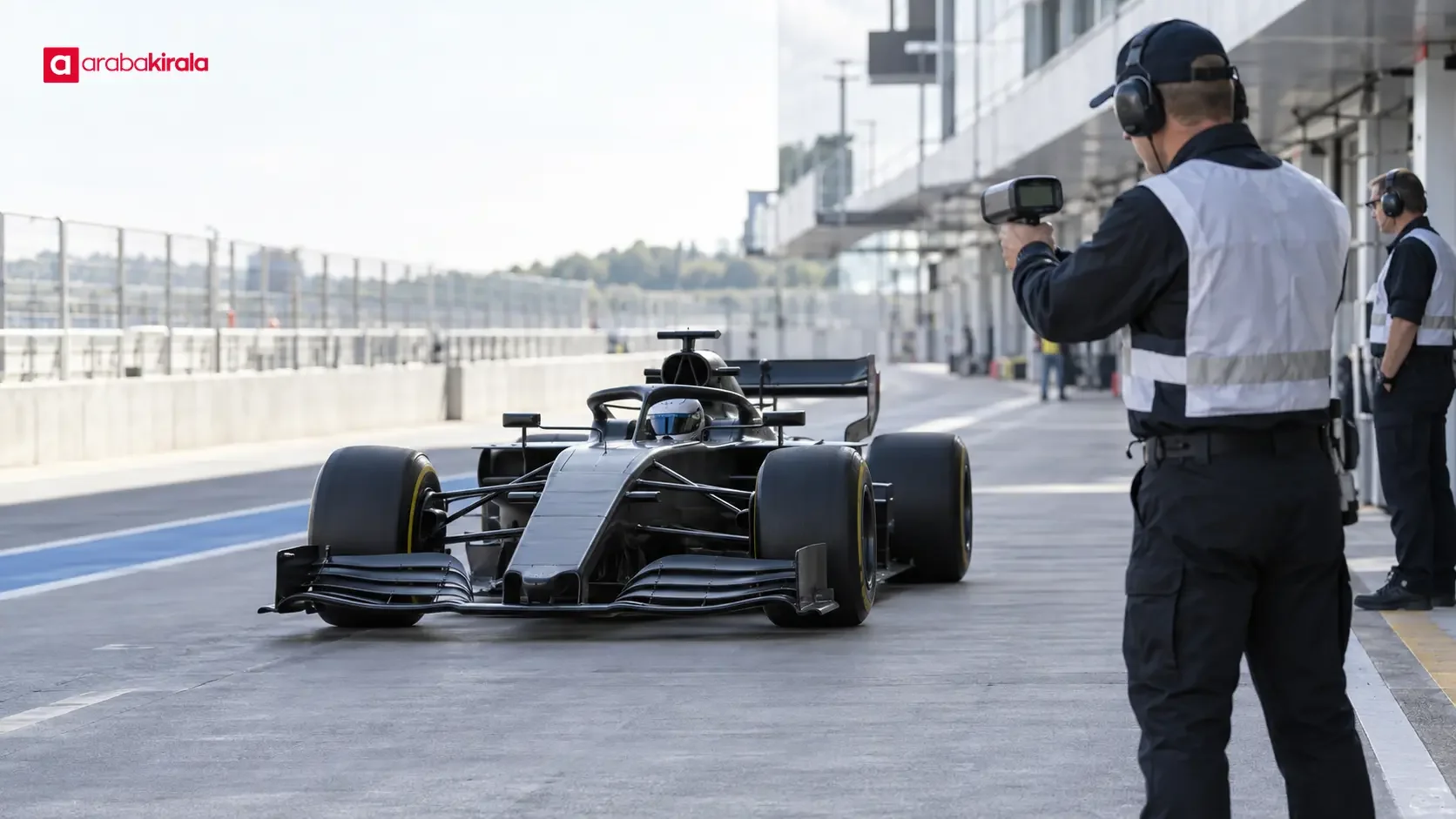
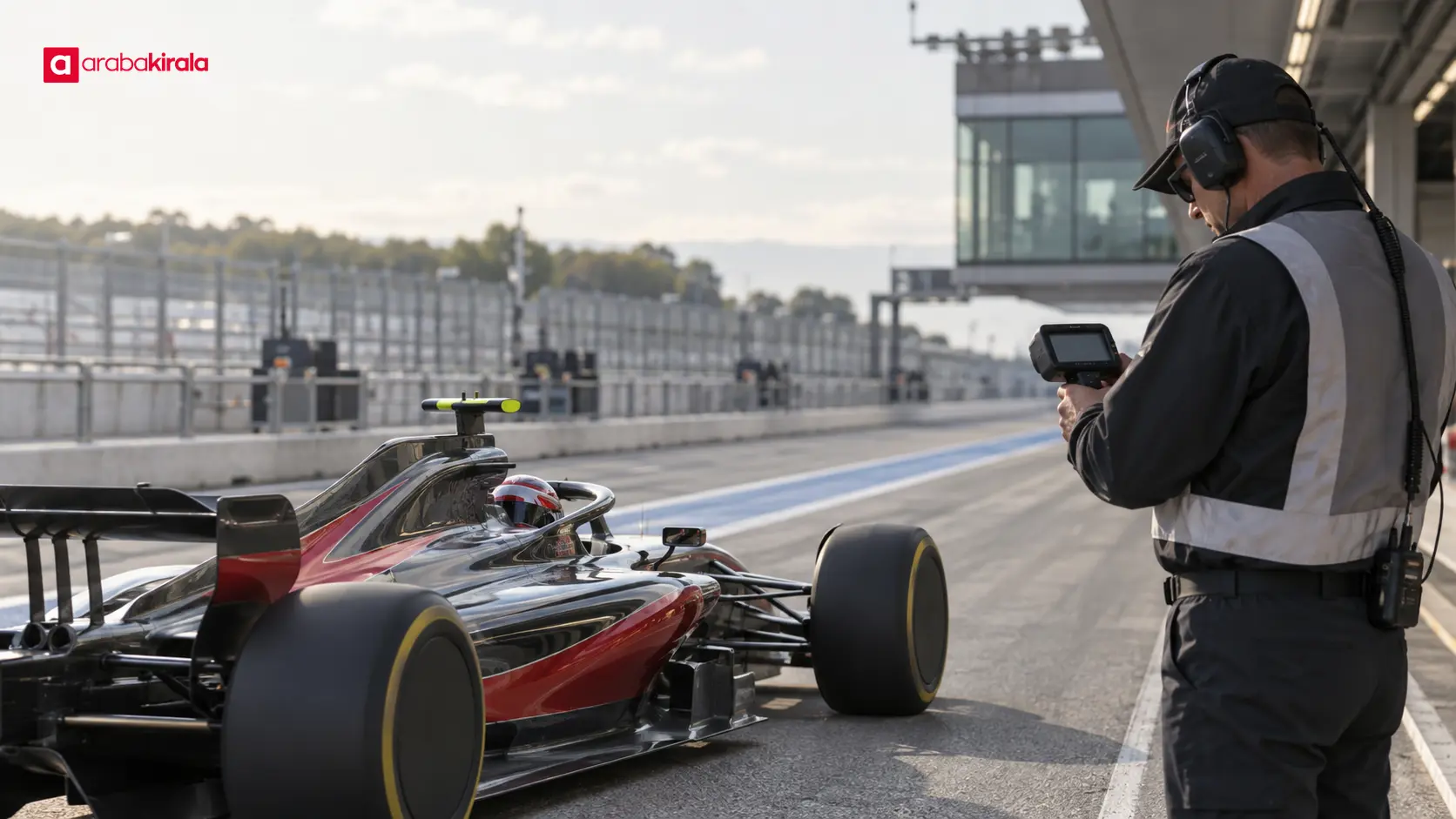
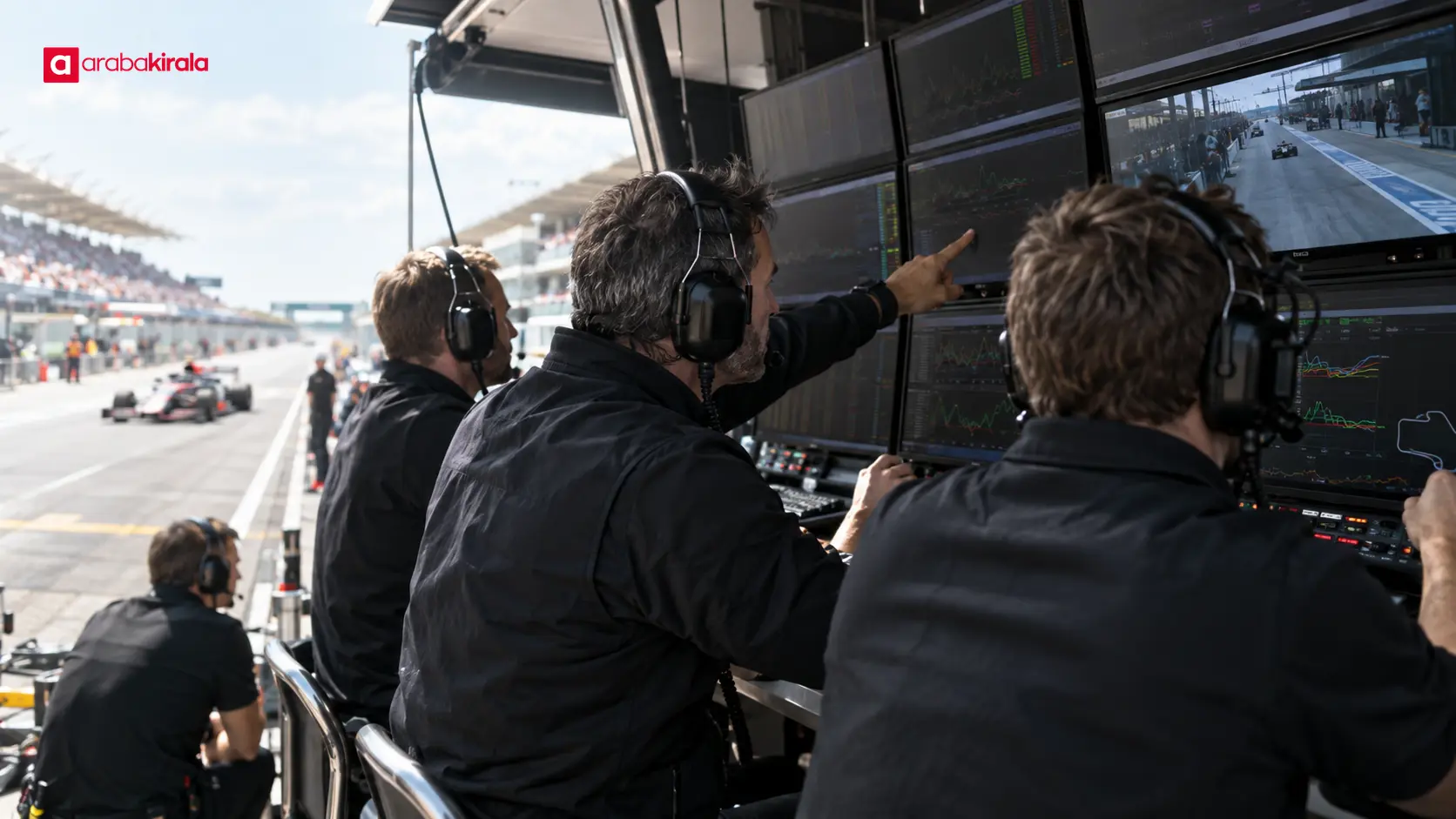
Timing and monitoring systems detect a car at designated measurement points in the pit lane and record its speed. The data is made available to race control for review. Teams may also monitor timing and telemetry information on their own systems, but a team display does not replace the officials’ formal assessment.
The positions of measurement points and the way monitoring is organized can vary by circuit. A number shown on a screen is only one part of the record: officials also need to establish which session was underway, which limit applied, and whether the technical data is reliable. Video or other records can help clarify what happened where needed.
A displayed speed is not the same as an official finding
A speed value seen on a broadcast graphic or a team screen is not, by itself, a final penalty decision. Race control compares the relevant record with the limit in force and evaluates the evidence. Broadcast graphics are intended to inform viewers and may not show every measurement detail or the reasoning behind a decision. It is better to wait for the official notice than to infer a definite penalty from an image alone.
How is a suspected infringement reviewed?
When a monitoring system indicates that a car may have exceeded the limit, the incident is brought to race control’s attention. Officials can check the technical record, consider information from the team, and review other relevant evidence. They take into account the session and the rules in force for it. An investigation notice means the incident is being considered under the event’s procedures; it does not by itself establish responsibility or specify the eventual outcome.
The possible consequences can differ according to when the incident happens and which phase of the weekend is involved. Practice, qualifying, and the race do not necessarily use identical penalty outcomes. The facts of the incident and the applicable official rules matter, so a penalty from a different Grand Prix should not be treated as an automatic result for a new case.
When a decision is issued, the official notice may identify the car or driver, describe the finding, and state any action taken. For the basis and context, consult the event’s official decisions and race control documents. Headlines and social media posts can omit procedural details, so primary event material is more useful for confirming what was decided.
Why does the limit matter?
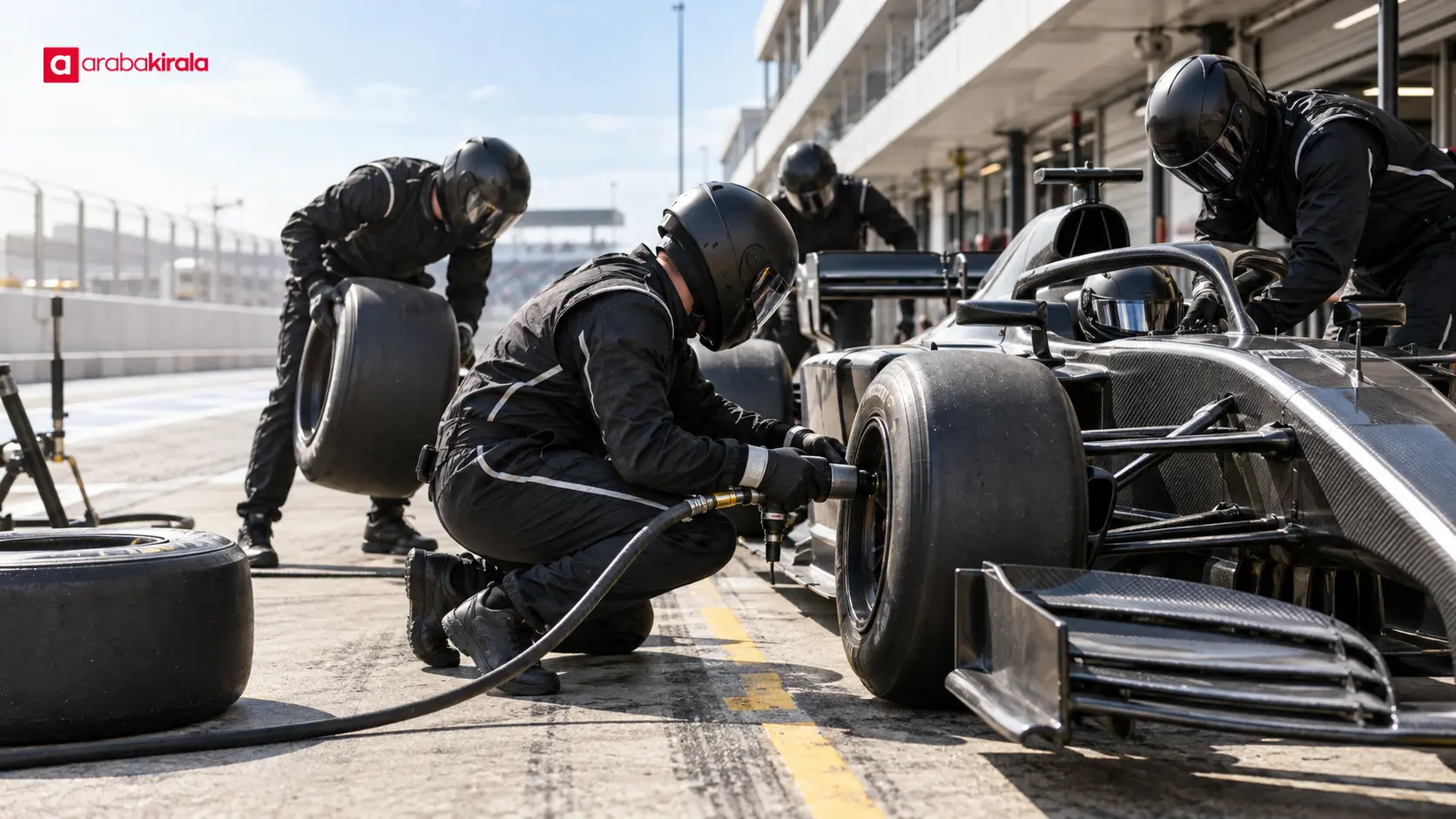
Safety in the pit lane depends on controlling vehicle speed and making movement predictable. The purpose of a limit is not simply to impose penalties: it helps protect the working space of pit crews and manage the passage of other cars. Drivers slow as they approach the pit entry, travel through the lane, and rejoin the circuit, creating a transition area where cars may be moving at different speeds.
The rule is thus more than a tactical detail. A driver’s speed control affects the people working nearby and the orderly flow of traffic. Safety is part of the context in which an incident is considered, while the specific consequence must still be understood through the applicable rules and official decision.
What to check when reading an infringement report
- Event and session: Identify the Grand Prix weekend and whether the incident occurred in practice, qualifying, or the race.
- Applicable limit: Check the pit lane limit and its scope in that event’s official documents.
- Measurement record: See whether the report relies on an official measurement or race control document.
- Decision stage: Distinguish an incident under investigation from one with a published decision.
- Scope of the outcome: Read which session or part of the event an announced action applies to.
These checks help separate an initial report from a completed decision. Short updates published during a race can change as officials review the evidence. Follow the official Formula 1 and event notices, and do not carry a limit or penalty from a different season or circuit over to the current event.
A practical way to follow the story
When you see a report about a pit lane speed incident, ask in order: what rule applied, what measurement supports the report, and whether officials have published a decision. That sequence makes it easier to follow developments without assuming that a driver has already received a penalty. Measurement, review, and decision are distinct stages; official records connect them.
In summary, the Formula 1 pit lane speed limit is applied under the official arrangements for each event. Monitoring systems record a possible excess, race officials examine the data and context, and the outcome is announced under the rules applicable to the session. If you are following a specific incident, check the event’s official documents and the published decision notice as your next step.
Frequently Asked Questions
Is the Formula 1 pit lane speed limit the same at every circuit?
You should not assume the same figure applies at every circuit or event. The relevant limit appears in the event’s official regulations and documents, which should be checked for the current race weekend.
Does a car looking fast in the pit lane prove an infringement?
No. Video can give an impression of speed, but it does not replace the official measurement record. Race officials assess system data and, where relevant, other evidence before reaching a decision.
Is the penalty always the same for a pit lane speeding infringement?
No. The outcome depends on the session, the applicable regulations, and the findings of the official review. A consequence from an earlier race is not automatically the result in another case.
Is a speed shown on a team screen an official decision?
No. Team displays can help follow an incident, but they are not a substitute for the officials’ review or published decision. Check race control’s notice and the event documents for the authoritative outcome.
Where can I verify a pit lane speed decision?
Consult the Grand Prix’s official event documents, decision notices, and Formula 1’s official channels. Compare the report’s session, measurement, and decision stage with those primary sources.
Legal Disclaimer: All content, articles and information on the Araba Kirala website are provided solely to inform users. No information shared on this website constitutes definitive advice or guidance. Araba Kirala Teknoloji A.Ş. and its authors cannot be held responsible for any direct or indirect damages arising from the application of information on the website. For all questions and requests regarding car rental, please contact the office from which you will rent your vehicle.












