What Does Formula 1 Race Control Monitor and How Does It Manage a Race?
Published: October 28, 2026 • Reading Time: 7 min • Last Updated: October 28, 2026
Learn how Formula 1 race control uses timing, car-position data, cameras and communications to monitor events, manage safety procedures and support steward decisions.
Contents
- What is the Formula 1 race control centre?
- What information does race control monitor?
- Car positions and lap timing
- Camera feeds and marshal reports
- Team radio and formal messages
- From warning to race management: how interventions work
- Yellow flags and local warnings
- The Safety Car and Virtual Safety Car
- Suspending and restarting a session
- Race control and the stewards have different roles
- What to watch for when following race control
- Summary and what to look for next
- Frequently Asked Questions
Formula 1 race control helps a Grand Prix run safely and in an orderly way by combining live data with reports from people working around the circuit. This guide explains what information the control room follows, how warnings reach drivers, when the Safety Car or Virtual Safety Car can be used, and how race operations differ from steward decisions.
What is the Formula 1 race control centre?
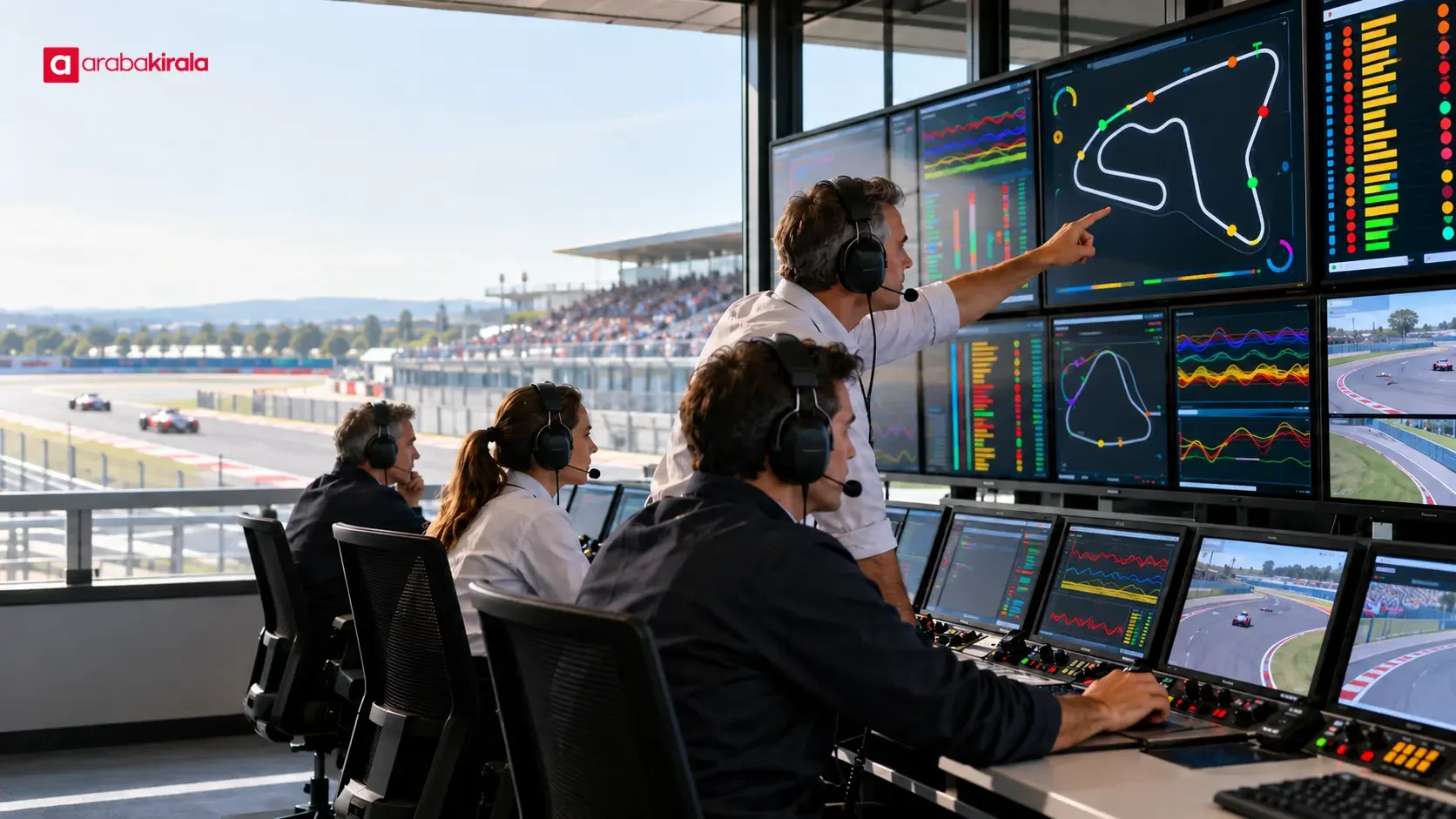
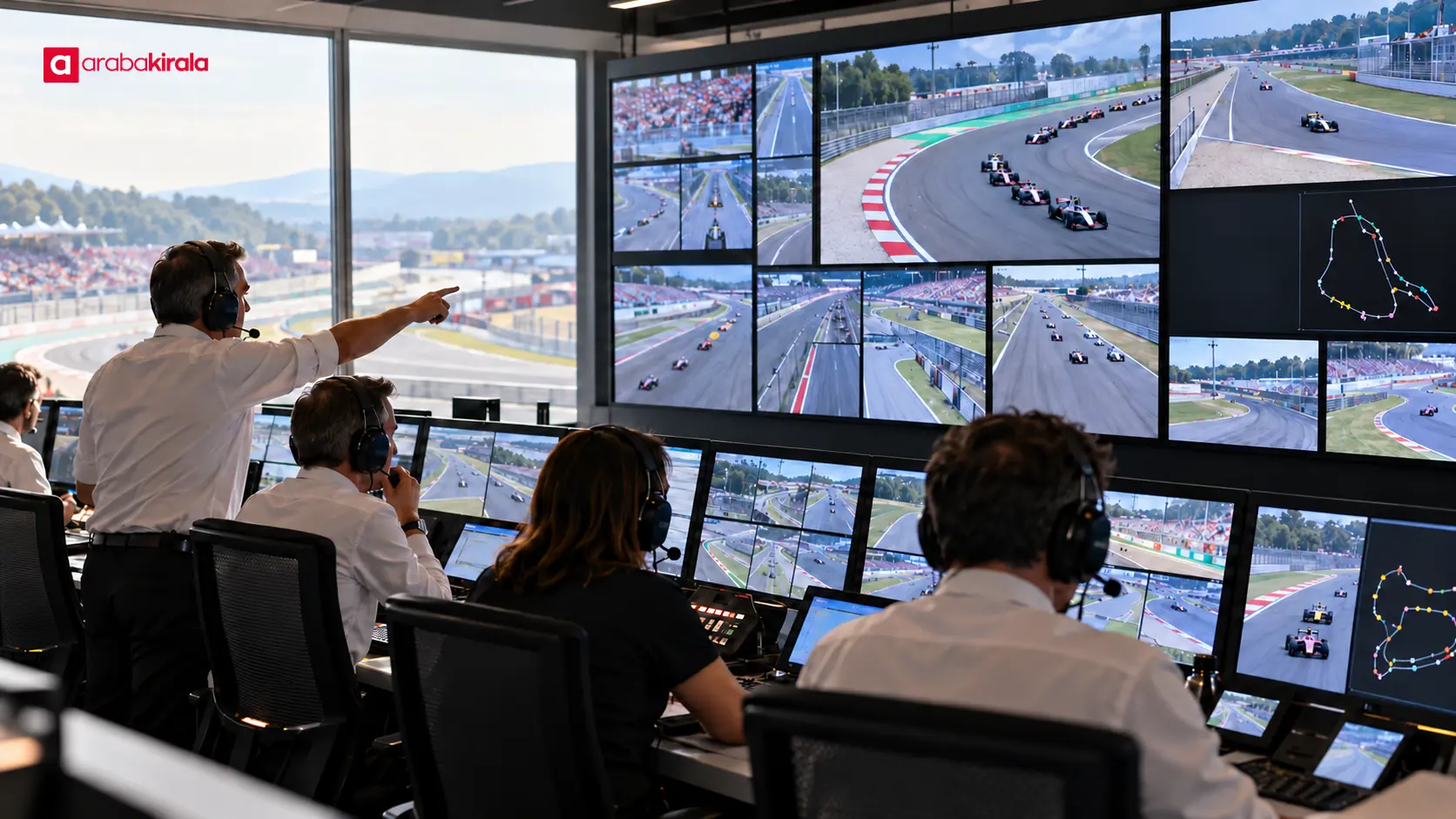
Race control is the operational hub where officials build a shared picture of what is happening during a Grand Prix weekend. It is more than a room where someone watches a screen. Reports from marshals, car-position and timing information, camera feeds and formal communications all contribute to the assessment. The purpose is to understand track activity quickly and coordinate the procedures that apply.
Race control should not be viewed as a single decision-maker. The FIA Race Director, marshals, stewards and technical officials have distinct responsibilities. The Race Director oversees sporting operations such as session control, the start procedure, use of the Safety Car and stopping a session. The stewards examine potential rule breaches and make decisions. Data and video systems support this work; they do not issue penalties on their own.
What information does race control monitor?
Car positions and lap timing
Car-position and timing information helps officials see where each car is and how the field is moving around the circuit. It can clarify relative order, completed laps and activity within particular sections. When a flag warning is active, the cars’ approach to that part of the track is one factor officials may need to assess. Data becomes more useful when considered alongside reports and video.
Timing alone cannot explain the full context of an event. A drop in speed could relate to a car problem, a hazard on the circuit or traffic ahead. Race control therefore brings numerical indicators together with sources that show where the event occurred and what conditions surrounded it.
Camera feeds and marshal reports
Circuit cameras provide different viewpoints for reviewing an incident. Officials may use footage to examine how contact began, where a car was in relation to the track limits or whether a hazard was visible to approaching drivers. Video allows an event to be replayed, but a single camera angle may not show every relevant detail. Several views and timing information can be considered together.
Marshals report events in their assigned sectors and use flags to warn drivers. Prompt reports of debris, a stopped car, an excursion or a dangerous condition help race control understand what is happening. The control room combines those reports with other information to assess what response may be needed.
Team radio and formal messages
Team radio can provide information that teams receive from drivers and cars. Separately, formal messages from race control communicate procedures and instructions to competitors. The channels serve different purposes: team radio is communication between a team and its driver, while official messages relay race management information to participants.
Communications do not determine a decision by themselves. A team’s concern or request does not automatically establish that a breach occurred, nor does it amount to a stewards’ ruling. The event still needs to be considered under the rules by the officials responsible for that decision.
From warning to race management: how interventions work
Depending on the incident, racing may continue normally, a warning may apply to one part of the circuit, or the overall pace may need to be controlled. The response depends on factors such as the location and seriousness of the hazard, the marshals’ situation and whether cars can proceed safely. Procedures can look similar to viewers while producing different instructions for drivers and different effects on the race.
Yellow flags and local warnings
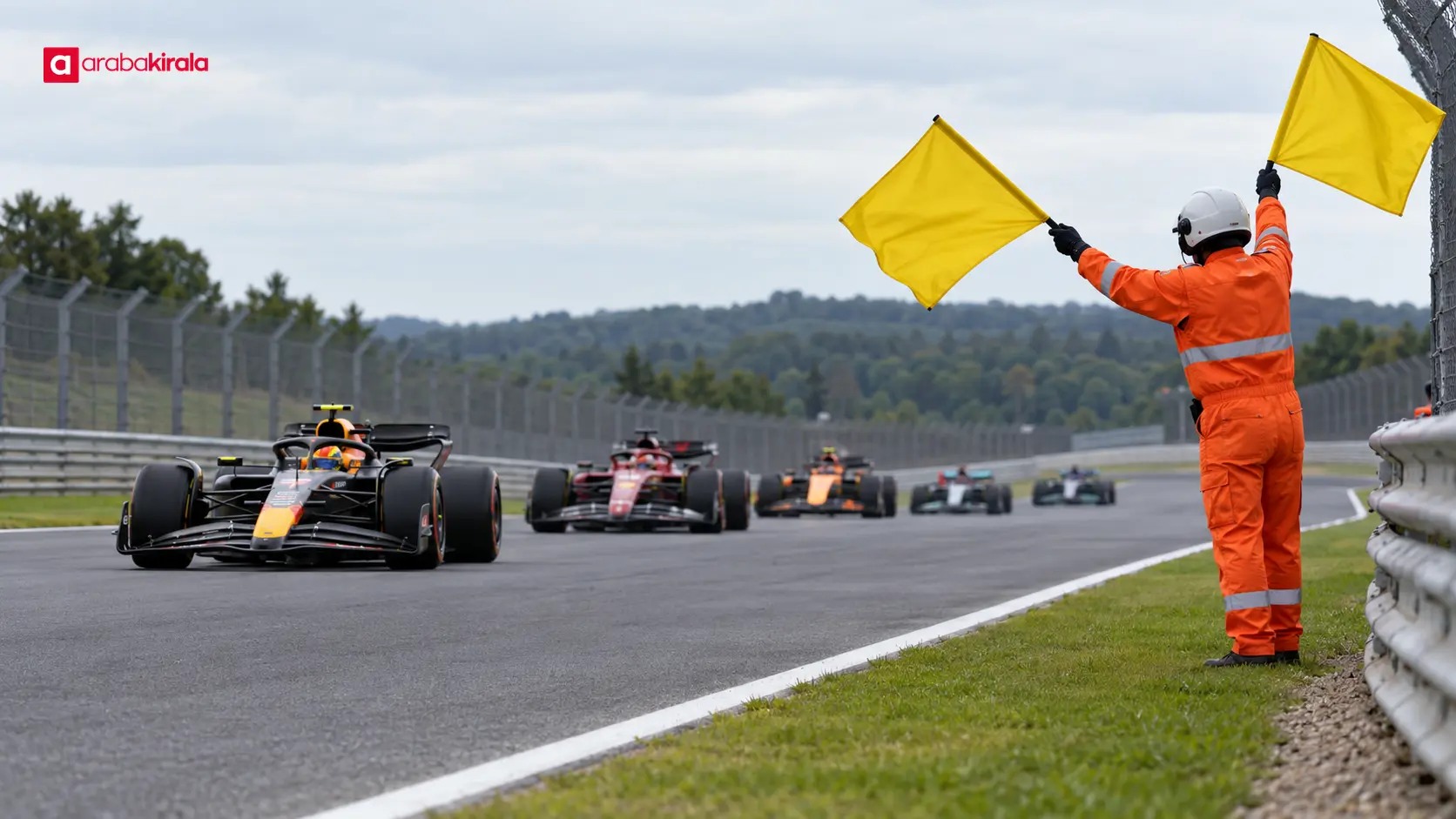
A yellow flag warns drivers that there may be a hazard in the relevant section and that they must take care. Race control follows where the warning applies and what marshals report. If conditions change or the hazard is cleared, the information shown by flags and light panels may be updated. A yellow flag does not necessarily mean the race has stopped.
The Safety Car and Virtual Safety Car
The Safety Car controls the pace by physically leading the field. It can be used when conditions do not allow normal racing speeds but cars can still proceed in a controlled formation. The order of cars, restrictions on overtaking and the return to racing are managed under the applicable sporting procedures.
The Virtual Safety Car (VSC) limits car speeds without a physical Safety Car circulating on track. FIA regulations describe its use for conditions requiring double yellow flags, where competitors or officials may be in danger but a full Safety Car is not warranted. Drivers receive electronic messages and circuit light-panel signals, and must follow the prescribed speed limits. Both procedures aim to manage safety, but their operation and effects on the race are different.
Suspending and restarting a session
If track conditions seriously affect the safety of drivers or officials, a session or race may be suspended. Stopping and restarting are separate procedural steps. Race control monitors the state of the circuit, the positions of cars and whether marshals can work safely; it then communicates how the session will proceed under the applicable rules.
Race control and the stewards have different roles
The Race Director manages race operations and ensures sporting procedures are applied. The stewards are the independent decision-makers who examine reported breaches. FIA explanations describe officials such as the Race Director as monitoring compliance and referring potential breaches to the stewards, who evaluate the evidence and decide. Spotting an incident on a screen is therefore not the same as issuing a penalty.
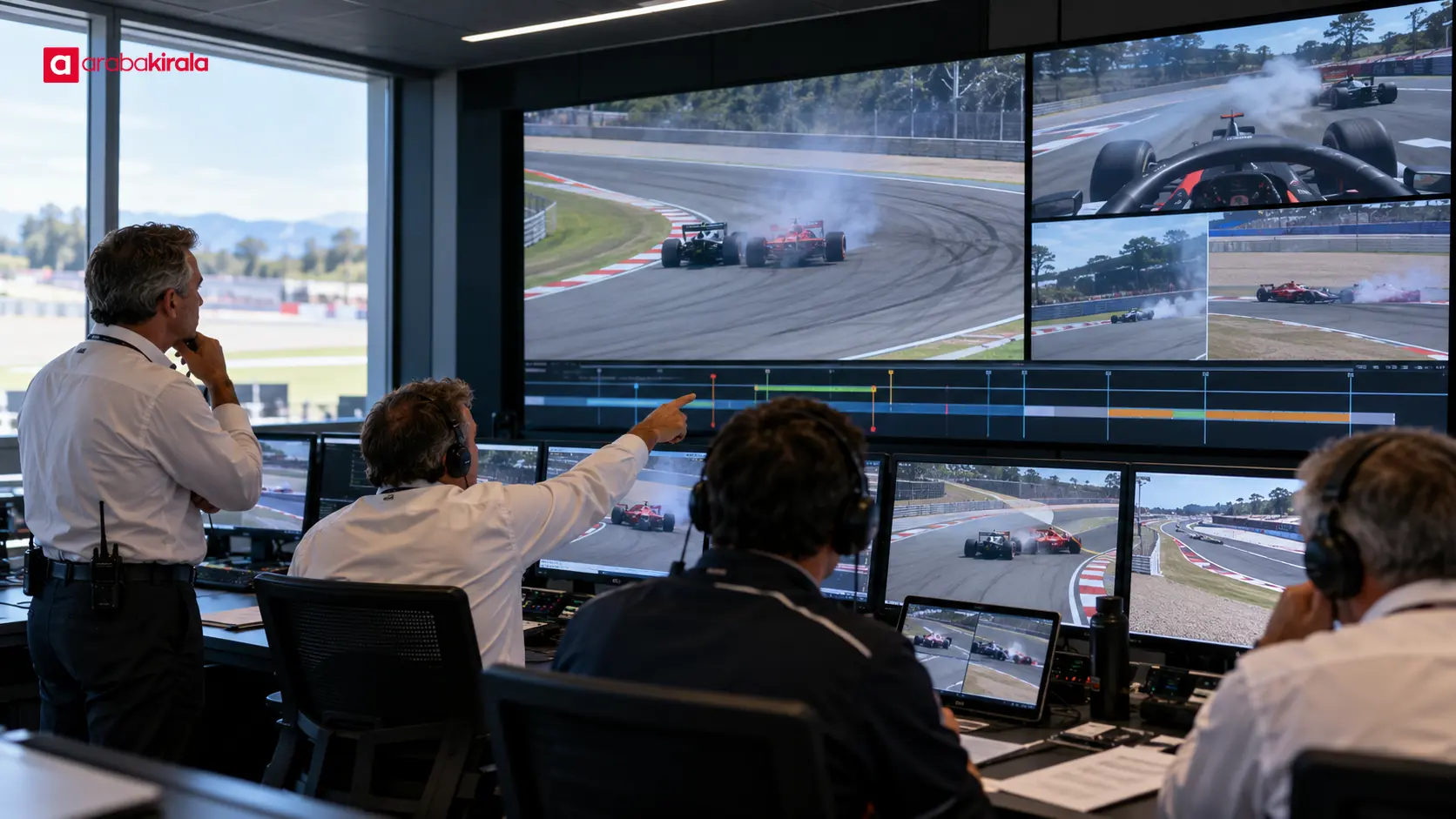
An incident review may consider relevant footage, timing or electronic data, explanations from drivers and teams, and the applicable rule. Officials can replay images from different angles. This helps explain why an action seen live on a broadcast may not lead to an immediate ruling: the surrounding circumstances and the parties involved can also matter.
What to watch for when following race control
- Notice where the warning applies: A flag or light-panel message may concern one section of the circuit rather than the entire track.
- Identify the procedure: Yellow flags, a VSC and a Safety Car are distinct measures. They affect pace and driver behaviour in different ways.
- Do not treat the first image as the final finding: The broadcast may show one view while officials review other angles and data.
- Separate operations from rulings: Managing a race, investigating an alleged breach and announcing a decision can involve different responsibilities.
- Follow formal messages: Notices that a procedure has started or ended help explain how track conditions are being managed.
Summary and what to look for next
Formula 1 race control brings together car-position data, lap timing, camera feeds, marshal reports and communications to monitor the event. Safety warnings and changes to racing pace are managed according to the circumstances. Understanding the difference between the Race Director’s operational role and the stewards’ review and decision-making role makes on-screen developments easier to interpret. During the next race, note where a warning applies, which procedure is used and how official messages change the flow of the session.
Frequently Asked Questions
What data can Formula 1 race control see from the cars?
Race management can use electronic information such as car positions and timing, along with circuit cameras, marshal reports and relevant communication channels. The information reviewed depends on the incident; no single display explains every situation.
Does race control decide penalties itself?
The Race Director manages race operations and procedures. The stewards examine potential rule breaches and make decisions. Detecting an incident or referring it to the stewards does not by itself mean a penalty has been imposed.
What is the difference between a yellow flag and a Virtual Safety Car?
A yellow flag warns of a hazard in a particular section. A VSC controls the pace more broadly through an electronic speed restriction. Their use and the instructions given to drivers differ.
Why does the Safety Car come onto the circuit?
The Safety Car limits the pace when conditions are unsuitable for normal racing speeds but cars can proceed in a controlled order. Its deployment and the restart are governed by sporting procedures.
Why can reviewing an incident take time?
Officials may need to compare several camera angles, timing and other data, and apply the relevant rule. The first broadcast image may not show the full context, so the stewards may need to finish their review before announcing a decision.
Does remote operations support replace trackside race control?
The FIA’s Remote Operations Centre supports race control and the stewards with data and video review. FIA describes it as an advisory and support resource, not a separate authority that takes over the work of trackside officials.
Legal Disclaimer: All content, articles and information on the Araba Kirala website are provided solely to inform users. No information shared on this website constitutes definitive advice or guidance. Araba Kirala Teknoloji A.Ş. and its authors cannot be held responsible for any direct or indirect damages arising from the application of information on the website. For all questions and requests regarding car rental, please contact the office from which you will rent your vehicle.